
Cannabis extract may work as a treatment for cannabis addiction
13 October 2019
An extract from cannabis called cannabidiol or CBD helped some people who were addicted to smoking the drug quit
13 October 2019
An extract from cannabis called cannabidiol or CBD helped some people who were addicted to smoking the drug quit
12 October 2019
Bots on social media get a bad rap, but they can be used for good and for art, like in these three headline bots revealed at New Scientist Live
11 October 2019
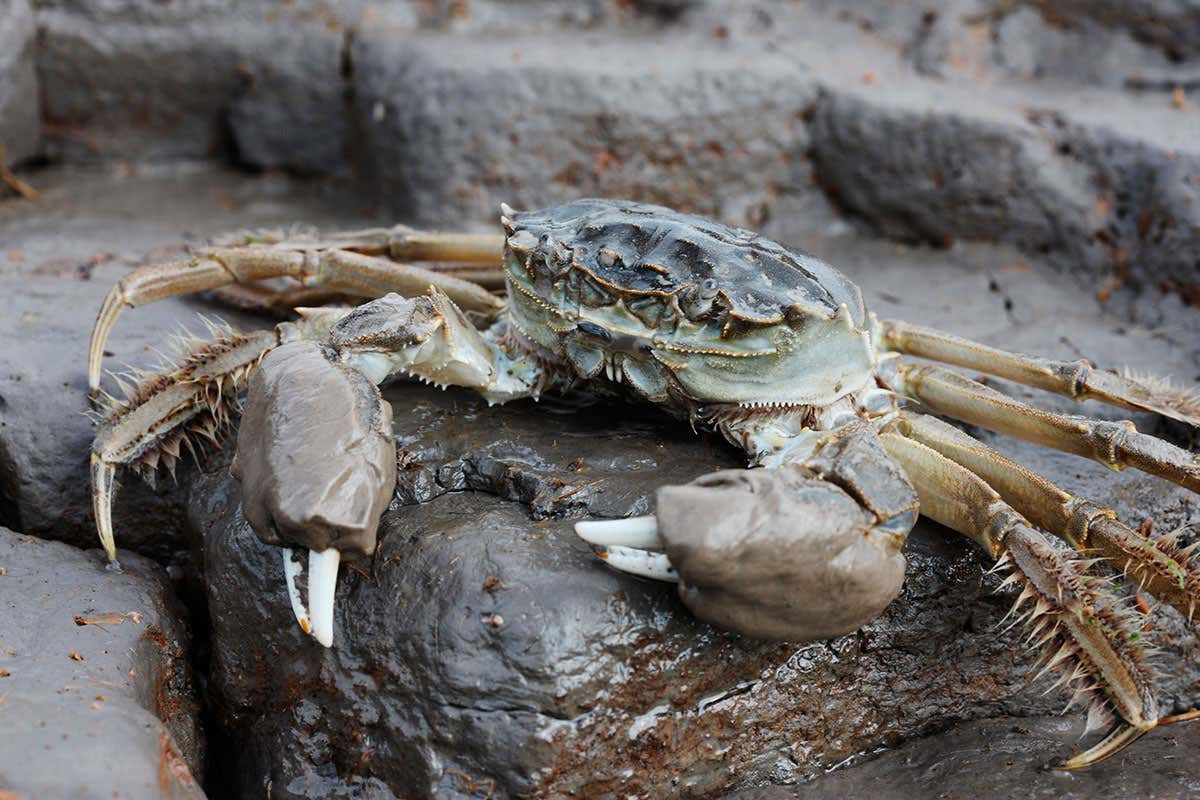
Crabs in the Thames are ingesting “shocking” amounts of plastic and may be passing it on in high doses to other species in the river, researchers have found
11 October 2019
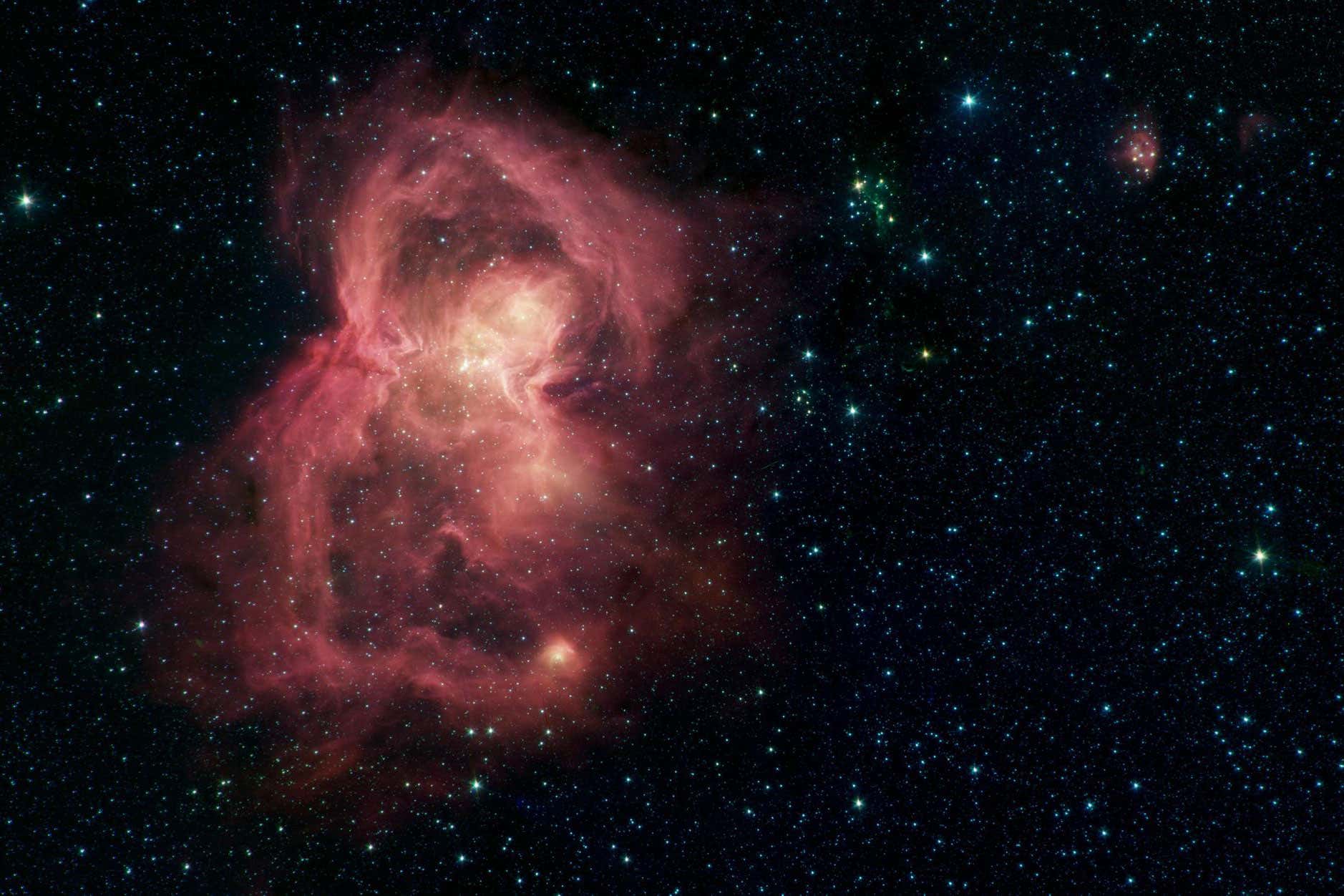
A NASA engineer has published plans for an engine that could accelerate a rocket without using propellant. But there are questions over whether it could work
11 October 2019
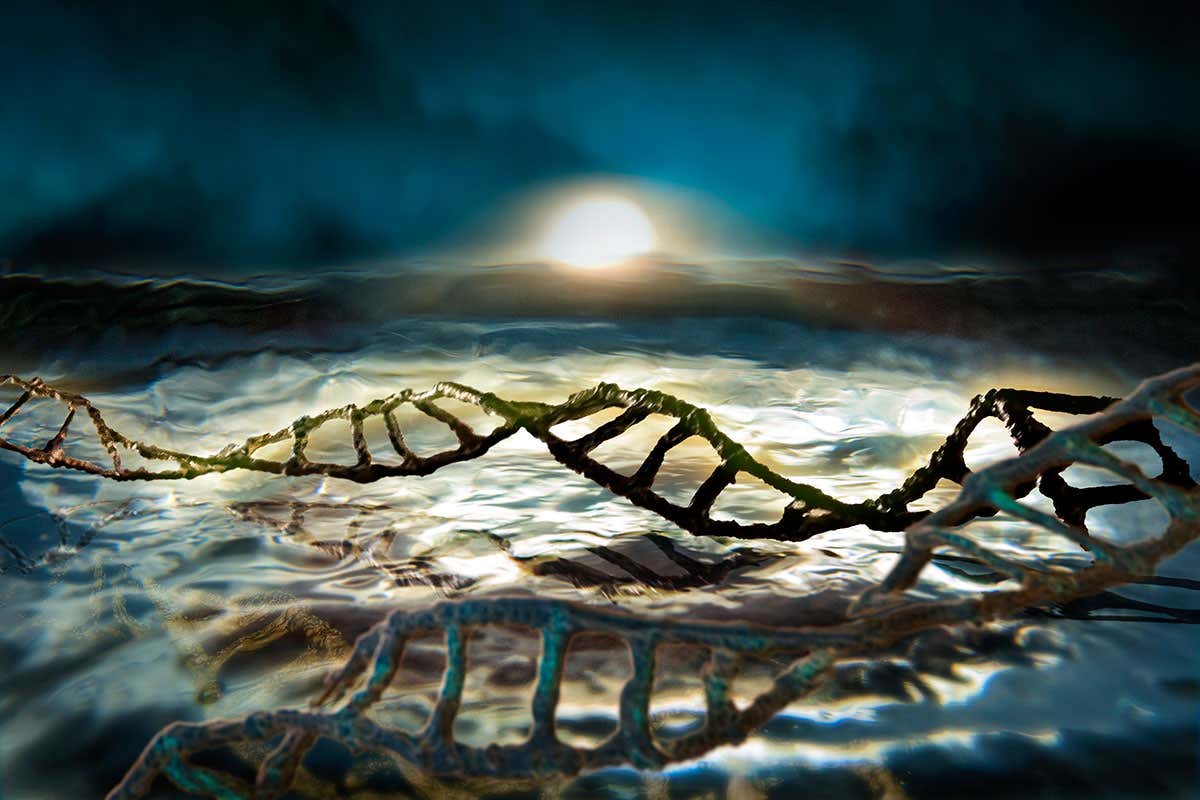
Urea, a chemical found in urine, can be used to make simple genetic molecules similar to DNA – which could have been the basis of the first life on Earth
11 October 2019
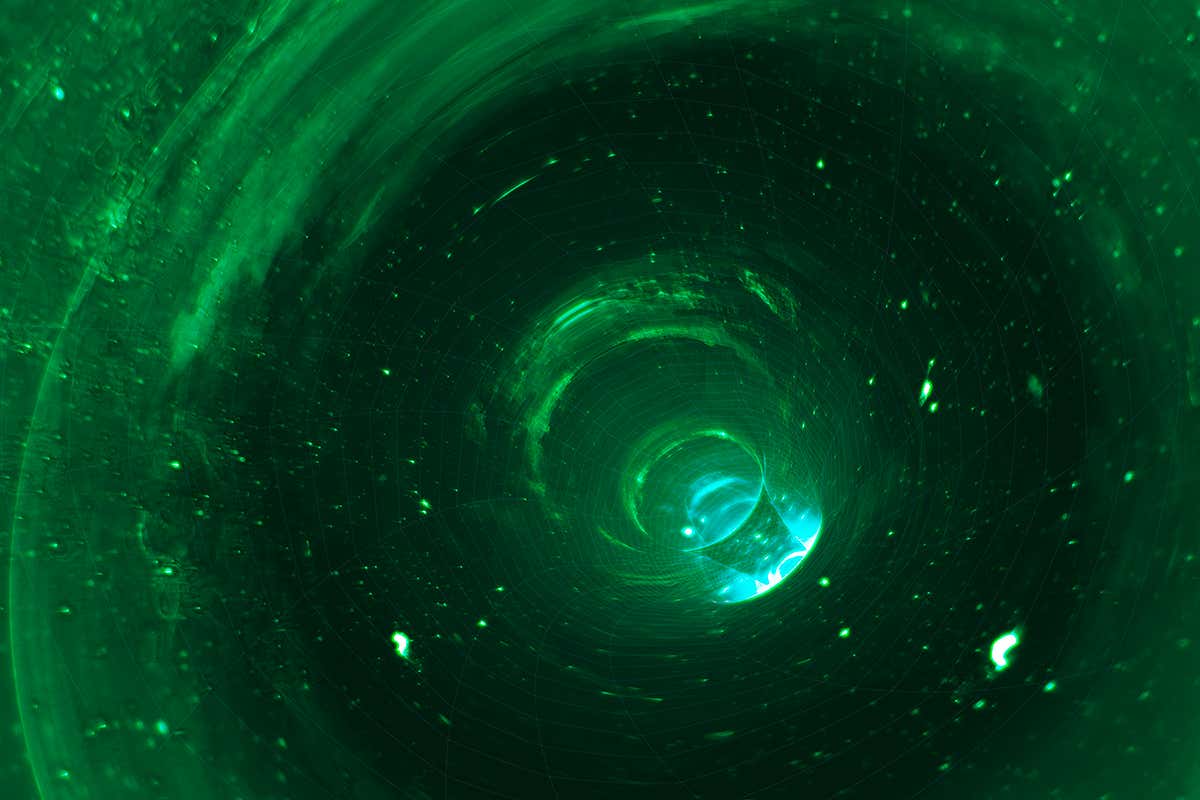
We were unsure if wormholes could exist long enough to allow a person through. Now calculations indicate they are extremely rare, but could last the age of the universe
10 October 2019
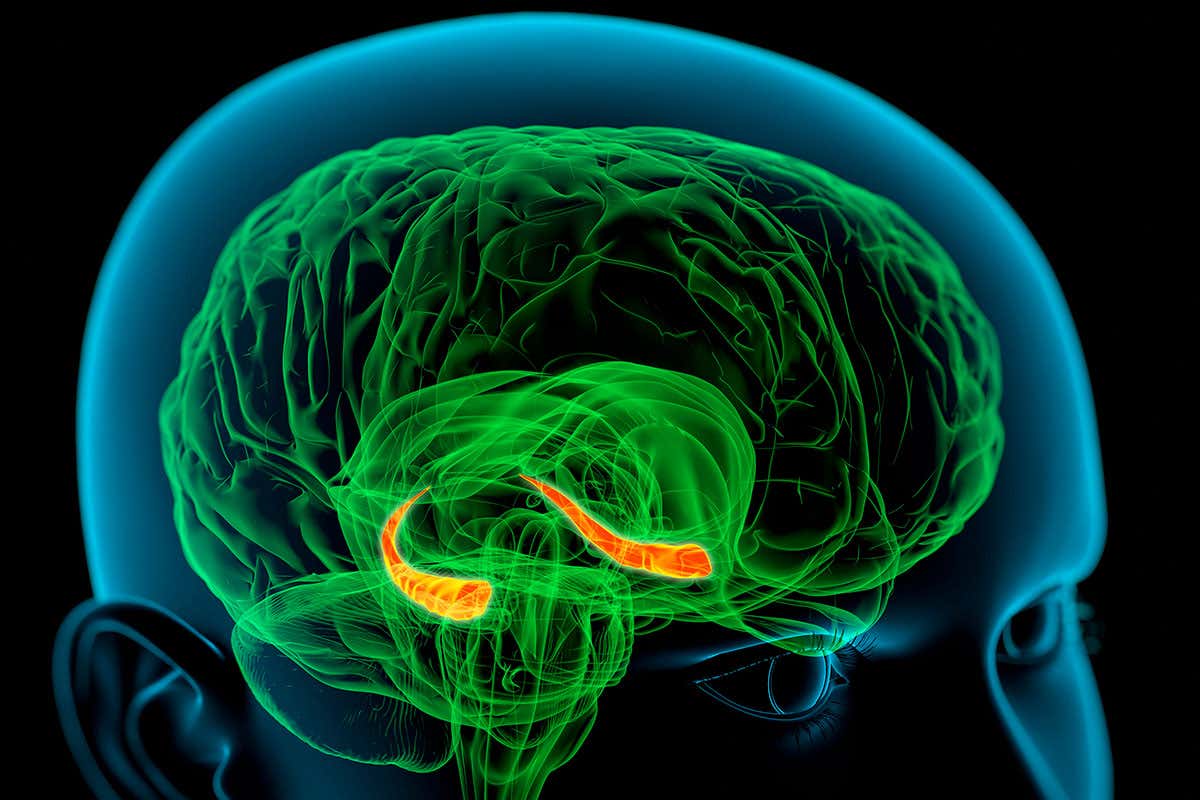
Depression appears to cause changes to the structure of the brain, as well as the other way around. That may be due to behaviour changes that can shrink unused brain pathways
10 October 2019
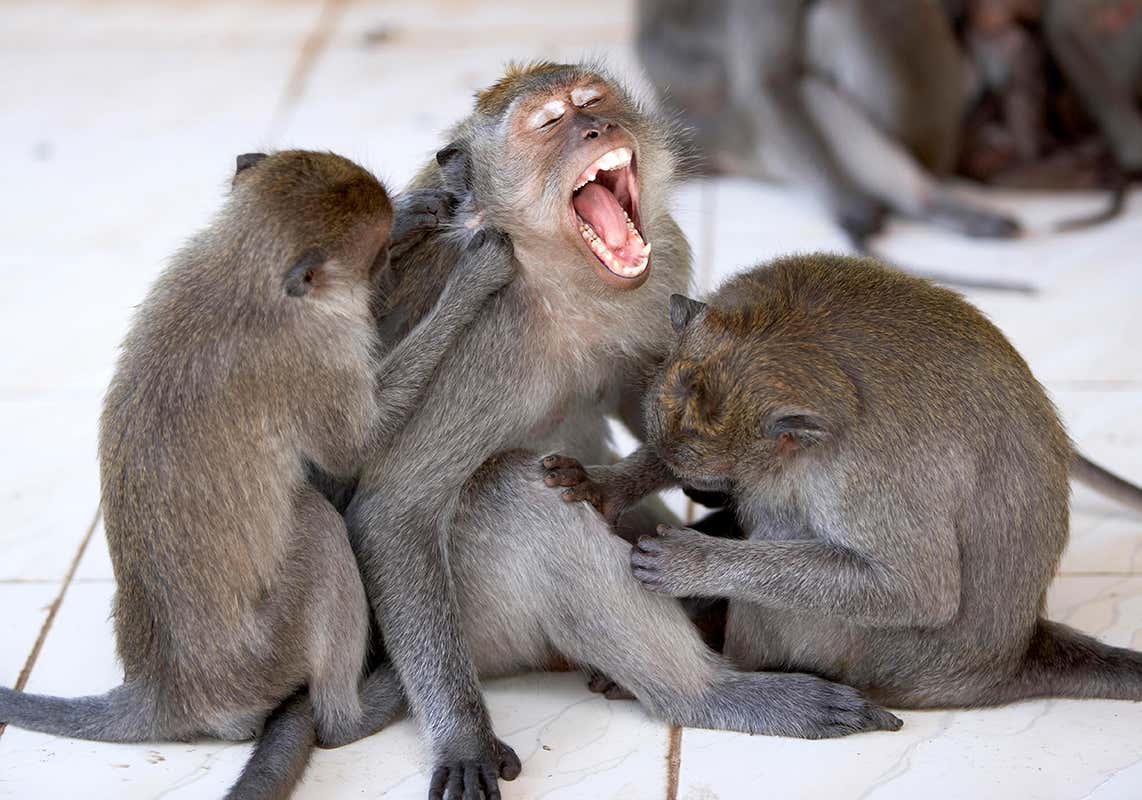
New Scientist readers are more knowledgeable than the general public and experts on the state of the world, but still score worse than monkeys would on some questions
10 October 2019
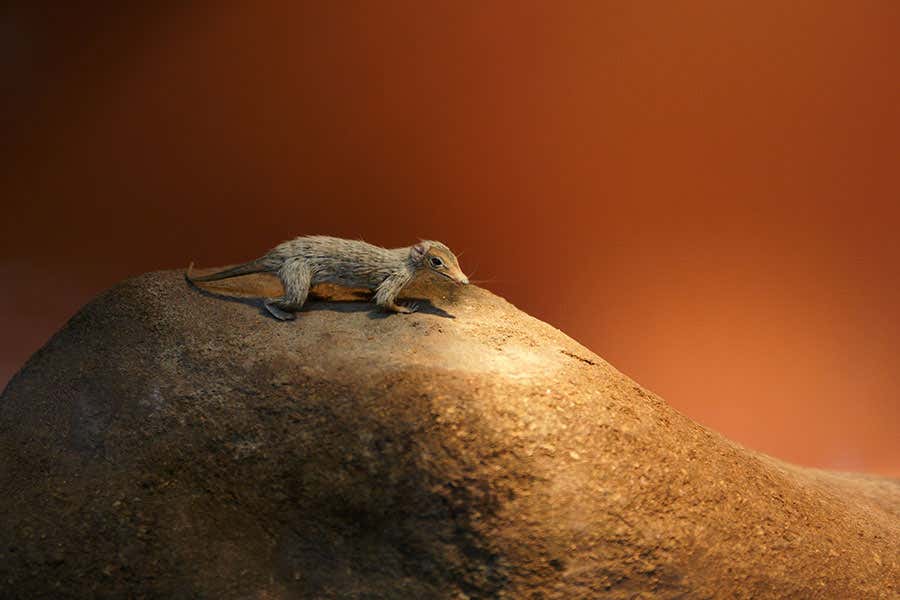
Two protomammals from the dinosaur era were still cold-blooded like their reptile ancestors, even though their skeletons and brains were mammal-like
10 October 2019
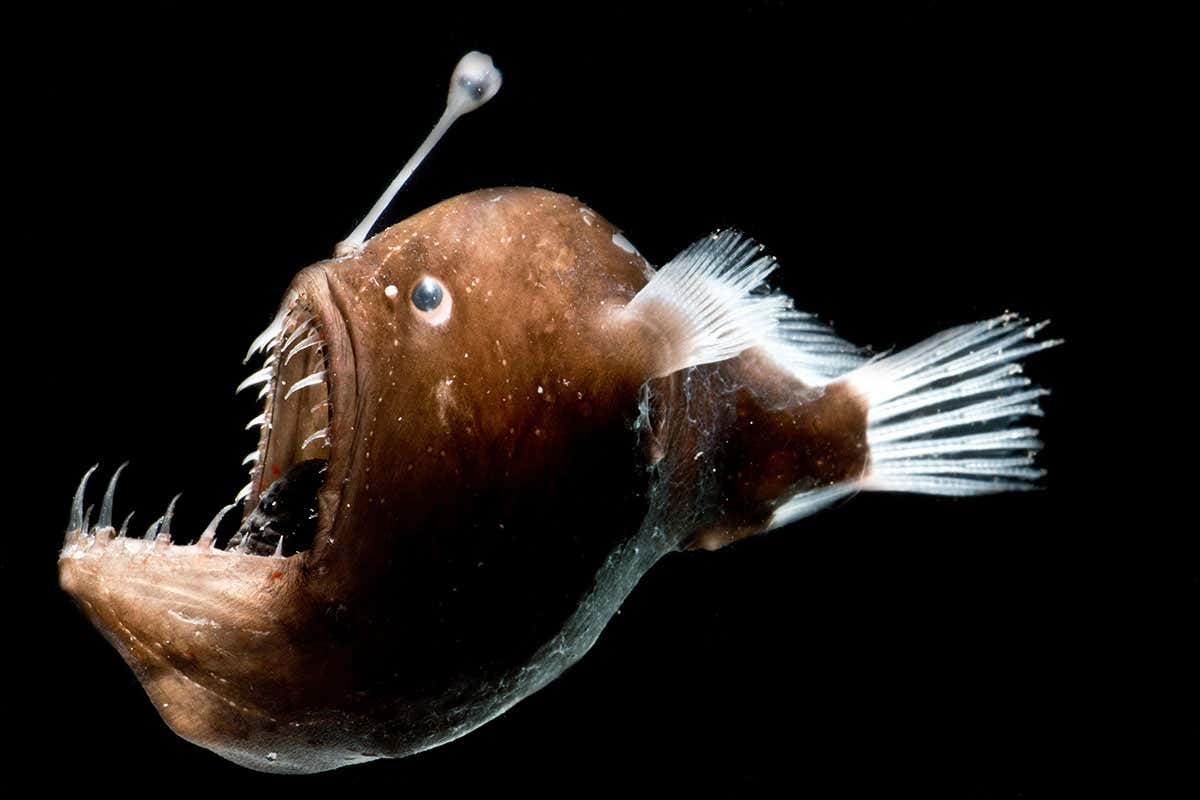
Bacteria in deep-sea anglerfish give the predators a luminescent glow – but despite being adapted to this lifestyle the microbes leave for the open water
