Subscribe now
GM rice cartoon

Approval of golden rice could finally end vitamin A deficiency deaths

20 November 2019

Genetically modified golden rice finally seems set for approval where it is needed to address vitamin A deficiency, but anti-scientific misinformation campaigns continue, says Michael Le Page
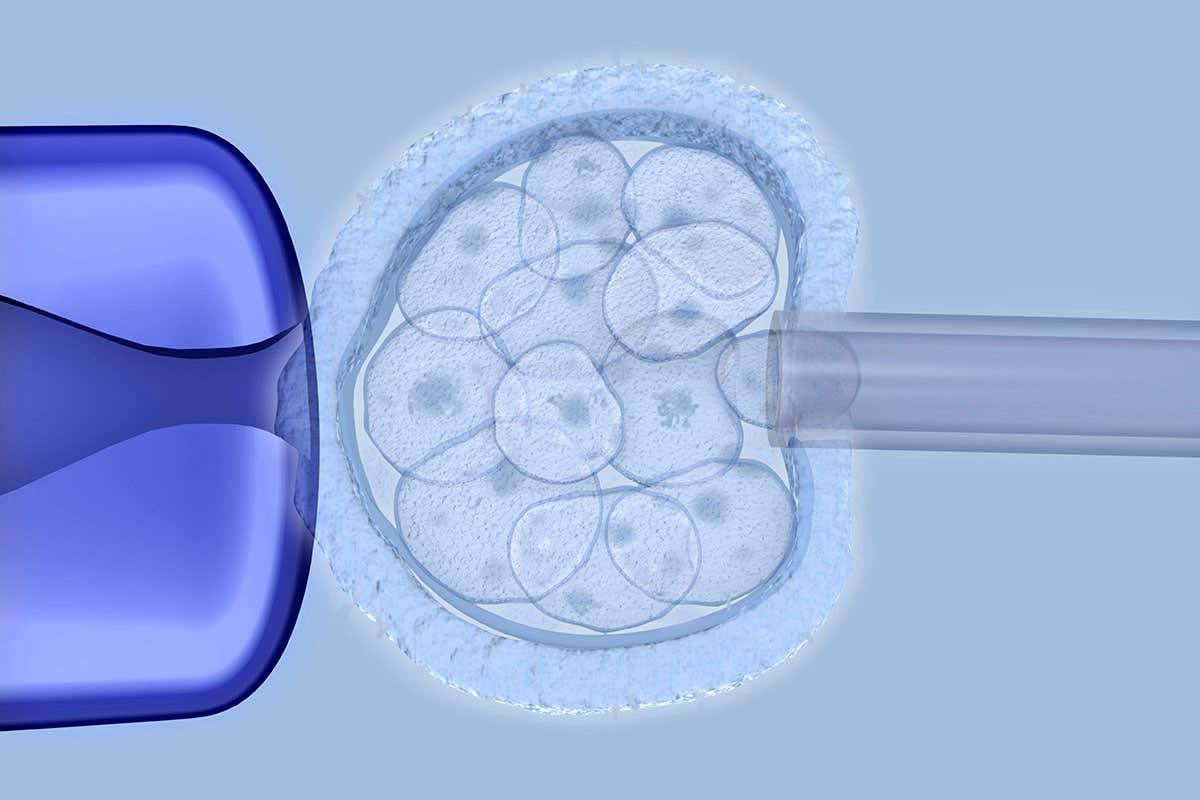

Embryo being edited

Geneticists are writing the rule book for creating gene-edited babies

20 November 2019

A year after the world learned that the first-ever gene-edited children had been born in China, doctors and ethicists are looking at how to proceed safely and responsibly


Astronaut working on the outsdie of the International Space Station

Low gravity in space made some astronauts’ blood flow backwards

15 November 2019

Spending time in microgravity can reverse the flow of a person’s blood and lead to clots, as seen in astronauts who spent months on the International Space Station


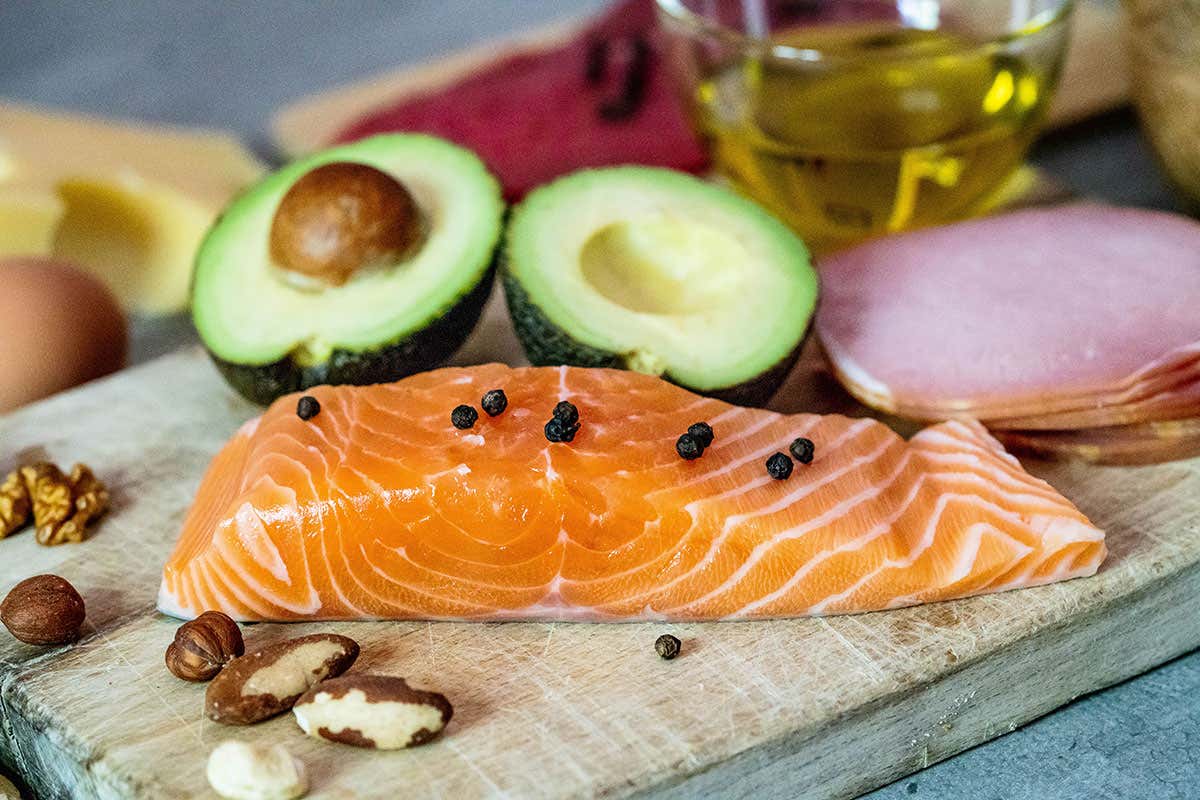
Illustration on the ketogenic diet (or keto), low carbohydrate diet, composed mainly of high-fat foods.

Eating a keto diet may give some protection against the flu

15 November 2019

Giving mice a diet with lots of fat and few carbohydrates seemed to boost certain immune cells, which protected them from the flu


WOMAN USING NOSE SPRAY

An insulin nasal spray could help with polycystic ovary syndrome

15 November 2019

Women with PCOS often have to eat less and exercise more in order to maintain a healthy weight – a study in sheep suggests that a nasal insulin spray could help


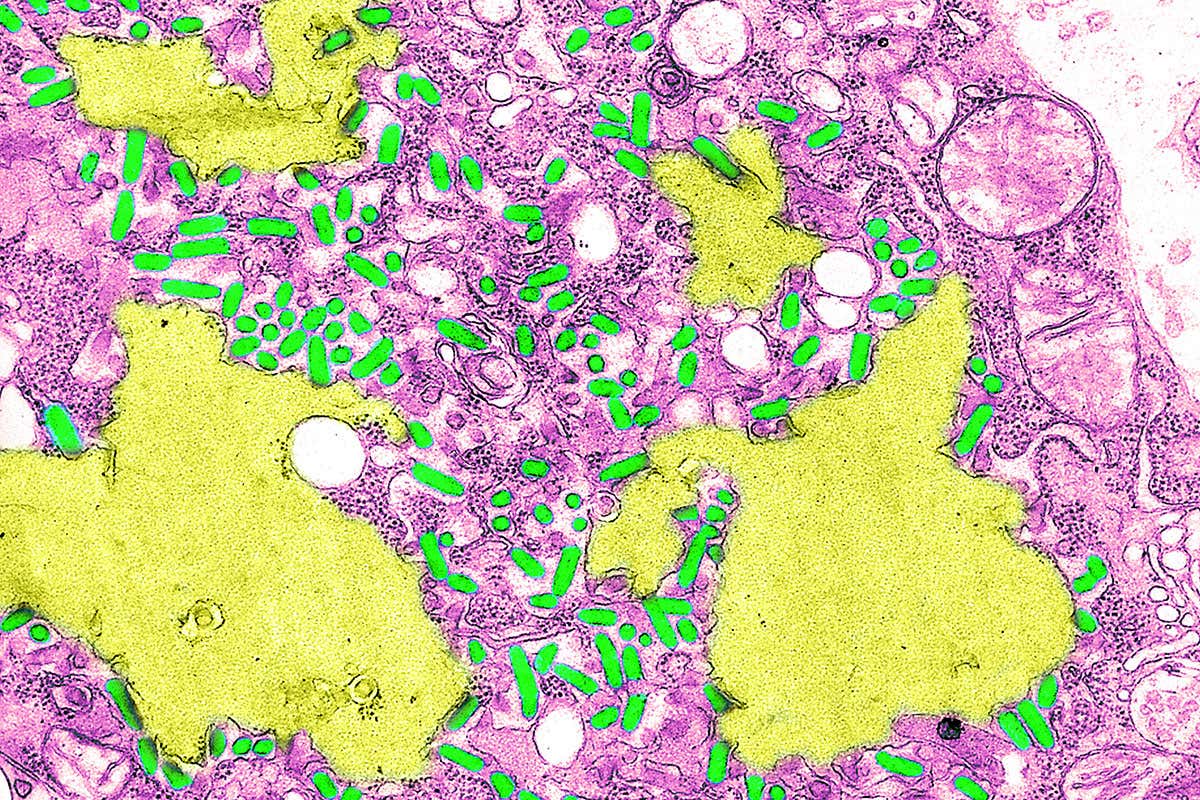
Transmission electron micrograph of the Rabies Virus. This electron micrograph shows the rabies virus (bright green), as well as Negri bodies (pale green), or cellular inclusions. The rabies virus is a neurotropic virus that causes fatal disease in human and animals. Rabies transmission can occur through the saliva of animals. The rabies virus has a cylindrical morphology and is the type species of the Lyssavirus genus of the Rhabdoviridae family. These viruses are enveloped and have a single stranded RNA genome with negative-sense. Negri bodies are eosinophilic, sharply outlined, pathognomonic inclusion bodies found in the cytoplasm of certain nerve cells containing the virus of rabies.

Improved rabies vaccine could be better and cheaper

14 November 2019

An estimated 60,000 people die of rabies each year, in part because of the lack of access to a cheap and simple vaccine – a new version could change that


Climate change protest

Health impacts of climate change on children don't need exaggerating

13 November 2019

A major report warns that children are particularly vulnerable as a warming world exposes them to more infectious diseases, malnutrition and dirty air


healthy foods

Eating tiny nutrient particles could be better than health supplements

13 November 2019

Nutrient deficiency affects billions – a solution may be to pack the nutrients into particles that can be cooked before releasing their contents in the stomach


Sign up to our weekly newsletter

Receive a weekly dose of discovery in your inbox. We'll also keep you up to date with New Scientist events and special offers.

Sign up
Piano Exit Overlay Banner Mobile Piano Exit Overlay Banner Desktop