Subscribe now
The 'ancestral diet' doesn't make sense and relies on lazy stereotypes

The 'ancestral diet' doesn't make sense and relies on lazy stereotypes

19 February 2020

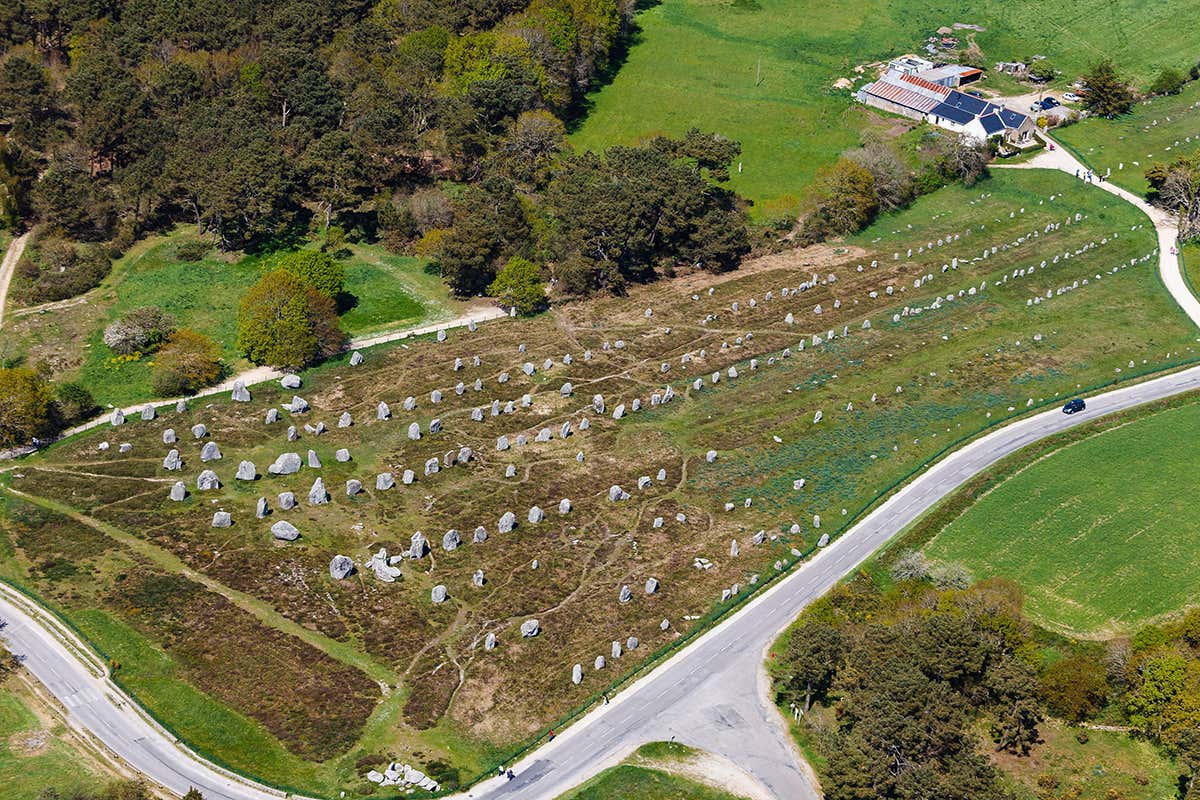
Eating like your ancestors did 5000 years ago is a fad on the rise. James Wong wonders if following the "ancestral diet" means he should eat pangolins or live a life of abject poverty

New Scientist Default Image

Prehistoric giant turtle shell is the biggest ever found

19 February 2020

The 2.4-metre-long shell found in the Tatacoa desert in Colombia belonged to a giant turtle called Stupendemys geographicus, which was twice the size of the leatherback turtle


Antimatter looks just like matter – which is a big problem for physics

Antimatter looks just like matter – which is a big problem for physics

19 February 2020

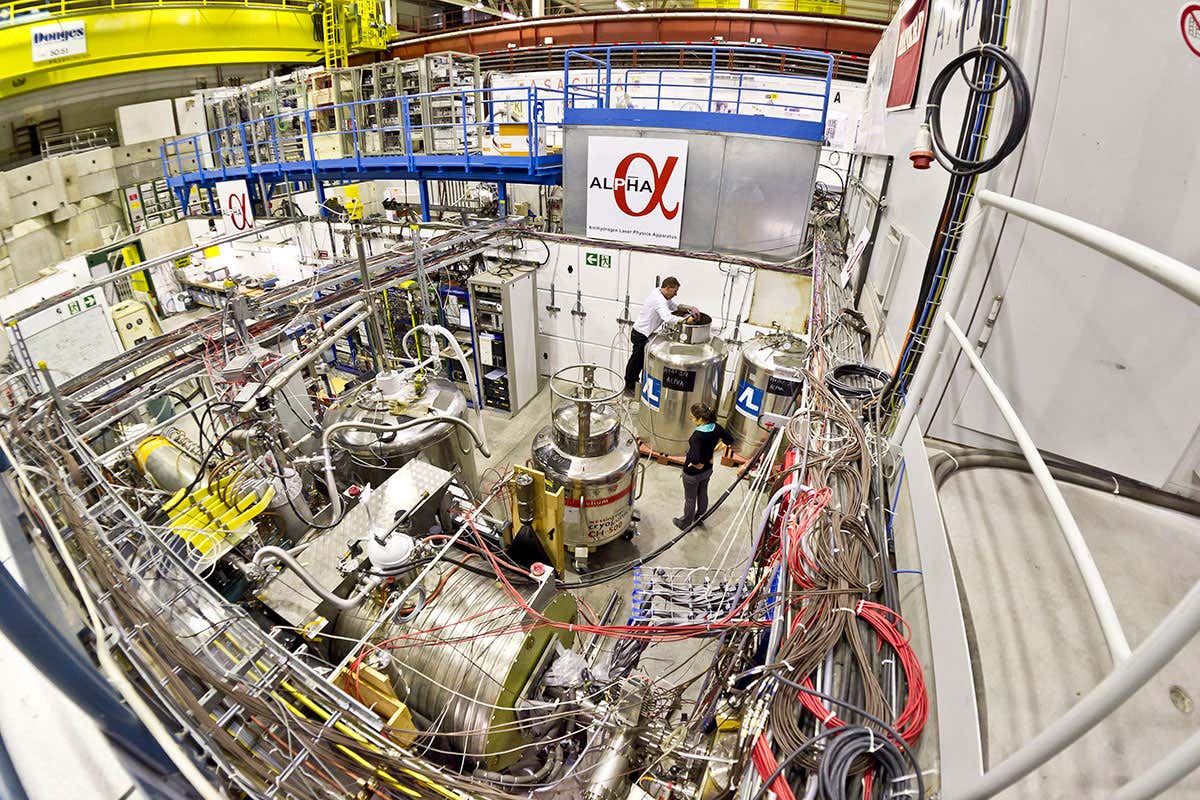
A difference in the properties of matter and antimatter could help explain our universe – but a property called the Lamb shift is similar in particles of both


China is using mass surveillance tech to fight new coronavirus spread

China is using mass surveillance tech to fight new coronavirus spread

19 February 2020

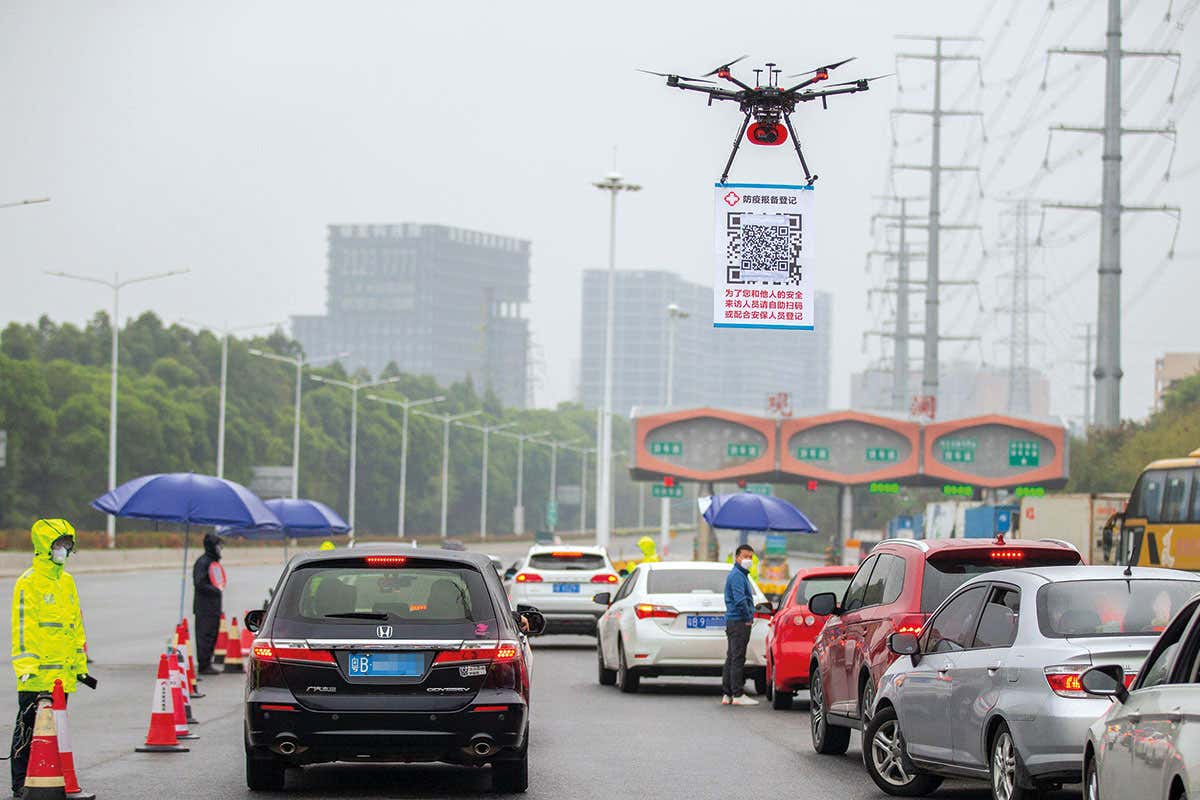
QR codes, tracking apps and drones at toll booths are just some of the tech tools China is deploying to monitor the spread of the new coronavirus


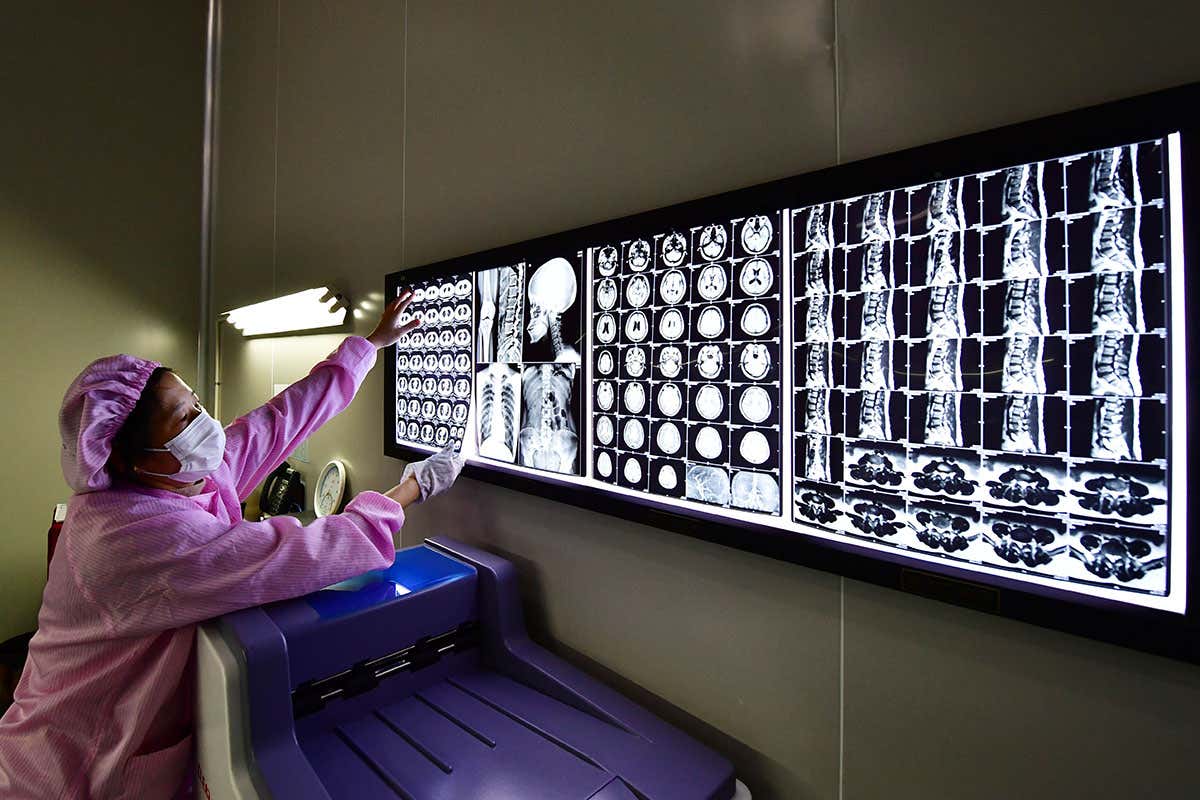
Medical imaging is being used to work out how the coronavirus affects the body

Why coronavirus superspreaders may mean we avoid a deadly pandemic

18 February 2020

The covid-19 virus may mostly be transmitted by superspreaders, which means it might be easier to contain the outbreak and prevent it going pandemic


Human cloning

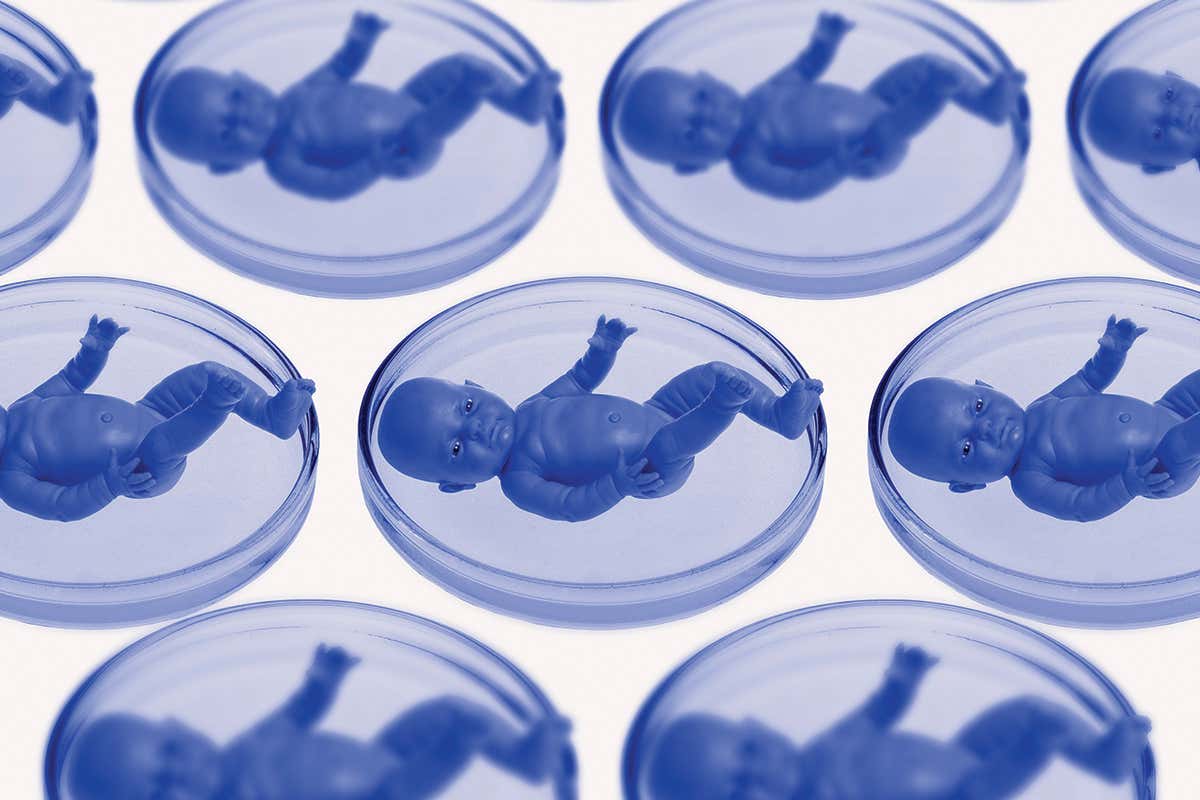
Should animals with human genes or organs be given human rights?

18 February 2020

Gene-edited pigs and brain implants are blurring the lines of what it means to be human, so our morals and laws may need to change to include beings that are “substantially human”


Military drone

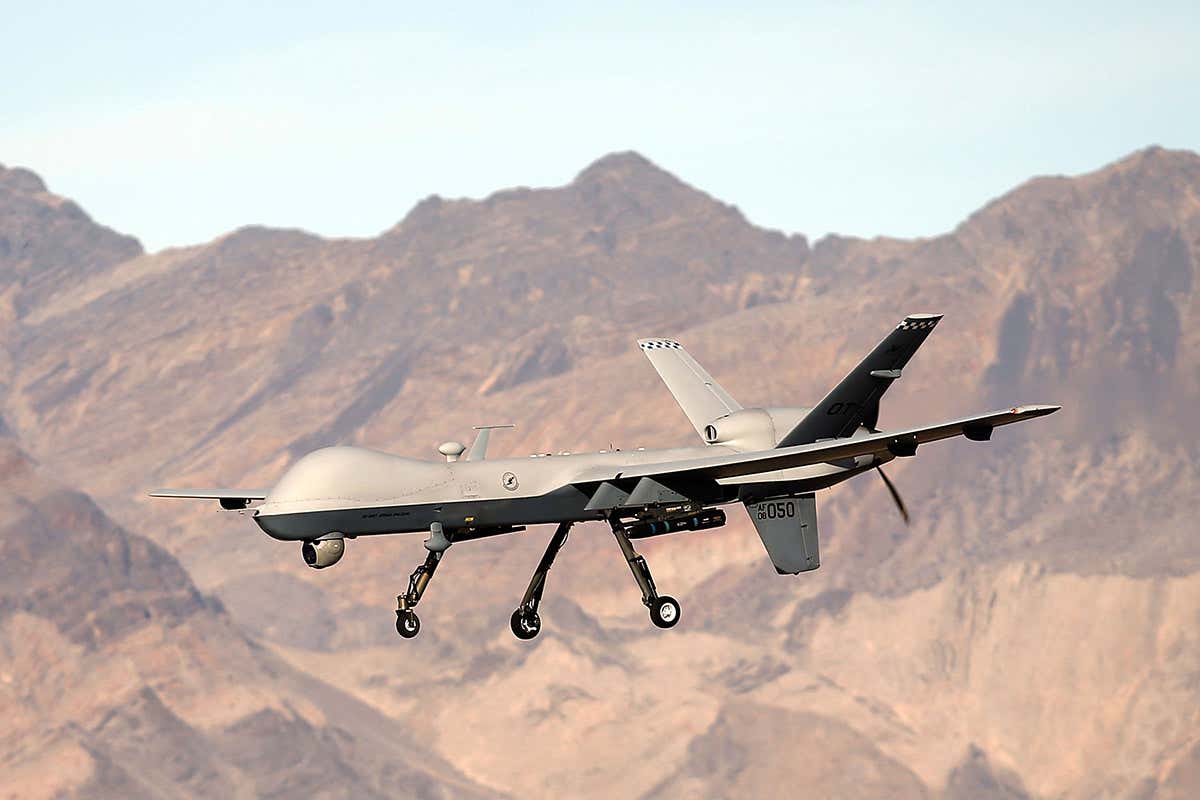
US military face recognition system could work from 1 kilometre away

15 February 2020

The US Special Operations Command is developing a portable face-recognition system designed to identify people 1 kilometre away. It could also be used by law enforcement


Tiny 2-billion-year-old fossil blobs may be the oldest complex cells

Tiny 2-billion-year-old fossil blobs may be the oldest complex cells

15 February 2020

Fossils of single cells found in China are 2 billion years old, making them the oldest eukaryotic cells in the fossil record and possibly our distant relatives


Starlink trails

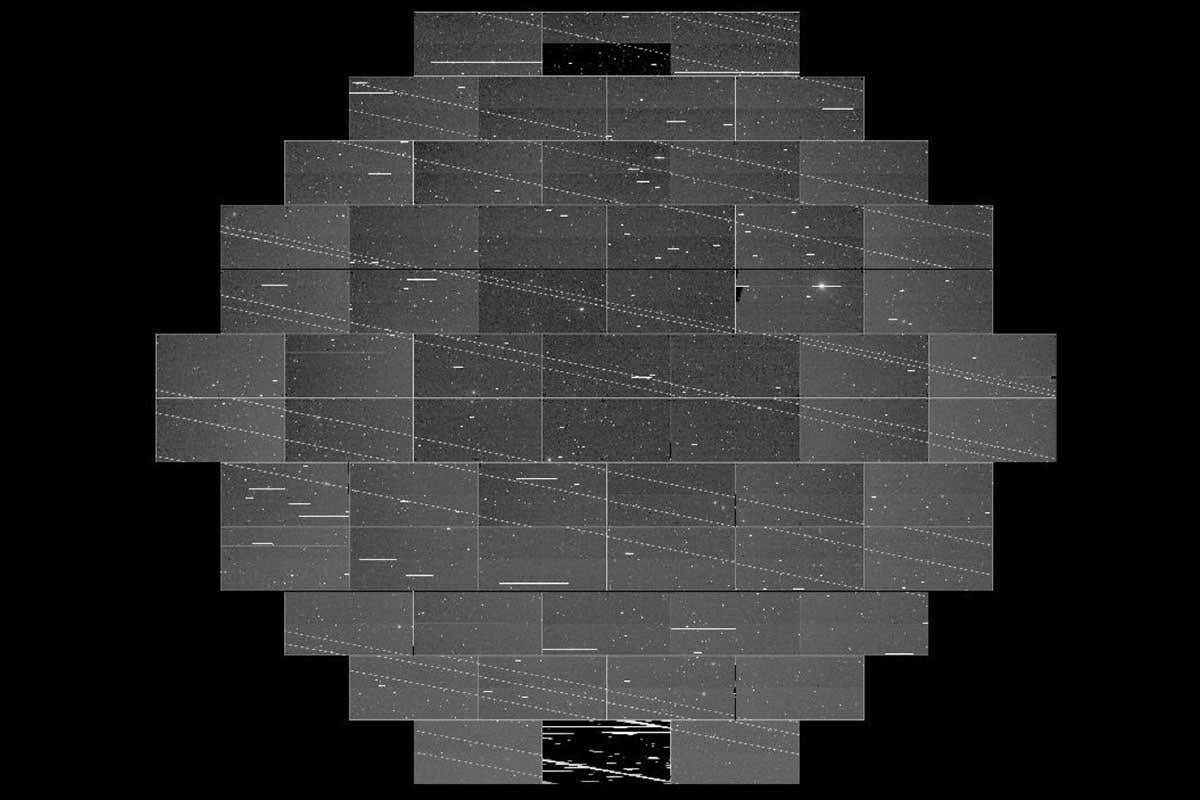
Astronomy group finds Starlink satellites will have 'negative impact'

14 February 2020

The International Astronomical Union has concluded a review of satellite mega constellations such as SpaceX's Starlink satellites and found they will have a major impact on large telescopes, but not naked eye astronomy


Ancient people tried to stop rising seas with spears or fiery boulders

Ancient people tried to stop rising seas with spears or fiery boulders

13 February 2020

When natural global warming raised seas by 120 metres starting around 18,000 years ago, people tried to protect themselves by building walls or rolling fiery boulders into the sea


Sign up to our weekly newsletter

Receive a weekly dose of discovery in your inbox. We'll also keep you up to date with New Scientist events and special offers.

Sign up
Piano Exit Overlay Banner Mobile Piano Exit Overlay Banner Desktop