Subscribe now
Why people become strangely attached to their robot vacuum cleaners

Why people become strangely attached to their robot vacuum cleaners

18 March 2020

Kate Darling researches human-robot interaction. She explains why we are prone to forming emotional connections with robots and what we can learn from our relationships with pets and other animals



How to make noodles: the art and science of manipulating gluten

How to make noodles: the art and science of manipulating gluten

18 March 2020

It's easy and fun to make hand-pulled noodles, especially if you understand how gluten is acting inside the dough to make it stretch y and elastic, says Sam Wong


The stunning east Asian city that dates to the dawn of civilisation

The stunning east Asian city that dates to the dawn of civilisation

18 March 2020

The mysterious Liangzhu civilisation was a neolithic "Venice of the East", rivalling ancient Egypt and Mesopotamia with its engineering marvels


Westworld season 3 review: Five-star TV where nothing is what it seems

Westworld season 3 review: Five-star TV where nothing is what it seems

18 March 2020

Westworld is soon to return with season three. Four episodes in to the impossibly glamorous, highly urbanised future, I can't wait to find out what's going on, writes Emily Wilson


Don't Miss: Sci-fi suburbia, star woman and London Games Festival

Don't Miss: Sci-fi suburbia, star woman and London Games Festival

18 March 2020

This week, watch a sci-fi film set in an infinitely recursive suburbia, read about the woman who cracked star chemistry and catch great new games


‘Bonehenge’: Stone Age structure of mammoth bones discovered in Russia

‘Bonehenge’: Stone Age structure of mammoth bones discovered in Russia

17 March 2020

People living in Russia about 20,000 years ago built a "bonehenge" – a circular structure made of mammoth bones that could have been used to store food


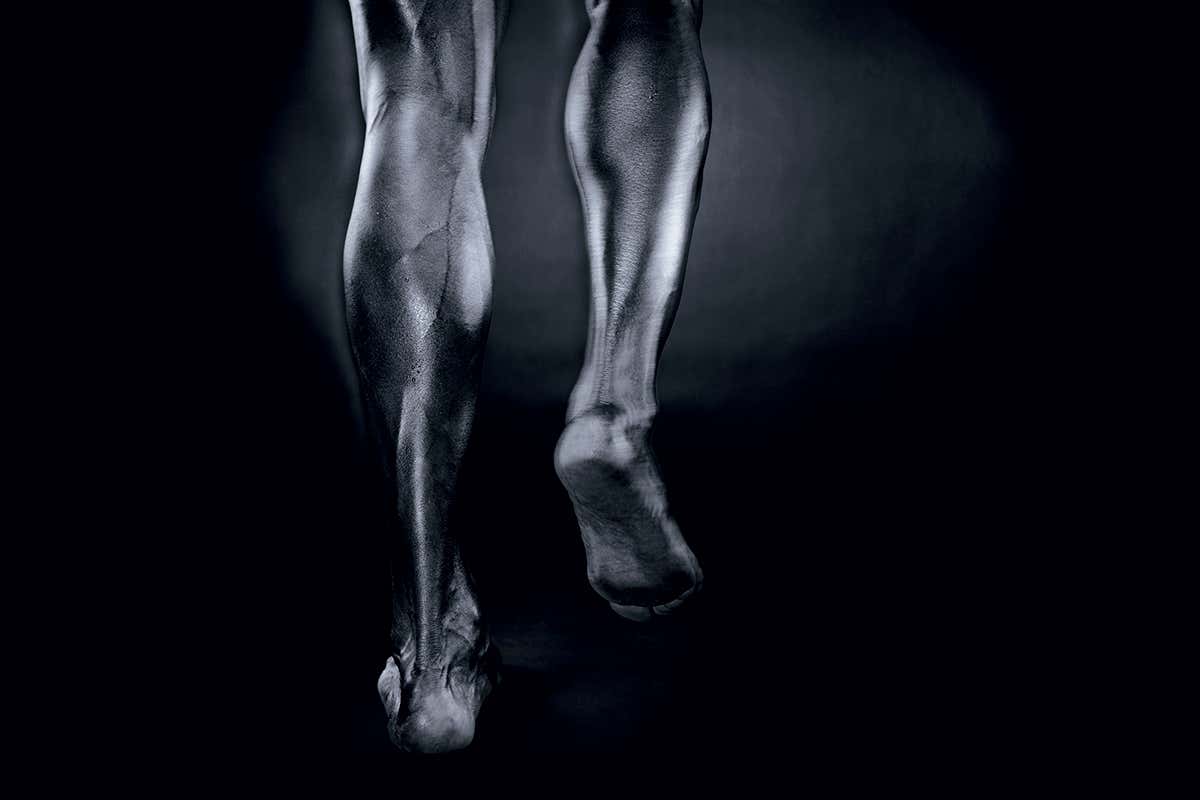
Running legs

Our ancestors may have run a million years earlier than we thought

13 March 2020

We thought hominins evolved to run around 2 million years ago – but a study of the famous Lucy's species, Australopithecus afarensis, suggests she could run too


Sign up to our weekly newsletter

Receive a weekly dose of discovery in your inbox. We'll also keep you up to date with New Scientist events and special offers.

Sign up
Piano Exit Overlay Banner Mobile Piano Exit Overlay Banner Desktop