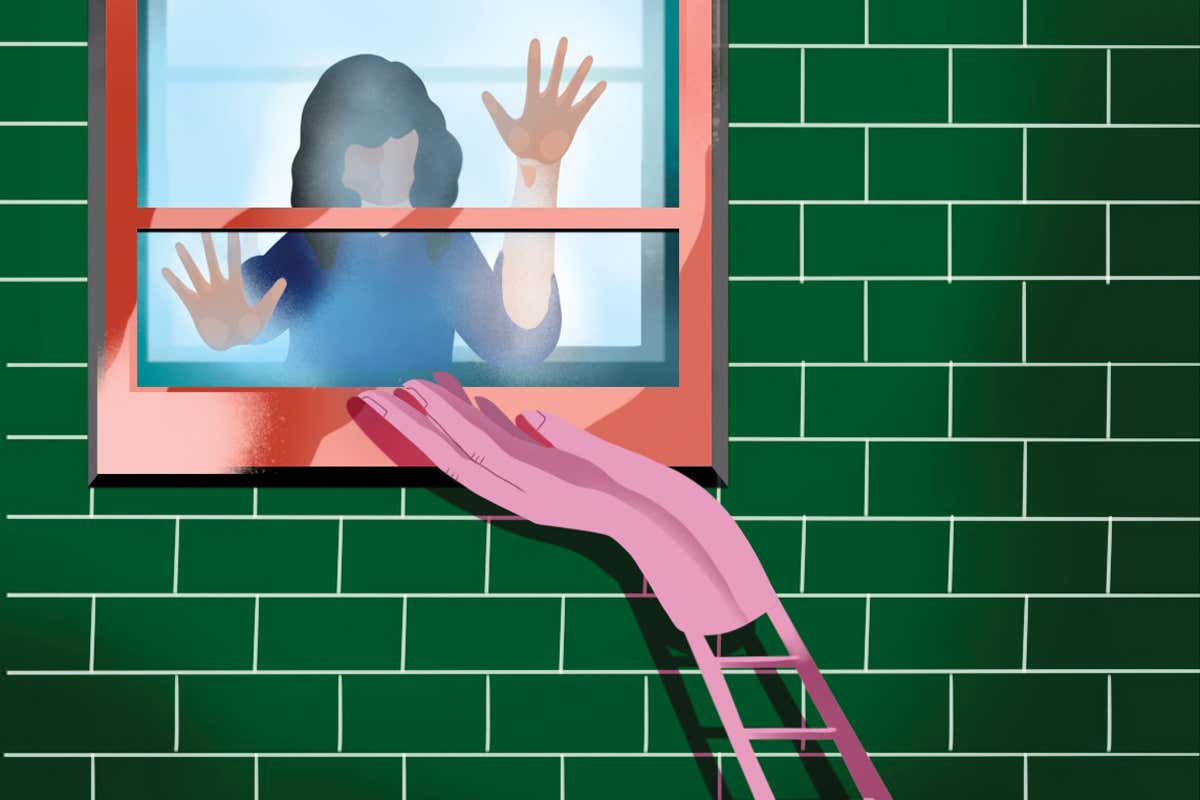
We must act quickly to avoid a pandemic-related mental health crisis
29 April 2020
We are already seeing the pandemic's effects on mental health, and we need to act urgently to avoid a full-blown crisis, says Sam Howells
29 April 2020
We are already seeing the pandemic's effects on mental health, and we need to act urgently to avoid a full-blown crisis, says Sam Howells
29 April 2020
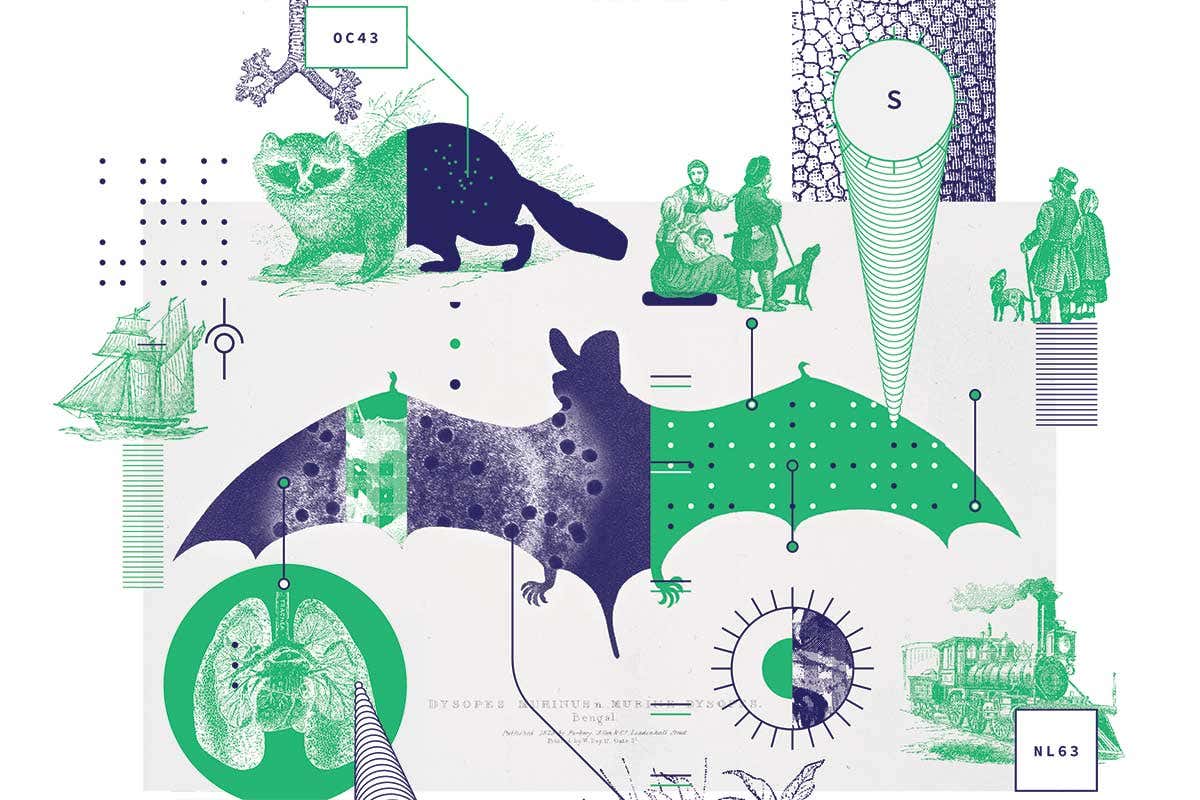
Four coronaviruses cause around a quarter of all common colds, but each was probably deadly when it first made the leap to humans. We can learn a lot from what happened next
28 April 2020
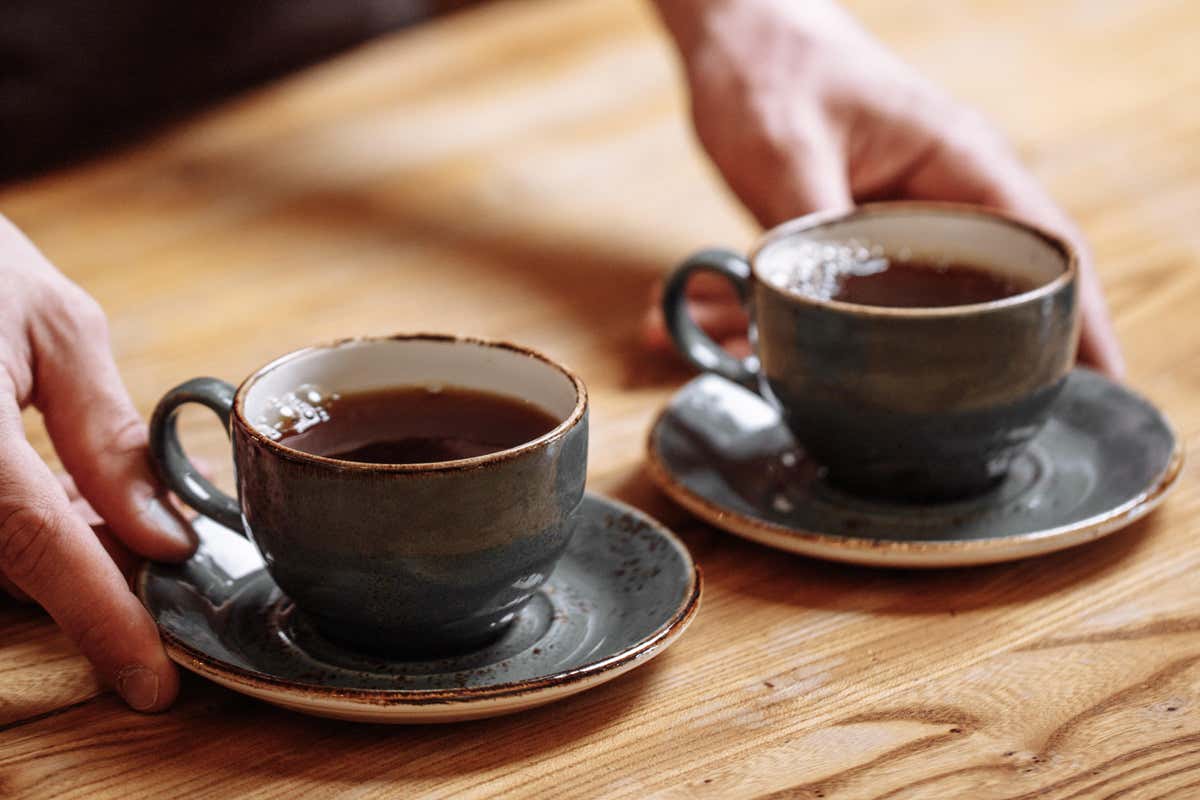
Coffee has been linked to changes on our DNA that affect how active certain genes are. The finding may help explain some of coffee's touted health benefits
27 April 2020
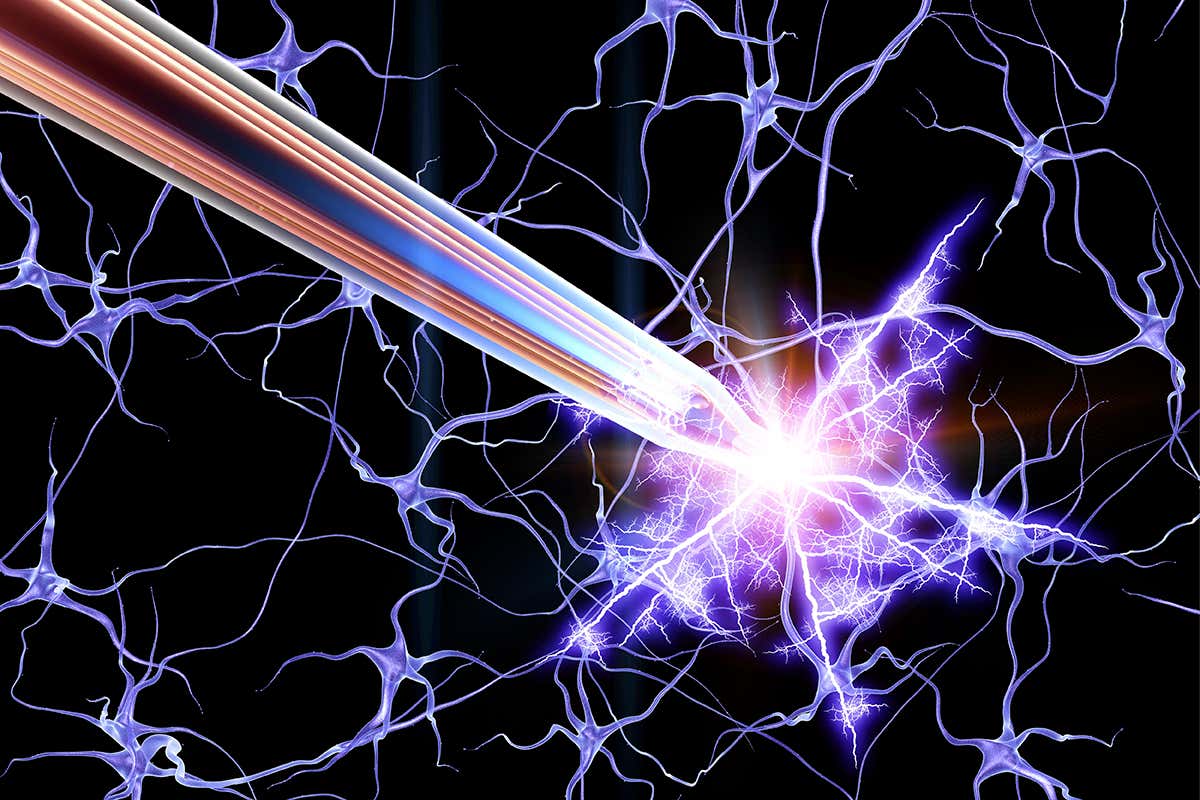
In a small trial, implanting electrodes into the brain helped women with severe anorexia gain weight and feel less anxious and depressed
24 April 2020
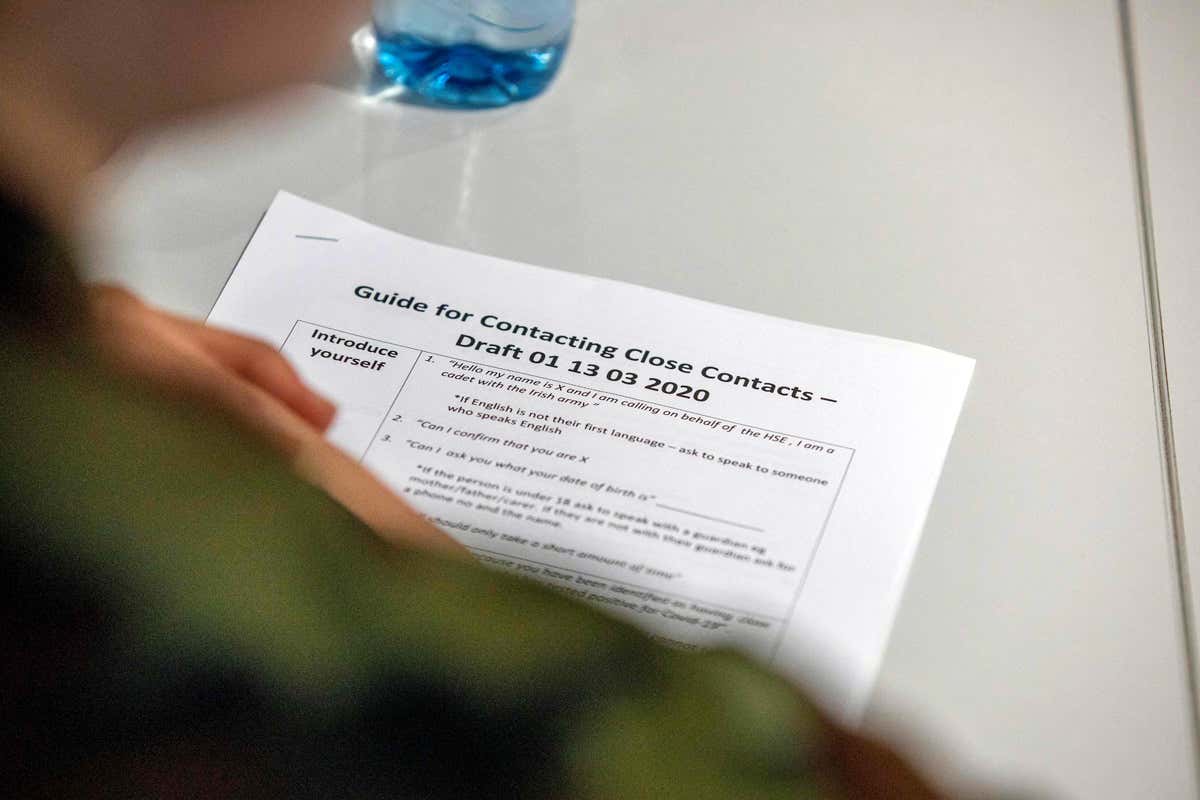
Covid-19 contact tracers are part healthcare worker, part detective and part call centre operative. But what is the job really like? New Scientist spoke to one in Ireland to find out
23 April 2020
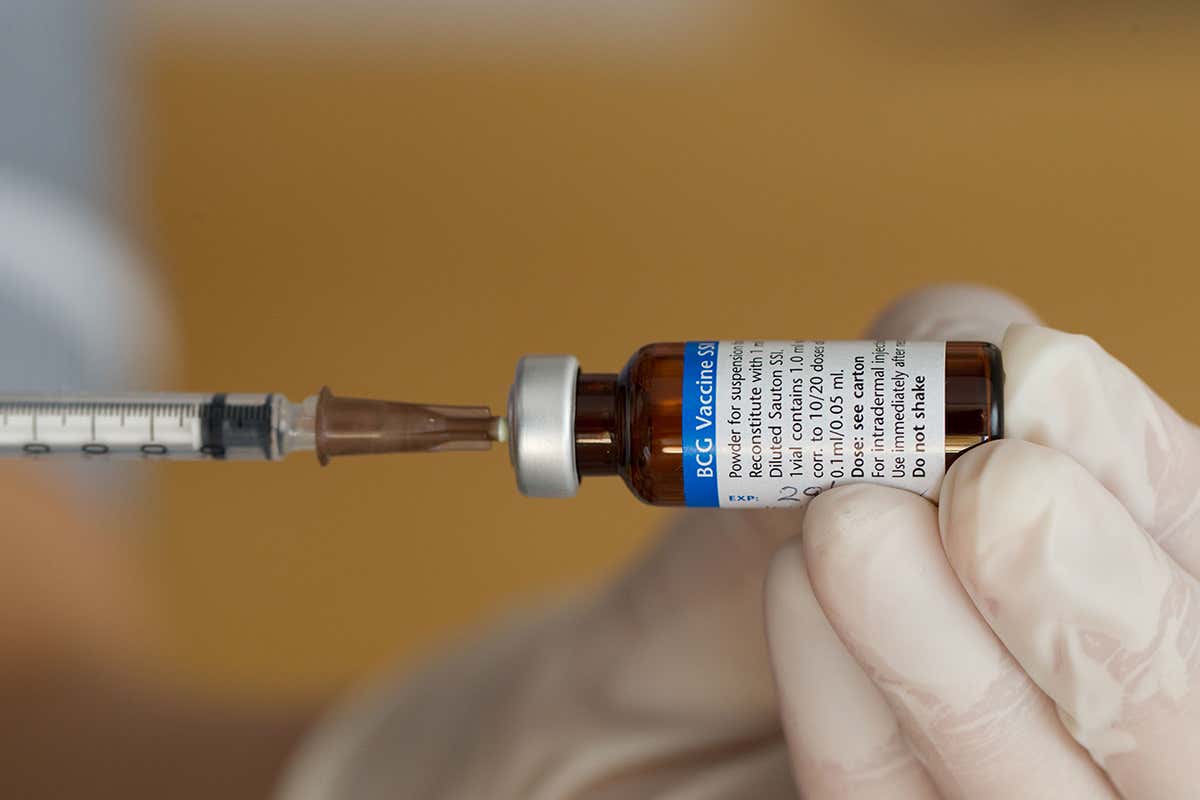
A long-standing hypothesis suggests the BCG vaccine also serves to generally enhance the immune system, meaning it could protect against covid-19, and trials are under way to find out
23 April 2020
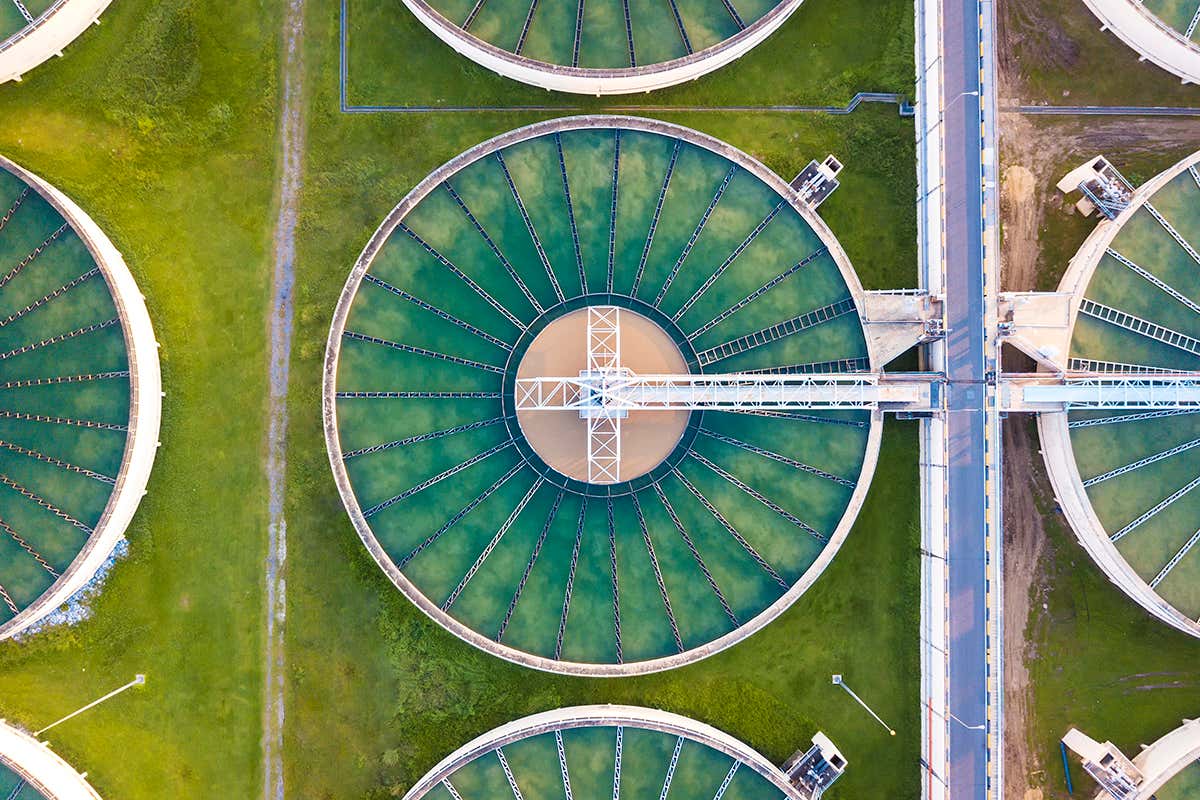
We need to scale up testing efforts to tackle the coronavirus pandemic, and looking for signs of virus RNA in our sewage could provide a shortcut
22 April 2020
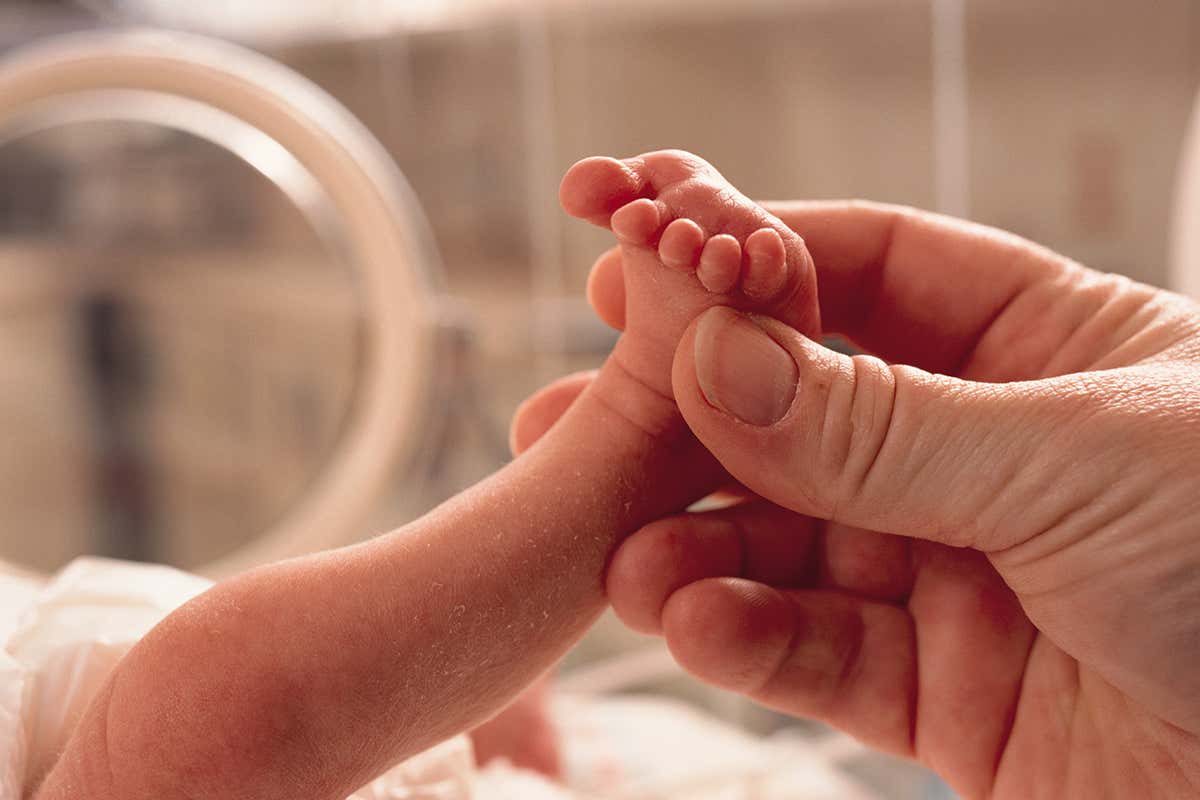
People born prematurely may have weaker hearts that recover less well after exercise, potentially explaining their increased risk of heart disease
