
How covid-19 could become as mild as a common cold
21 January 2021
As the new coronavirus evolves, it could follow the same path as other coronaviruses we live with already, becoming far less deadly in the future
21 January 2021
As the new coronavirus evolves, it could follow the same path as other coronaviruses we live with already, becoming far less deadly in the future
21 January 2021
Challenge your brain by solving New Scientist's weekly crosswords on your mobile, tablet or desktop
20 January 2021
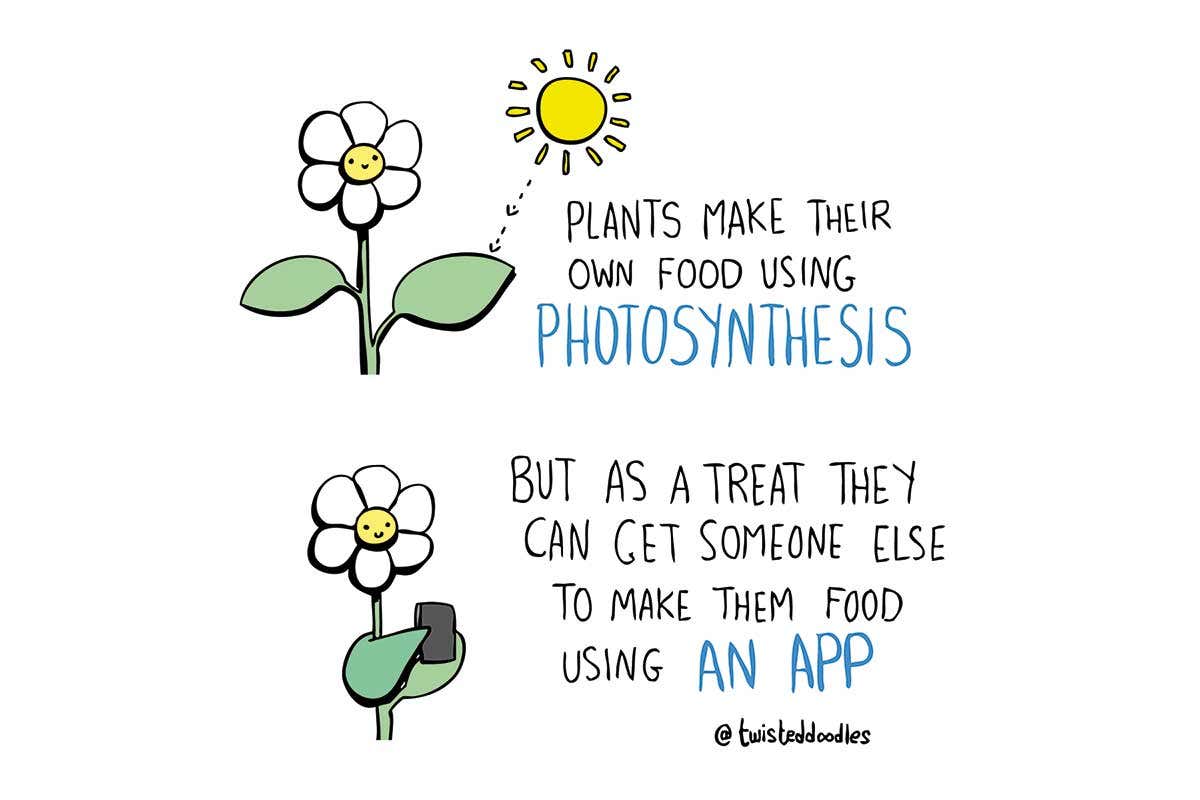
This week's cartoon from Twisteddoodles

20 January 2021
We are still working out what new coronavirus variants will mean for us. As we adapt, there is one thing we know for certain: the only way to stop the virus evolving is to stop it from spreading
20 January 2021
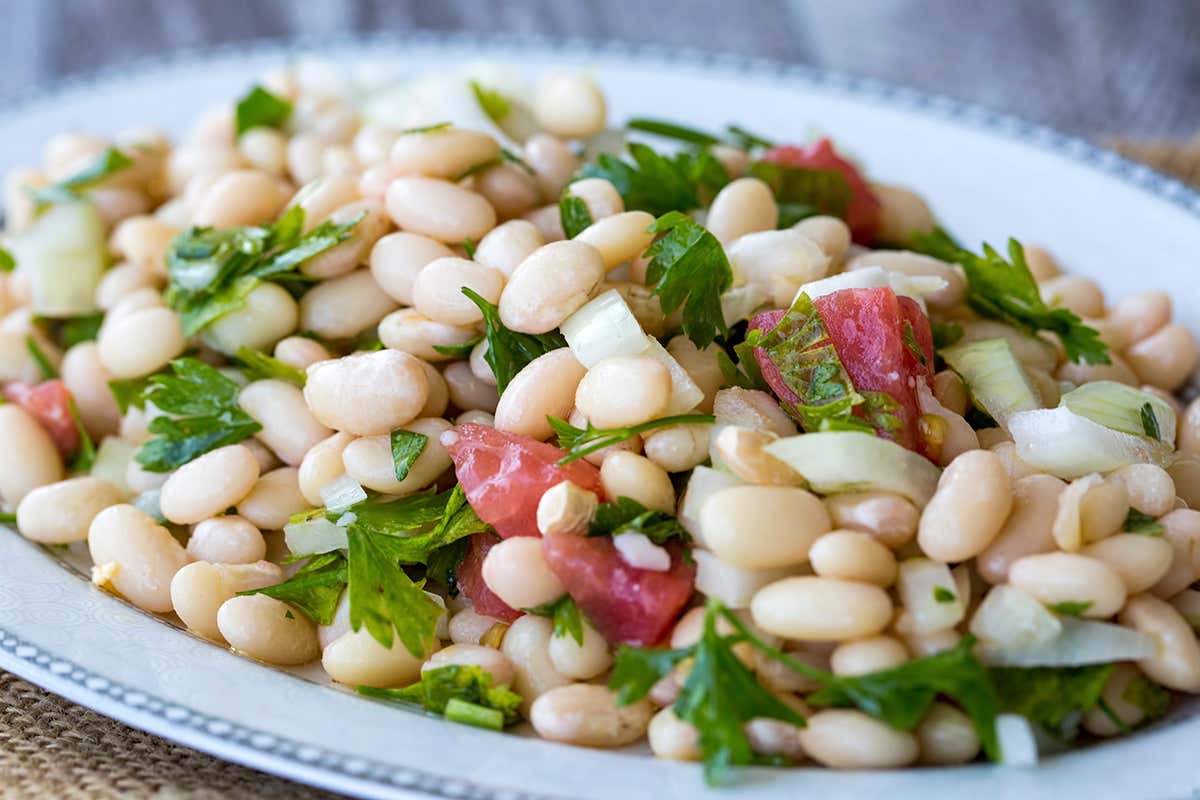
Beans are a fabulous and tasty source of protein if you want to cut back on meat. But you need to know how to break down their structural polymers to get the best flavour

20 January 2021
Big tech firms have enabled the US’s current mess – the time has come for them to acknowledge that they are key to our political process and repair the things they have broken, writes Annalee Newitz
20 January 2021
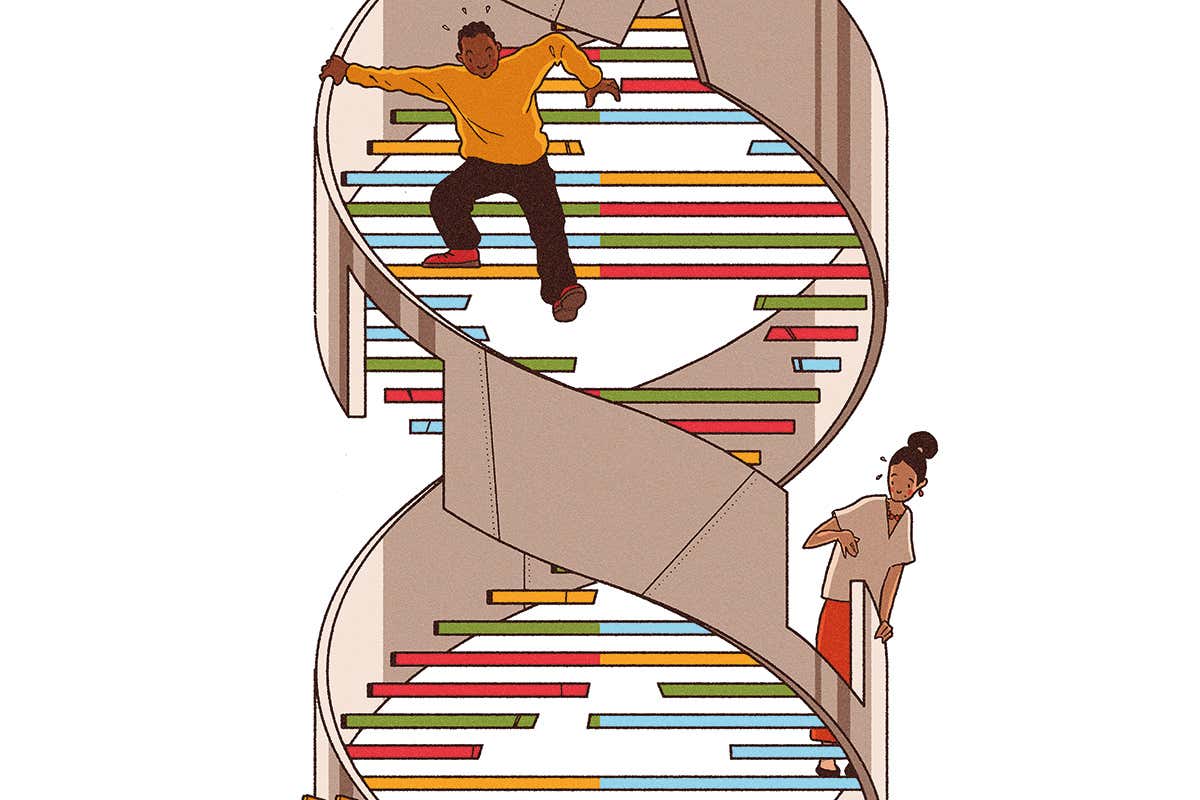
Lack of diversity in genome studies means that treatments derived from them are leaving people of colour behind. Changing that isn’t only about justice – it could also lead to new therapies that would otherwise go undiscovered
20 January 2021
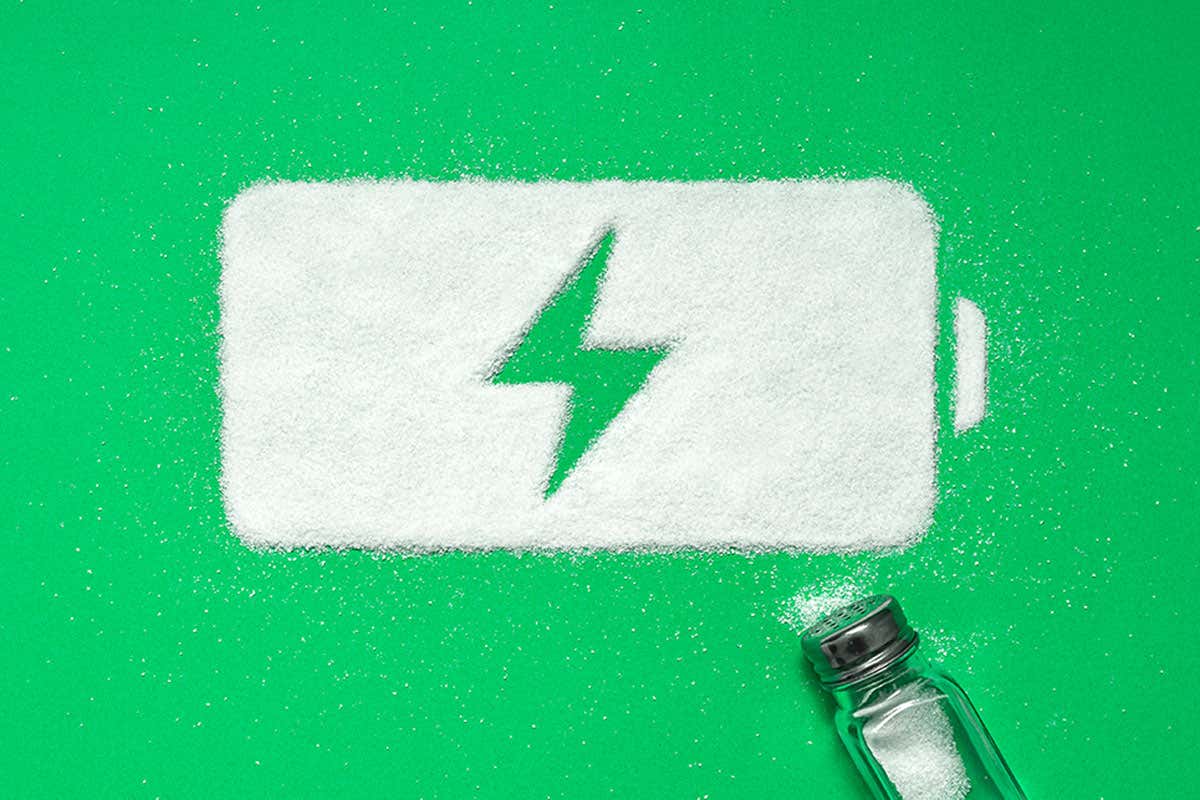
Lithium-ion batteries power the world, but with lithium running low, we desperately need a viable alternative. Here’s why common salt may be our best bet
20 January 2021
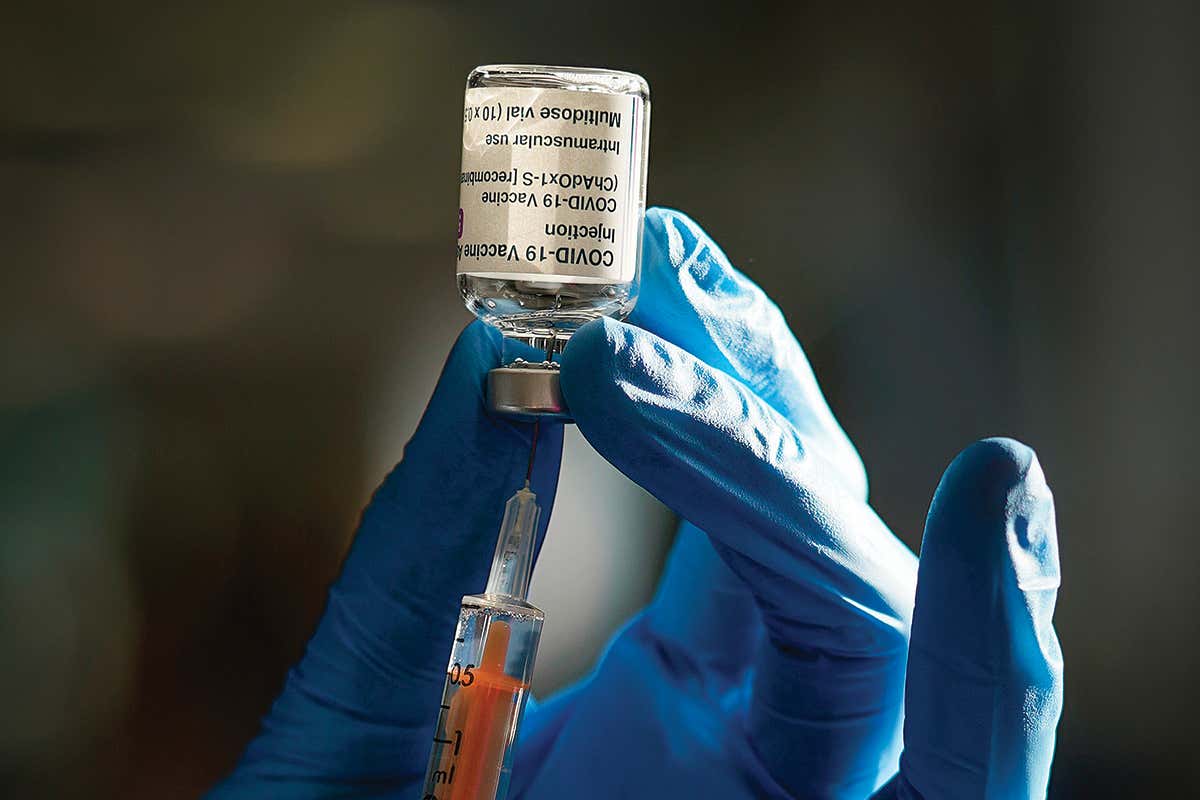
More transmissible coronavirus variants, coupled with questions about whether the vaccines prevent transmission, means it might be impossible to wipe out covid-19

20 January 2021
Stress levels of burned-out parents can be higher than those of people in extreme pain, according to research by Moira Mikolajczak. She tells New Scientist why the pandemic has brought new urgency to her work
