Subscribe now
What could we do for the climate and health if money were no object?

What could we do for the climate and health if money were no object?

24 February 2021

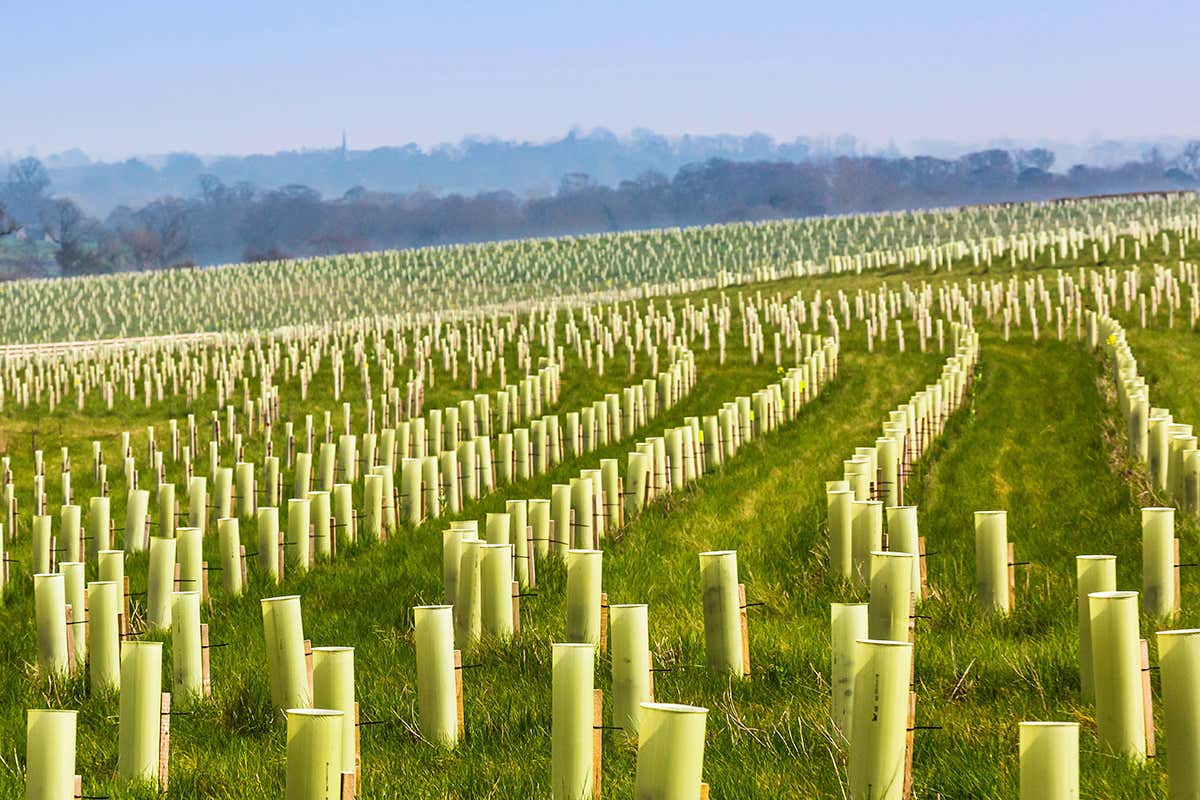
The technology exists to solve the world’s biggest problems, but lack of money and political will stymie progress. Analyses show that even huge investments pay for themselves, so the task is to get politicians to make change happen

The rise and fall of the mysterious culture that invented civilisation

The rise and fall of the mysterious culture that invented civilisation

24 February 2021

Proto-cities built from 6200 years ago in eastern Europe upend our ideas about when civilisation began and why people made the move from rural to urban living


How to spend a trillion dollars to fix climate change and end poverty

How to spend a trillion dollars to fix climate change and end poverty

24 February 2021

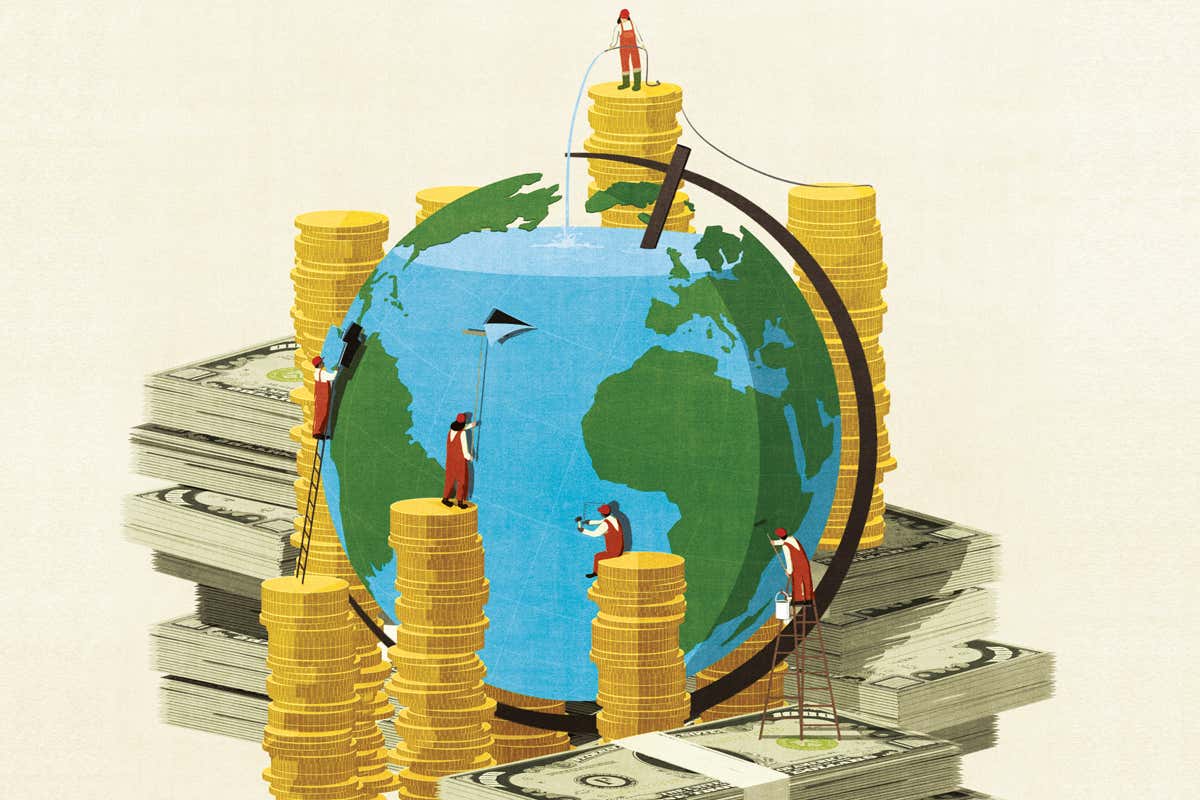
Let’s imagine you have inherited a fortune and want to solve the world’s most pressing problems. Here’s the best way to spend your money to make a difference to climate change, disease and poverty


Don't Miss: Kazuo Ishiguro's new novel about AIs and love

Don't Miss: Kazuo Ishiguro's new novel about AIs and love

24 February 2021

New Scientist's weekly round-up of the best books, films, TV series, games and more that you shouldn't miss


Why insulting people's intelligence is incompatible with open debate

Why insulting people's intelligence is incompatible with open debate

24 February 2021

We too often turn to insulting people’s brain power – and that closes off our ability to understand others, argues Melanie Challenger


rock art

Australia's oldest known rock art is a 17,000-year-old kangaroo

22 February 2021

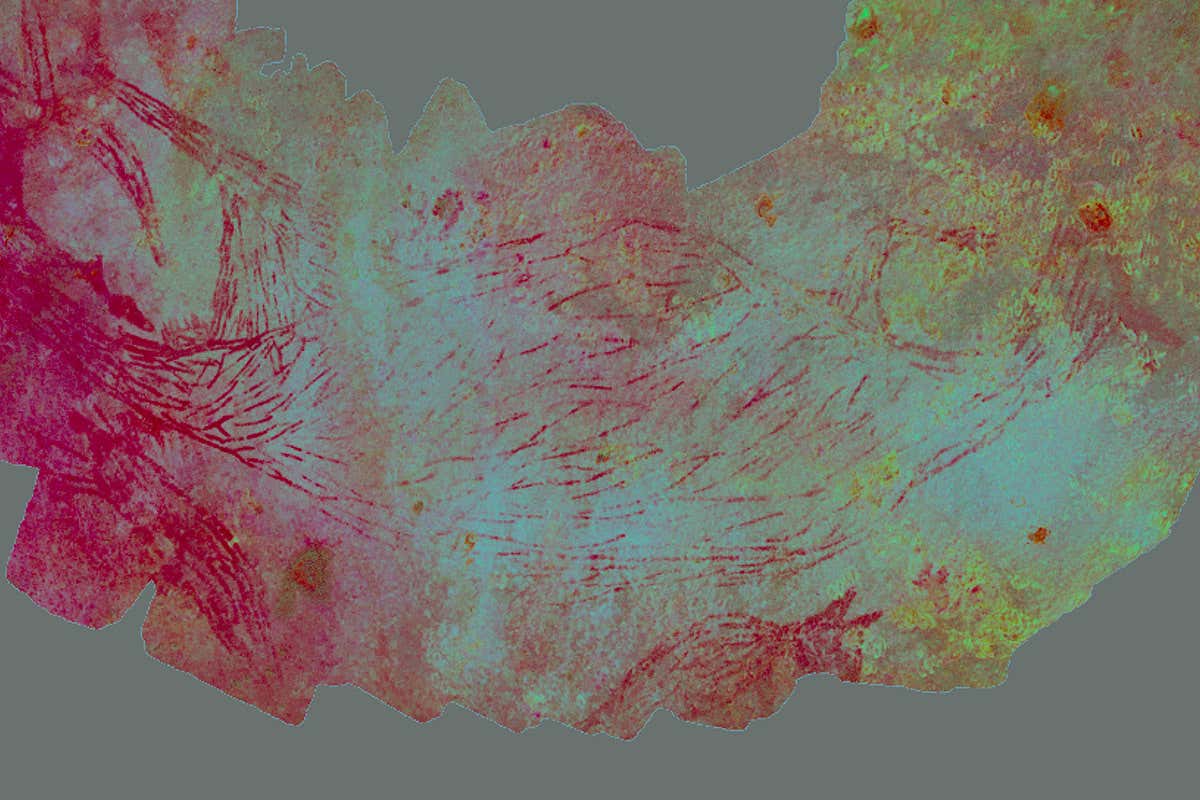
A large, life-like painting of a kangaroo on the ceiling of a rock shelter is the oldest known painting in Australia, and was dated using ancient wasp nests


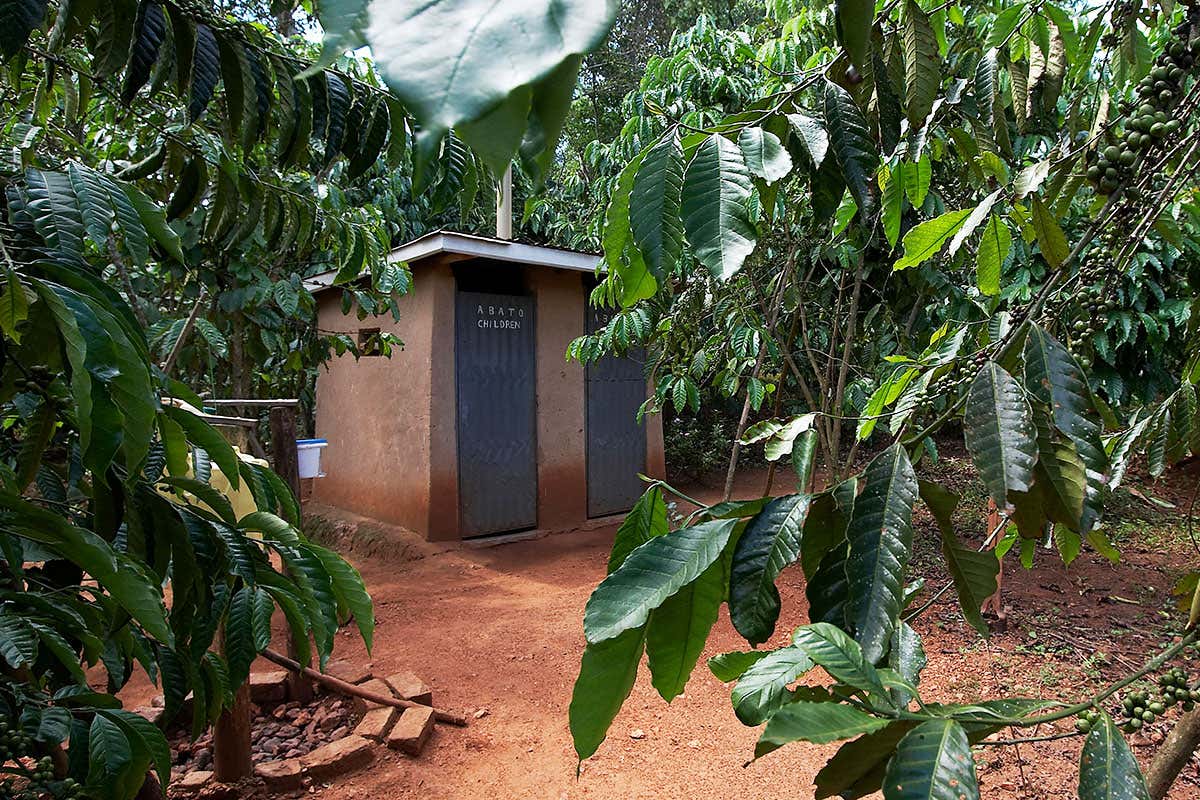
A pit latrine toilet in Kayunga District, Uganda

Soil safely filters 38 million tonnes of human waste each year

19 February 2021

With some types of sanitation, such as pit latrines, human waste can be filtered through soil. Across the world around 38 million tonnes of human waste is sanitised this way – the equivalent of around £3.2 billion of commercial water treatment


Sign up to our weekly newsletter

Receive a weekly dose of discovery in your inbox. We'll also keep you up to date with New Scientist events and special offers.

Sign up
Piano Exit Overlay Banner Mobile Piano Exit Overlay Banner Desktop