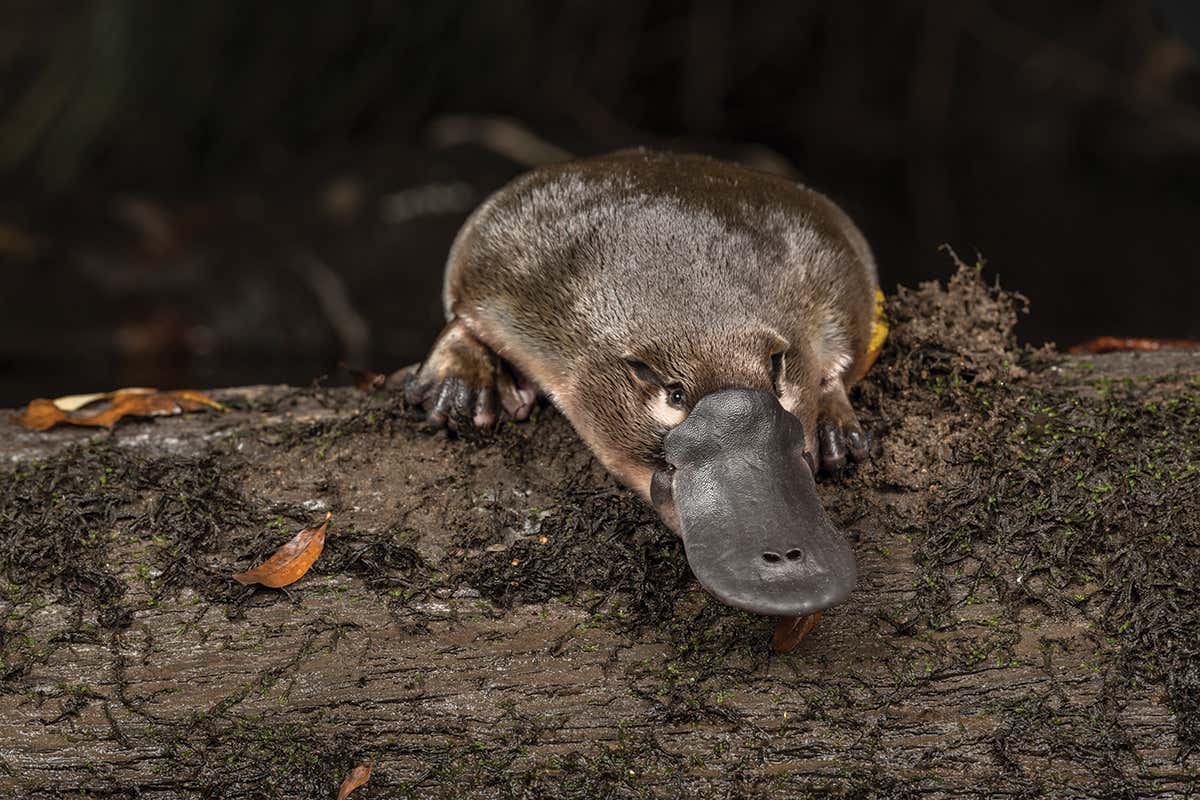
The platypus: What nature’s weirdest mammal says about our origins
5 May 2021
Platypuses glow in UV light, produce venom and lay eggs. Yet despite their oddities, their newly sequenced genome illuminates the evolution of mammals
5 May 2021
Platypuses glow in UV light, produce venom and lay eggs. Yet despite their oddities, their newly sequenced genome illuminates the evolution of mammals
5 May 2021
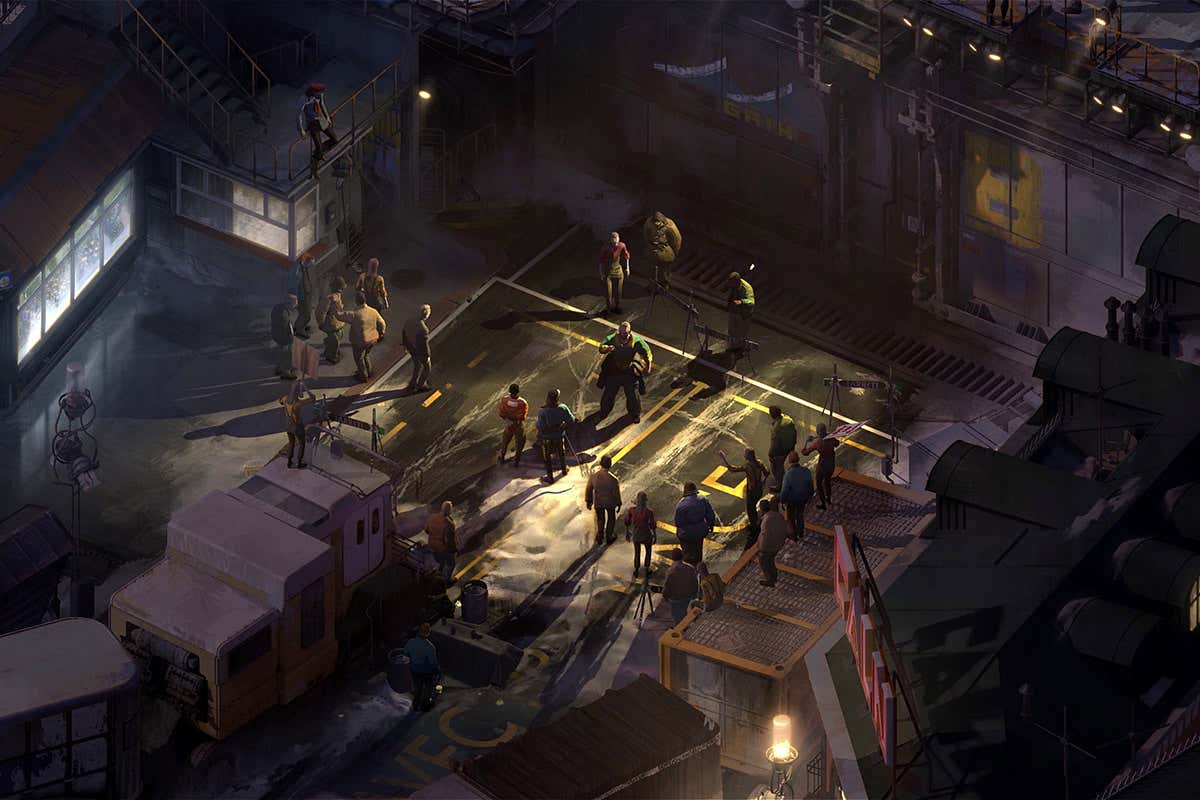
In Disco Elysium, you play a detective solving a murder, but forging a new identity and learning not to be afraid of making odd choices is the game's real purpose, says Jacob Aron

5 May 2021
New Scientist's weekly round-up of the best books, films, TV series, games and more that you shouldn't miss
5 May 2021
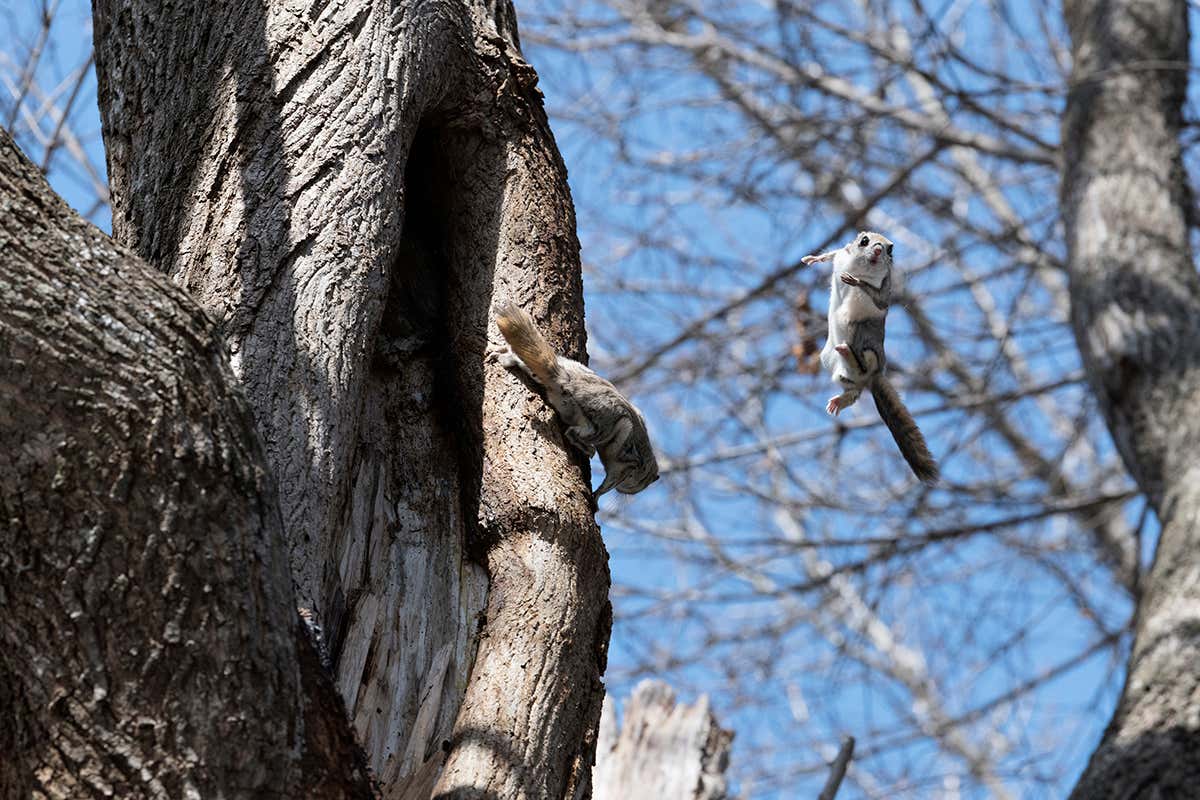
This amazing shot of an elusive Siberian flying squirrel as it body slams a rival in its Hokkaido habitat during mating season was taken by photographer Tony Wu
5 May 2021
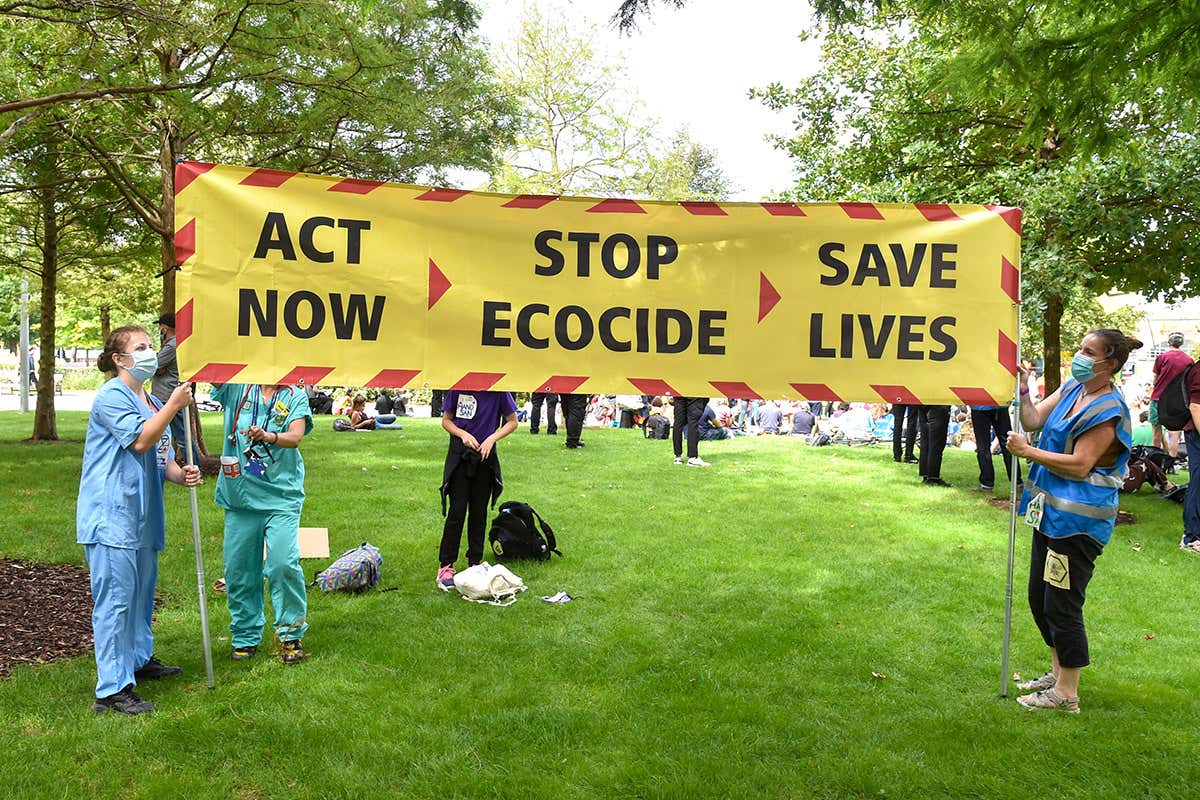
There have long been calls for international laws to make environmental destruction, or ecocide, a crime. Now that movement may have a chance, writes Graham Lawton

5 May 2021
There are many methane-producing microbes that live under glaciers and we still have much to learn about their climate impact, says Jemma Wadham

5 May 2021
Harassment and discrimination based on gender, age and ethnicity continue to be major issues in the workplace that affect a significant proportion of STEM industry workers, according to the 2021 New Scientist Jobs/SRG survey. Gege Li reports
5 May 2021
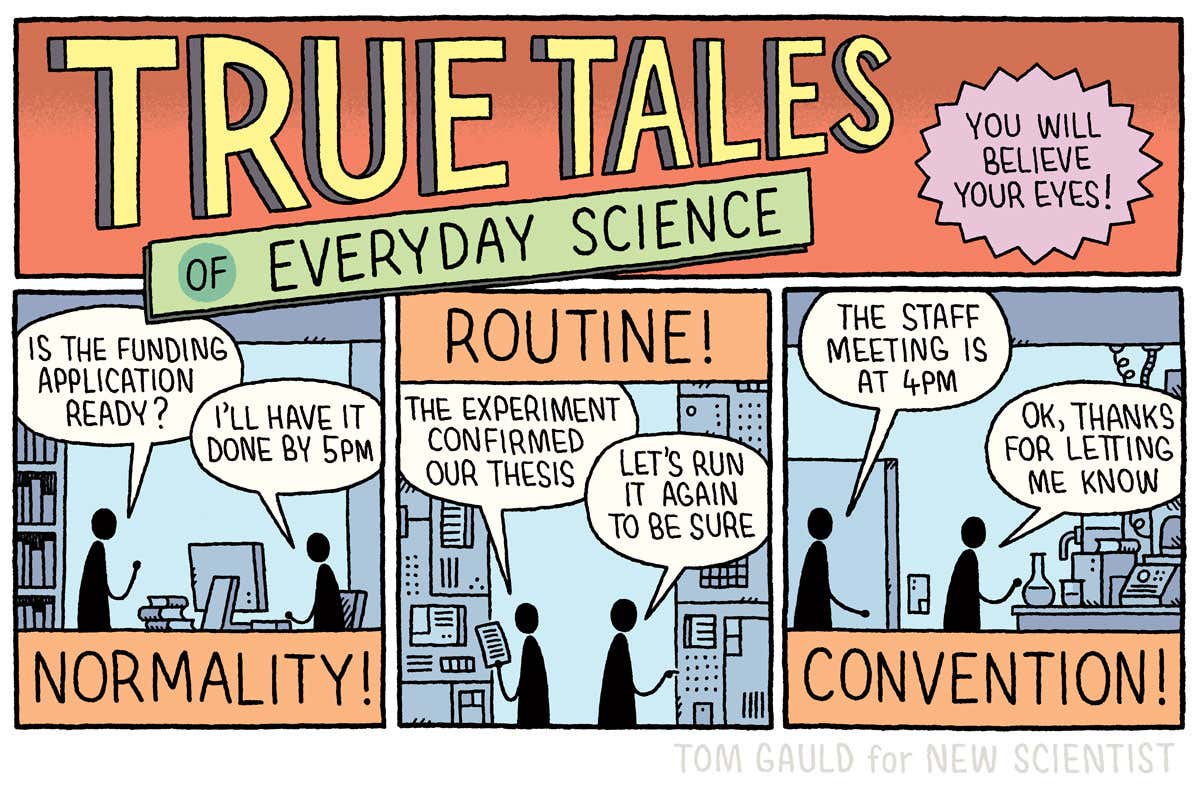
Tom Gauld's weekly cartoon

5 May 2021
This week's cartoon from Twisteddoodles
5 May 2021
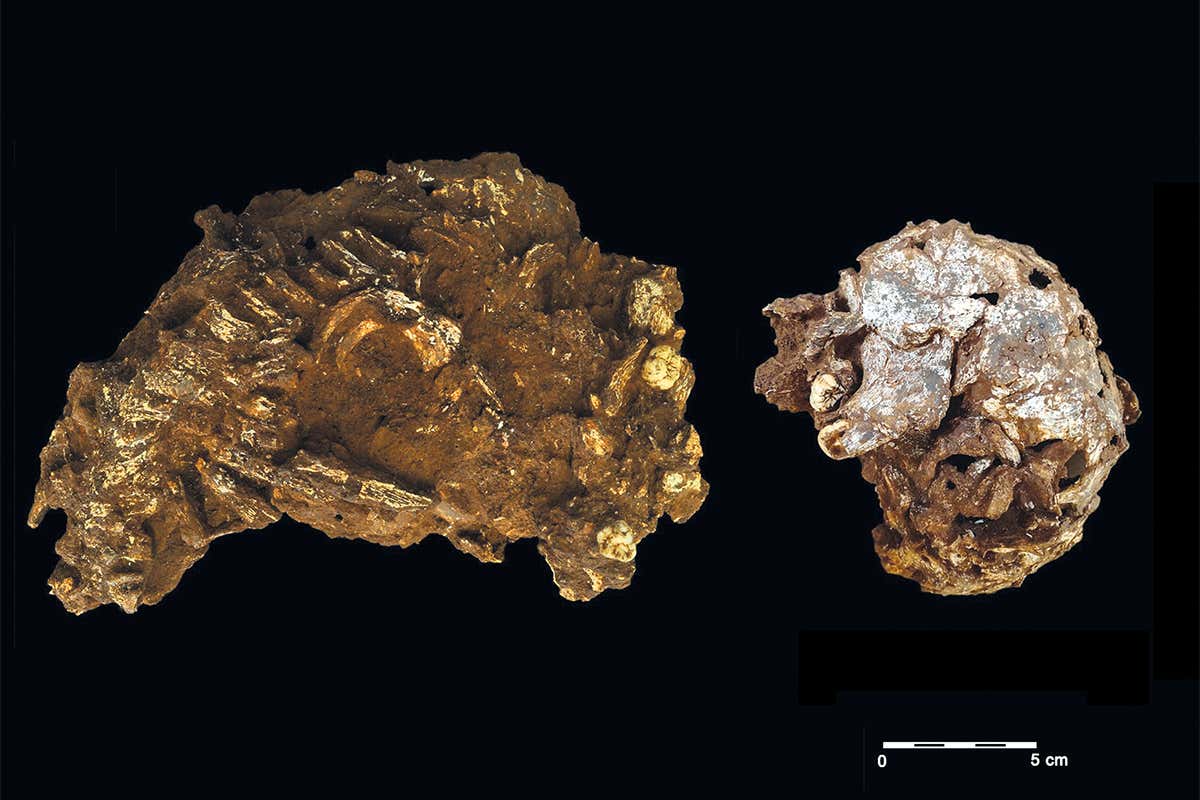
The oldest known burial in Africa is of a 3-year-old child who died around 78,000 years ago, shedding light on how people in the region cared for their dead at that time
