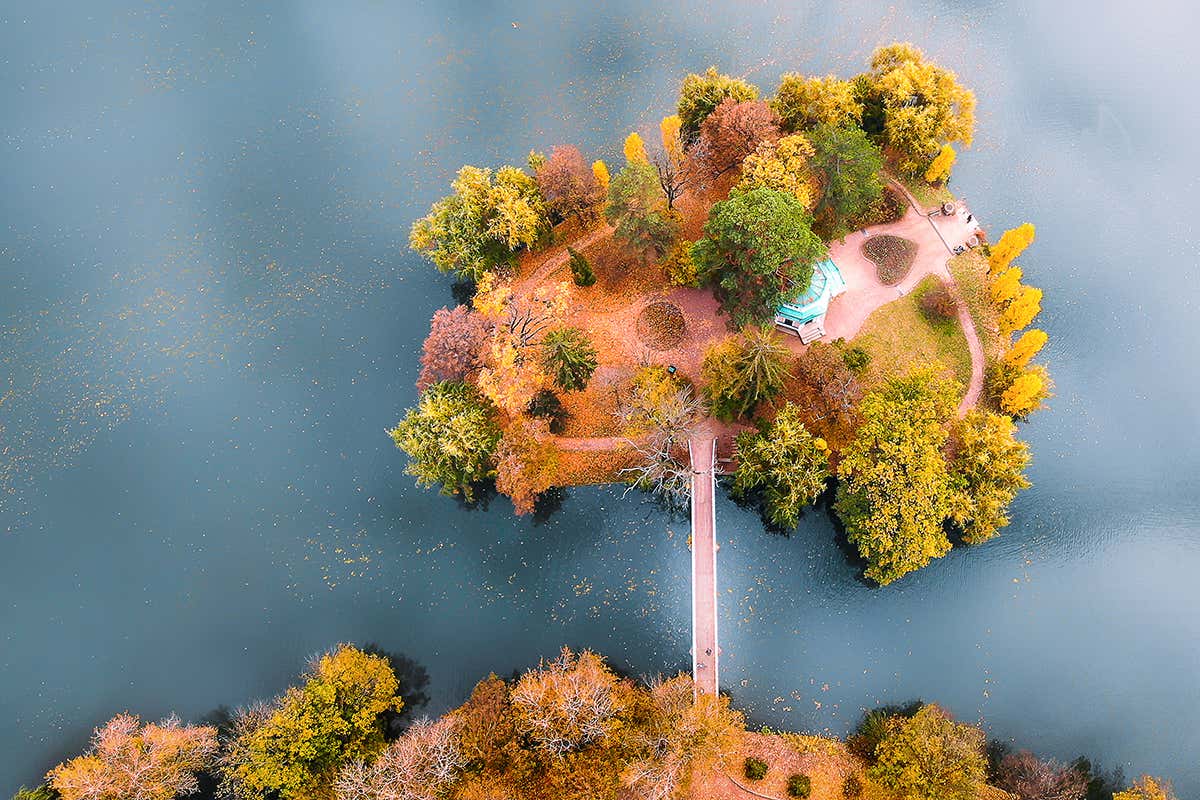
Magical image of ‘tree island’ shortlisted for major photo prize
24 June 2021
This aerial image showing part of Sofiyivsky Park in Ukraine is among the shortlisted entries for the Earth Photo 2021 competition
24 June 2021
This aerial image showing part of Sofiyivsky Park in Ukraine is among the shortlisted entries for the Earth Photo 2021 competition
24 June 2021
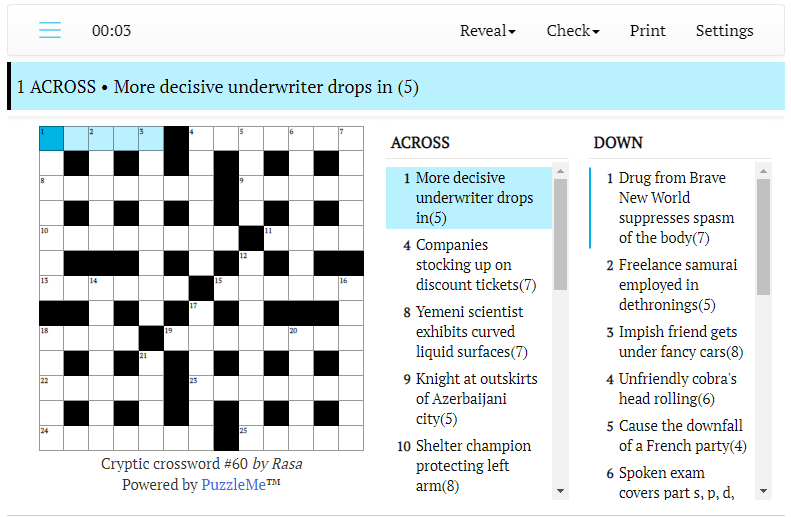
Challenge your brain by solving New Scientist's weekly crosswords on your mobile, tablet or desktop
23 June 2021
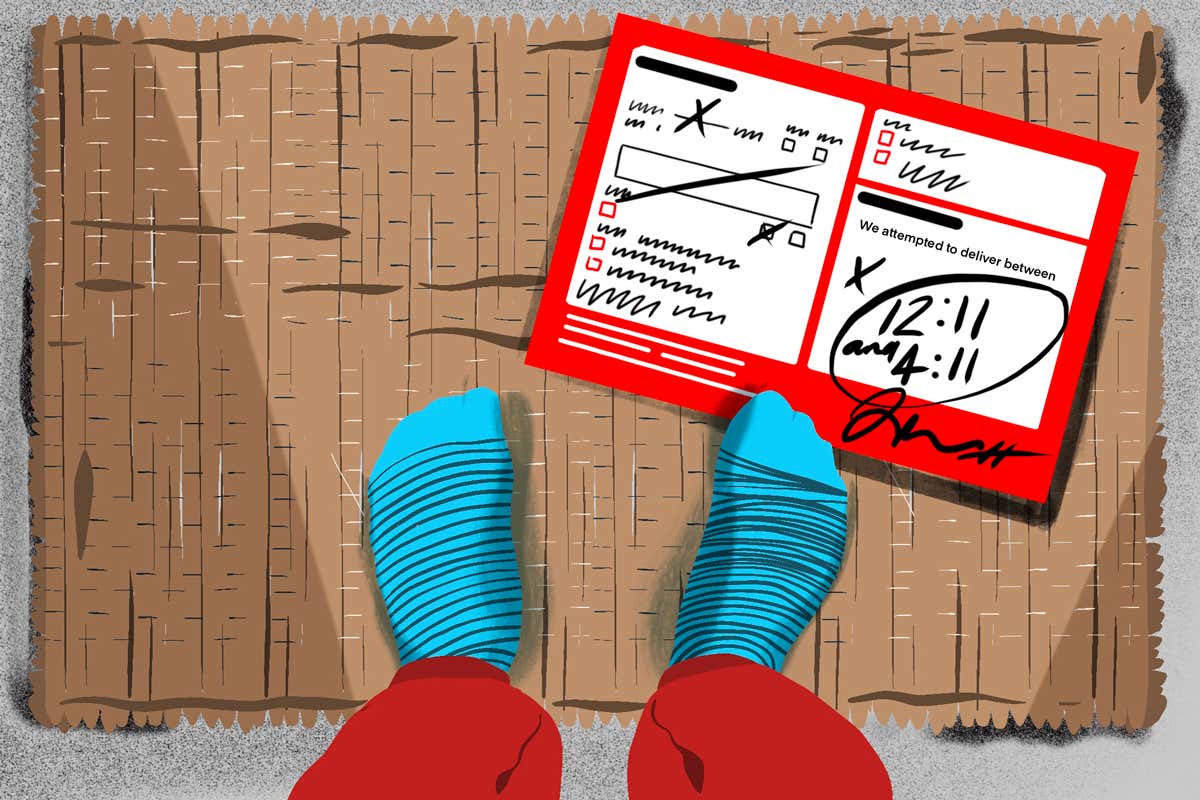
The quantum physics of parcels, plus catering to the time traveller market and more inappropriate measurement comparisons, in Feedback’s weird weekly round-up
23 June 2021
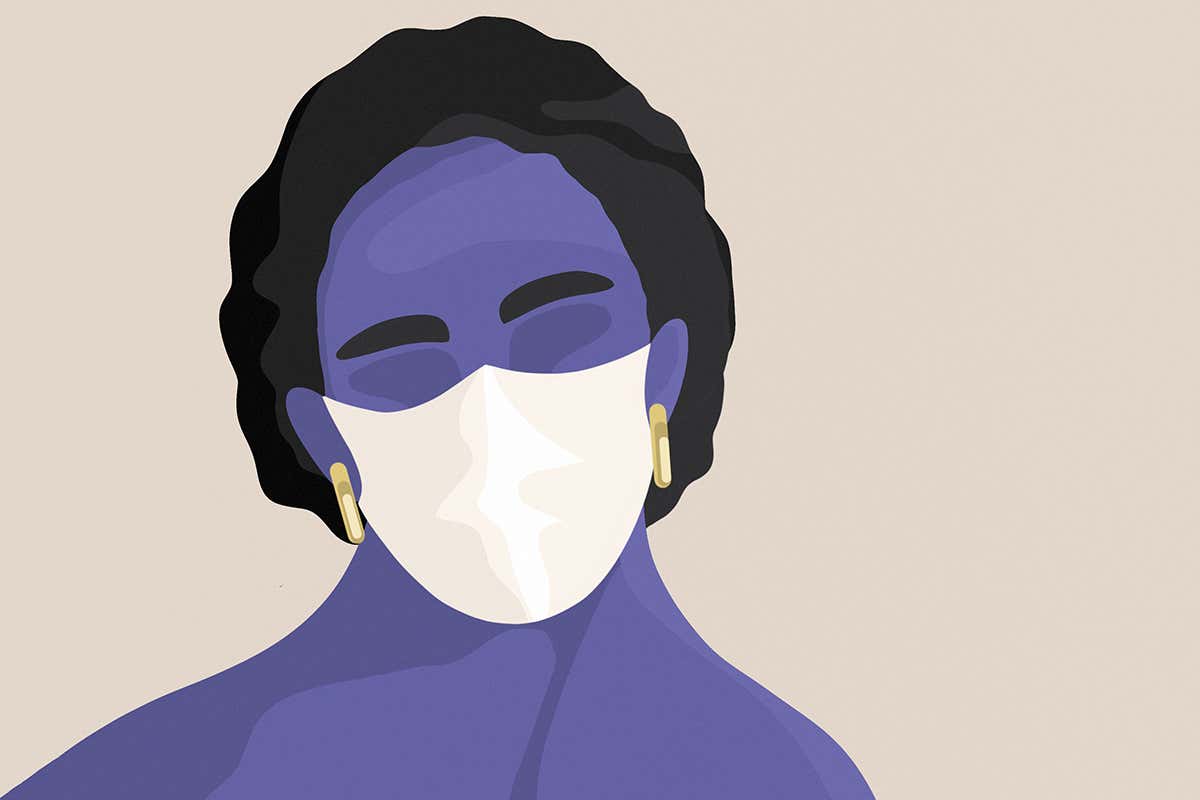
Long covid is strange and mysterious in part because of a lack of investment in researching post-viral syndromes like chronic fatigue syndrome – it is time to change that
23 June 2021
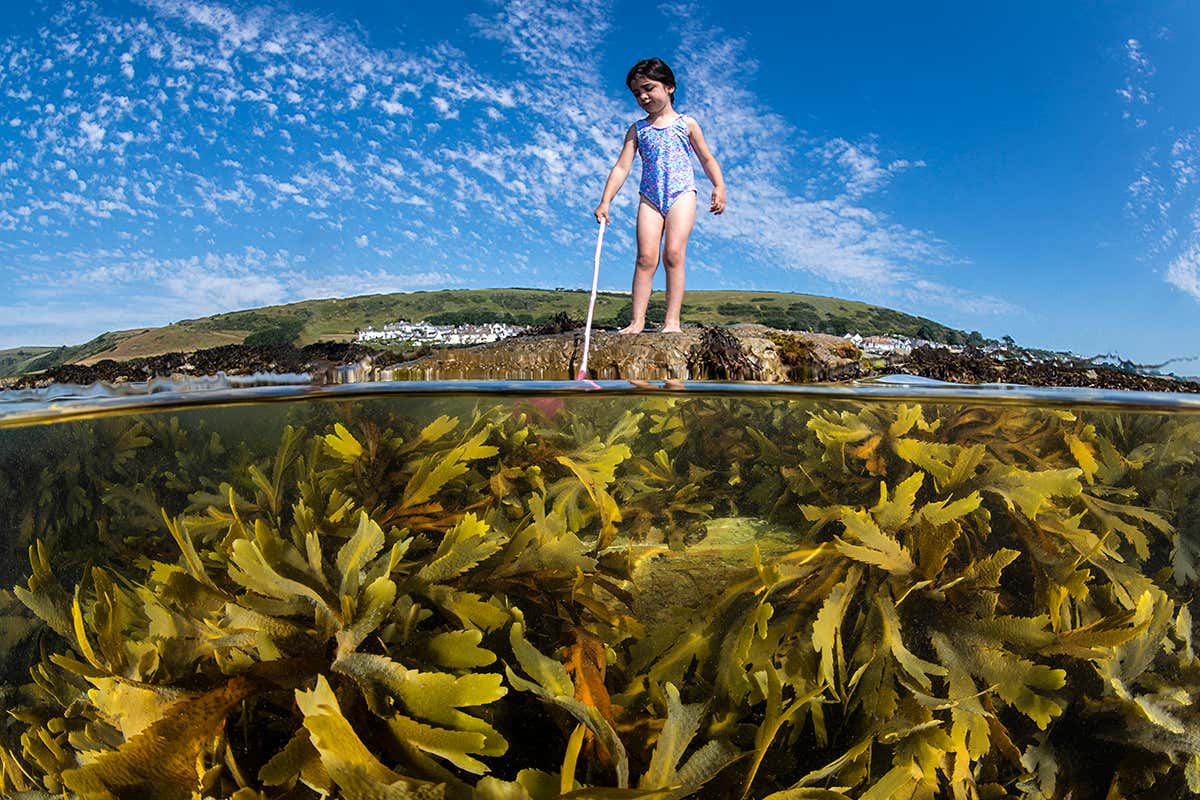
Seaweed can reveal a lot about marine ecosystems. Take part in the Big Seaweed Search to help researchers discover how climate change is impacting UK sea life
23 June 2021
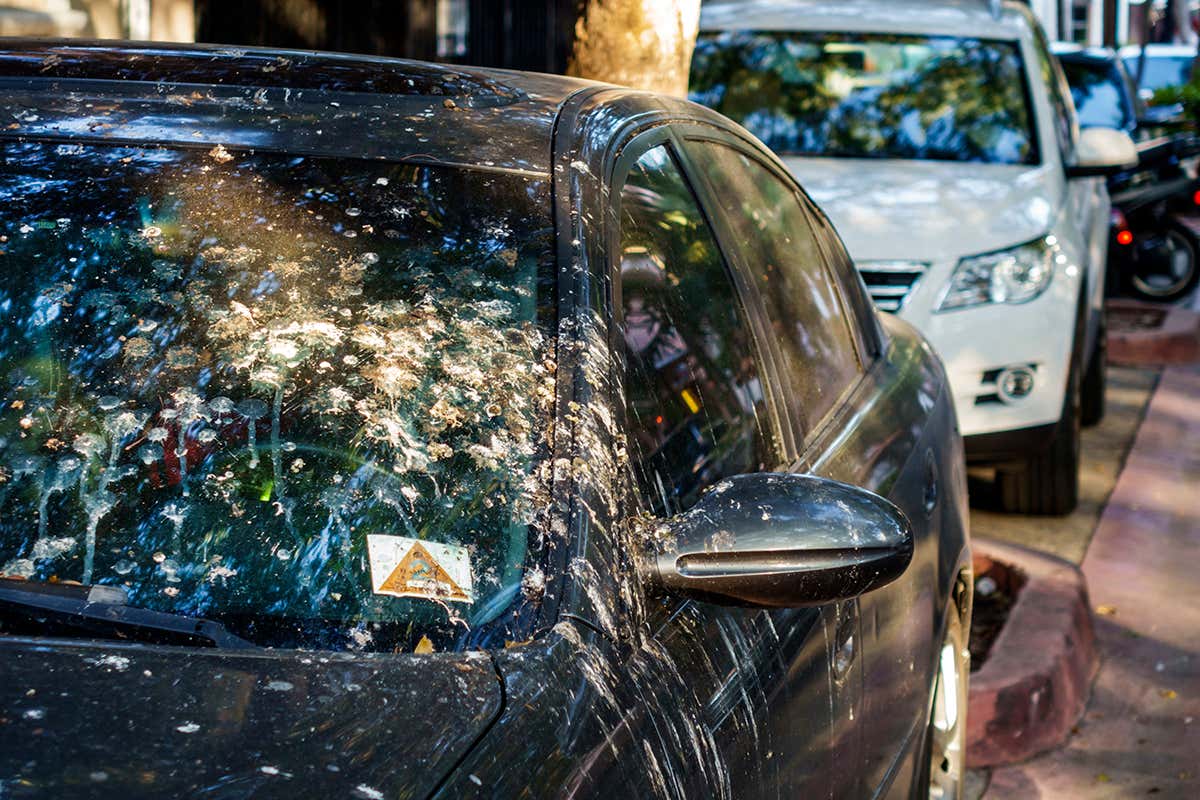
What is the smallest number with no interesting properties? And why are bird droppings mostly white, considering all the things they eat?
23 June 2021
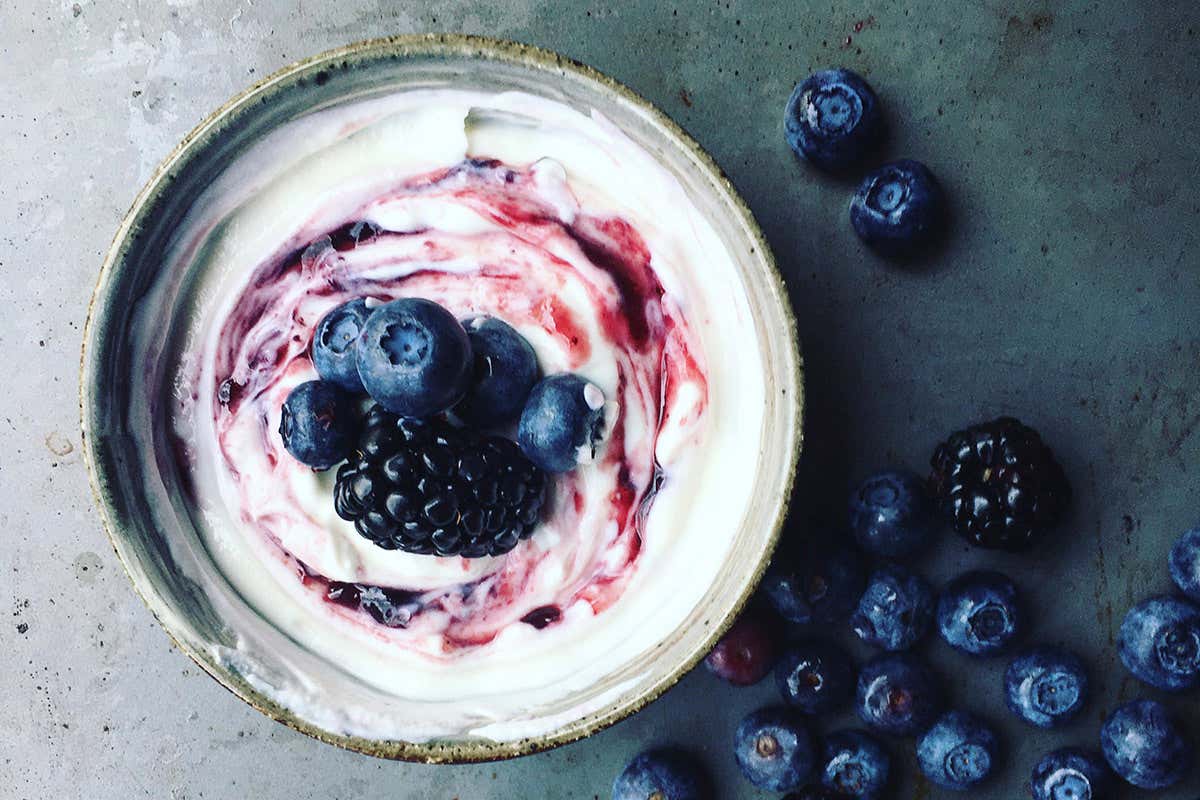
Did the bacteria in milk products evolve after humans started to store milk and, if not, what did their forebears do?

23 June 2021
Our love of tea could be due to the chemicals it contains or the rituals around making and serving it
23 June 2021
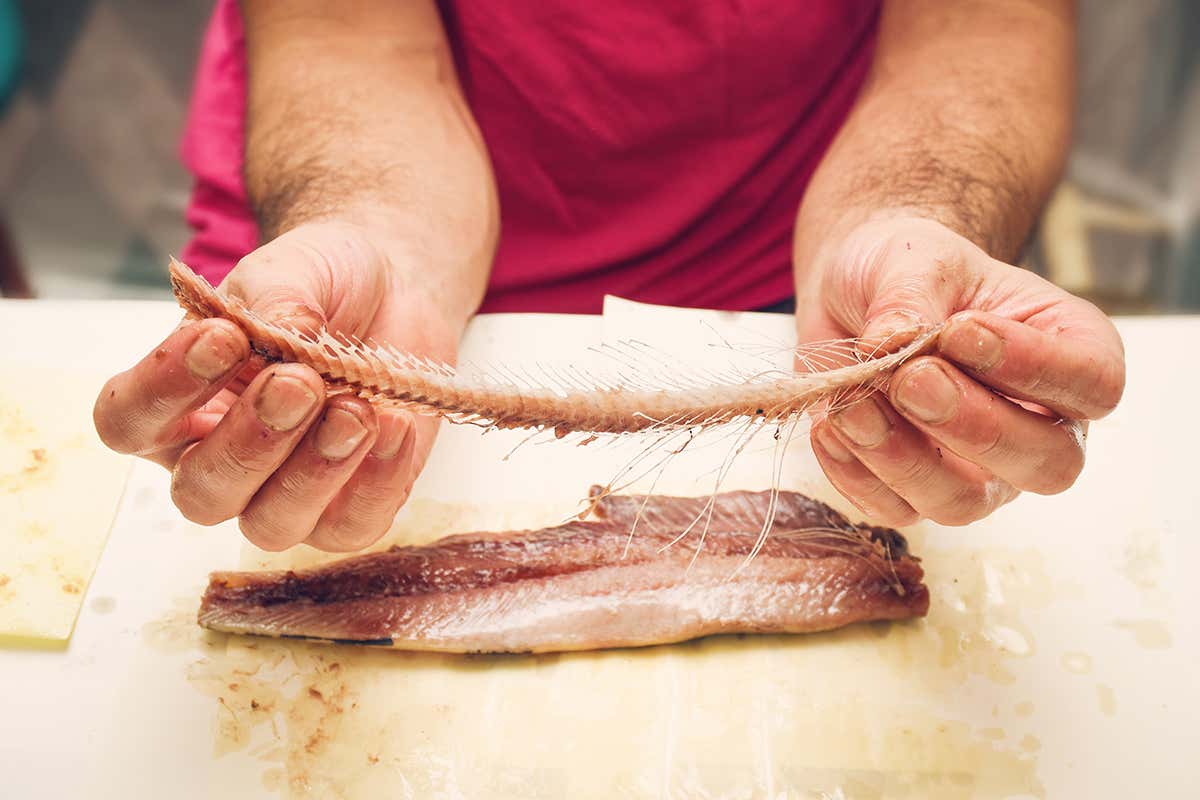
Evolution has had 500 million years to tinker with the anatomy of fish, but is it to make them better swimmers or to help them avoid predation? And are fish bones even bones? Readers respond
23 June 2021
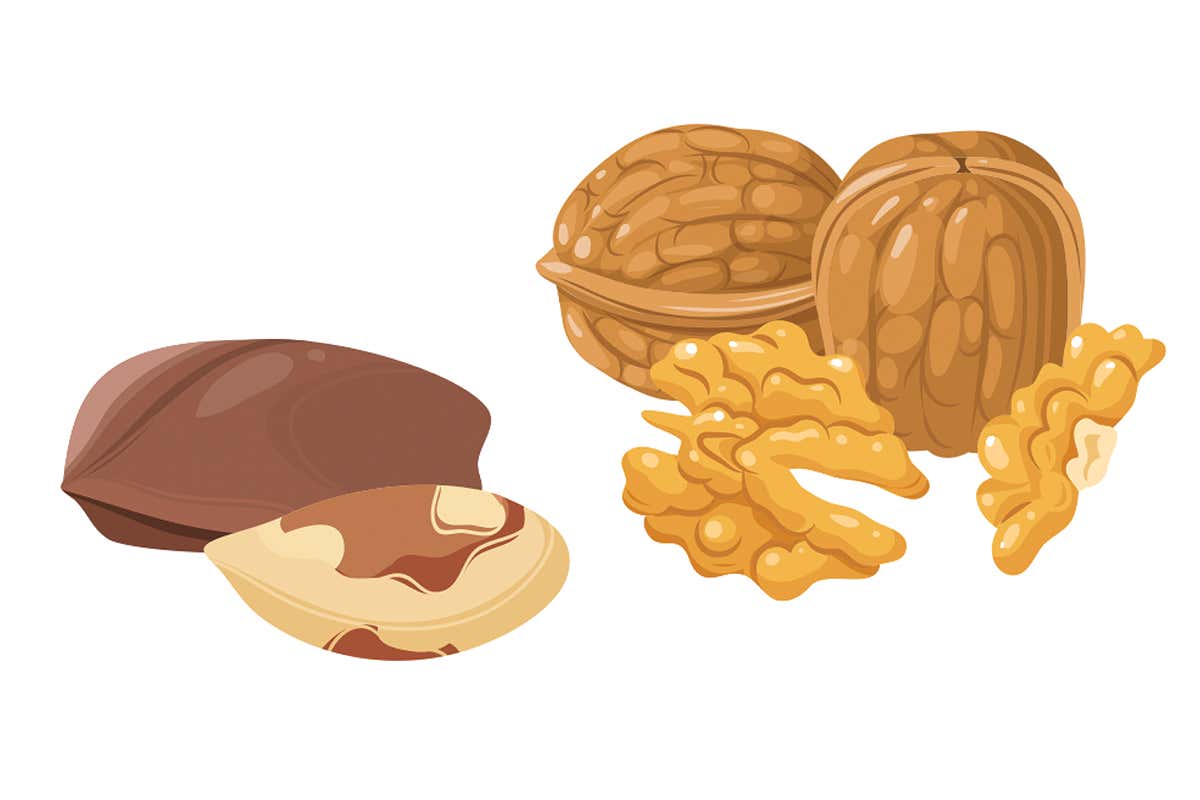
Can you solve this week’s fiendish puzzle, Nutty neighbours? Plus the answer to puzzle #118
