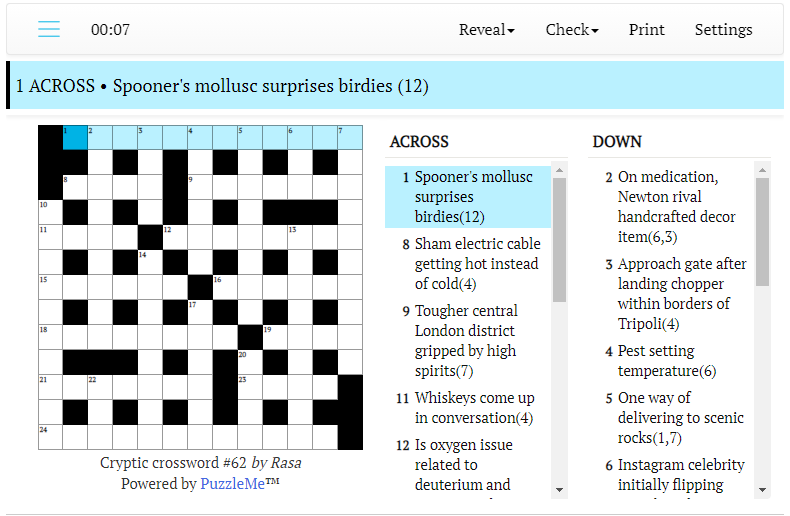
Cryptic crossword #62: One way of delivering to scenic rocks (1-7)
22 July 2021
Challenge your brain by solving New Scientist's weekly crosswords on your mobile, tablet or desktop
22 July 2021
Challenge your brain by solving New Scientist's weekly crosswords on your mobile, tablet or desktop
21 July 2021
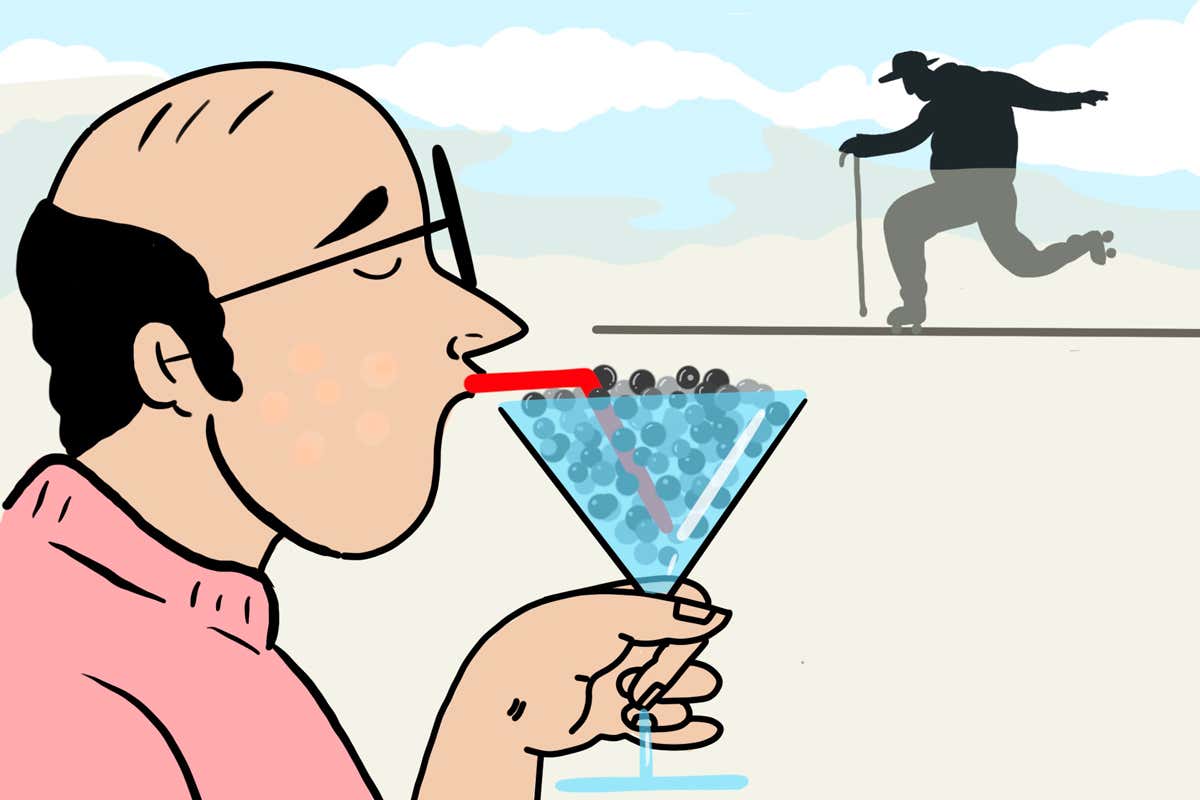
The buckyballs that are news to science, plus dog DNA and a win for a horse with a great name, in Feedback’s weekly weird round-up
21 July 2021
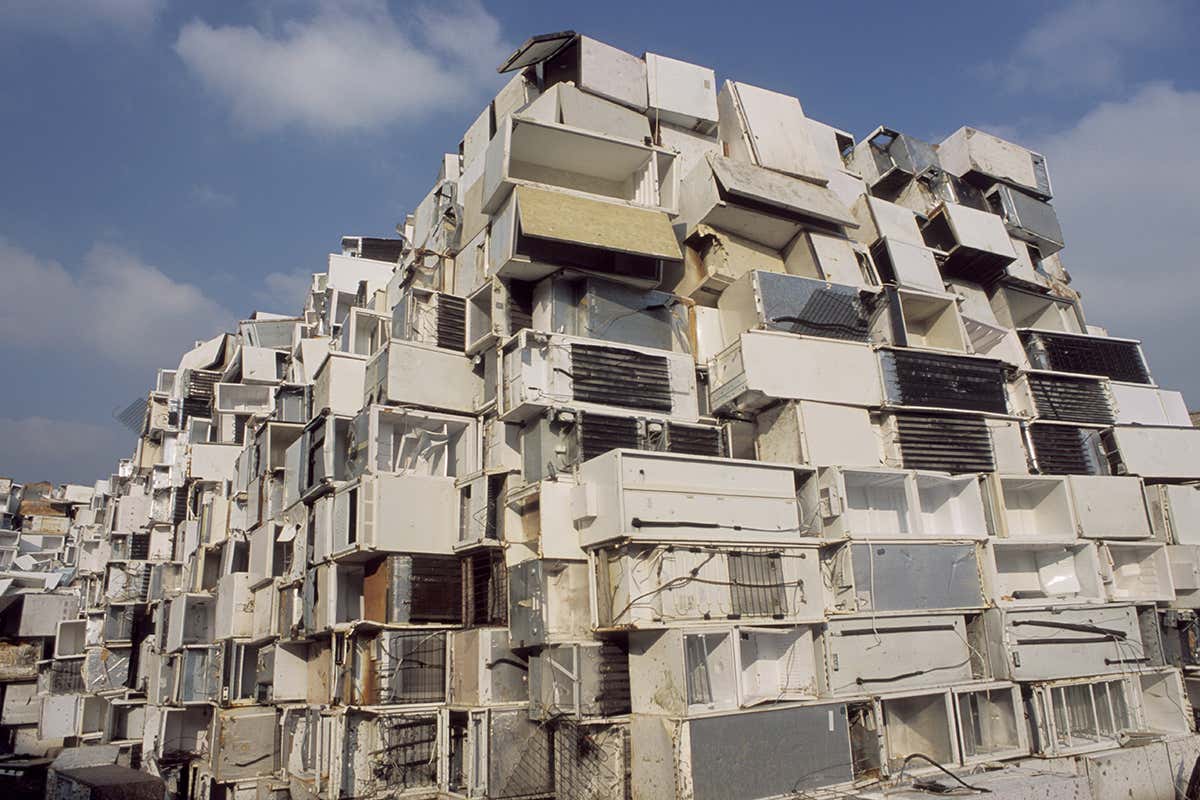
Over the past century, tens of thousands of chemicals have been released into the environment, causing massive problems. It is time to develop cleaner, more sustainable products
21 July 2021
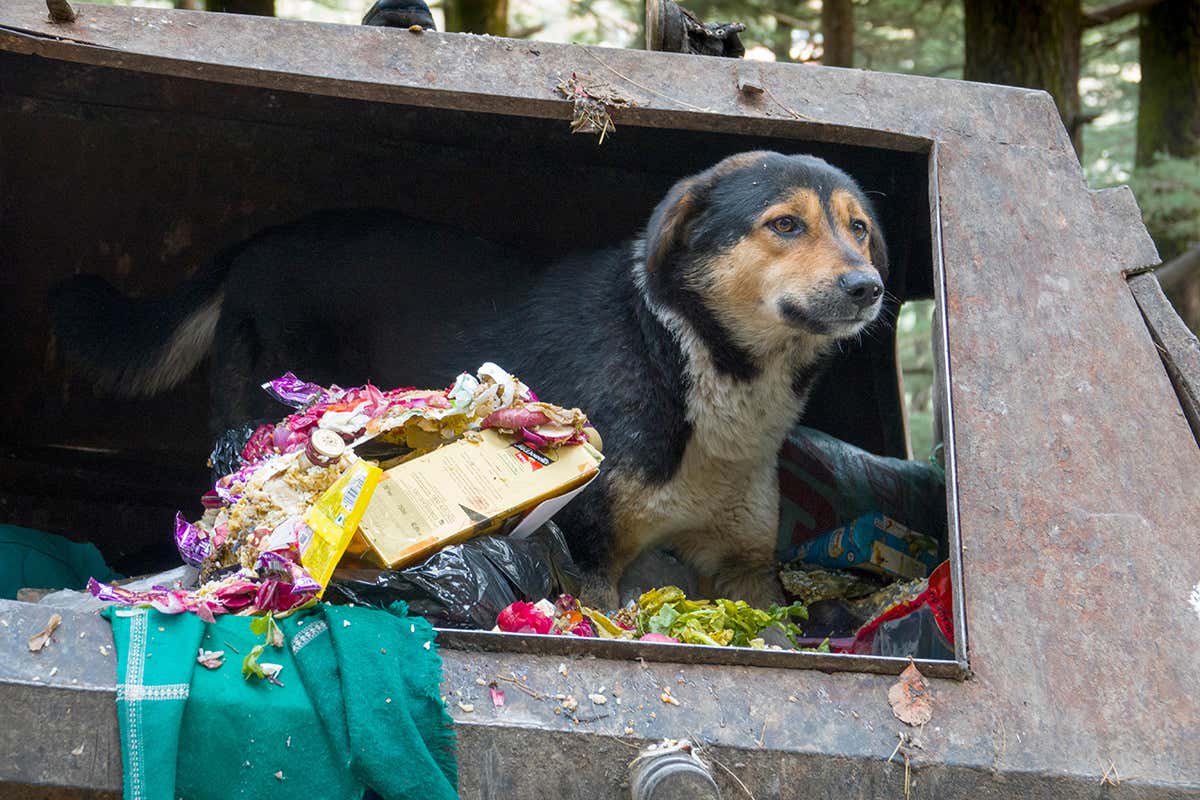
Dogs have lived with humans for tens of thousands of years. Imagining what would happen to them in a post-human world offers insights into how we can improve dogs’ lives right now
21 July 2021
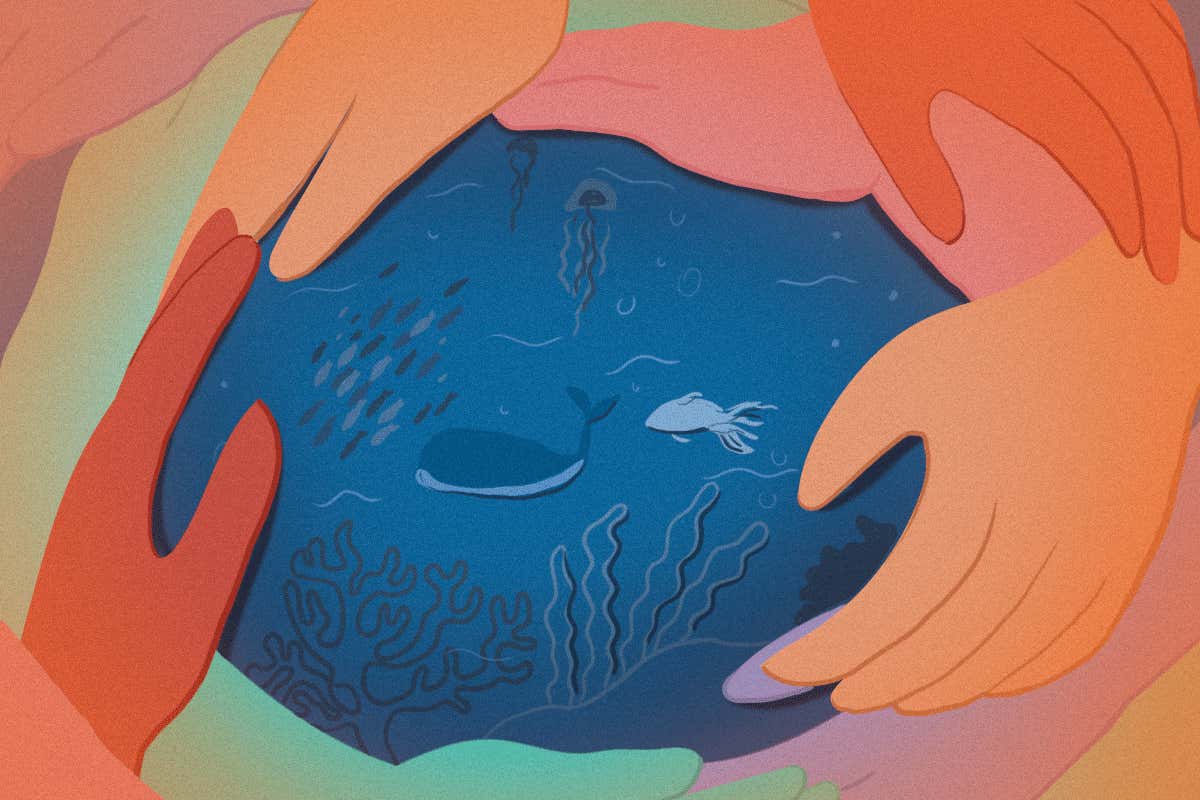
Deep-sea mining would be an environmental disaster, so we need a global moratorium to halt it in its tracks. Here’s how we go about getting one, says Helen Scales
21 July 2021
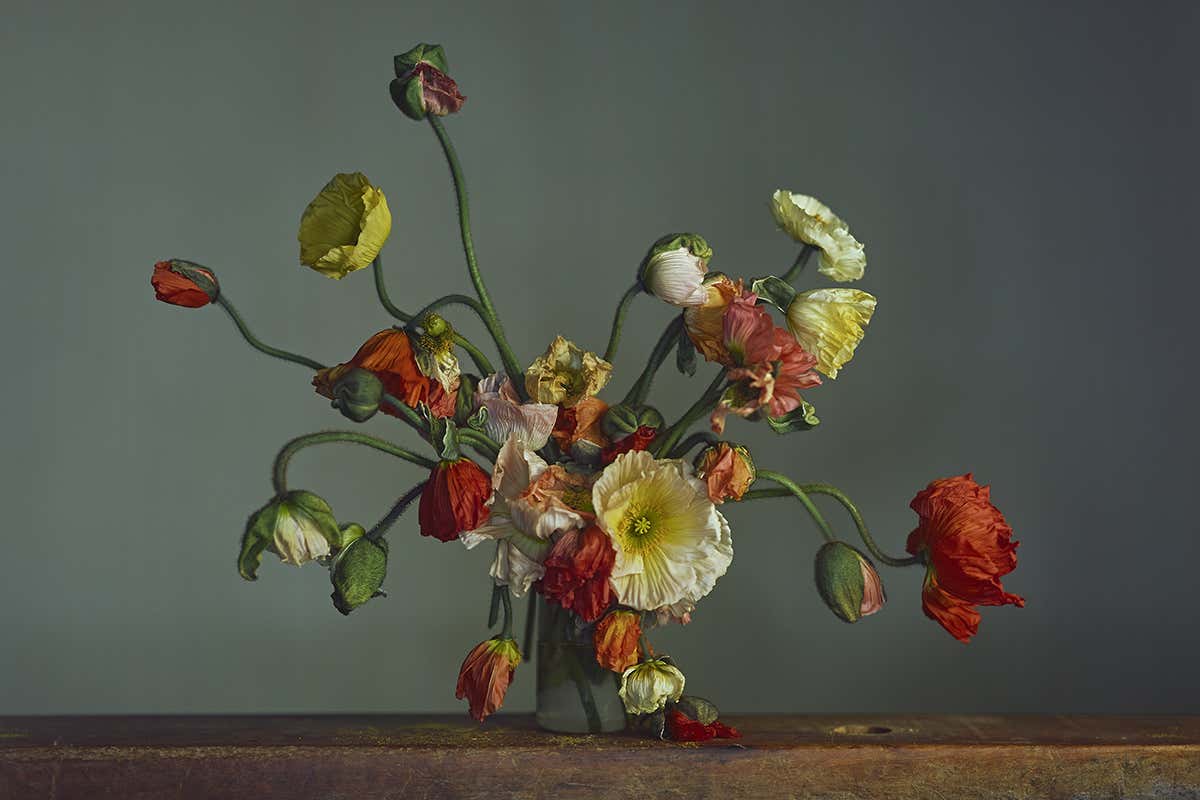
These flowers were captured by photographer Richard Learoyd using an ancient technique called camera obscura. The image comes from an exhibition called Unearthed: Photography's Roots at Dulwich Picture Gallery in London

21 July 2021
When animals show their teeth it usually signals aggression, so when did humans start doing it to show mirth or friendship? And how does water become "stale"?

21 July 2021
Bacteria ferment the milk sugar lactose to lactic acid, which sours milk and coagulates milk proteins. What do bacteria ferment in lactose-free milk?

21 July 2021
Insect bites are often itchy, prompting many of us to scratch. Our readers examine whether this might confer any survival advantage to the bugs
21 July 2021
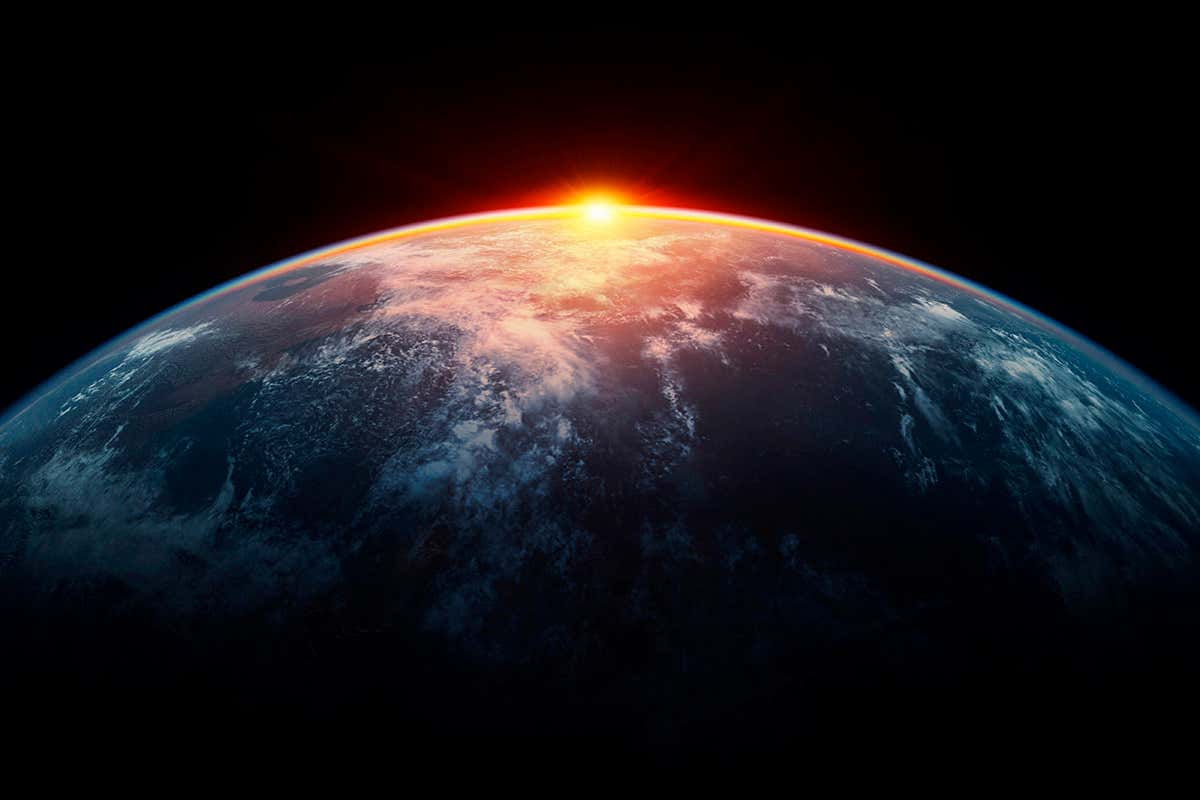
Our readers explore what might happen to Earth if the sun vanished, from dramatic shifts in gravity to the complete loss of light for photosynthesis
