
Subscribe now
New Scientist Default Image

Cryptic crossword #69: Insect has the ability to go quickly (6)

28 October 2021

Challenge your brain by solving New Scientist's weekly crosswords on your mobile, tablet or desktop
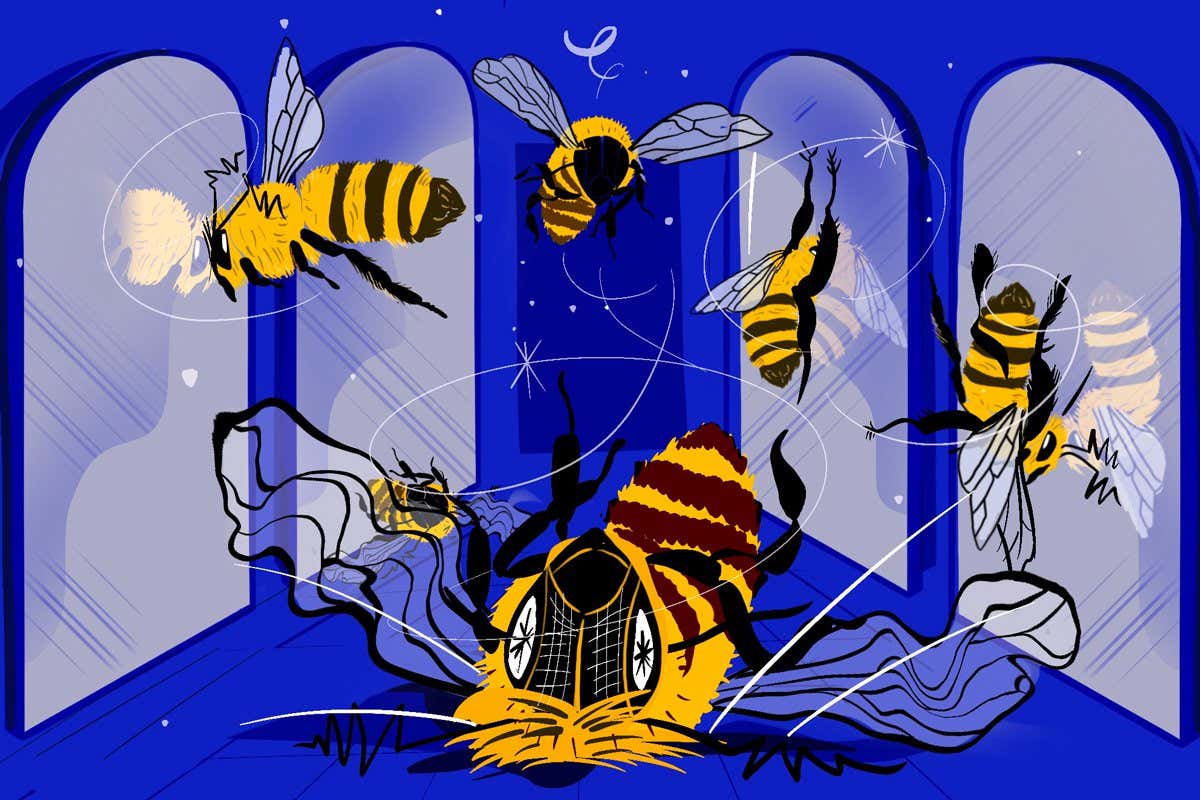

What we have learned from making honeybees repeatedly crash into walls

What we have learned from making honeybees repeatedly crash into walls

27 October 2021

Why bees don't get on with mirrors, plus spam emails from the beyond, immortal healthcare and boozy imperial units in Feedback’s weird weekly round-up
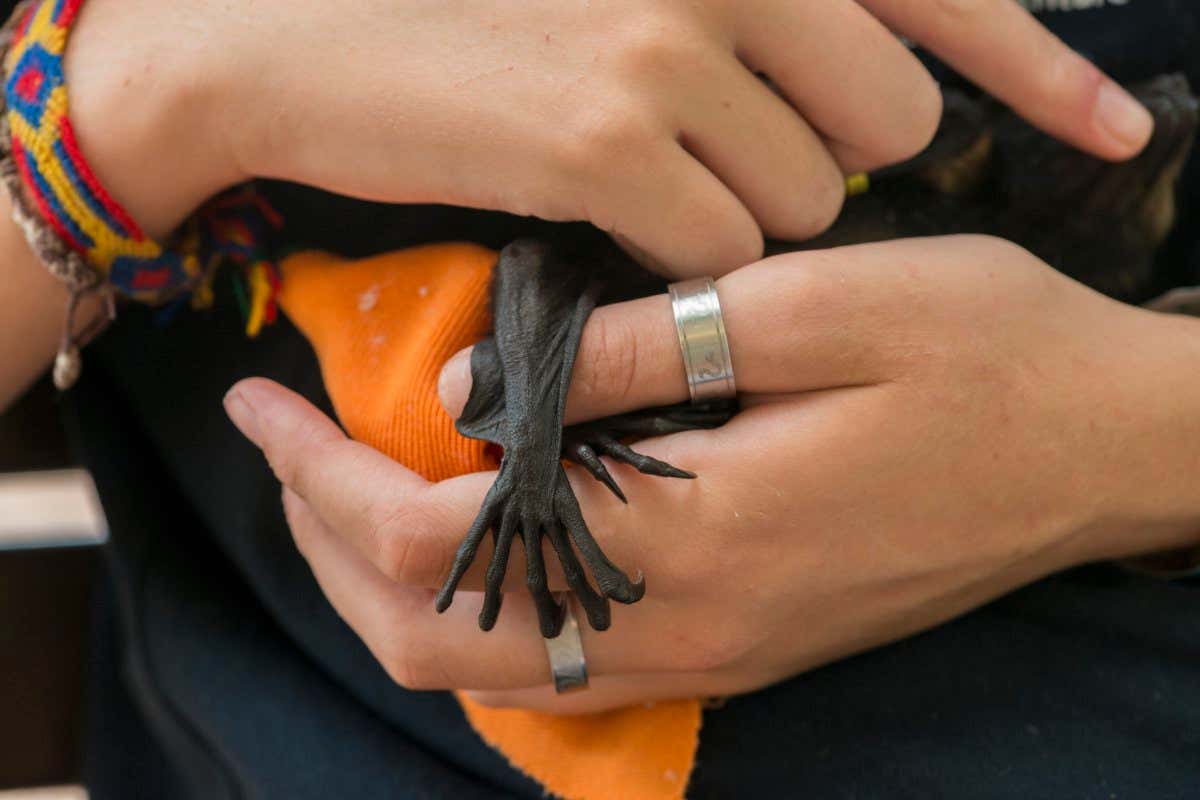

Spectacled flying fox (Pteropus conspicillatus) baby or bub is cared for by Claudia Barton, volunteer wildlife carer at Tolga Bat Hospital, North Queensland, Australia October 2012

This week’s new questions

27 October 2021

Why do we and many other animals have five fingers and toes, not another number? And how come there are two dipper constellations in the night sky?
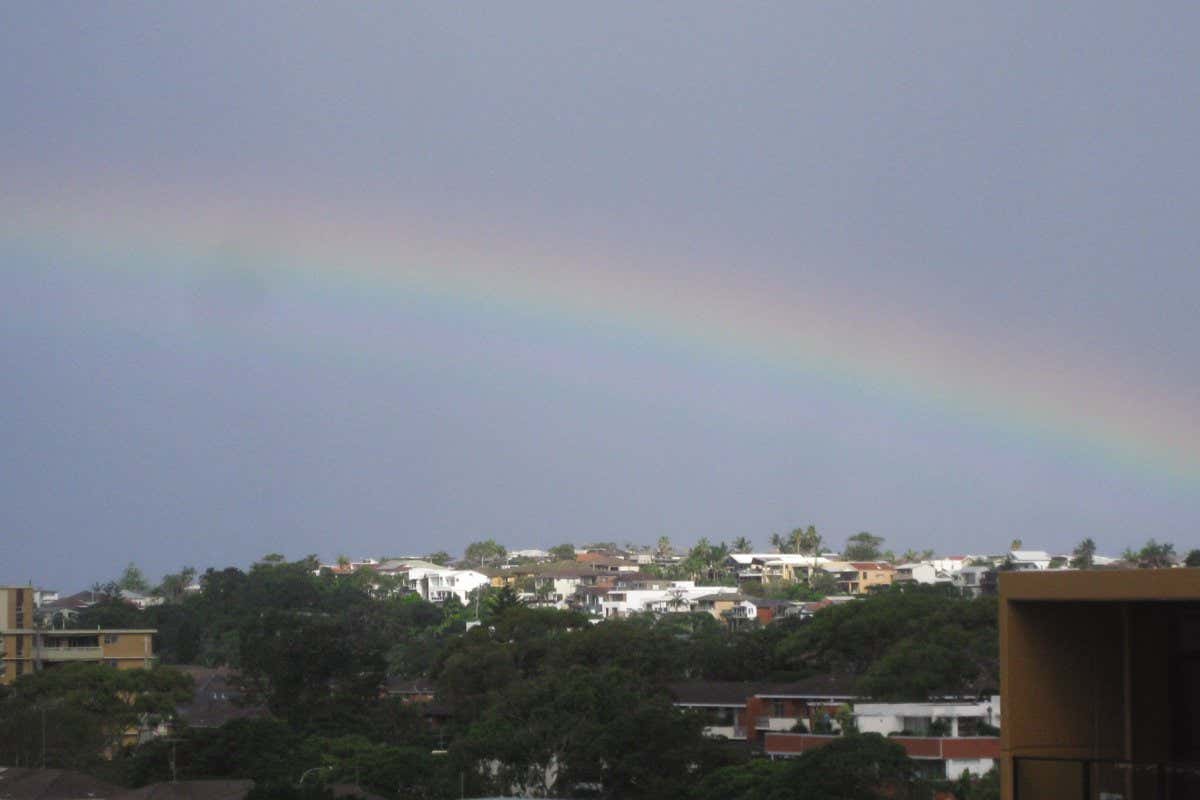

Have we found the answer to the mystery of the impossible rainbow?

Have we found the answer to the mystery of the impossible rainbow?

27 October 2021

The long-running puzzle of a rainbow that is too low might have been solved by our readers


An horseshoe magnet.

Do magnets have any effects on human cells?
27 October 2021

Do magnets have any effects on human cells?


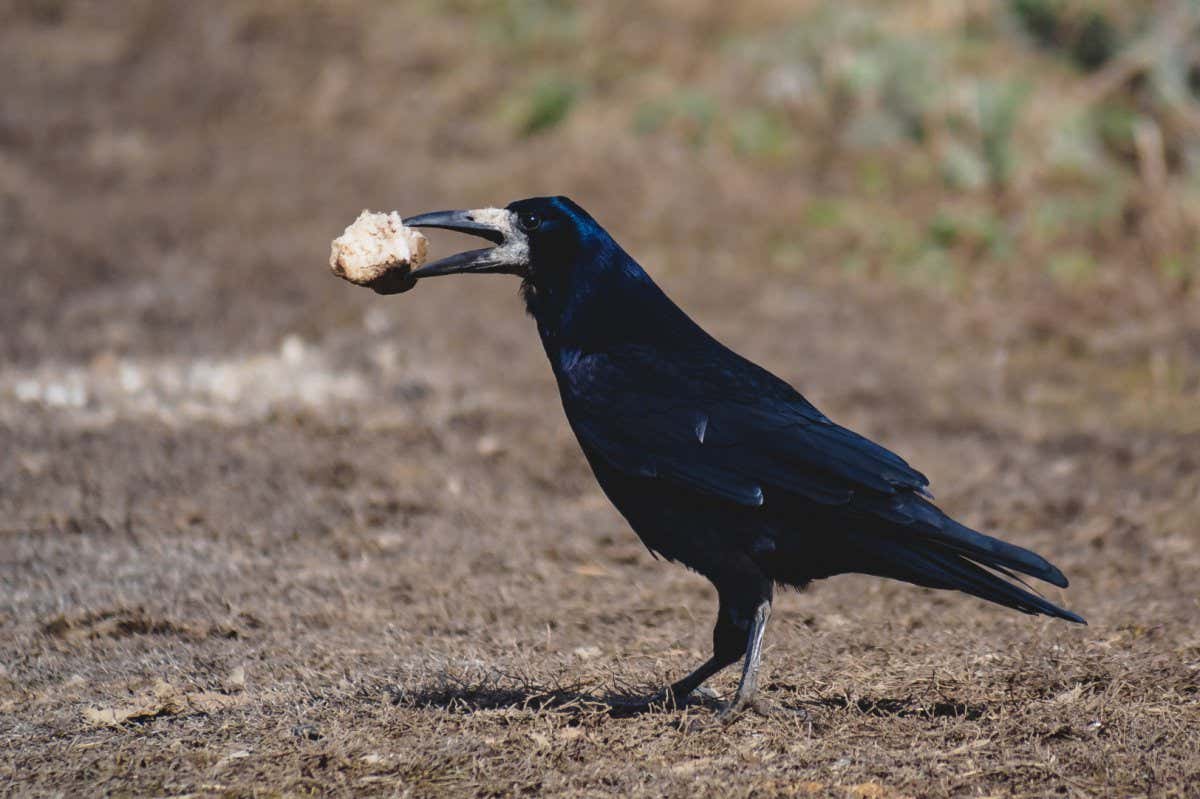
Black rook eating peace of bread; Shutterstock ID 1695627550; purchase_order: -; job: -; client: -; other: -

Is it normal behaviour for rooks to bury bread rather than eat it?

27 October 2021

Rooks have been spotted not only caching food but dunking it before eating by our readers. And this behaviour is just one aspect of their intelligence
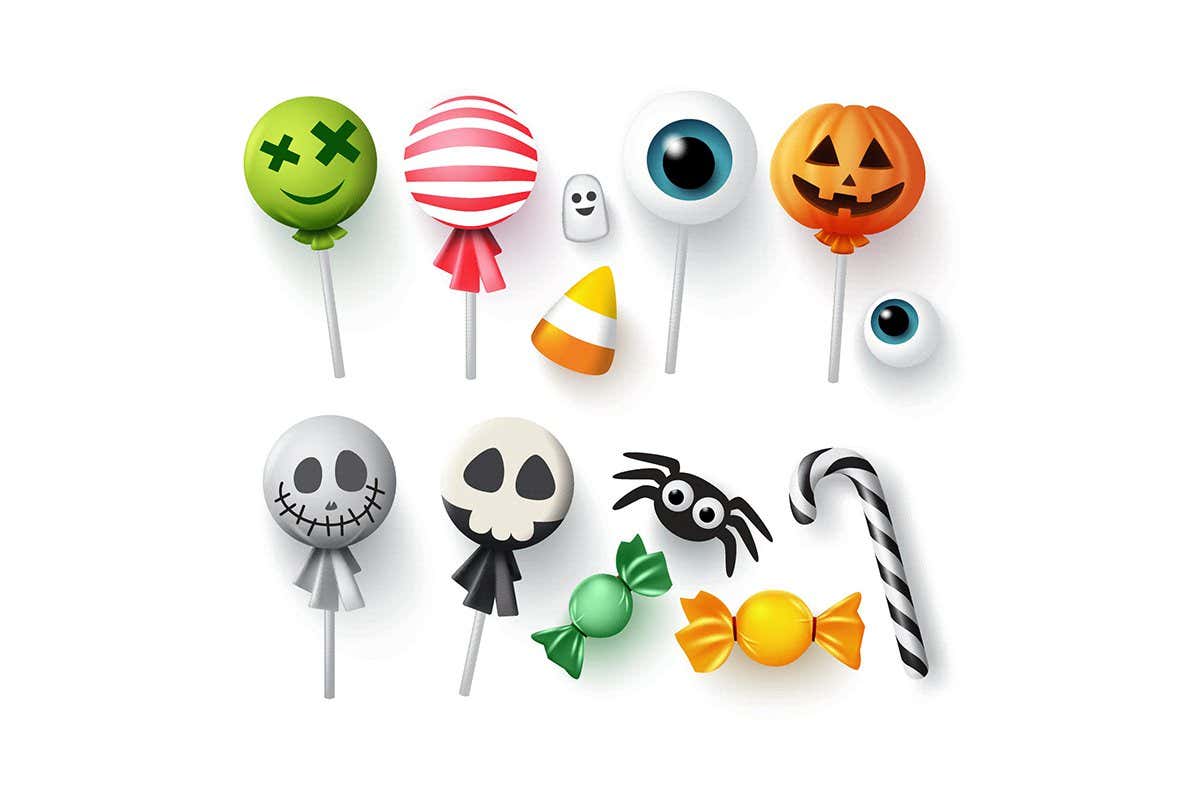

Puzzle #137: Did James end up with a good Halloween haul?

Puzzle #137: Did James end up with a good Halloween haul?

27 October 2021

Can you solve this week’s fiendish puzzle Tricky treaty? Plus the answer to puzzle #136
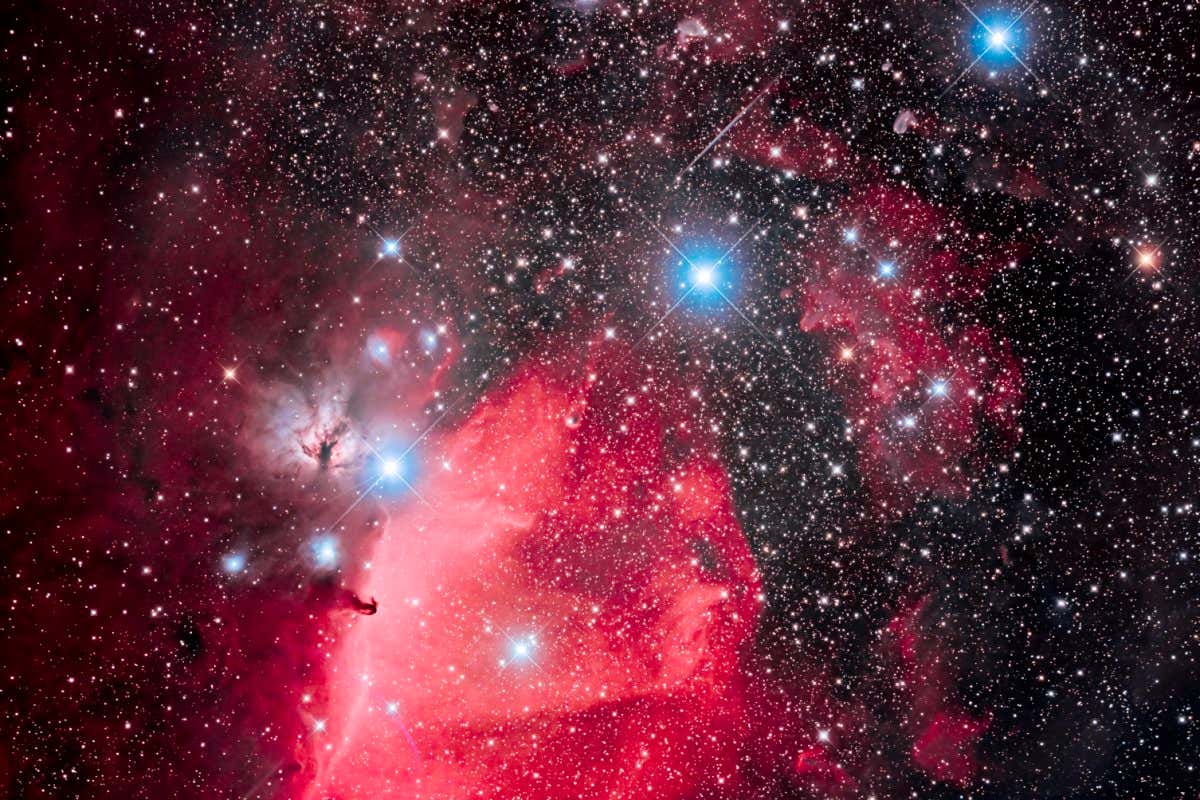

This is the Belt of Orion with its three blue stars across the top of the frame (L to R: Alnitak, Alnilam, and Mintaka), with the iconic Horsehead Nebula (aka B33) below Alnitak, with the dark Horsehead set against the bright nebula IC 434, aka Orion???s Dagger. The pinkish nebula above Alnitak is NGC 2024, the Flame Nebula. The small blue reflection nebula left of the Horsehead is NGC 2023, with smaller IC 435 to the left of it. The field is filled with the large open cluster Collinder 70. The multiple star at bottom left of centre is Sigma Orionis. Many other smaller bits of reflection nebulas populate the field in and around the Belt. This is a blend of 8 x 5-minute exposures at ISO 800 unfiltered with 6 x 10-minute exposures at ISO 1600 shot through an Optolong L-Enhance dual-band nebula enhancement filter (it lets through only Oxygen III blue-green and Hydrogen-alpha red to really enhance the nebulosity). The filtered shot is blended in with the unfiltered shot to retain the best of both worlds: the rich reds captured by the filtered images without losing the range of colours in the other nebulas such as the salmon pinks of the Flame and the blue reflection nebulas and stars. All exposures with the Canon EOS Ra mirrorless camera through the SharpStar HNT150 Hyperbolic Newtonian Astrograph at f/2.8, from home on a very clear moonless night January 27, 2020. All stacked, aligned and blended in Photoshop 2020. (Photo by: Alan Dyer/VW PICS/Universal Images Group via Getty Images)

How to use Orion to find Canis Major and Canis Minor

27 October 2021

The dog constellations, Canis Major and Canis Minor, seem to run along faithfully behind Orion. Here's how to find them by star-hopping from Orion's belt, writes Abigail Beall
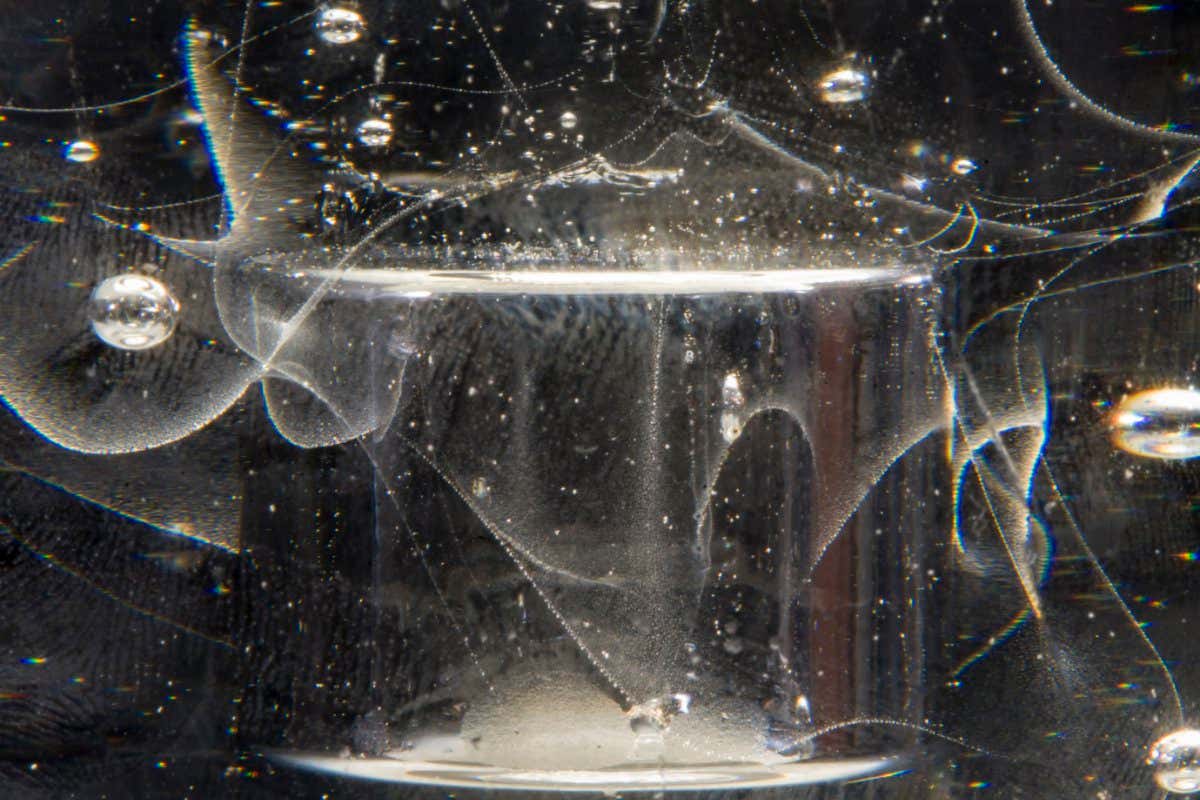

FEATURE CROP Close up of the air '1765'

COP26: Exhibition displays air from dawn of the industrial revolution

27 October 2021

Polar Zero at the Glasgow Science Centre is running alongside the upcoming COP26 summit on climate change. Its exhibitions show the past, present and future of the global climate
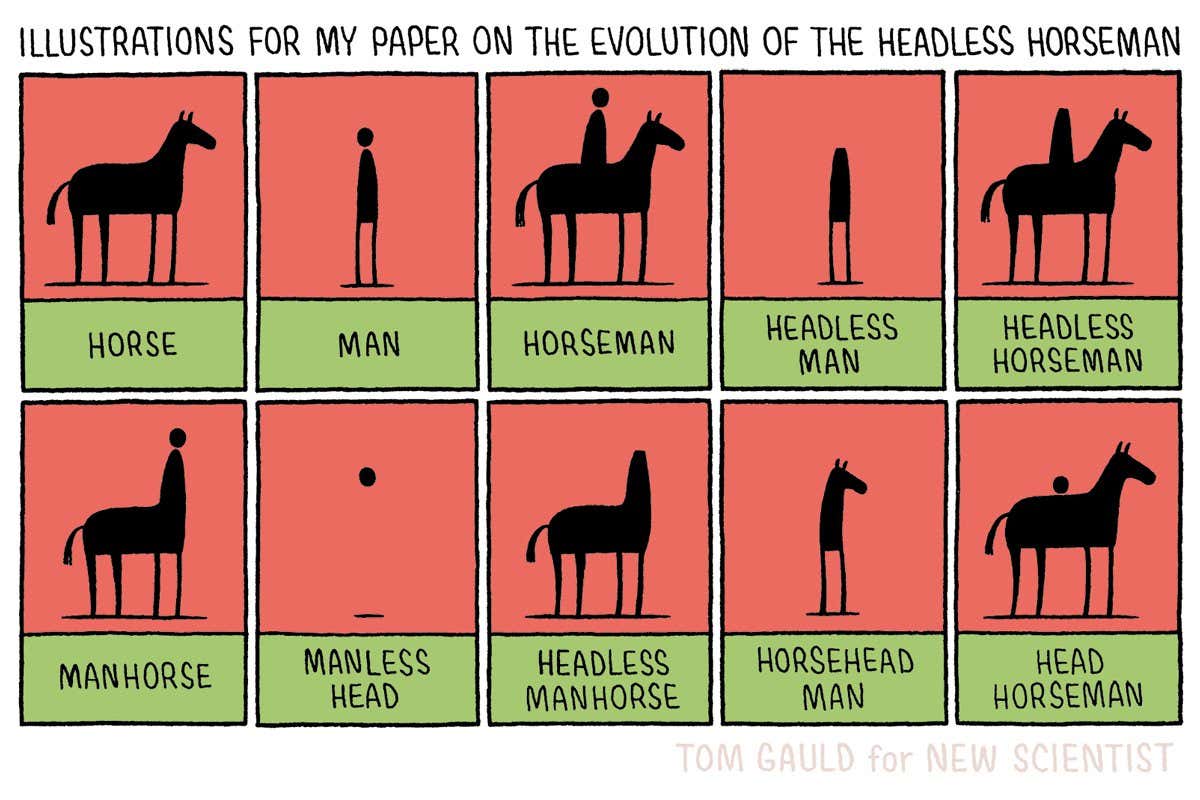

Tom Gauld's illustrations on the evolution of the headless horseman

Tom Gauld's illustrations on the evolution of the headless horseman

27 October 2021

Tom Gauld's weekly cartoon


Sign up to our weekly newsletter

Receive a weekly dose of discovery in your inbox. We'll also keep you up to date with New Scientist events and special offers.

Sign up
Piano Exit Overlay Banner Mobile Piano Exit Overlay Banner Desktop