Subscribe now
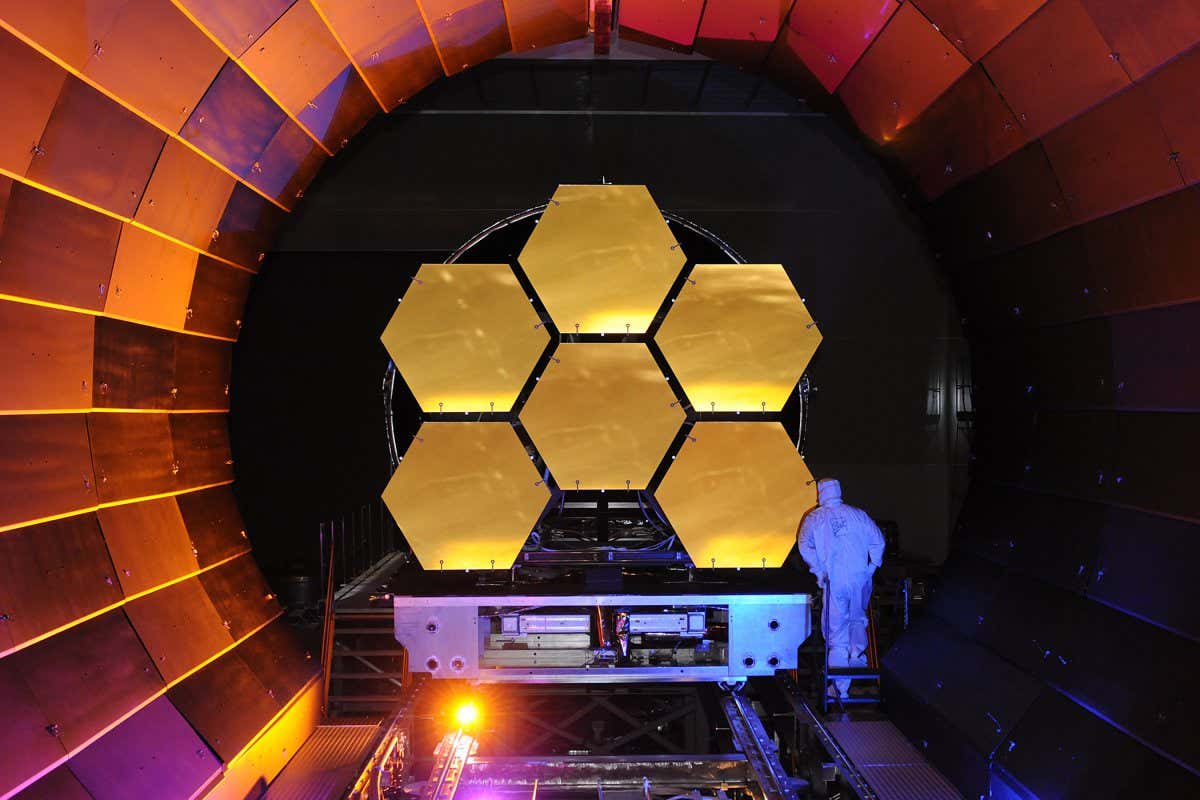
James Webb Space Telescope Mirrors Undergoing Cryogenic Testing The flight mirrors for the James Webb Space Telescope undergo cryogenic testing at NASA Marshall. Credit: Ball Aerospace

The James Webb Space Telescope is expensive, but it should be worth it

8 December 2021

It may be extremely late and over-budget, but the James Webb Space Telescope promises to show us the moment the first stars lit up and solve cosmic mysteries
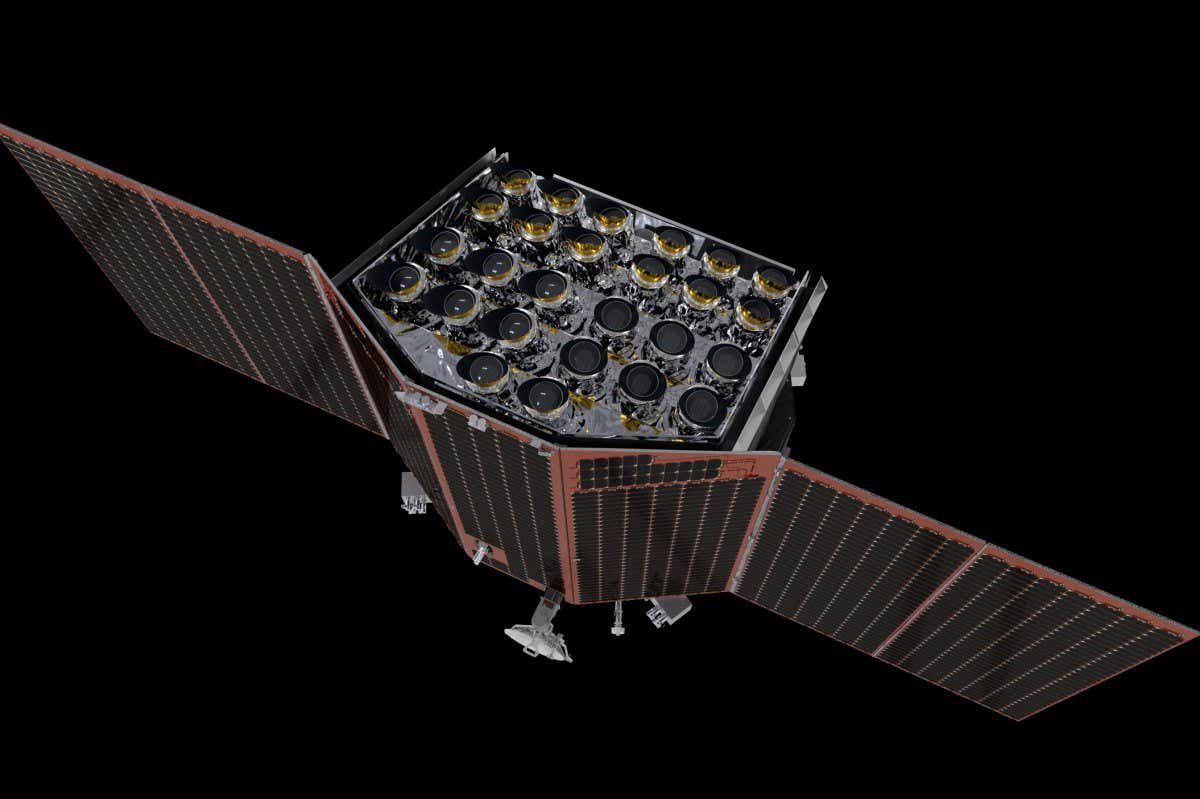

3 of the most exciting space telescopes planned for launch by 2034

3 of the most exciting space telescopes planned for launch by 2034

8 December 2021

The much-anticipated James Webb Space Telescope will soon launch. But with plenty more epic astronomy instruments planned over the next few years, the fun is just beginning
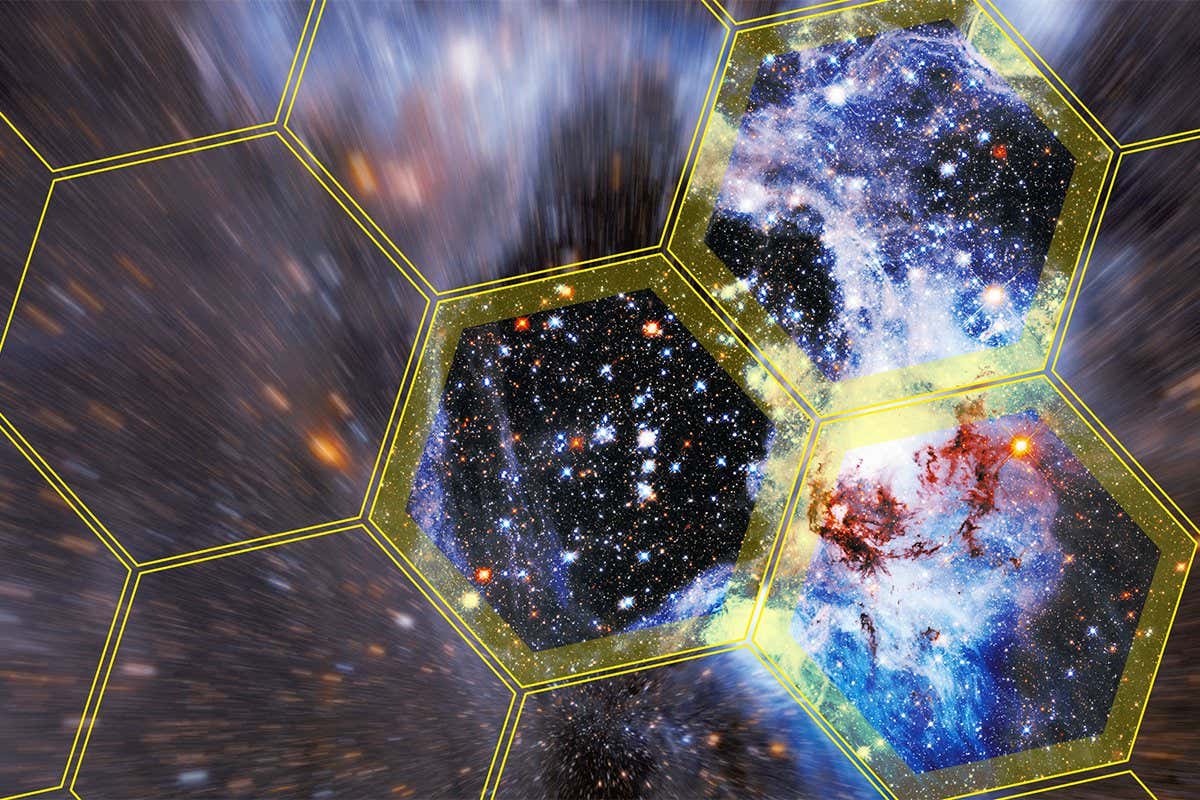

How the James Webb telescope will rewrite the story of the universe

How the James Webb telescope will rewrite the story of the universe

8 December 2021

The most anticipated space telescope ever is about to launch. It will give us a clear picture of the first stars and reveal the atmospheres of exoplanets too – if it unfolds without a hitch
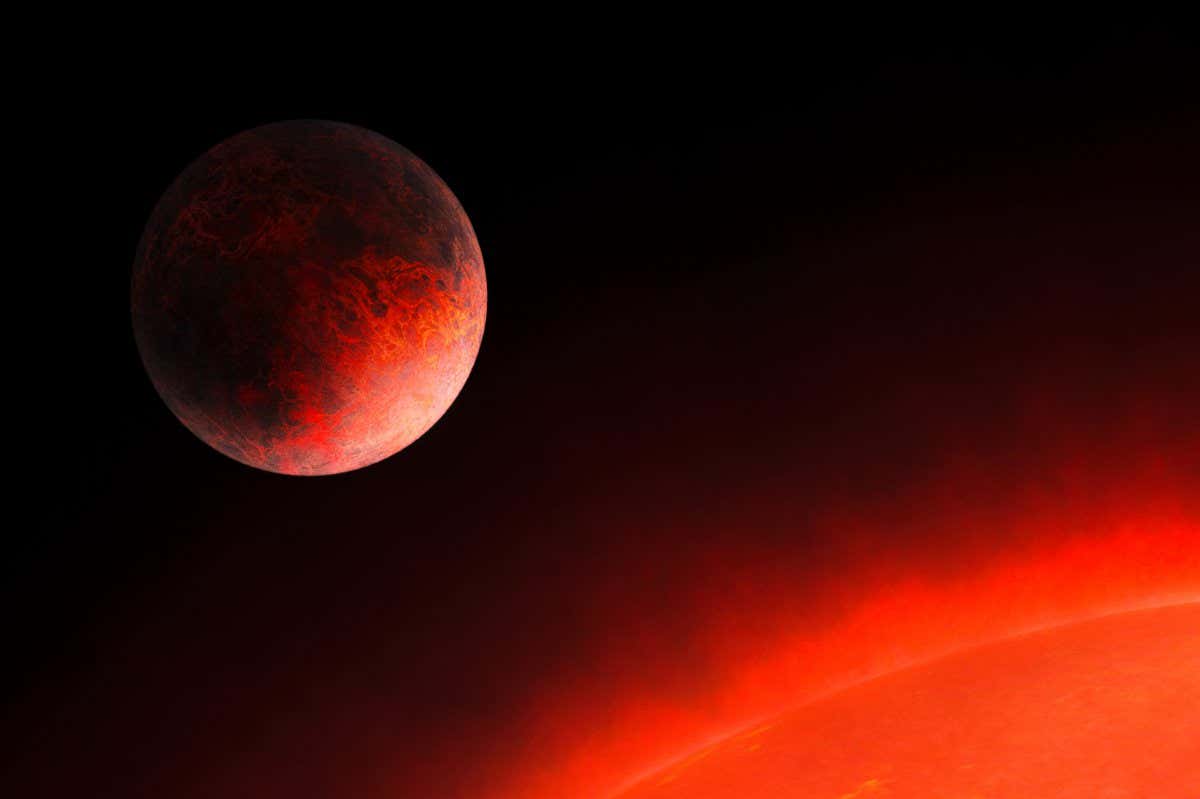

The exoplanet GJ 367b

Extremely dense planet with an enormous iron core has an 8-hour year

2 December 2021

A small, dense planet found using the Transiting Exoplanet Survey Satellite is similar to Mercury, with what seems to be an enormous iron core and temperatures above 1400°C
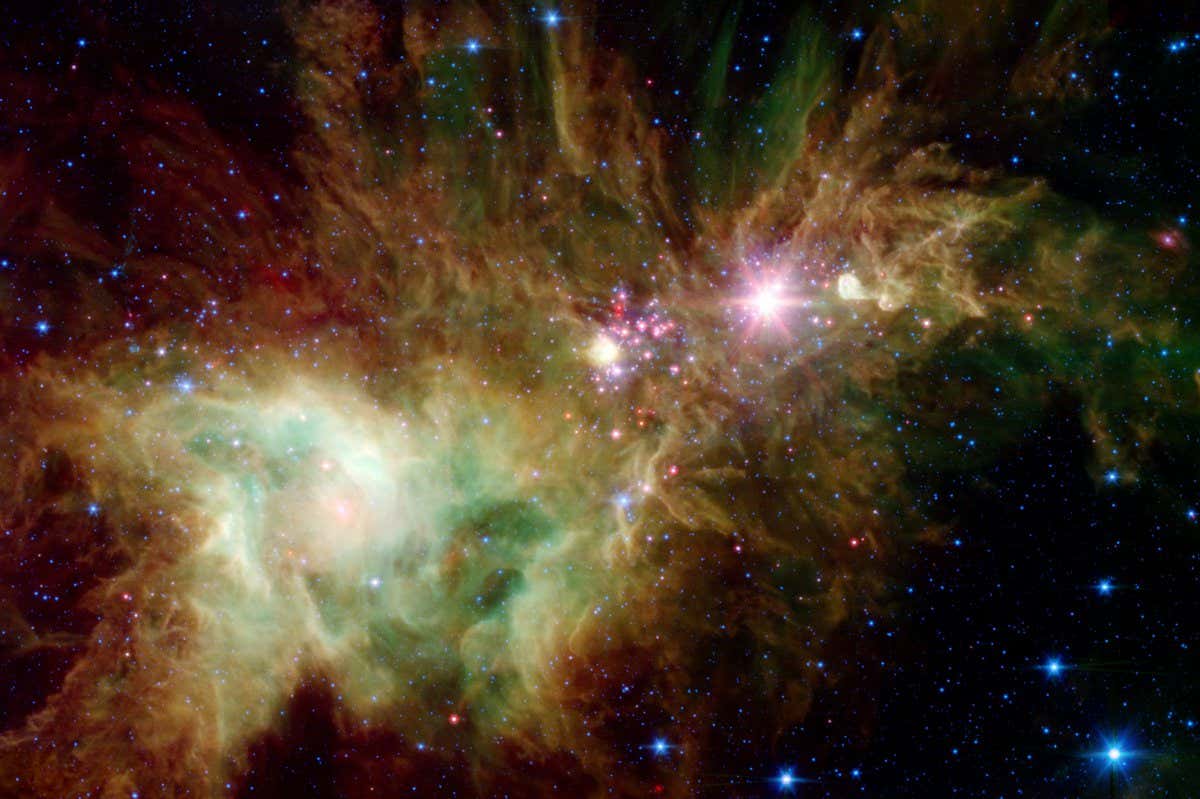

Newborn stars, hidden behind thick dust, are revealed in this image of a section of the so-called Christmas Tree Cluster from NASA's Spitzer Space Telescope. The newly revealed infant stars appear as pink and red specks toward the center and appear to have formed in regularly spaced intervals along linear structures in a configuration that resembles the spokes of a wheel or the pattern of a snowflake. Hence, astronomers have nicknamed this the

Sun-like stars may go through brighter phases as they grow up

2 December 2021

Computer modelling supports the idea that nascent stars brighten dramatically during growth spurts, which could explain an astrophysical mystery
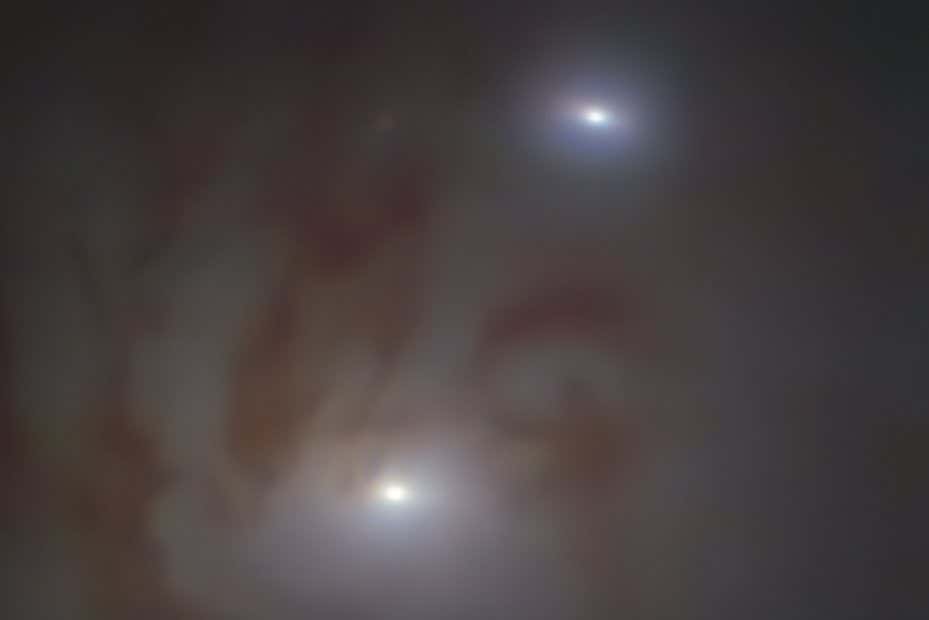

Close-up view of the two bright galactic nuclei, each housing a supermassive black hole, in NGC 7727, a galaxy located 89 million light-years away from Earth in the constellation Aquarius. Each nucleus consists of a dense group of stars with a supermassive black hole at its centre. The two black holes are on a collision course and form the closest pair of supermassive black holes found to date. It is also the pair with the smallest separation between two supermassive black holes ??? observed just 1600 light-years apart in the sky.???? The image was taken with the MUSE instrument on ESO???s Very Large Telescope (VLT) at the Paranal Observatory in Chile.

A pair of nearby supermassive black holes are heading for a collision

30 November 2021

Two supermassive black holes have been discovered just 1600 light years apart, and they are likely to collide in about 250 million years


Sign up to our weekly newsletter

Receive a weekly dose of discovery in your inbox. We'll also keep you up to date with New Scientist events and special offers.

Sign up
Piano Exit Overlay Banner Mobile Piano Exit Overlay Banner Desktop