Subscribe now
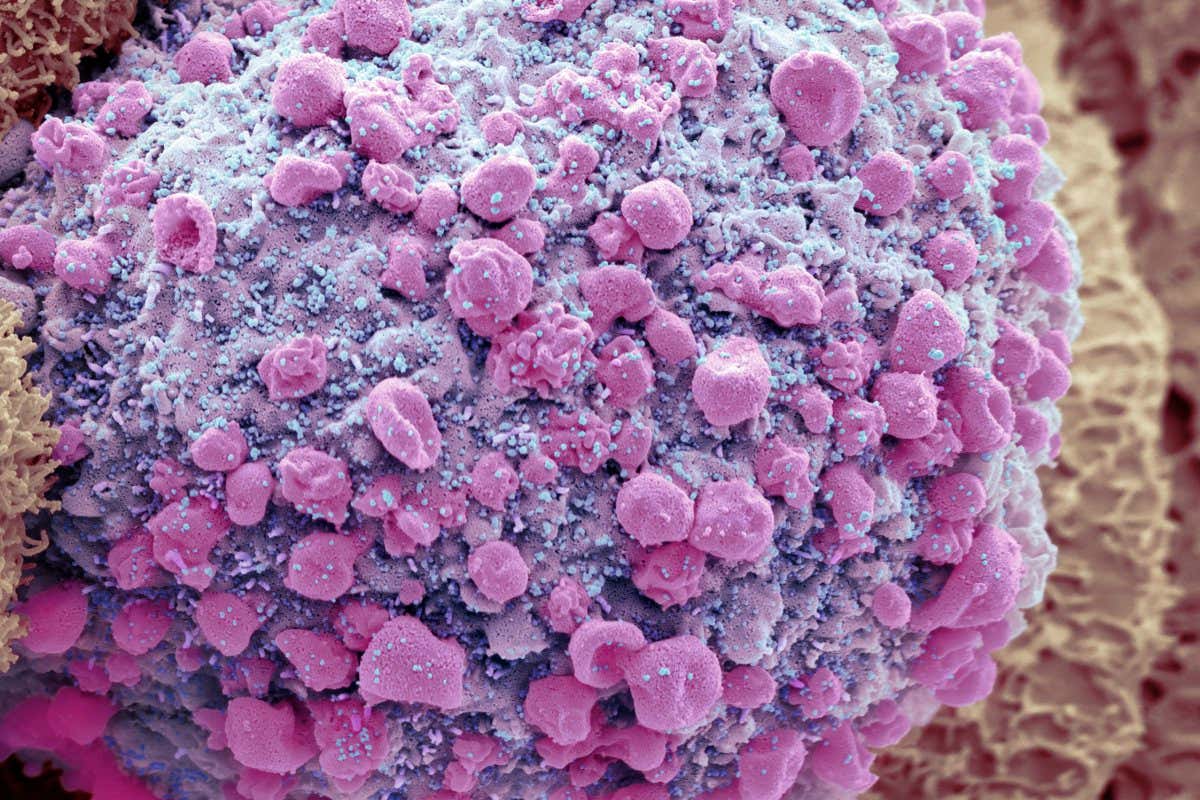
SARS-CoV-2 Delta variant. Coloured scanning electron micrograph (SEM). Here the delta variant is shown budding (cyan dots) from an apoptotic Caco-2 human gut epithelial cell 24 hours after infection. SARS-CoV-2 Delta variant took over globally from the alpha variant in 2021. The delta variant has evolved to better replicate in its new human host allowing it to spread between people more efficiently. The coronaviruses take their name from their crown (corona) of surface proteins, which are used to attach and penetrate their host cells. As of mid-September 2021 226, 130, 821 cases and 4, 653, 230 deaths have been recorded world- wide. Magnification x 8000 at 10cm wide. Specimen courtesy of Greg Towers, UCL

2022 preview: What will the coronavirus do next?

29 December 2021

The coronavirus will continue to evolve and could trigger further waves of infections, requiring more vaccinations and boosters
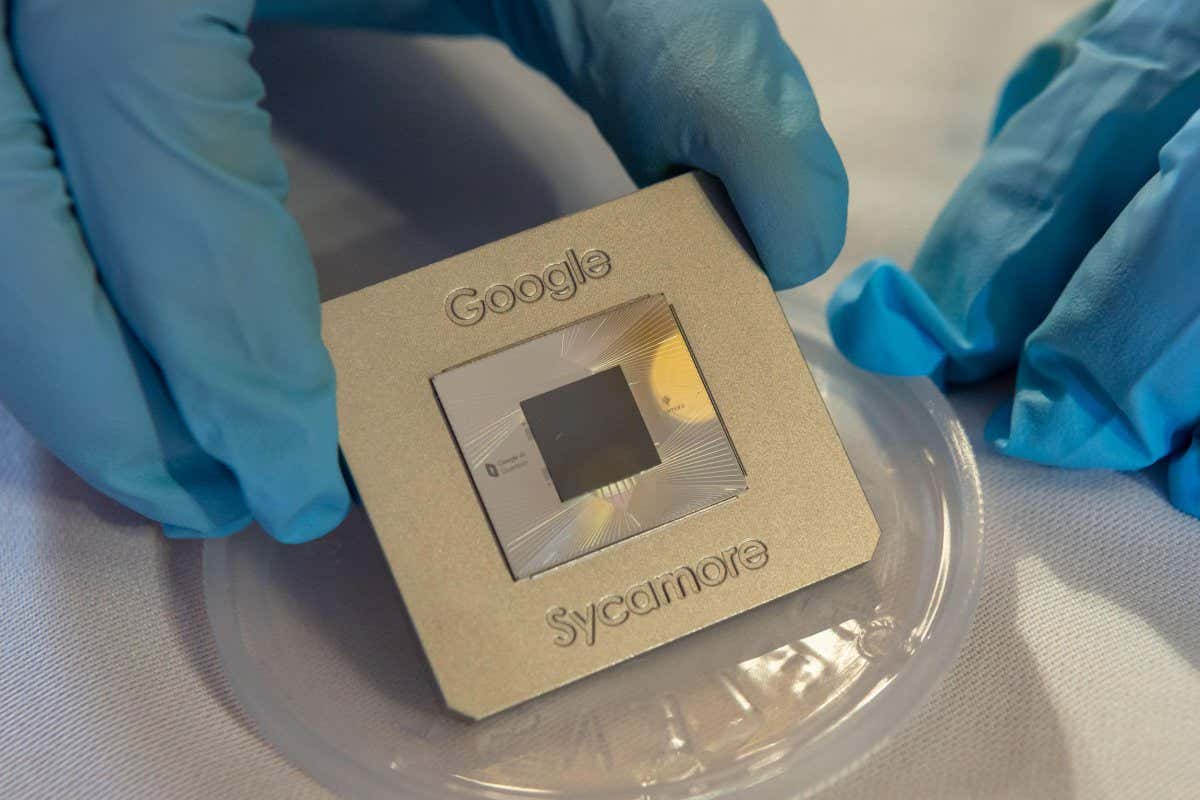

2G9MFKY Munich, Germany. 27th July, 2021. A Google quantum processor

2022 preview: Quantum computers may finally become useful tools

29 December 2021

"Google and other research teams have proved that quantum computers can operate faster than a regu-lar machine, but in 2022 we might actually see them tackle useful problems
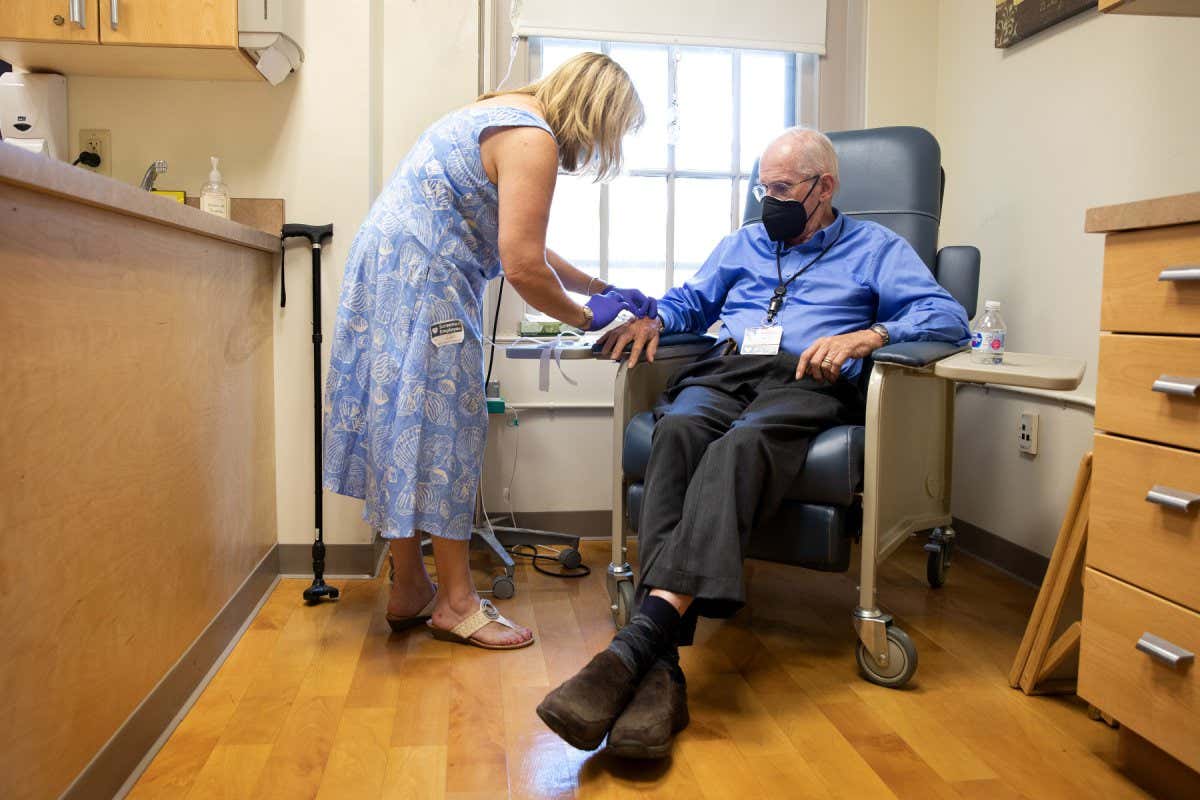

FILE -- Henry Magendantz, a participant in the Aduhelm clinical trial, finishes receiving an infusion of the drug at Butler Hospital in Providence, R.I., May 27, 2021. Two months before the Food and Drug Administration's deadline to decide whether to approve Biogen's controversial Alzheimer's drug aducanumab, a council of senior agency officials resoundingly agreed that there wasn't enough evidence it worked. (Kayana Szymczak/The New York Times) / Redux / eyevine Please agree fees before use. SPECIAL RATES MAY APPLY. For further information please contact eyevine tel: +44 (0) 20 8709 8709 e-mail: info@eyevine.com www.eyevine.com

2022 preview: Expect a row over controversial Alzheimer's drug

29 December 2021

In 2021, the US approved the first drug designed to treat the cause of Alzheimer's, but the European Union rejected it. Whether the drug can actually treat the chief symptoms of the disease will be a point of contention in 2022
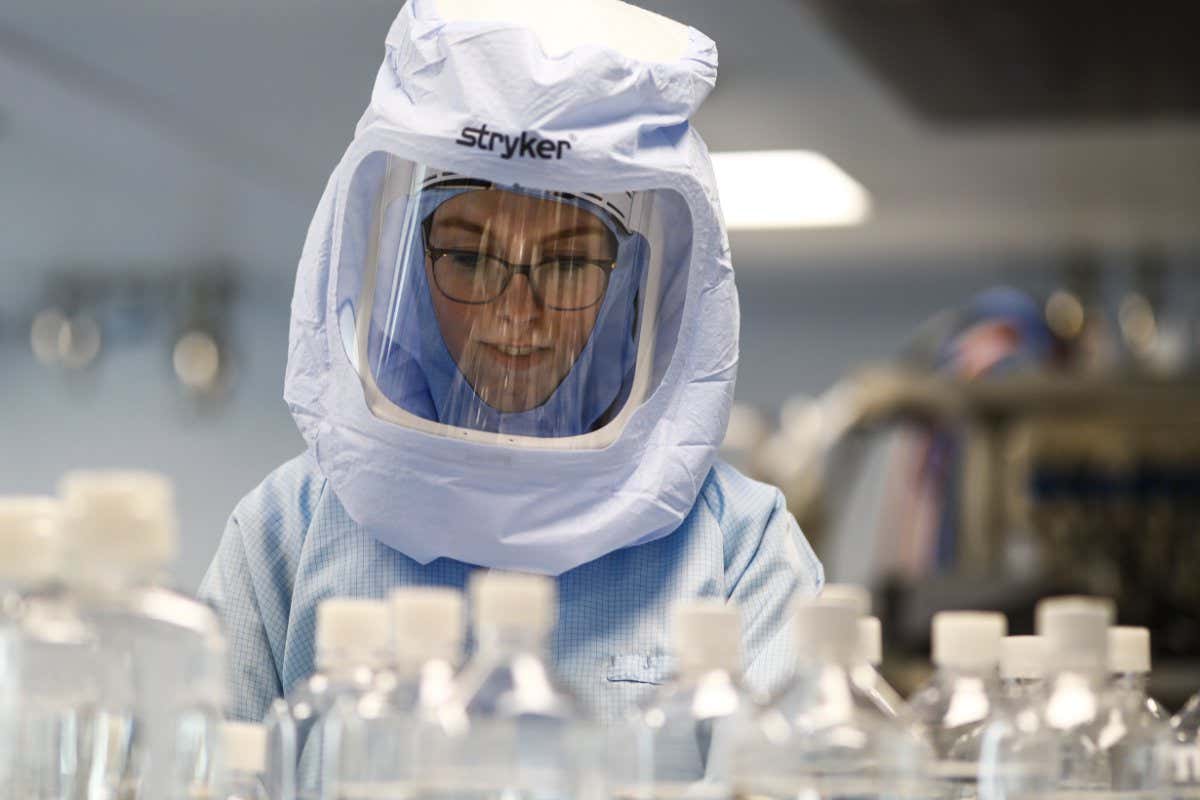

MARBURG, GERMANY - MARCH 29: Employees in special suits test the procedures for the manufacturing of the messenger RNA (mRNA) for the Covid-19 vaccine in German company BioNTech, in Marburg, Germany on March 29, 2021. BioNTech Marburg's coronavirus vaccine production target will be 2.5 billion doses for 2021, up from 2.3 billion as it is considered as one of the largest manufacturing facilities producing mRNA vaccines in the world. The Pfizer-BioNTech vaccine was developed by Ozlem Tureci and Ugur Sahin, a couple who are children of Turkish immigrants in Germany. (Photo by Abdulhamid Hosbas/Anadolu Agency via Getty Images)

2022 preview: mRNA tech behind covid-19 vaccines could get new uses

29 December 2021

Once seen as experimental, the mRNA tech that has enabled us to quickly develop covid-19 vaccines could also be used to tackle other stubborn diseases
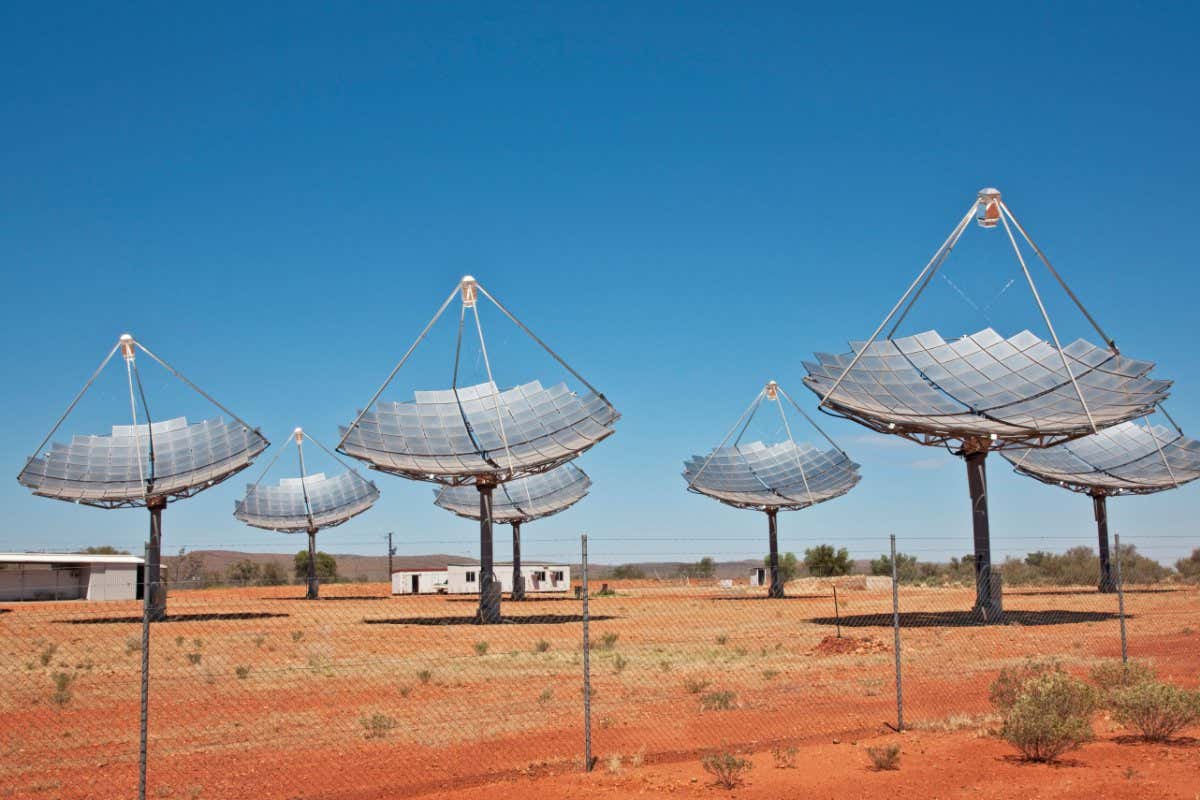

Australia, Northern Territory. Solar reflectors which give power for the people of Hermannasburg in Northern Territory.

2022 preview: High-voltage supergrids could power the world

29 December 2021

Countries and even entire continents will start joining up their electrical grids in an effort to share renewable power and tackle climate change
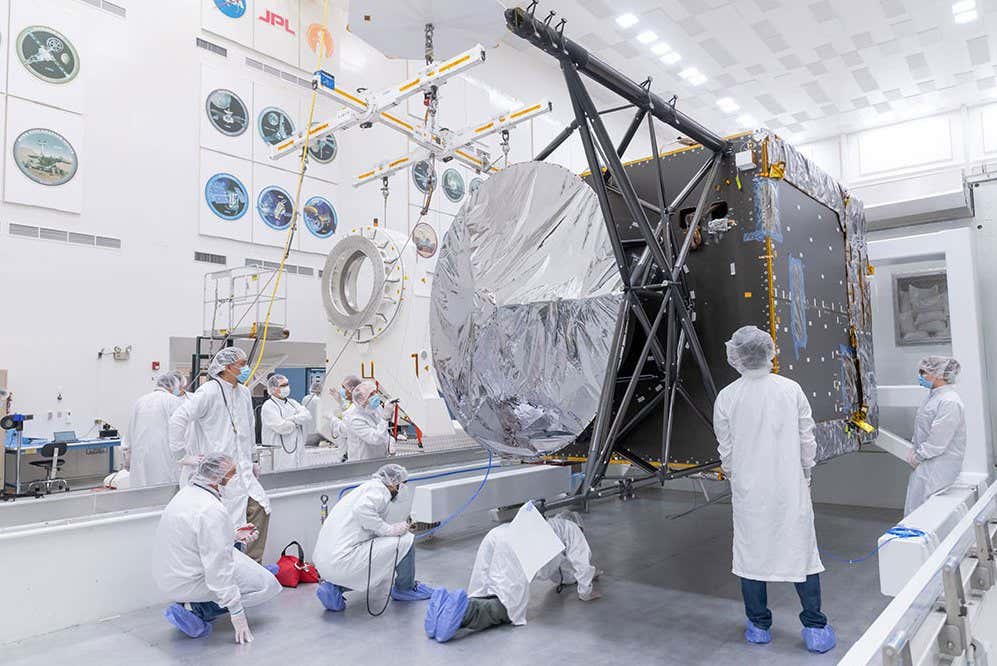

A major component of NASA?s Psyche spacecraft has been delivered to NASA?s Jet Propulsion Laboratory in Southern California, where the phase known as assembly, test, and launch operations (ATLO) is now underway. This photo, shot March 28, 2021 shows engineers and technicians preparing to move the Solar Electric Propulsion (SEP) Chassis from its shipping container to a dolly in High Bay 1 of JPL?s Spacecraft Assembly Facility. The photo was captured just after the chassis was delivered to JPL by Maxar Technologies. Maxar?s team in Palo Alto, California, designed and built the SEP Chassis, which includes all the primary and secondary structure and the hardware components needed for the high-power electrical system, the propulsion system, the thermal system, guidance and navigation sensors and actuators, and the high-gain antenna. Over the next year, additional hardware will be added to the spacecraft including the command and data handling system, a power distribution assembly, the X-band telecommunications hardware suite, three science instruments (two imagers, two magnetometers, and a gamma ray neutron Spectrometer), and a deep space optical communications technology demonstrator. The spacecraft will finish assembly and then undergo rigorous checkout and testing before being shipped to NASA?s Kennedy Space Center in Cape Canaveral, Florida, for an August 2022 launch to the main asteroid belt. Psyche will arrive at the metal-rich asteroid of the same name in 2026, orbiting for 21 months to investigate its composition. Scientists think that Psyche is made up of mostly iron and nickel ? similar to Earth?s core. Exploring the asteroid could give valuable insight into how our own planet and others formed. Arizona State University in Tempe leads the mission. JPL is responsible for the mission?s overall management, system engineering, integration and test, and mission operations. For more information about NASA?s Psyche mission, go to: http://www.nasa.gov/psyche or https://psyche.asu.edu/ Image Credit: NASA/JPL-Caltech

2022 preview: A round-up of the year's most exciting space missions

29 December 2021

Around a dozen missions to the moon are scheduled in 2022, along with a rover landing on Mars and a spacecraft headed to in-vestigate the metal asteroid Psyche


Green turtle (Chelonia mydas) feeding on on Turtlegrass (Thalassia testudinum) seagrass bed. The Bahamas.

2022 preview: China to host crucial meeting in a bid to save nature

29 December 2021

Will governments finally take action to halt the devastating biodiversity crisis at the COP15 meeting in Kunming, China, in April?
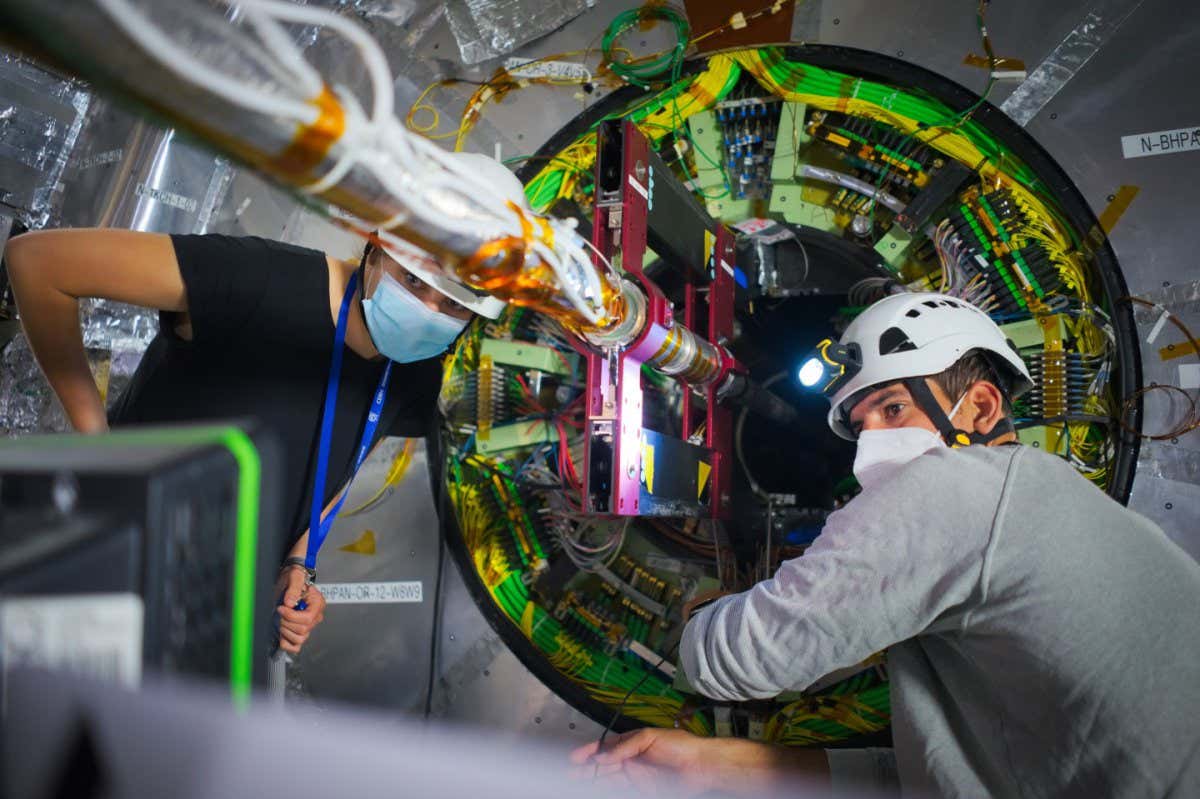

2022 preview: Large Hadron Collider will reach for the edge of physics

2022 preview: Large Hadron Collider will reach for the edge of physics

29 December 2021

The Large Hadron Collider has been in a coincidental lockdown during the pan-demic for planned up-grades, but it will soon be back online and hunting for new physics


Sign up to our weekly newsletter

Receive a weekly dose of discovery in your inbox. We'll also keep you up to date with New Scientist events and special offers.

Sign up
Piano Exit Overlay Banner Mobile Piano Exit Overlay Banner Desktop