Subscribe now
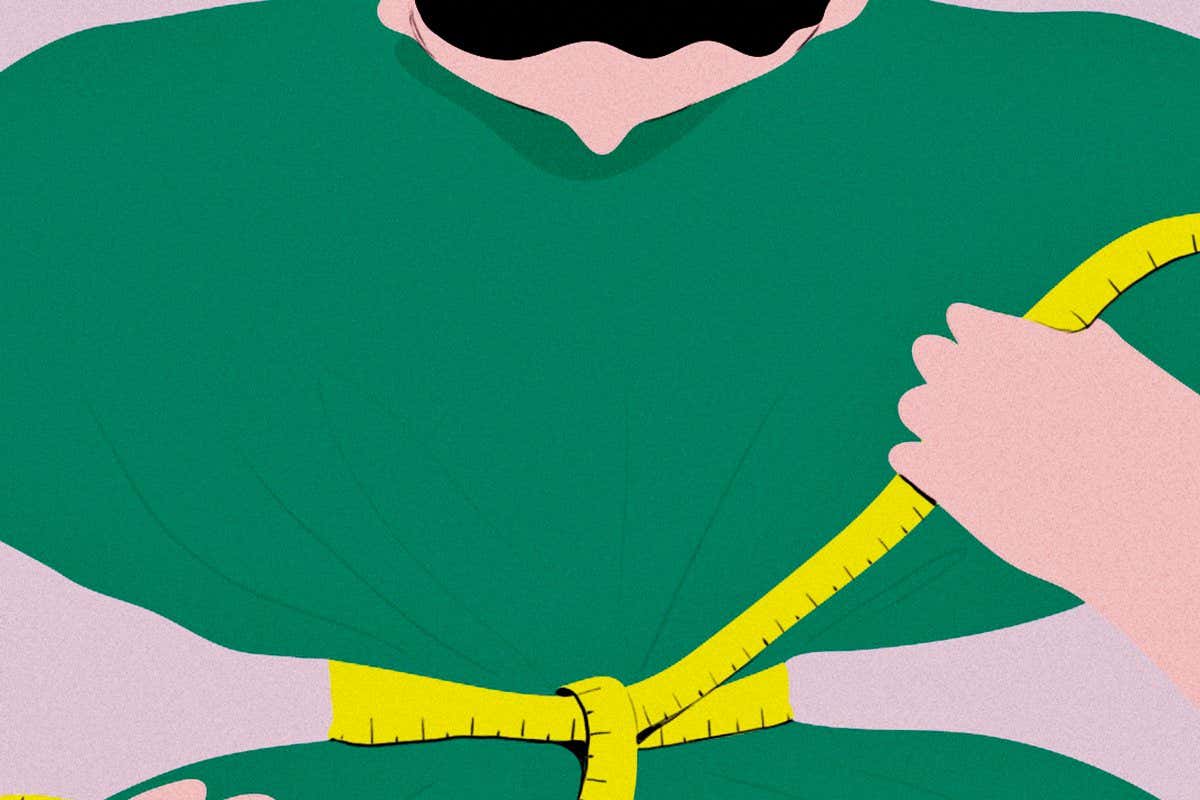
Have we got the science of obesity back to front?

Have we got the science of obesity back to front?

5 January 2022

Putting on weight is often blamed on overeating, but new evidence is emerging that it is actually the other way round, says David S. Ludwig


HANOI, VIETNAM - SEPTEMBER 10: People wait in a queue to receive their first dose of the AstraZeneca vaccine at a public COVID-19 vaccination centre on September 10, 2021 in Hanoi, Vietnam. Hanoi is aiming to mass test the entire city and vaccinate all its adult population with at least one Covid-19 vaccine shot by September 15. Vaccinations in Vietnam are picking up pace as increased supplies arrive in the country, which is the EU's largest trading partner in Southeast Asia. (Photo by Linh Pham/Getty Images)

The future course of the covid-19 pandemic is in all our hands

5 January 2022

We should expect more twists and turns with the coronavirus pandemic in 2022, but people's behaviour will make a big difference to how things play out


The Woebot Labs Inc. application is demonstrated for a photograph in San Francisco, California, U.S., on Friday, July 7, 2017. Woebot Labs develops health care software which offers a platform that makes therapy accessible and stigma-free for patient suffering from anxiety, depression, and mental health issues. Photographer: David Paul Morris/Bloomberg via Getty Images

I bonded with a quirky robot after chatting to it about my fears

5 January 2022

My new artificial friend, Woebot, helps me feel a little brighter – and evidence is mounting that it could lift your mood too, says Annalee Newitz


LONDON, ENGLAND - OCTOBER 24: A visual representation of the digital Cryptocurrency, Bitcoin on October 24, 2017 in London, England. Cryptocurrencies including Bitcoin, Ethereum, and Lightcoin have seen unprecedented growth in 2017, despite remaining extremely volatile. While digital currencies across the board have divided opinion between financial institutions, and now have a market cap of around 175 Billion USD, the crypto sector coninues to grow, as it sees wider mainstreem adoption. (Photo by Dan Kitwood/Getty Images)

UK police forces have seized more than £300 million in bitcoin

5 January 2022

Figures gathered by New Scientist show that UK police forces have seized bitcoin and other cryptocurrencies worth more than £300 million during criminal investigations.


Tedros Adhanom Ghebreyesus is director general of the World Health Organization

Tedros Adhanom Ghebreyesus: How to alter the course of the pandemic

4 January 2022

What will it take to bring the pandemic under control? Vaccine equality, social measures and supporting the health workforce, says the head of the World Health Organization
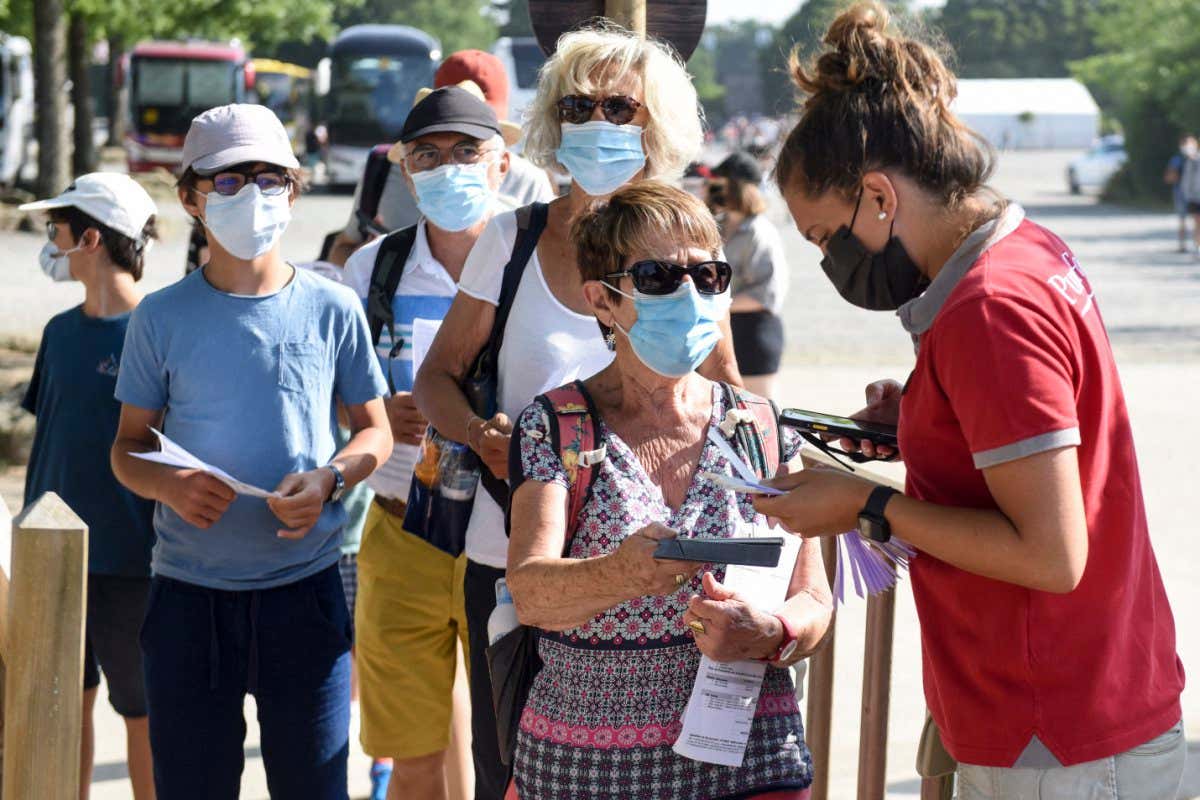

Theme park visitors show their covid passes in France, July 2021

Covid-19: What can we expect from the pandemic in 2022?

4 January 2022

In the third year of the coronavirus pandemic, expect more variants, lower death rates and some continuing restrictions
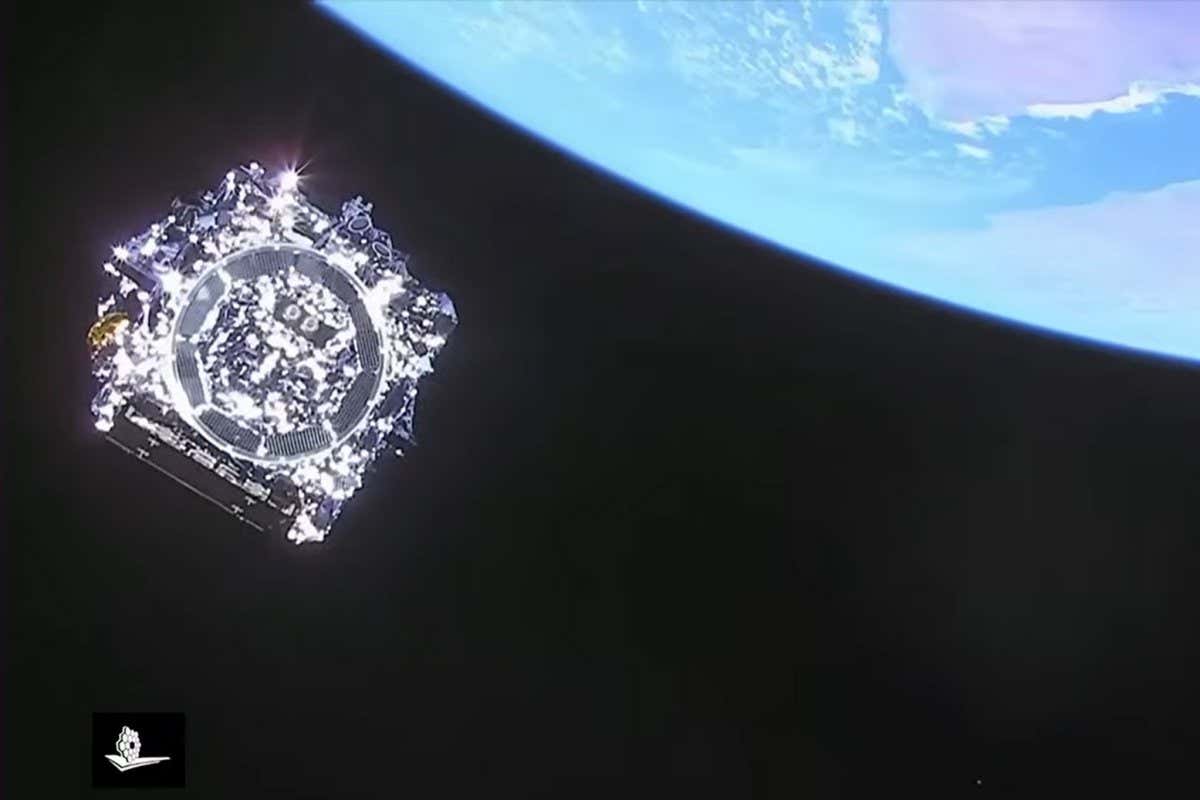

James Webb Space Telescope in orbit

James Webb Space Telescope is carrying out its most critical manoeuvre

4 January 2022

The massive space telescope, which launched on Christmas Day, is in the process of deploying its sunshield. If anything goes wrong, it could endanger the entire mission


A new hospital was rapidly built in Wuhan, China, in early 2020

Two years of covid-19: What we’ve learned during the pandemic so far

31 December 2021

It's now been two years since Chinese authorities first informed the World Health Organization about an unknown virus in Wuhan. How has our understanding of the virus changed since then and where does that leave us?
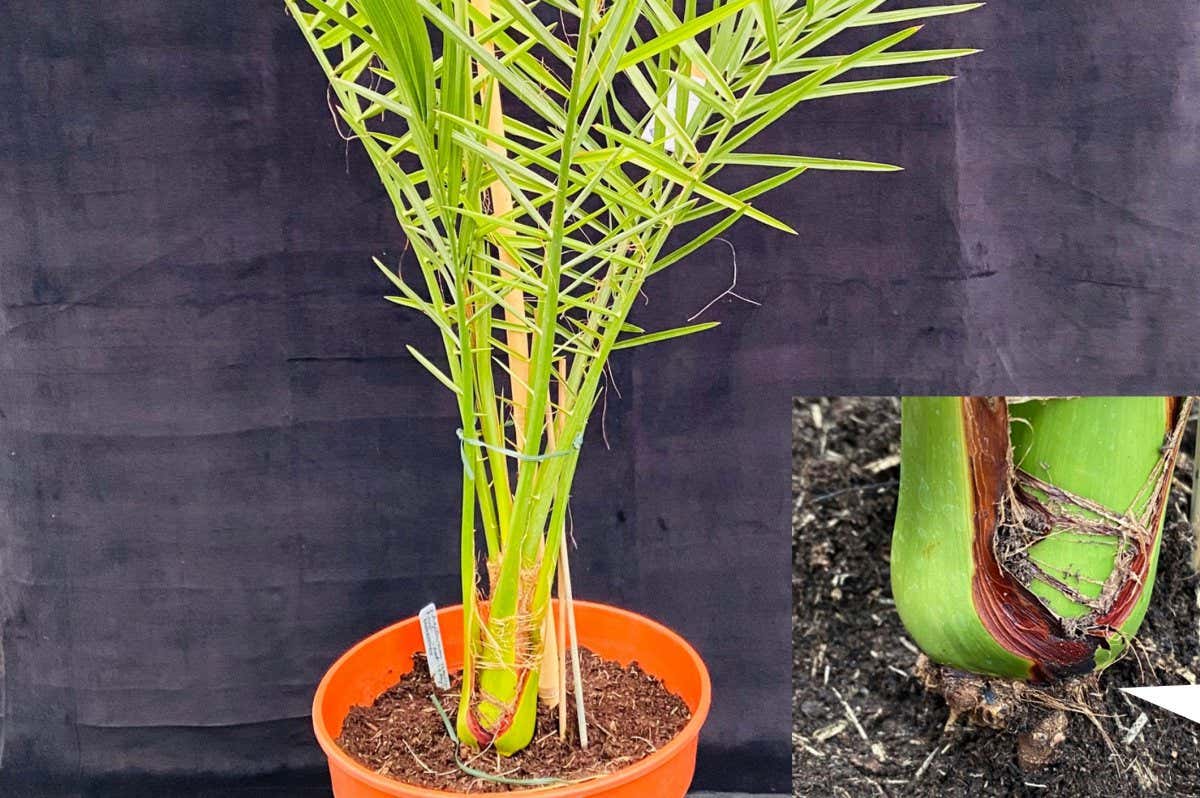

Date palm

‘Near impossible’ plant-growing technique could revolutionise farming

22 December 2021

For the first time, grafting has been made to work in monocots, a type of plant including oats, wheats and bananas – and it might improve disease tolerance among these important crops


The fossilised oviraptorosaur dinosaur embryo curled up in its egg

Fossilised dinosaur embryo found exquisitely preserved inside egg

21 December 2021

A 70 million-year-old oviraptorosaur egg that had been forgotten in a Chinese museum storeroom contains the most well-preserved dinosaur embryo ever discovered


Sign up to our weekly newsletter

Receive a weekly dose of discovery in your inbox. We'll also keep you up to date with New Scientist events and special offers.

Sign up
Piano Exit Overlay Banner Mobile Piano Exit Overlay Banner Desktop