Subscribe now
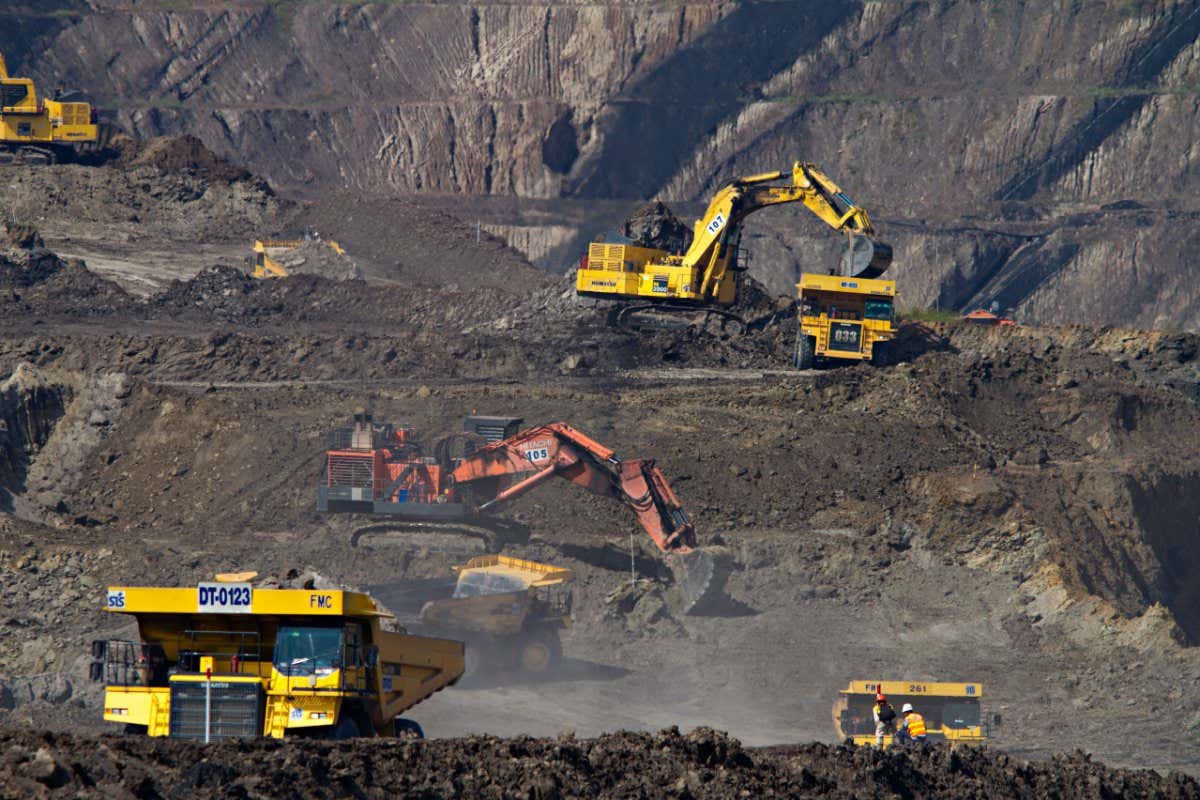
photographed while on an assignment for Indonesia?s largest coal mining company, South Kalimantan, Indonesia.

Six graphics that reveal what materials we consume – and what we waste

9 February 2022

We are devouring ever more biomass, fossil fuels, metals and minerals each year. These graphics show how, and the shocking picture of how much we throw away

Also picture very perfect

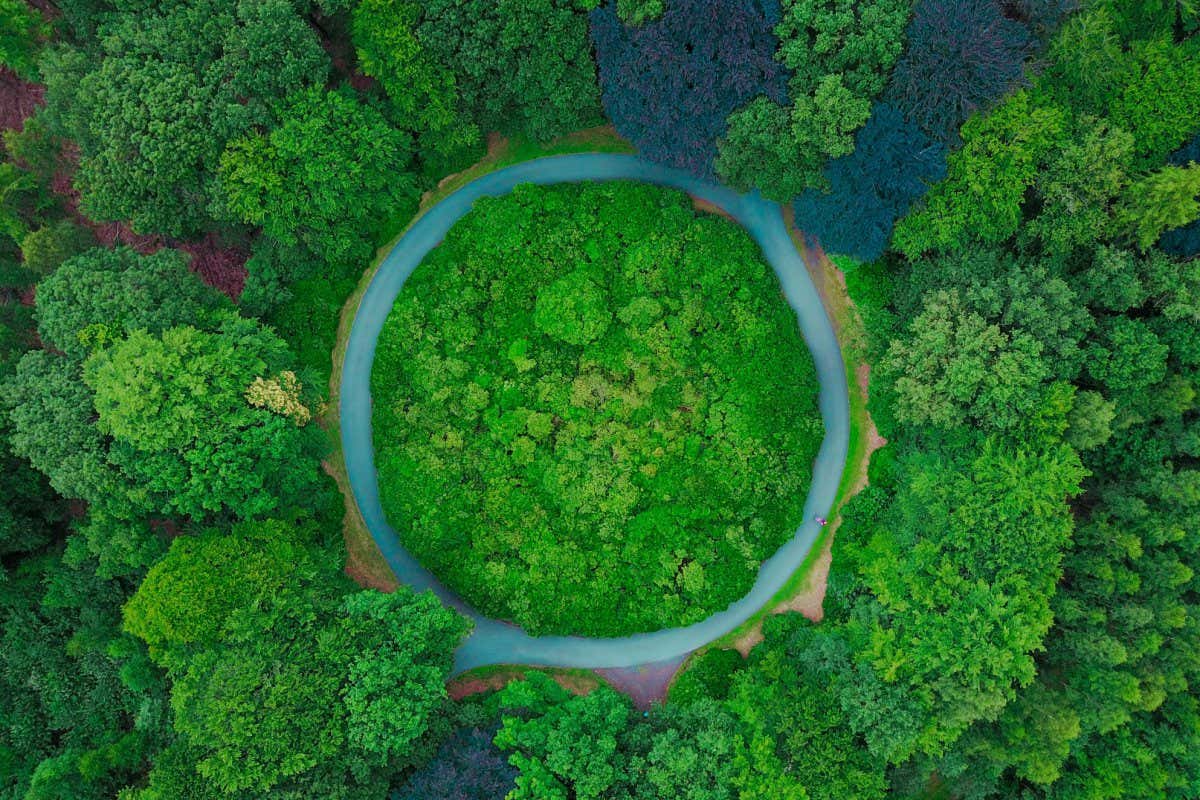
Janez Potočnik interview: How a circular economy can help us go green

9 February 2022

A sustainable future means using less stuff more wisely – but politicians aren’t yet grasping the nettle, says the head of the UN International Resource Panel
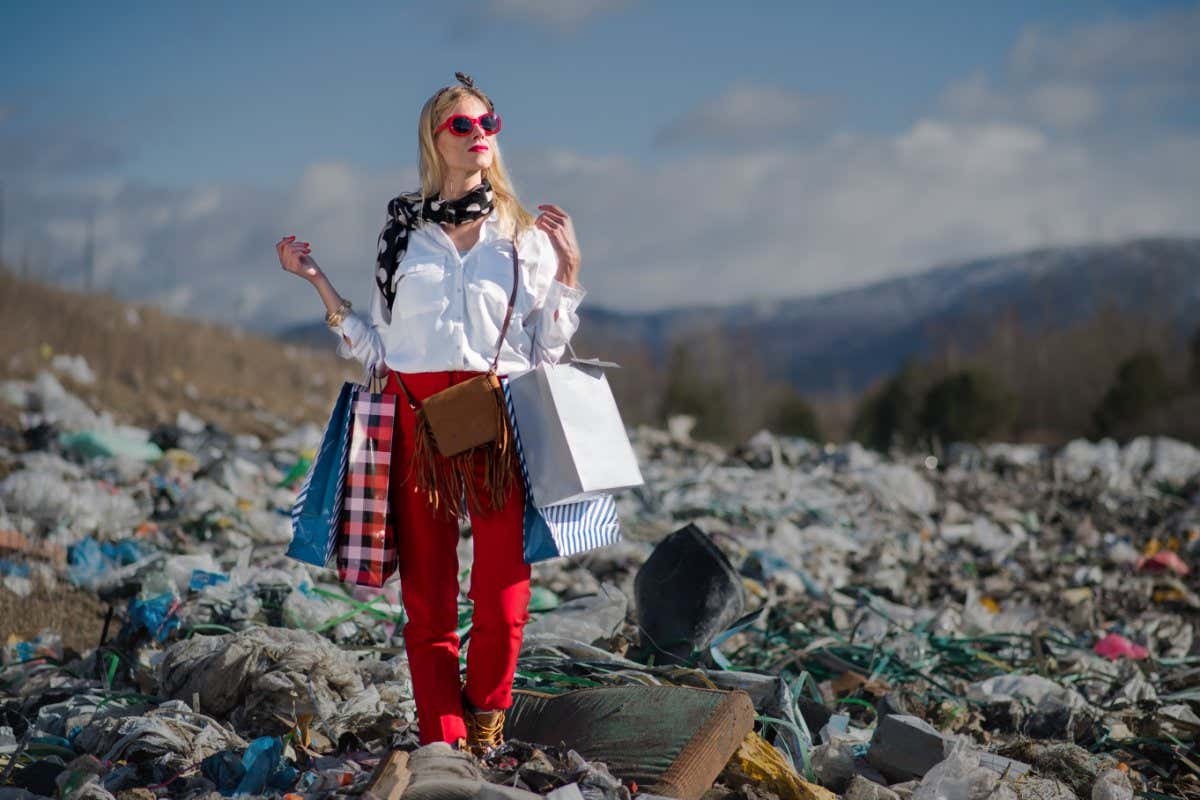

Fashionable modern woman on landfill, consumerism versus pollution concept.

How to cut material use in buildings, clothes, electronics and plastic

9 February 2022

A sustainable future means using less stuff more wisely – but politicians aren’t yet grasping the nettle, says the head of the UN International Resource Panel

The end of waste: The grand plan to build a truly circular economy

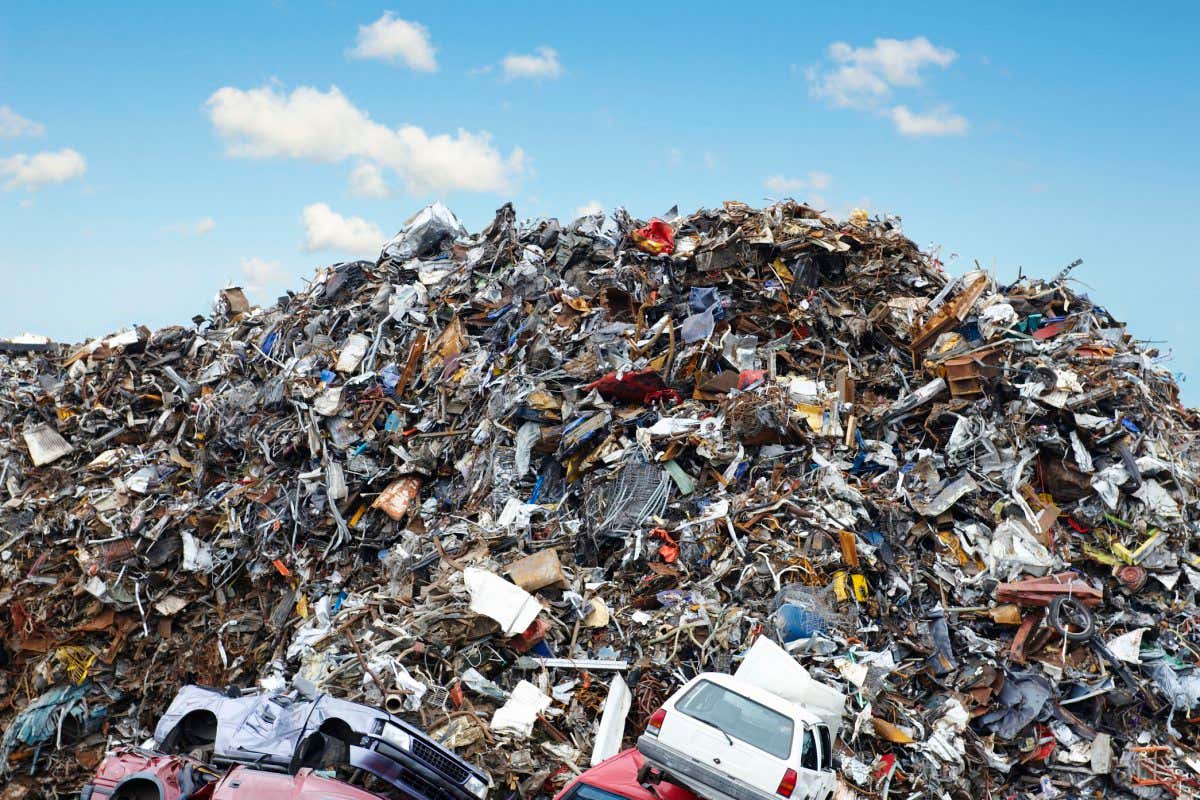
The end of waste: The grand plan to build a truly circular economy

9 February 2022

We hack almost 100 billion tonnes of stuff from Earth’s surface every year, and most of it goes to waste. Changing that means a complete overhaul of how we live
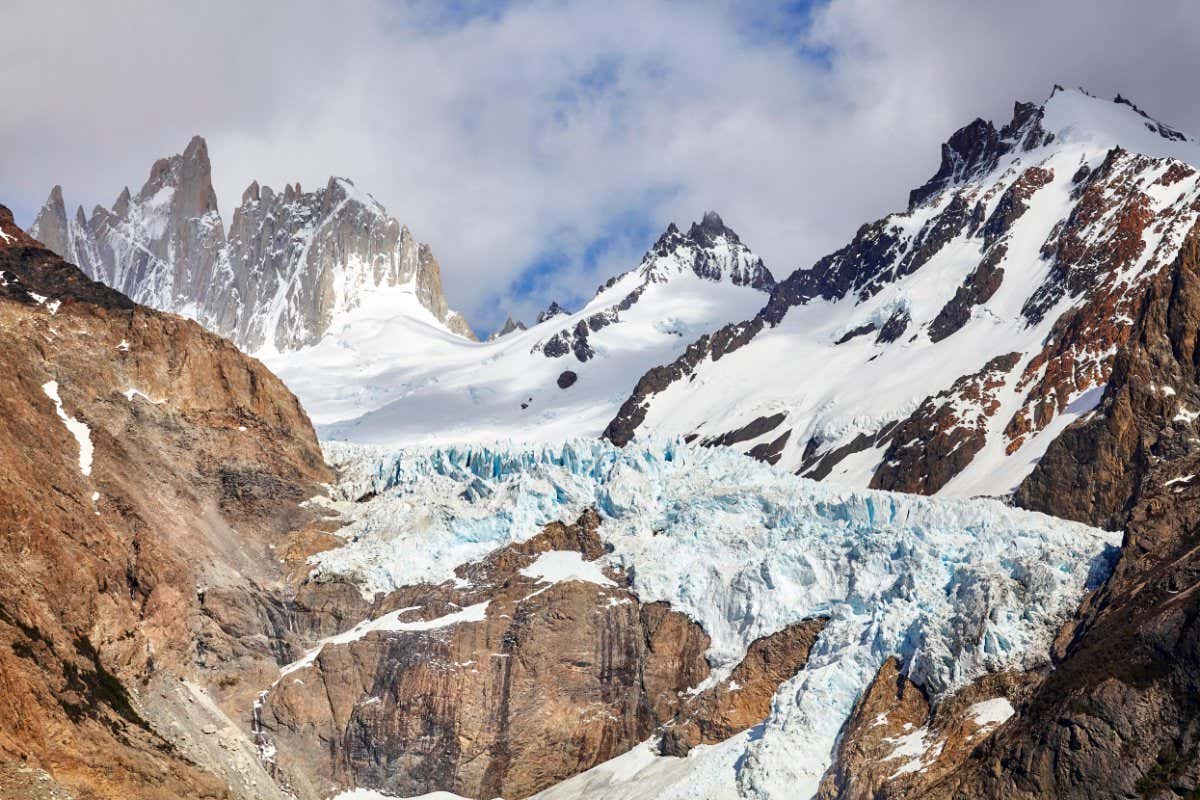

Glacier in the Fitz Roy Mountain Range, Los Glaciares National Park, Argentina.

Thin glaciers suggest Andes faces 'peak water' sooner than thought

7 February 2022

A new global analysis suggests glaciers in the Andes contain less ice than we thought – but the glaciers of the Himalayas are thicker


W57KD8 Panting happy dog sitting in a beautiful wildflower patch at St Abbs Head Nature Reserve, Scotland on a hot summer's day

Dog waste may harm nature reserve biodiversity by fertilising the soil

7 February 2022

Dogs’ urine and faeces bring large amounts of nitrogen and phosphorus into suburban nature reserves, which could be harmful to plant biodiversity
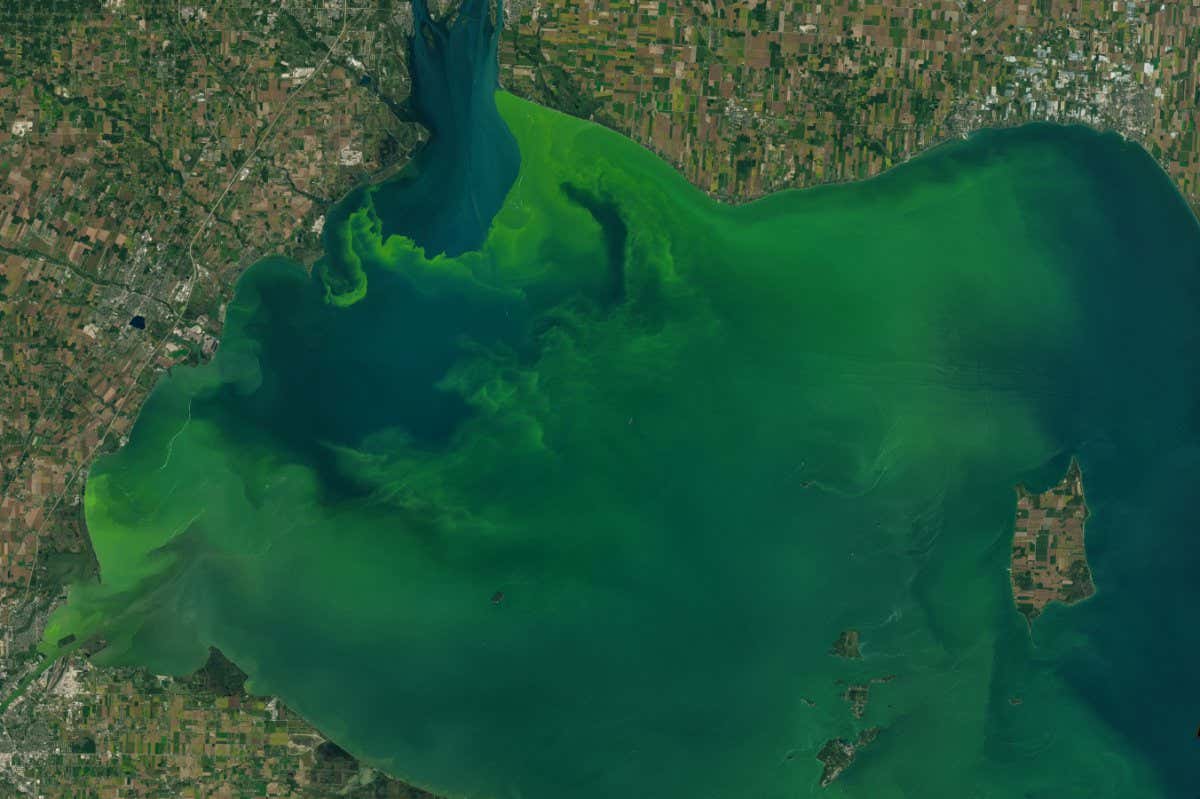

On September 26, 2017, the Operational Land Imager (OLI) on the Landsat 8 satellite captured these natural-color images of a large phytoplankton bloom in western Lake Erie. According to the National Oceanic and Atmospheric Administration, the bloom contains microcystis, a type of freshwater cyanobacteria. These phytoplankton produce toxins that can contaminate drinking water and pose a risk to human and animal health (skin irritant, respiratory distress) when there is direct contact. A few days earlier, the Moderate Resolution Imaging Spectroradiometer (MODIS) on NASA?s Terra satellite captured a wider view of the lake. Blooms tend to thrive in Lake Erie during summer, sustained by warm water temperatures and nutrients from farm runoff. This year, the bloom has been ongoing since mid-July. NASA Earth Observatory image by Joshua Stevens, using Landsat data from the U.S. Geological Survey. Caption by Kathryn Hansen.

Algal blooms in freshwater lakes are becoming more common worldwide

3 February 2022

Lakes across the world have seen an increase in algal blooms that strangle freshwater ecosystems, according to an analysis of satellite images from 1982 to 2019


gas boiler

England’s gas boiler ban for new homes should begin next year, say MPs

3 February 2022

A committee of MPs says the UK government should update plans to ban gas boilers from new homes, introducing the move next year rather than in 2025


KW40RY hong kong traffic jam

Hong Kong’s car pollution sensors help it clean its air in world first

2 February 2022

Carbon monoxide and nitrogen oxide pollution have fallen sharply in Hong Kong since it introduced a world-first scheme to detect and repair vehicles with the highest emissions


Sign up to our weekly newsletter

Receive a weekly dose of discovery in your inbox. We'll also keep you up to date with New Scientist events and special offers.

Sign up
Piano Exit Overlay Banner Mobile Piano Exit Overlay Banner Desktop