This week’s new questions
2 March 2022
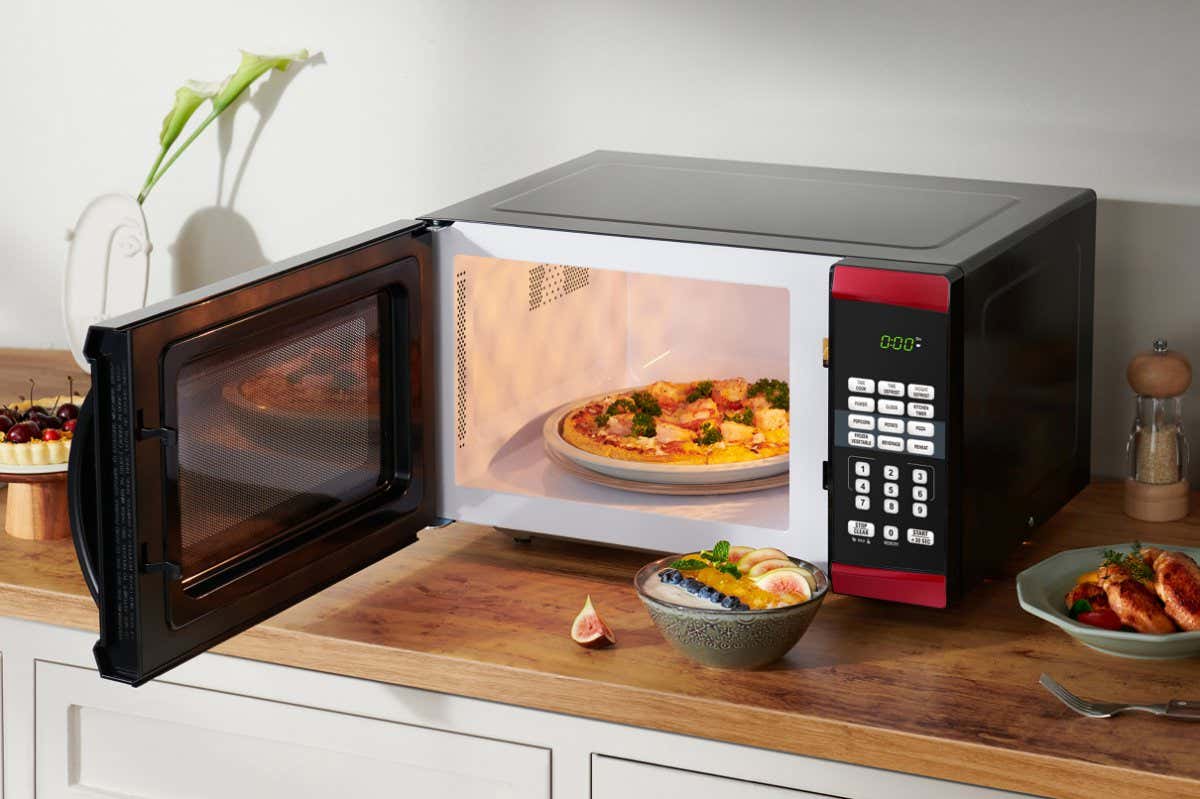
Does food cooked in the microwave really taste different to that cooked conventionally? And how many humans would be alive today if agriculture had never been invented?
2 March 2022
Does food cooked in the microwave really taste different to that cooked conventionally? And how many humans would be alive today if agriculture had never been invented?
2 March 2022
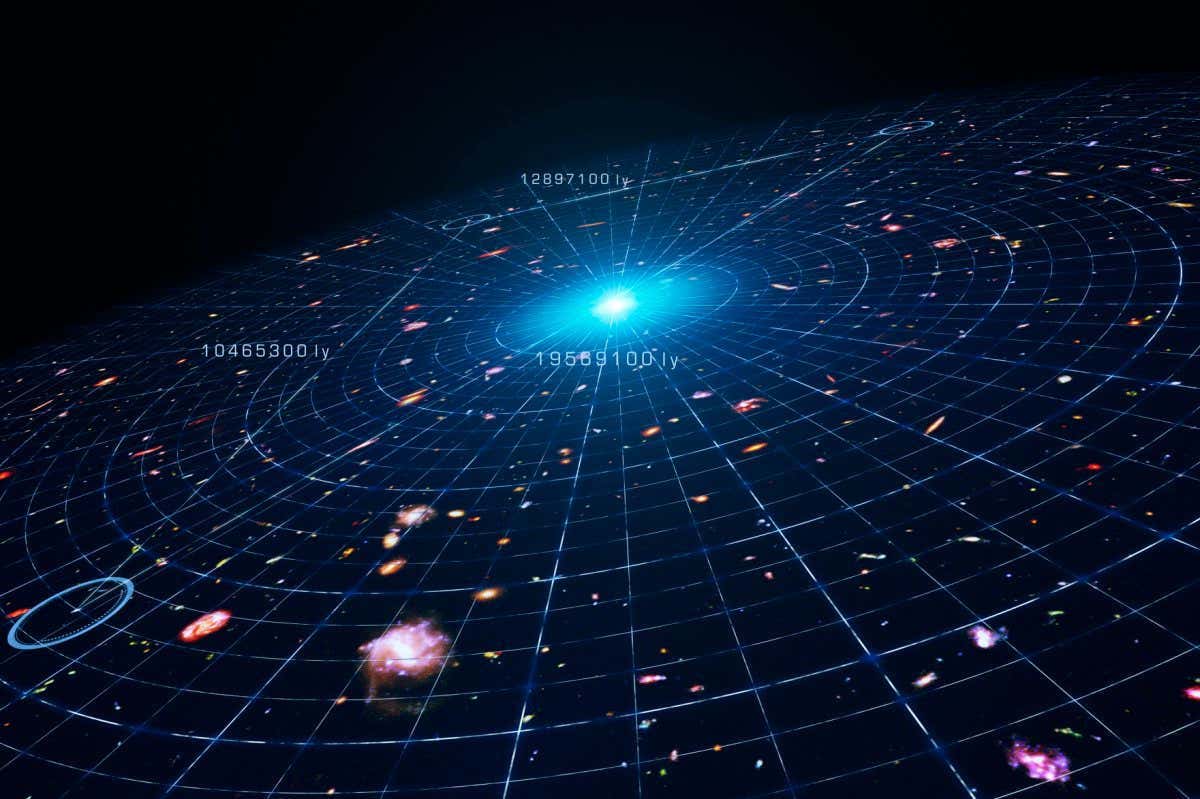
Perhaps the universe isn’t expanding say our readers, whose heads are hurting at the implications of its infinite nature

2 March 2022
I want to preserve scenes from my childhood (currently on DVDs) for at least the next 100 years. With technology progressing so rapidly, what is the best format for this? (continued)

2 March 2022
Phosphorescence is all down to tardy, excited electrons, and without this there would be no glow-in-the-dark paints

2 March 2022
Can you solve this week’s meteorological logic puzzle, Weather or not? Plus the answer to puzzle #156
2 March 2022
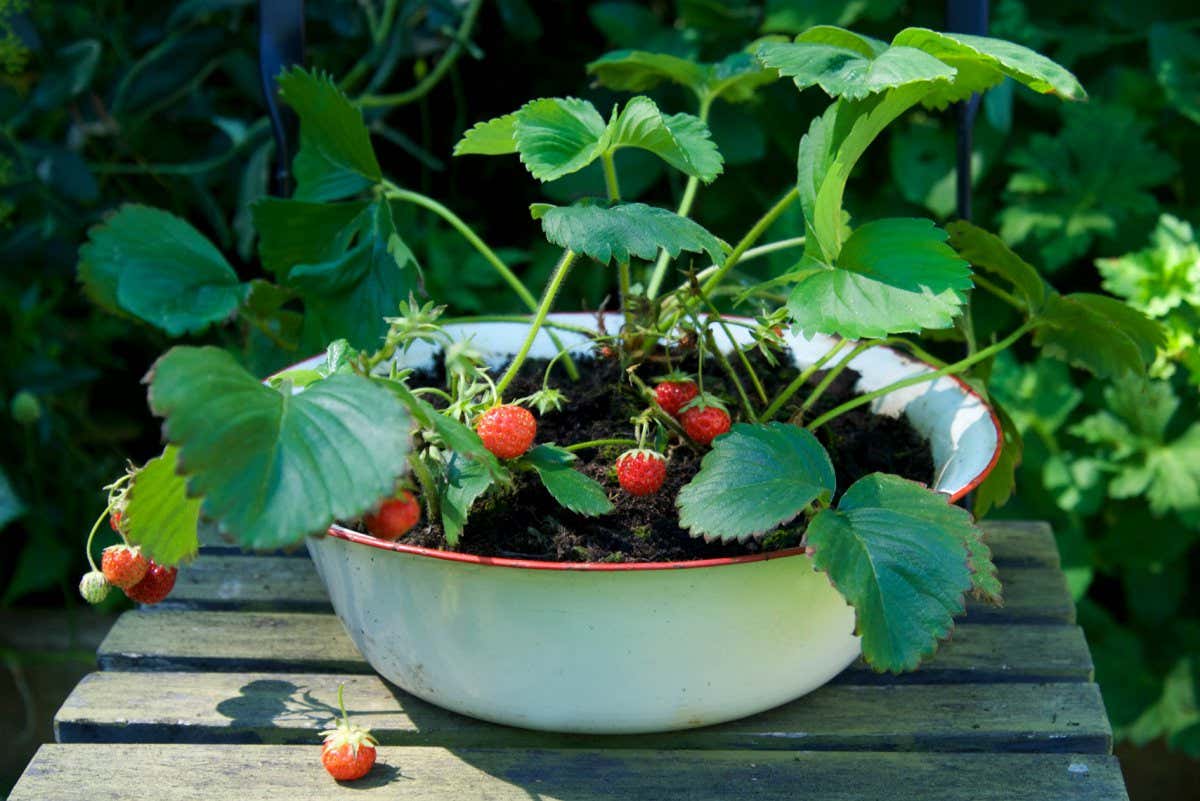
Shop-bought strawberries can taste disappointing, but home grown ones are delicious. Here's how to succeed in growing these delicate fruits, says Clare Wilson

2 March 2022
Invasive slugs and snails are not only troublesome for gardeners – they cause millions of dollars’ worth of damage to crops every year. Ecologist Rory Mc Donnell is on a mission to find evidence-based ways to get rid of these pesky gastropods

2 March 2022
A growing body of evidence suggests that doing things that make your sense of self fall away can make people happier, less stressed and even kinder to others. Here's our short guide to achieving this state

2 March 2022
The parkour element of Dying Light 2 Stay Human makes escaping from the undead tremendous fun, but the gameplay is fairly predictable, says Jacob Aron

2 March 2022
New Scientist's weekly round-up of the best books, films, TV series, games and more that you shouldn't miss
