
Quick crossword #103: Agent that alters genetic material (7)
10 March 2022
Challenge your brain by solving New Scientist's weekly crosswords on your mobile, tablet or desktop
10 March 2022
Challenge your brain by solving New Scientist's weekly crosswords on your mobile, tablet or desktop
9 March 2022
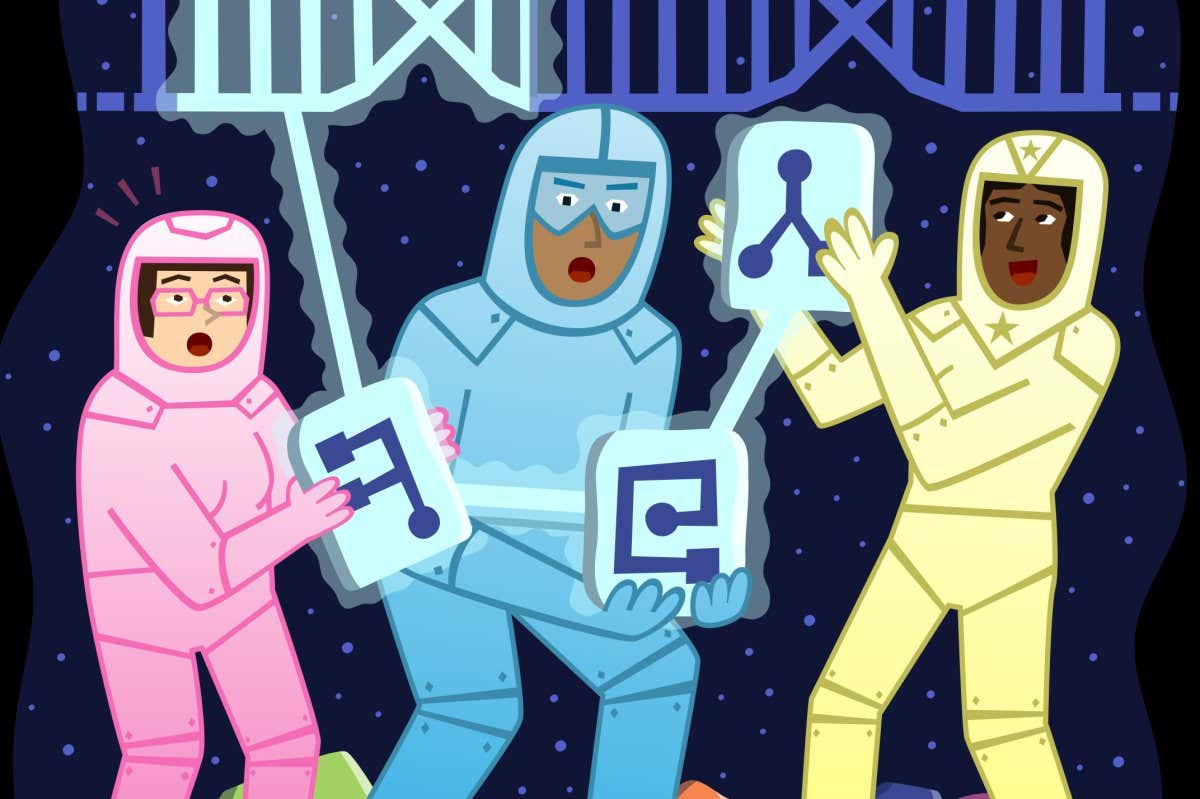
DNA becomes disordered inside cancer cells, and playing GENIGMA on your smartphone will help researchers discover the dangerous forms DNA can fold into, says Layal Liverpool
9 March 2022
Can you solve this week’s sporty puzzle League of Nations? Plus the answer to puzzle #157
9 March 2022
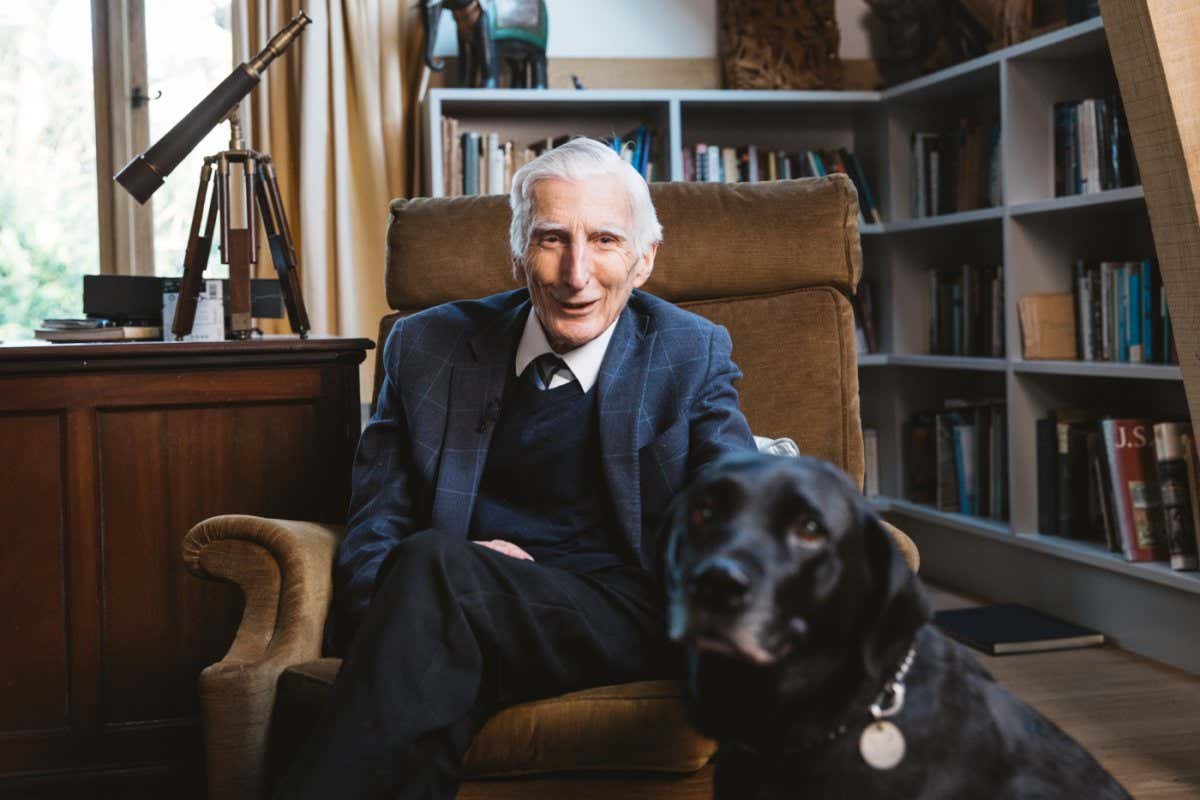
Astronomer Royal Martin Rees discusses the most extraordinary aspects of his distinguished career, from black holes to billionaires in space and the prospects of life beyond Earth

9 March 2022
From mosquitoes and rats to foxes and birds, the urban environment is transforming animals that live among us – but which new species should we expect next?

9 March 2022
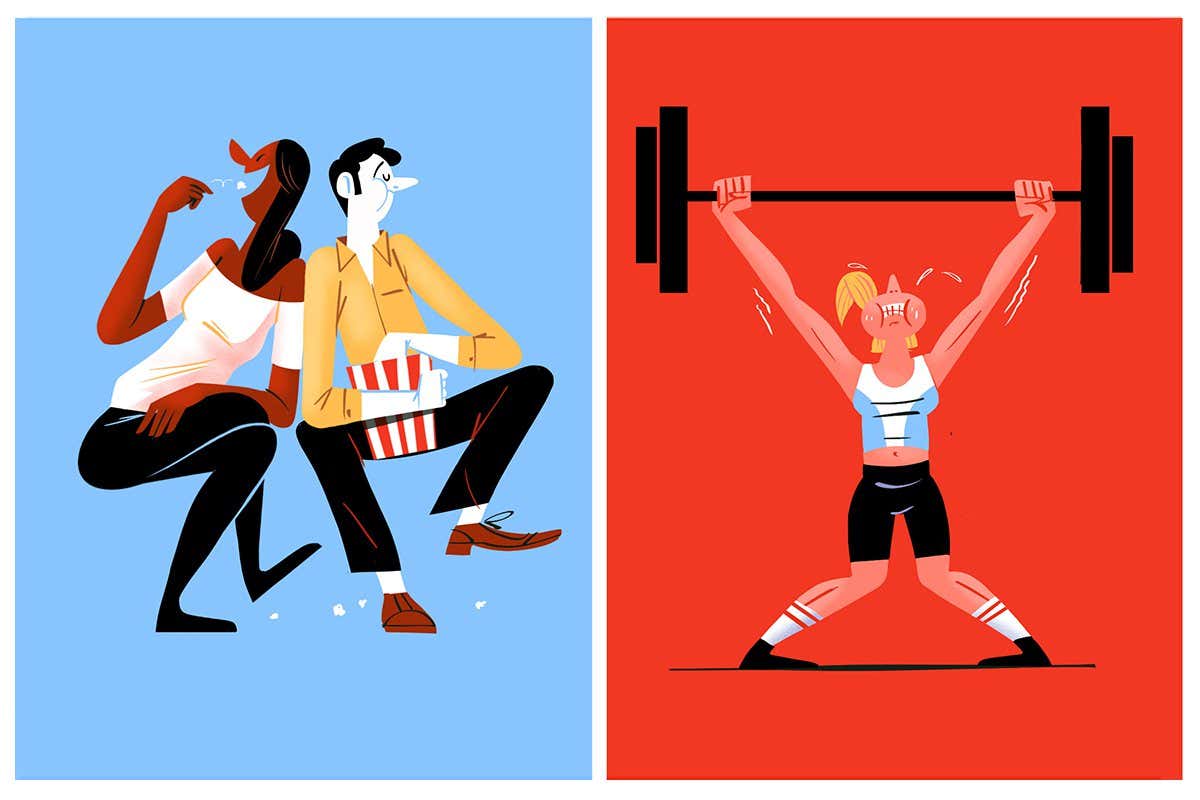
"Deliberate erring" offers a surprising but effective way to enhance your memory and improve how you perform in many unexpected areas of life, says David Robson
9 March 2022
It's a myth that extra belly fat in middle age is due to a slowing metabolism – and now we know what really causes the dreaded spread we can also fix it
8 March 2022
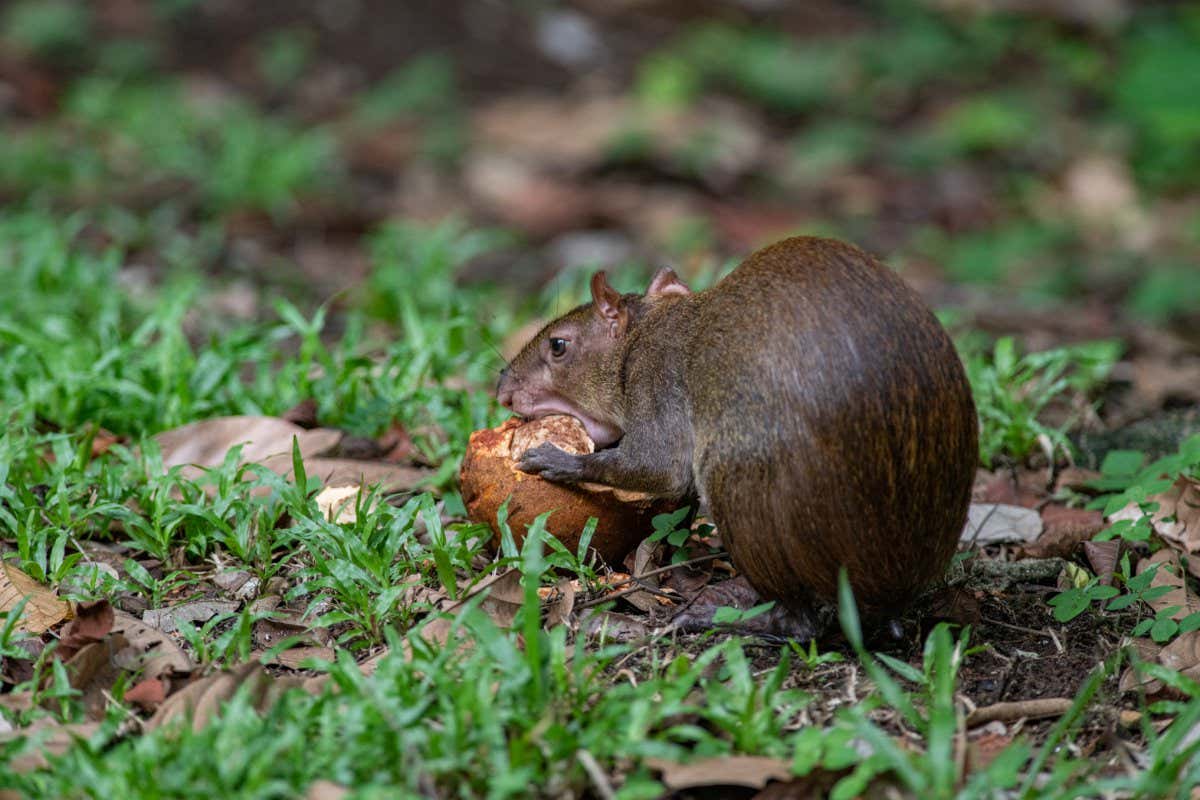
As rodents called agoutis avoid areas where ocelots prowl, they spread fewer of the palm seeds they eat, which could lead to a cascade of changes in biodiversity throughout Panama’s forests

8 March 2022
Covid-19 cases are soaring in Hong Kong, and the government’s focus on testing instead of vaccinating older populations may be the reason deaths are spiking and hospitals are overwhelmed

8 March 2022
Rainbow, an algorithm that was supposed to protect data from hacking by quantum computers, has been defeated using a standard laptop
