
Cryptic crossword #84: Colourful bands improved carpets (7)
26 May 2022
Challenge your brain by solving New Scientist's weekly crosswords on your mobile, tablet or desktop
26 May 2022
Challenge your brain by solving New Scientist's weekly crosswords on your mobile, tablet or desktop

25 May 2022
Research supports what Darwin said in 1872 – dogs express emotions in a way recognisable to humans. Governments must do more to protect them, says Jules Howard
25 May 2022
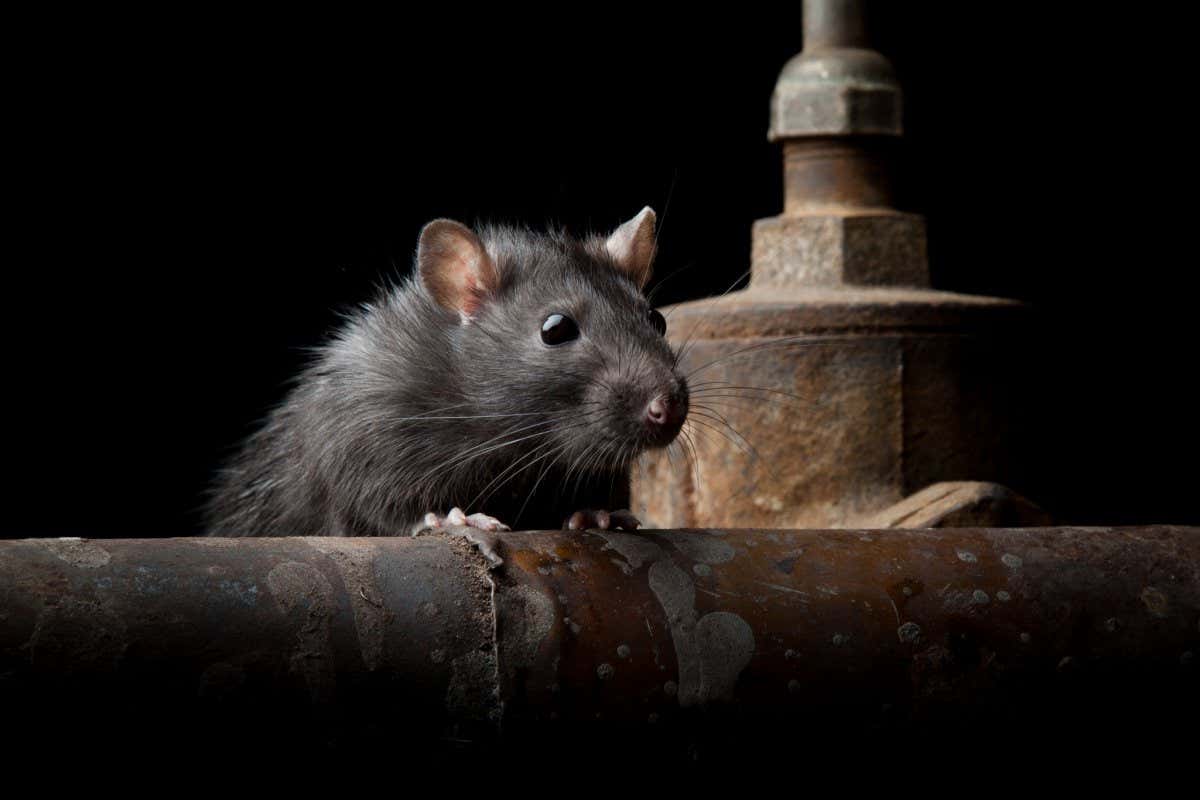
Plague may seem like an ancient disease, but the bacterium that causes it persists in rodents and fleas around the world. Researchers are warning that it could resurface in a form that our antibiotics can't treat and cause another pandemic

25 May 2022
Some scientists insist that the cause of all things exists at the most fundamental level, even in systems as complex as brains and people. What if it isn't so?
25 May 2022
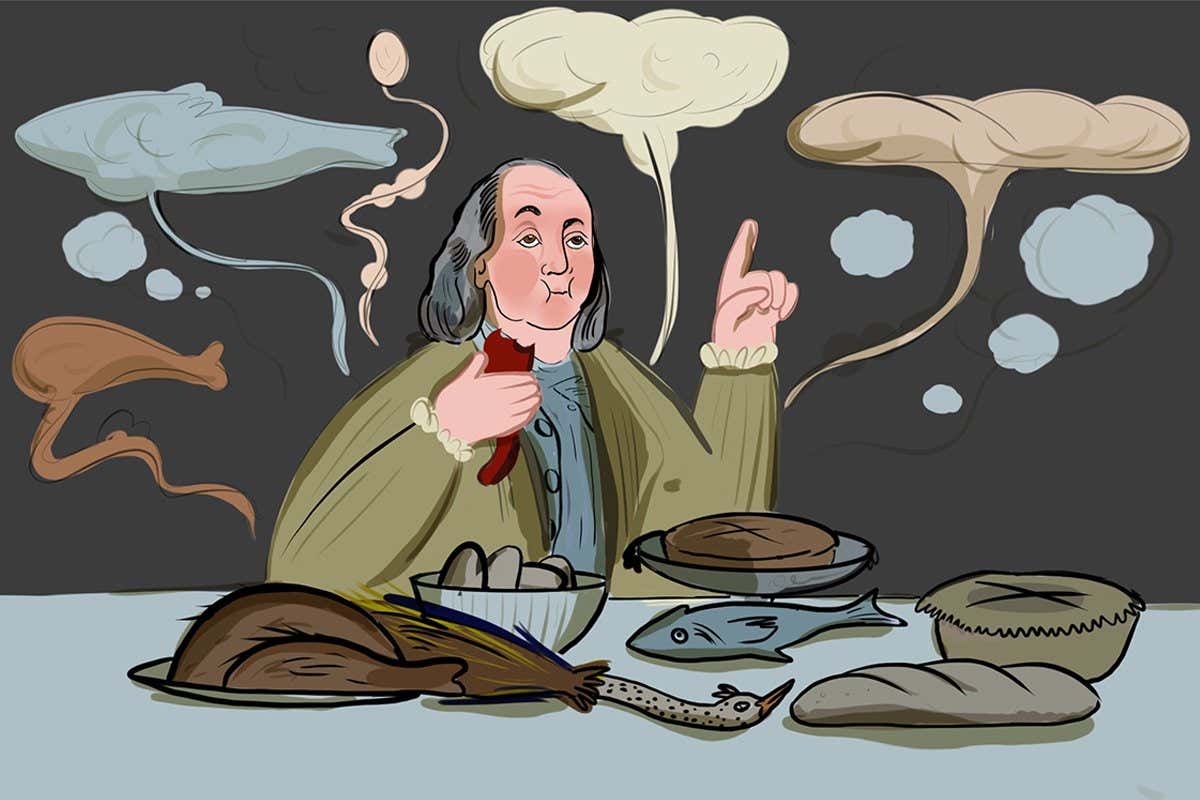
This week's Feedback explores the 18th-century polymath's essay on the gaseous emissions of humanity, delves into Elon Musk's robotic qualities and raises an eyebrow at Matt Hancock's interest in cryptocurrencies
25 May 2022
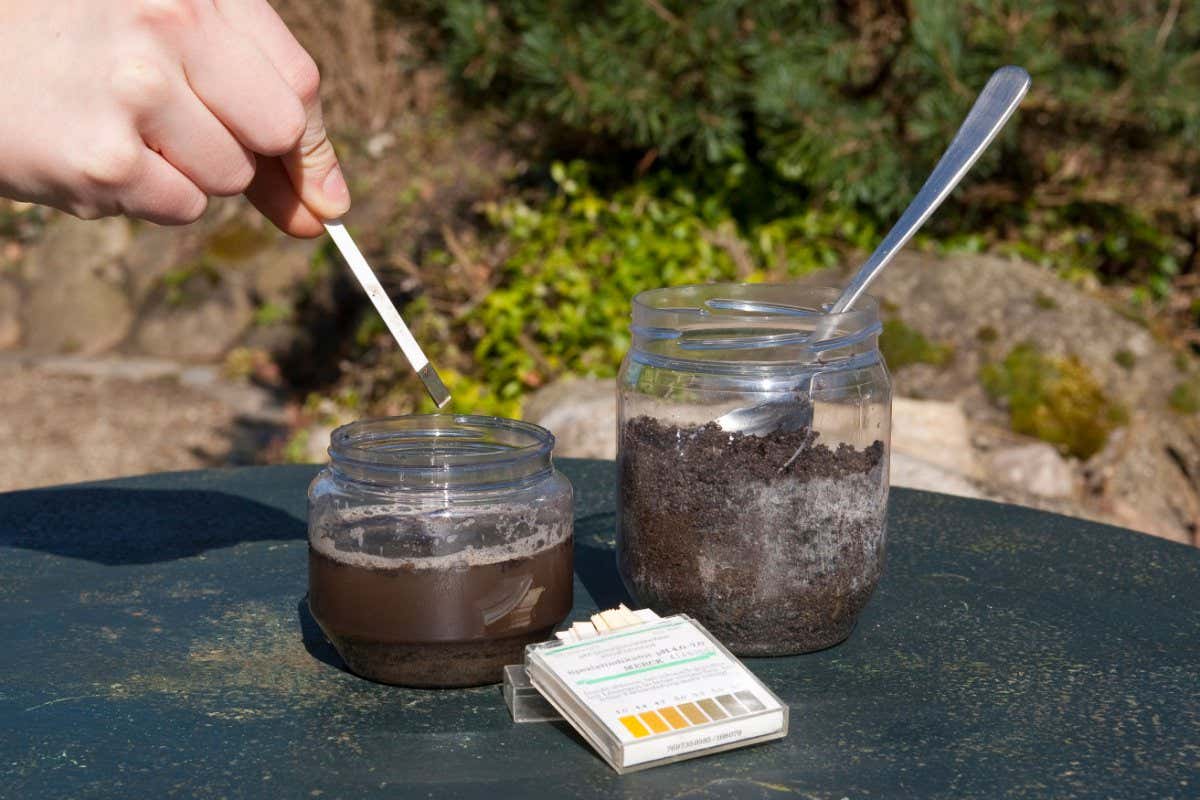
Finding out how acidic or alkaline your soil is means you can select the right plants for it, and maximise their chance of thriving, says Clare Wilson
25 May 2022
Society must balance the pros and cons of nuclear energy and work out the massive issue of who foots the bills when power stations go over budget
25 May 2022
What shape would a candle flame be in zero gravity? Plus: It is often stated that the human brain is the most complex object in the universe, but is it more complex than, say, Earth’s biosphere?

25 May 2022
It’s human chauvinism to assume not, argues one reader, and another shares his experience of how his dogs respond to death

25 May 2022
Magnetic fields may possibly influence the climate, due to their impact on galactic cosmic rays blasted at Earth from space
