
Cryptic crossword #89: Refined oil is not sugar (8)
4 August 2022
Challenge your brain by solving New Scientist's weekly crosswords on your mobile, tablet or desktop
4 August 2022
Challenge your brain by solving New Scientist's weekly crosswords on your mobile, tablet or desktop
3 August 2022
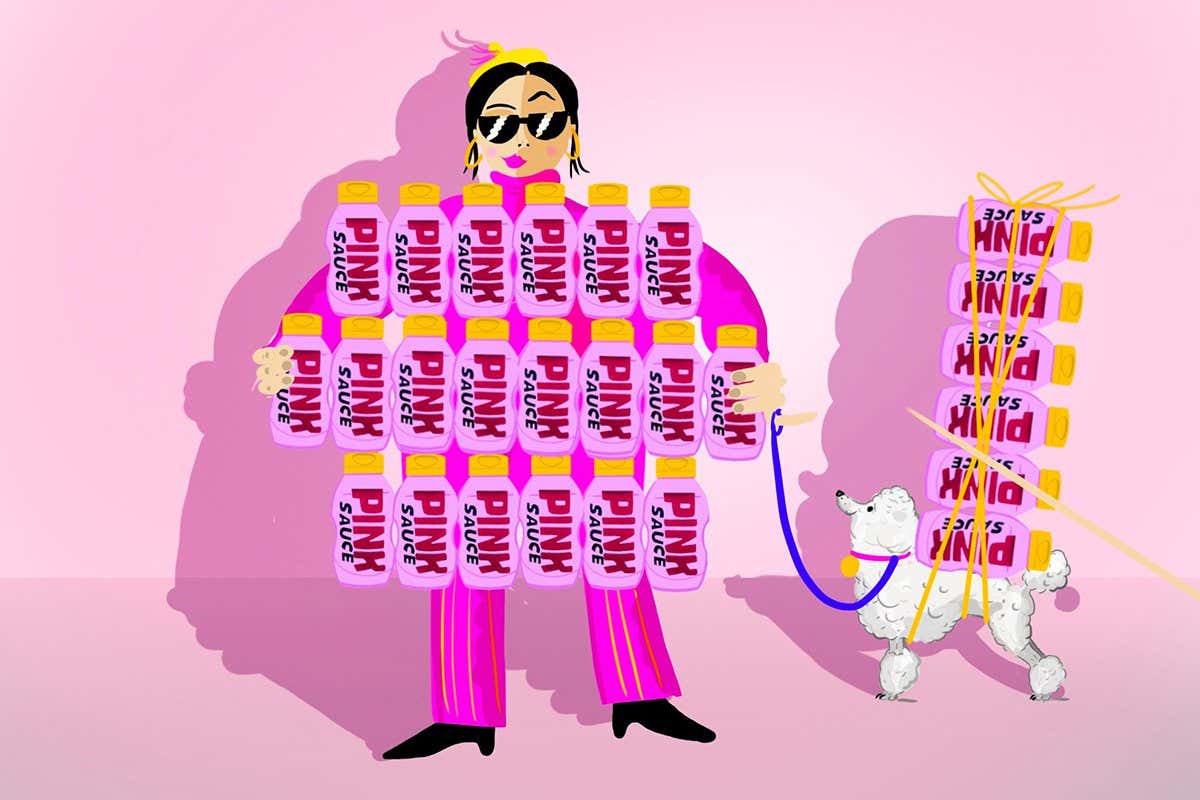
Feedback investigates the powerful reach of a proprietary condiment, while also looking into the chess robot that broke its opponent’s finger - and a disturbing update to the latest Sims video game
3 August 2022
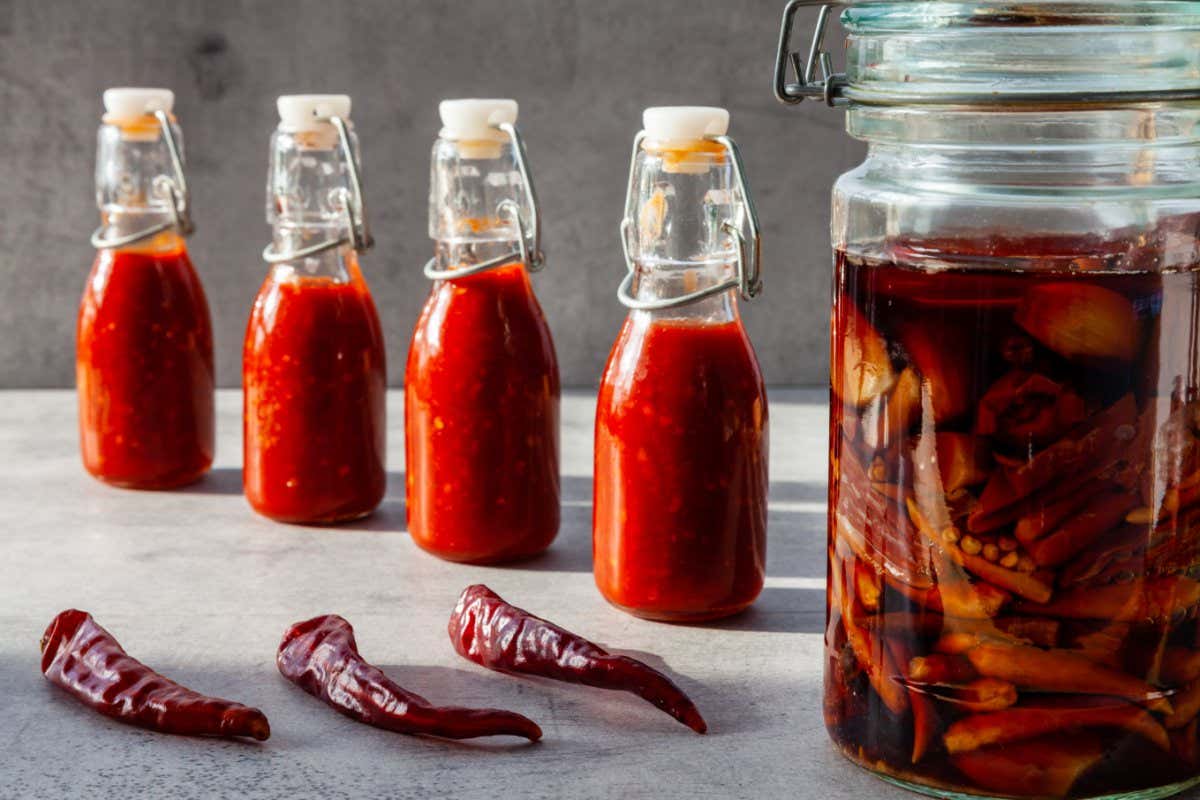
It might sound daunting, but fermentation can be used to make hot sauces packed with flavourful compounds, says Sam Wong
3 August 2022
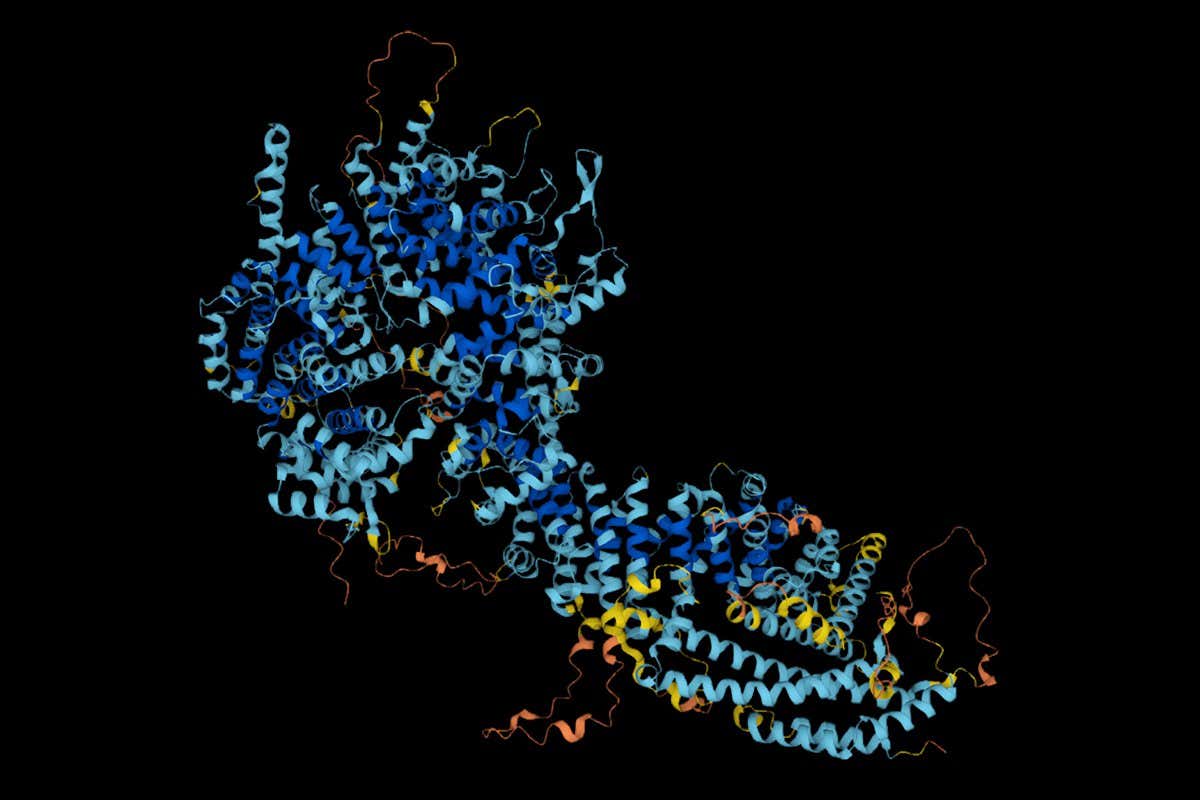
Artificial intelligence has turned its power on deciphering the complex structures of proteins, the substances behind many vital processes in cells. It is a great boost for biology and, ultimately, wider society
3 August 2022
Is jet lag worse if you go east rather than west? And why do humans have pubic hair, when other ‘hairless’ mammals like pigs and elephants manage without it

3 August 2022
Crocodiles get their explosive power from a type of fibre in their muscles, and are well adapted to a sedentary life, say our readers
3 August 2022
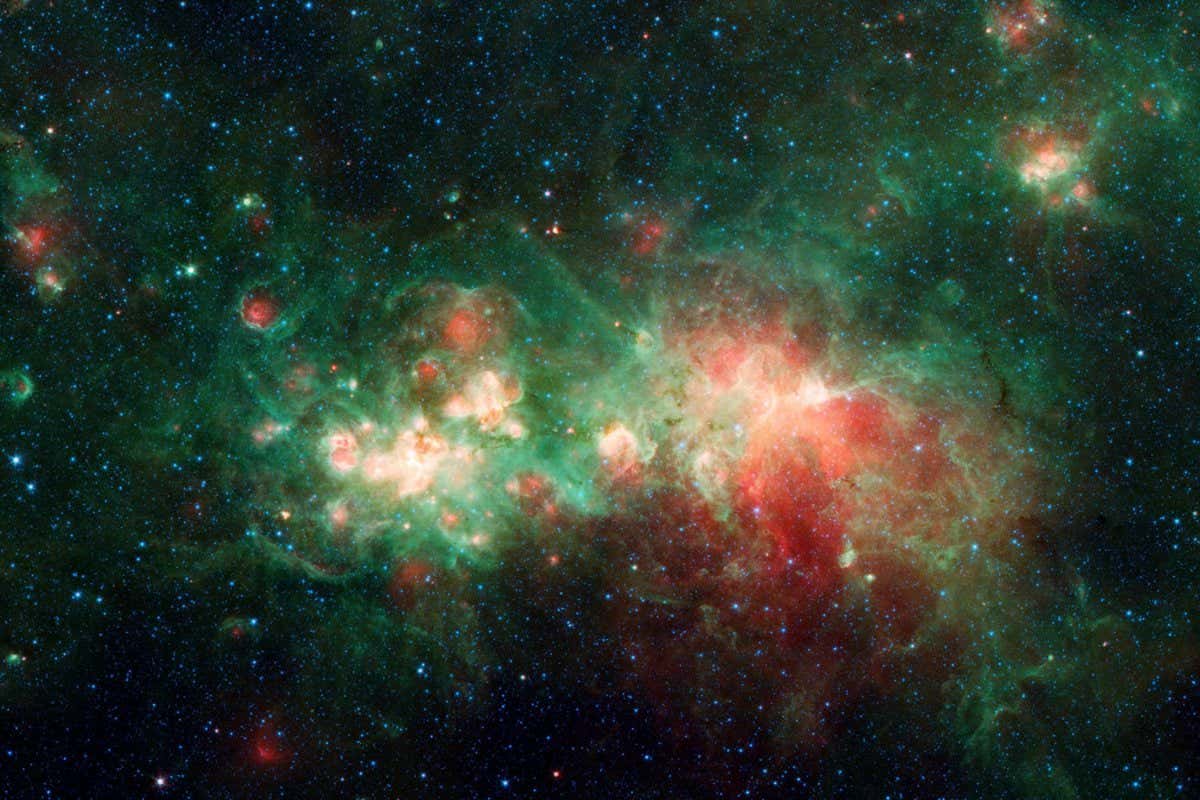
Our readers debate how, if the universe might be infinite in size, it is logically possible to attain an infinite size from a finite starting point
3 August 2022
Can you solve this week’s arithmetical puzzle, Martian food? Plus the answer to puzzle #178

3 August 2022
An expedition recovered 55 specimens of marine megafauna from the seabed of the Clarion-Clipperton Zone (CCZ) in the Pacific Ocean, 39 of which may be species new to science

3 August 2022
An intriguing documentary about the life and adventures of Ranulph Fiennes, one of the last hero-explorers of our time, packs an altogether different punch at the end, discovers Simon Ings
