Subscribe now
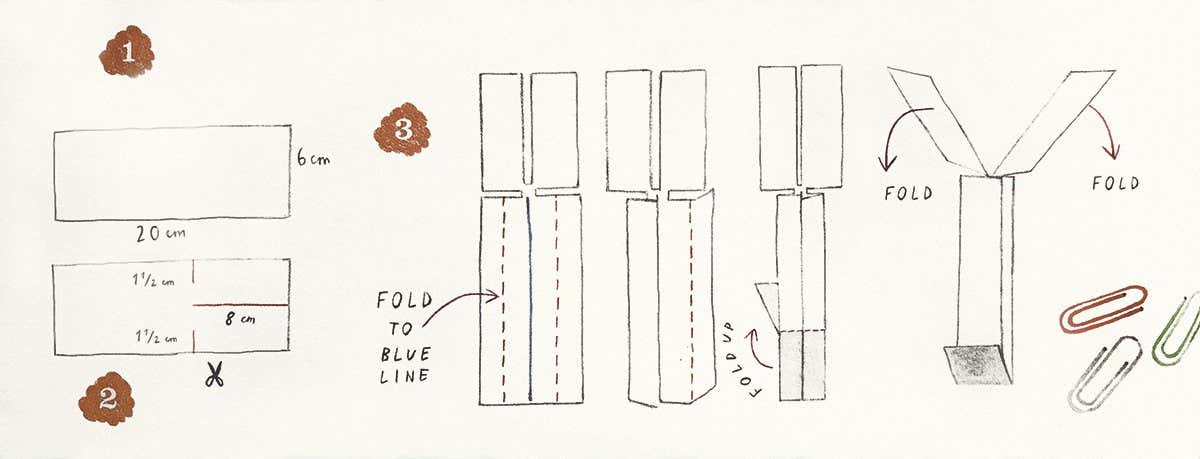
Show your children how to make paper helicopters for home experiments

Show your children how to make paper helicopters for home experiments

24 August 2022

Most children can fold a paper plane, but Alom Shaha prefers paper helicopters – and they are better for experimenting with
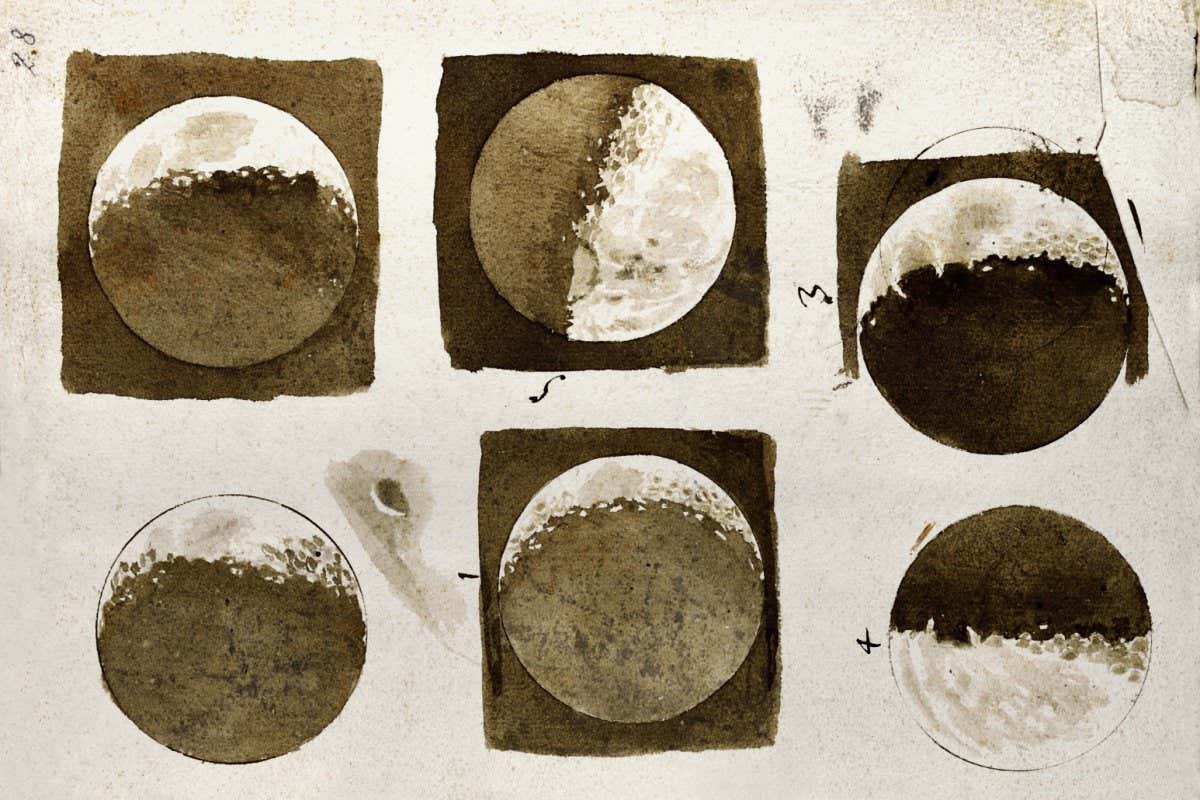

FEATURE CROP ONLY Galileos watercolours of the moon 'By courtesy of the Ministry of Cultural Heritage and Activities (MiBACT), Central National Library of Florence, Ban of Reproduction

Scientific illustrations illuminate work by Galileo, Einstein and more

24 August 2022

Taken from Anna EscardÓ's book Science Illustration: A history of visual knowledge from the 15th century to today, these images range from Galileo's watercolours to a sketch from Einstein's notebook


A man working on a laptop at home at night.; Shutterstock ID 1069794632; purchase_order: -; job: -; client: -; other: -

Two noir sci-fi novels show crushing despair can make great reading

24 August 2022

Victor Manibo's The Sleepless and Joma West's Face are noir-inflected novels that compel with their bleak visions and great writing, both coming from distinct perspectives, says Sally Adee
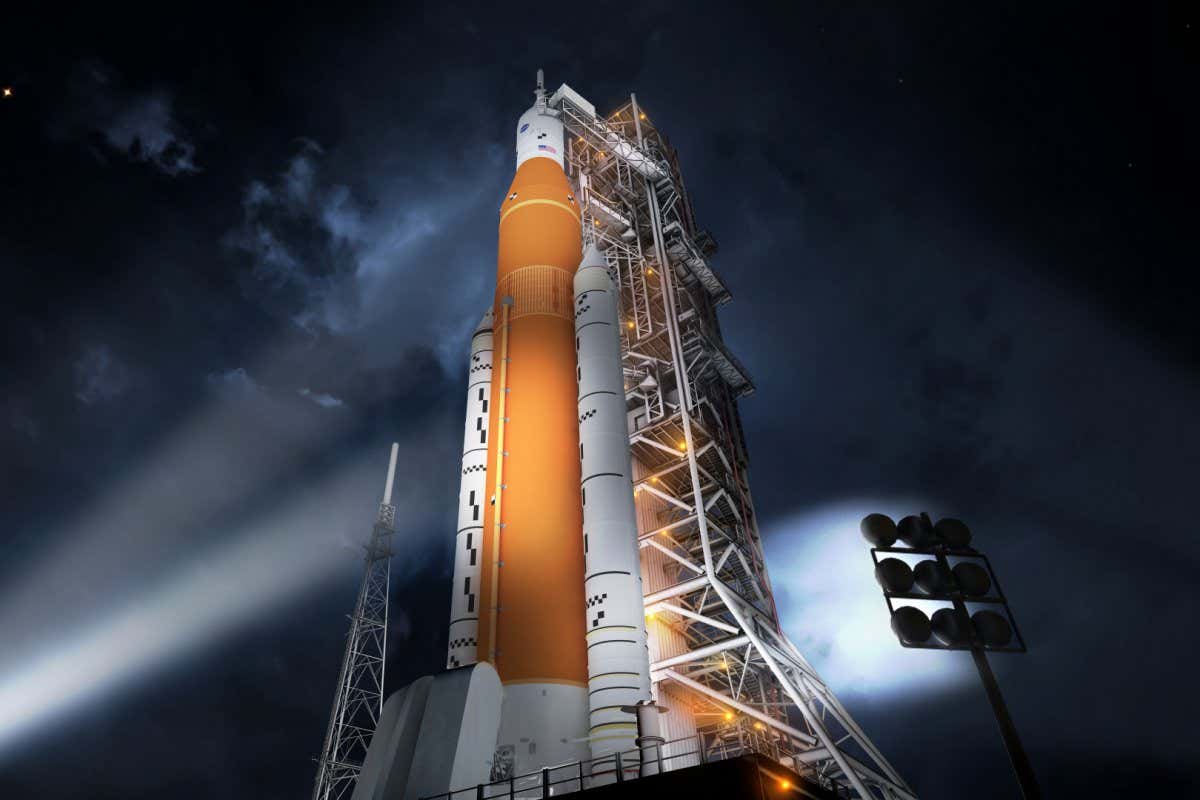

Artist concept of the SLS Block 1 configuration.

Don't Miss: NASA's first steps toward new moon mission via Orion trial

24 August 2022

New Scientist's weekly round-up of the best books, films, TV series, games and more that you shouldn't miss
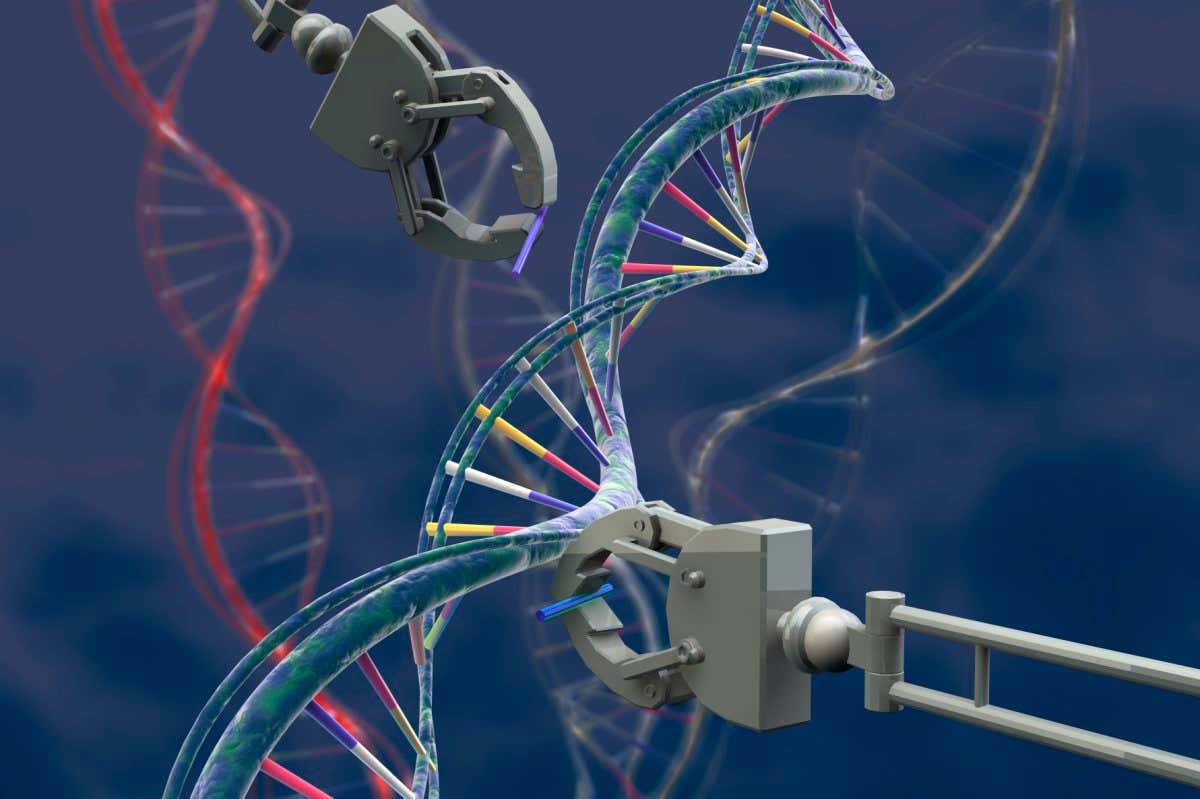

Genetic engineering, conceptual illustration. Robot hand editing a DNA (deoxyribonucleic acid) molecule to alter and rearrange an organism's genetic material. DNA is composed of two strands twisted into a double helix. Each strand consists of an outer sugar-phosphate backbone with nucleotide bases attached. The sequence of these bases forms the genetic code, determining each cell's structure, function and behaviour. Inserting new DNA into a section of original DNA will alter the instructions from this region.

The Genetic Age review: Is genetic engineering a costly distraction?

24 August 2022

Matthew Cobb's latest book is a disturbing history of genetic engineering, which asks whether it is worth the money – or the risk
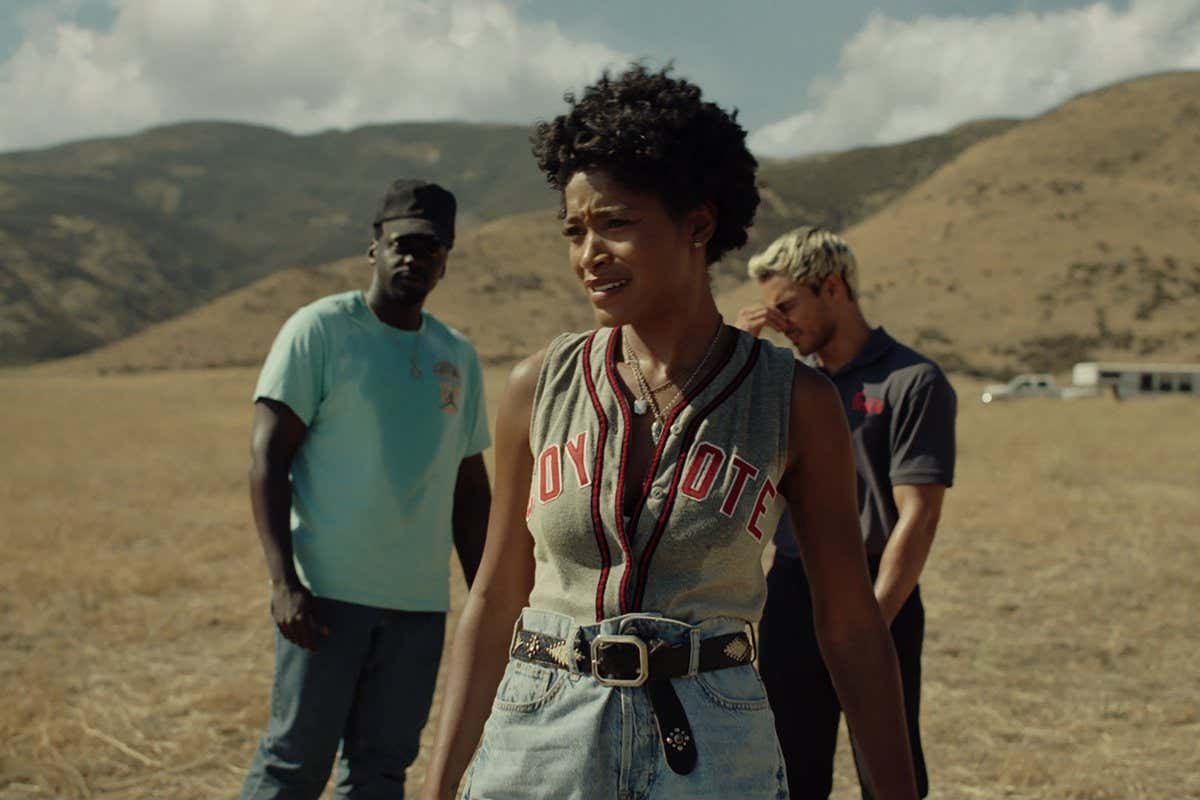

L to R: Daniel Kaluuya, Keke Palmer, and Brandon Perea in NOPE, written, produced, and directed by Jordan Peele.

Nope review: Jordan Peele UFO horror is packed with interesting ideas

24 August 2022

Nope might adopt the flying saucer cliché, but this beautifully shot spectacle from director Jordan Peele breathes new life into the sci-fi horror genre
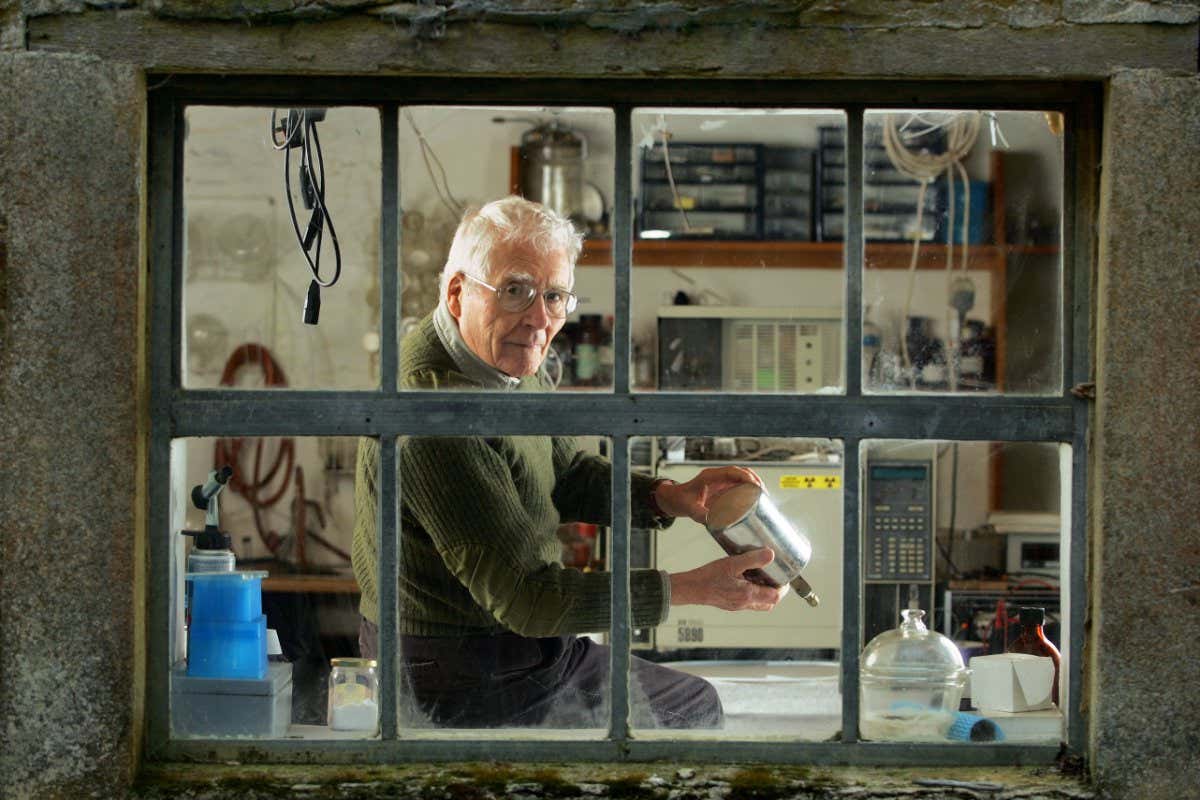

A4GTM3 Author, ecologist, inventor and scientist Professor James Lovelock in his laboratory at home on the Devon Cornwall border UK.. Image shot 2004. Exact date unknown.

Writing Gaia review: The letters of James Lovelock and Lynn Margulis

24 August 2022

Nearly forty years of letters between the two scientists who co-developed the paradigm-changing Gaia hypothesis make for fascinating, humanising reading


R1XNWN Rooftop gardens on modern office buildings in downtown Vancouver, BC, Canada

Why I love the proliferation of green roofs and living walls

24 August 2022

Green roofs have existed for more than 2000 years, but, along with living walls, they are becoming more popular – and provide major eco-benefits, writes Beronda L. Montgomery
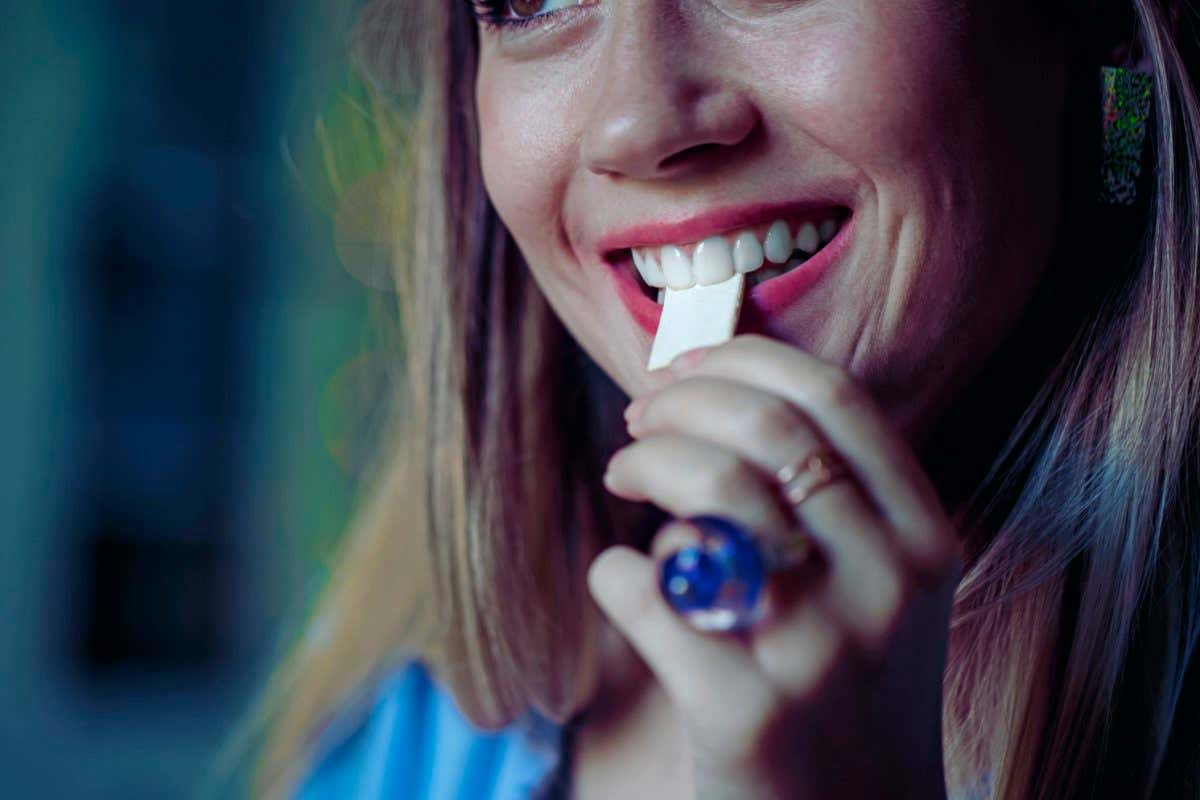

Chewing gum

Chewing can increase your body's energy use by up to 15 per cent

17 August 2022

Researchers used a plastic dome placed over people's heads to measure how much energy they expended chewing gum versus sitting idly. They found chewing gum uses a significant amount of energy


Sign up to our weekly newsletter

Receive a weekly dose of discovery in your inbox. We'll also keep you up to date with New Scientist events and special offers.

Sign up
Piano Exit Overlay Banner Mobile Piano Exit Overlay Banner Desktop