Subscribe now
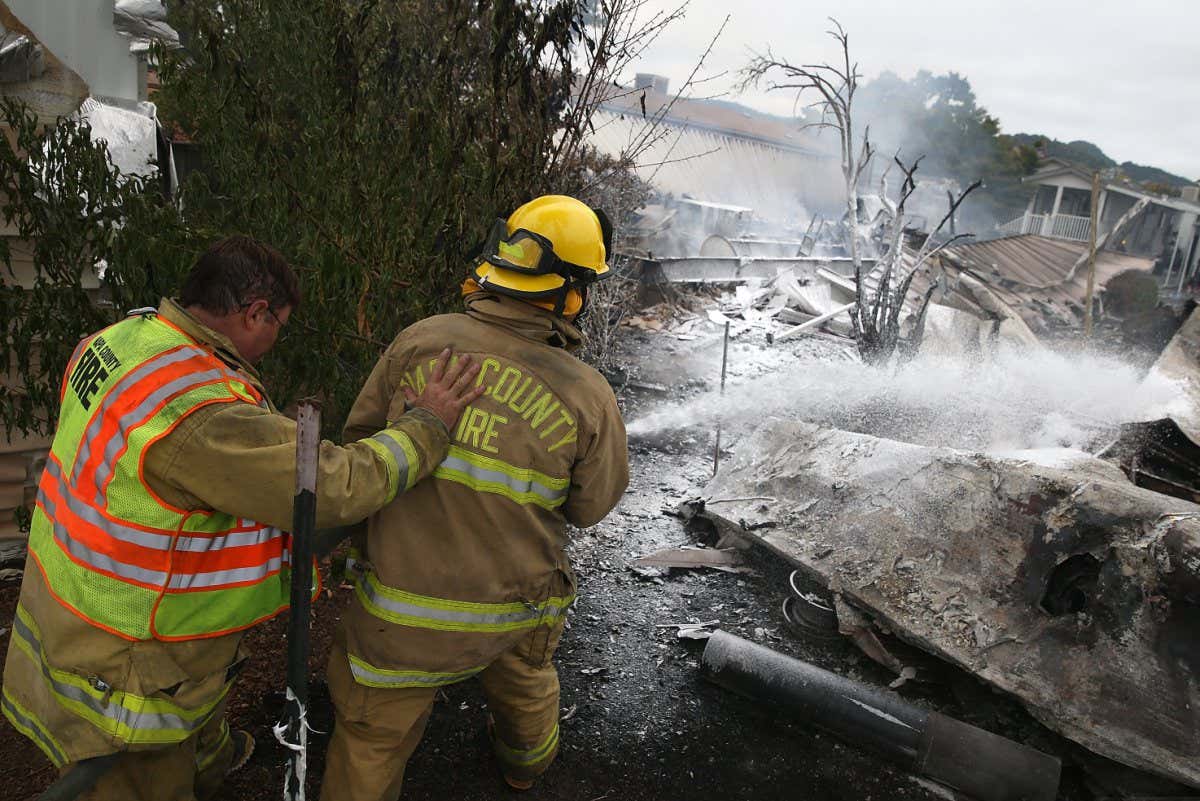
Firefighters spray foam on a fire after an earthquake in Napa, California, in 2014

Earthquakes seem to come in a more predictable pattern than we thought

23 August 2022

A machine learning algorithm can assess how likely it is that a large earthquake will hit a region over the next few years, which could one day help mitigate damage from future quakes


Exposed river bed with city skyline in the background

Heatwave in China is the most severe ever recorded in the world

23 August 2022

A long spell of extreme hot and dry weather is affecting energy, water supplies and food production across China


Tiny chip can quickly identify hundreds of thousands of DNA sequences

Tiny chip can quickly identify hundreds of thousands of DNA sequences

23 August 2022

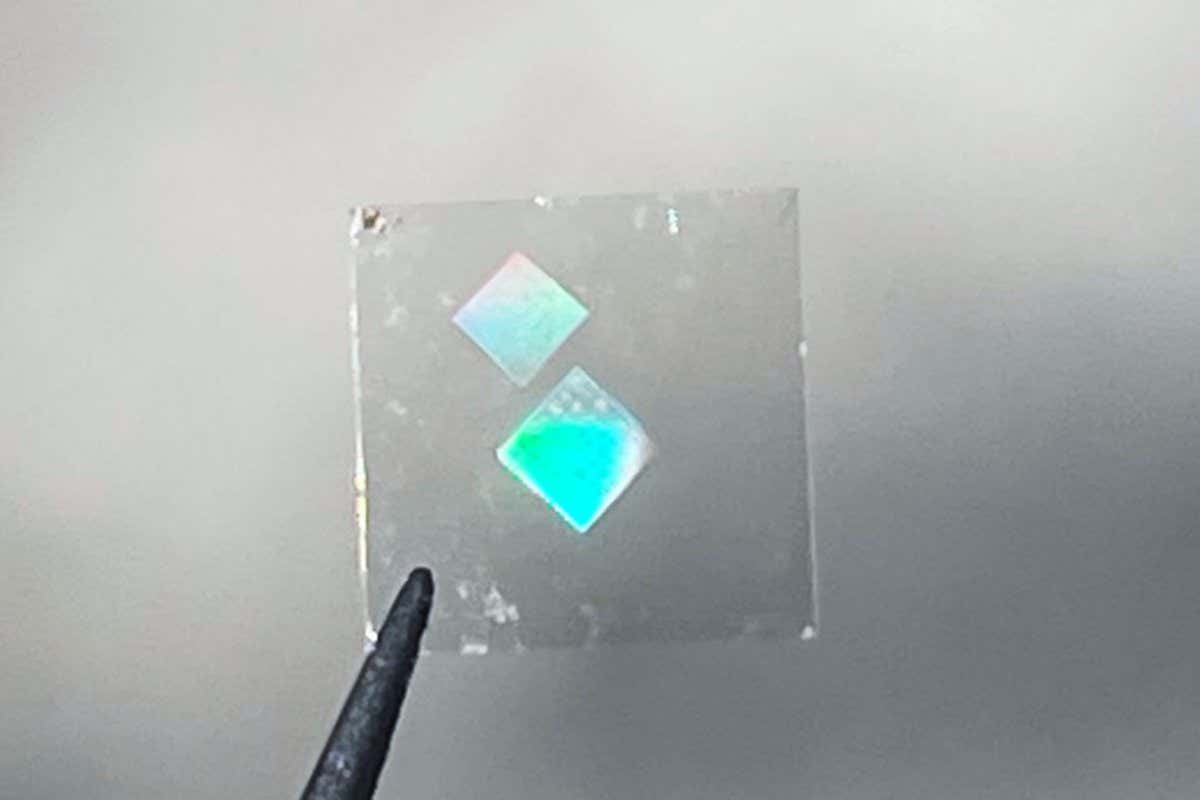
A metamaterial that can detect a huge array of gene fragments within 5 minutes could lead to devices for medical diagnostics or environmental monitoring


Group of friends having fun time at music festival

We may use distinct parts of our brain to think about close friends

22 August 2022

Brain scans show that different areas are active when we contemplate our five most intimate relationships compared with other friends


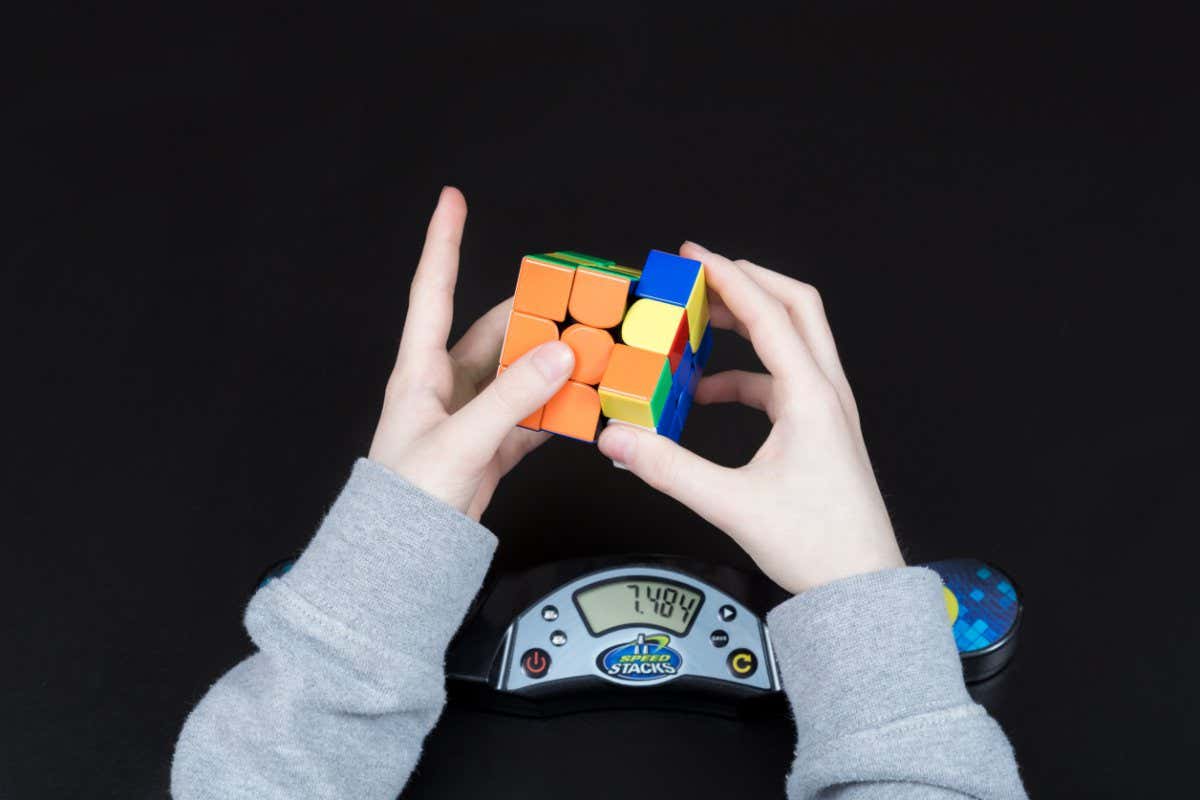
Dnipro, Ukraine - May 11, 2020: Boy solving Rubik?s cube using cube timer. Concept of speedcubing. Child hands with Rubik?s cube on black background. Top view. Closeup shot.; Shutterstock ID 1914173662; purchase_order: -; job: -; client: -; other: -

Rubik's Cube solution unlocked by memorising 3915 final move sequences

19 August 2022

For the first time, a speedcuber has demonstrated a solution to the Rubik’s cube that combines the two final steps of the puzzle’s solution into one


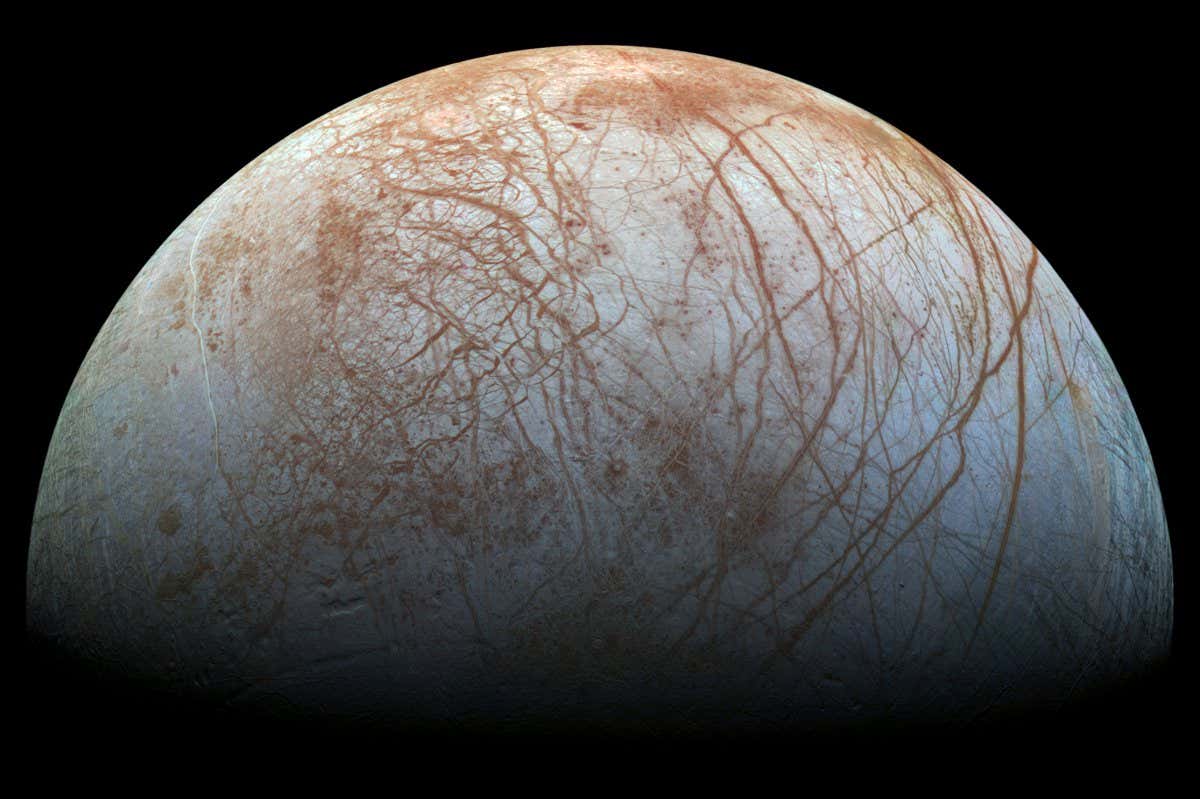
Original Caption Released with Image: The puzzling, fascinating surface of Jupiter's icy moon Europa looms large in this newly-reprocessed color view, made from images taken by NASA's Galileo spacecraft in the late 1990s. This is the color view of Europa from Galileo that shows the largest portion of the moon's surface at the highest resolution. The view was previously released as a mosaic with lower resolution and strongly enhanced color (see PIA02590). To create this new version, the images were assembled into a realistic color view of the surface that approximates how Europa would appear to the human eye. The scene shows the stunning diversity of Europa's surface geology. Long, linear cracks and ridges crisscross the surface, interrupted by regions of disrupted terrain where the surface ice crust has been broken up and re-frozen into new patterns. Color variations across the surface are associated with differences in geologic feature type and location. For example, areas that appear blue or white contain relatively pure water ice, while reddish and brownish areas include non-ice components in higher concentrations. The polar regions, visible at the left and right of this view, are noticeably bluer than the more equatorial latitudes, which look more white. This color variation is thought to be due to differences in ice grain size in the two locations. Images taken through near-infrared, green and violet filters have been combined to produce this view. The images have been corrected for light scattered outside of the image, to provide a color correction that is calibrated by wavelength. Gaps in the images have been filled with simulated color based on the color of nearby surface areas with similar terrain types. This global color view consists of images acquired by the Galileo Solid-State Imaging (SSI) experiment on the spacecraft's first and fourteenth orbits through the Jupiter system, in 1995 and 1998, respectively. Image scale is 1 mile (1.6 kilometers) per pixel. North on Europa is at right. The Galileo mission was managed by NASA's Jet Propulsion Laboratory in Pasadena, California, for the agency's Science Mission Directorate in Washington. JPL is a division of the California Institute of Technology, Pasadena. Additional information about Galileo and its discoveries is available on the Galileo mission home page at http://solarsystem.nasa.gov/galileo/. More information about Europa is available at http://solarsystem.nasa.gov/europa. Image Credit: NASA/JPL-Caltech/SETI Institute

Shards of pure ice might snow upwards beneath the ice shell of Europa

19 August 2022

The moons Europa and Enceladus probably have global oceans buried beneath their frozen shells, and those seas may be home to a strange kind of ice called frazil ice


Lateral flow test

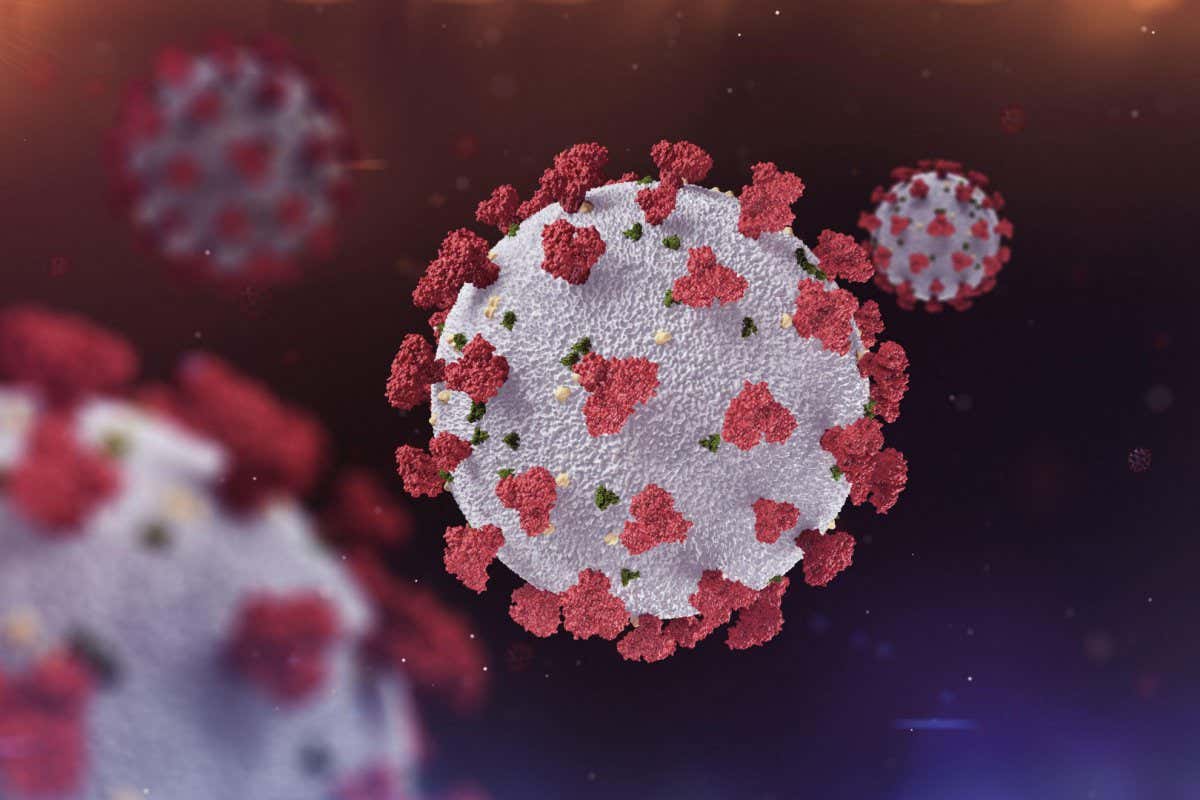
Most people with covid-19 are still infectious after five days

18 August 2022

A comprehensive study has revealed that two-thirds of people with covid-19 are still infectious five days after symptoms begin, calling into question self-isolation advice


Rows of soybean plants

Genetic tweaks to upgrade photosynthesis boost soy yield by a fifth

18 August 2022

Researchers have succeeded in making photosynthesis more efficient in soybean plants, in a major breakthrough that will mean less forest has to be cut down to make way for farms


In severe cases, covid-19 may cause certain neurological and psychiatric conditions for up to two years post-infection

Covid-19 linked to higher risk of brain conditions up to two years on

18 August 2022

The risk of being diagnosed with a neurological or psychiatric condition up to two years after catching covid-19 may be higher than with other respiratory infections, such as seasonal influenza


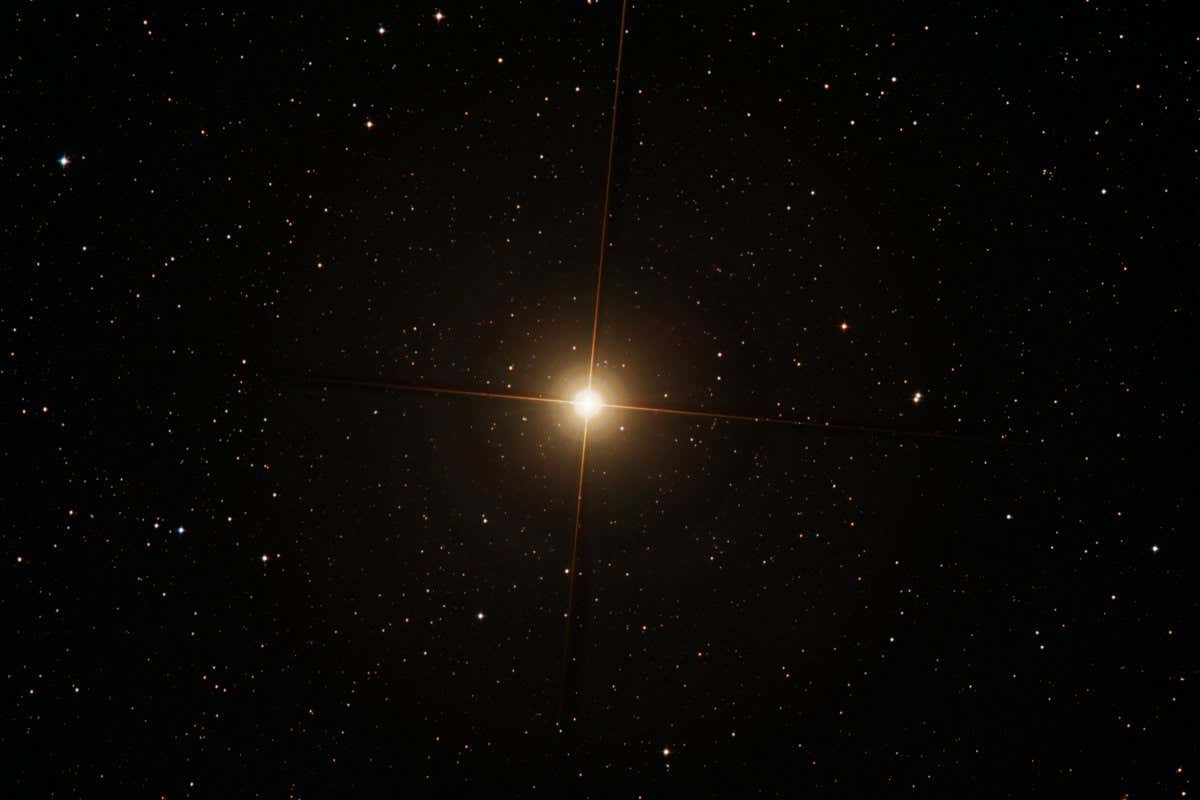
The red supergiant Betelgeuse is the ninth brightest star in the night sky

The star Betelgeuse has stopped dimming – but it's still acting weird

17 August 2022

After a weird event dubbed the Great Dimming in 2019, the plasma that makes up Betelgeuse is sloshing around inside the star, erasing pulsations that have been measured for centuries


Sign up to our weekly newsletter

Receive a weekly dose of discovery in your inbox. We'll also keep you up to date with New Scientist events and special offers.

Sign up
Piano Exit Overlay Banner Mobile Piano Exit Overlay Banner Desktop