This week’s new questions
21 September 2022
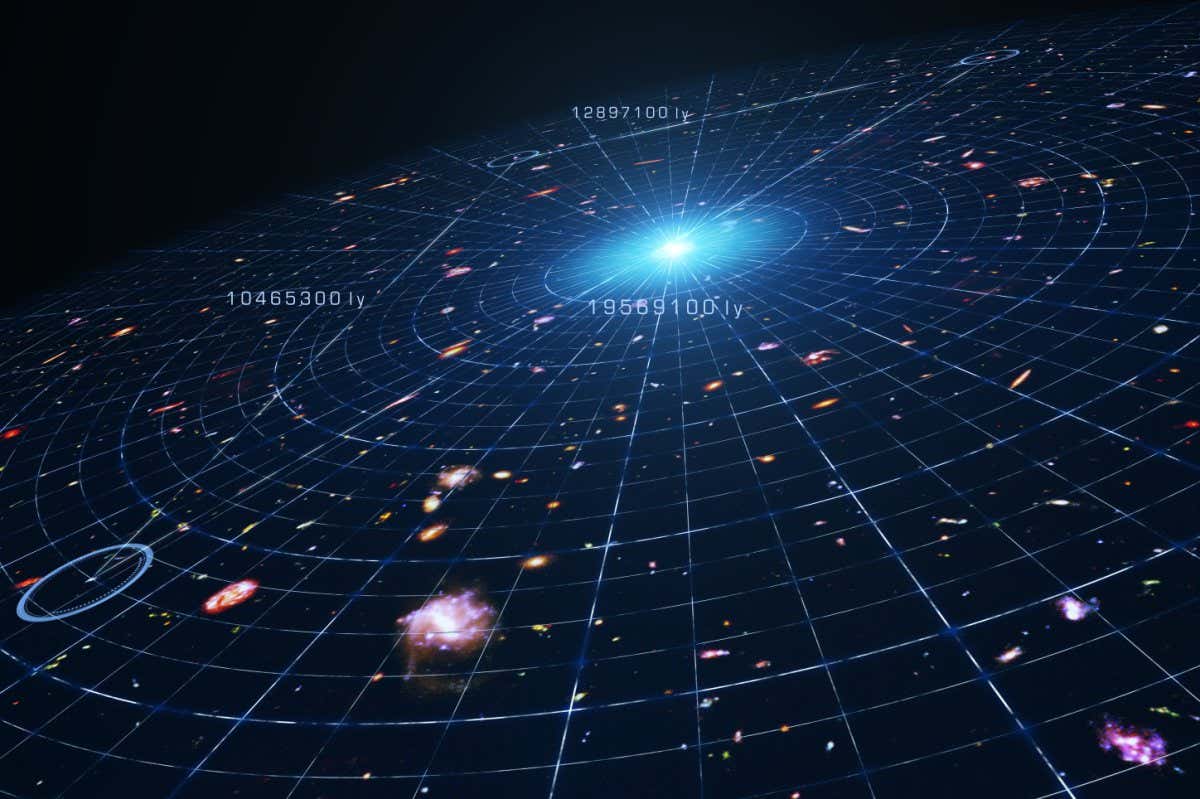
If the universe originated at the big bang 13 billion years ago, how can there be stars that are 30 billion light years away? And why do our knuckles make a popping sound when cracked?
21 September 2022
If the universe originated at the big bang 13 billion years ago, how can there be stars that are 30 billion light years away? And why do our knuckles make a popping sound when cracked?

21 September 2022
Another reader takes issue with the distinction between weeds and food

21 September 2022
Our readers, including a pilot, explain why direction of travel does impact jet lag - and offer tips to overcome it
21 September 2022
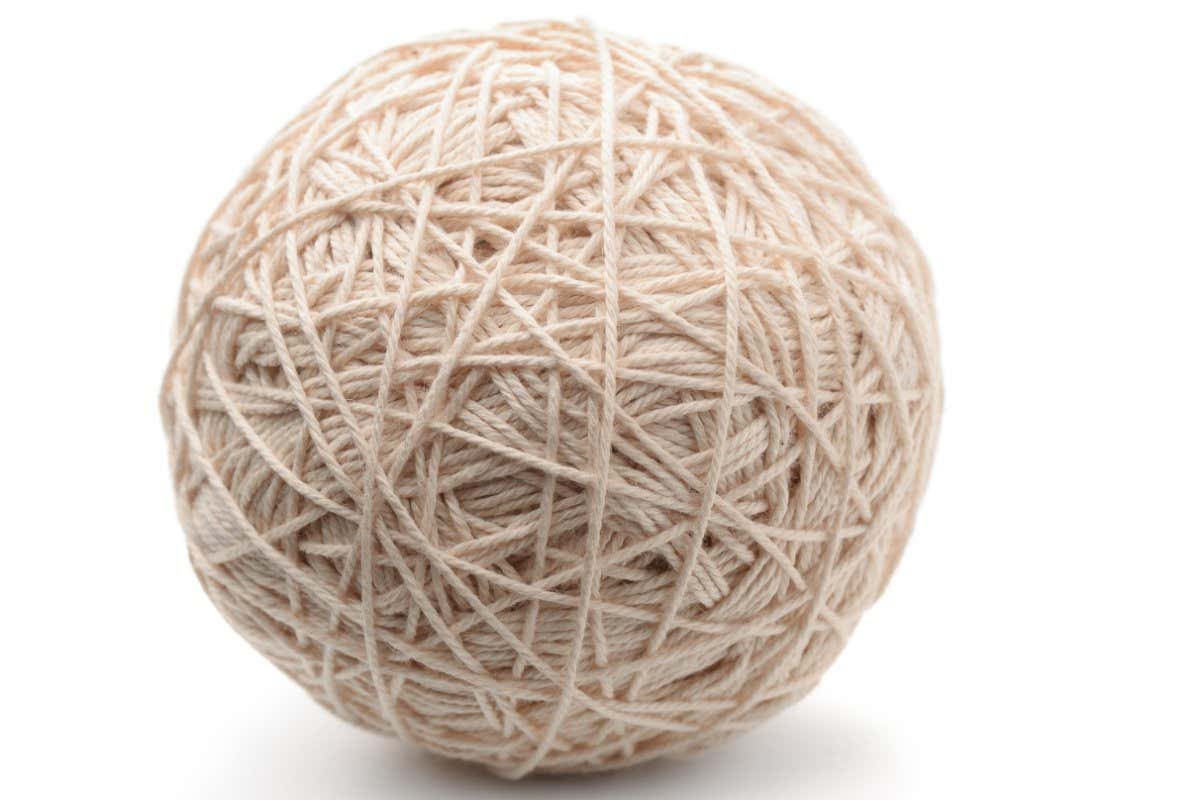
Deciphering a word written on a ball of string that then unravelled depends on the randomness of the rolling process, says one New Scientist reader. But why not try it for yourself at home?
21 September 2022
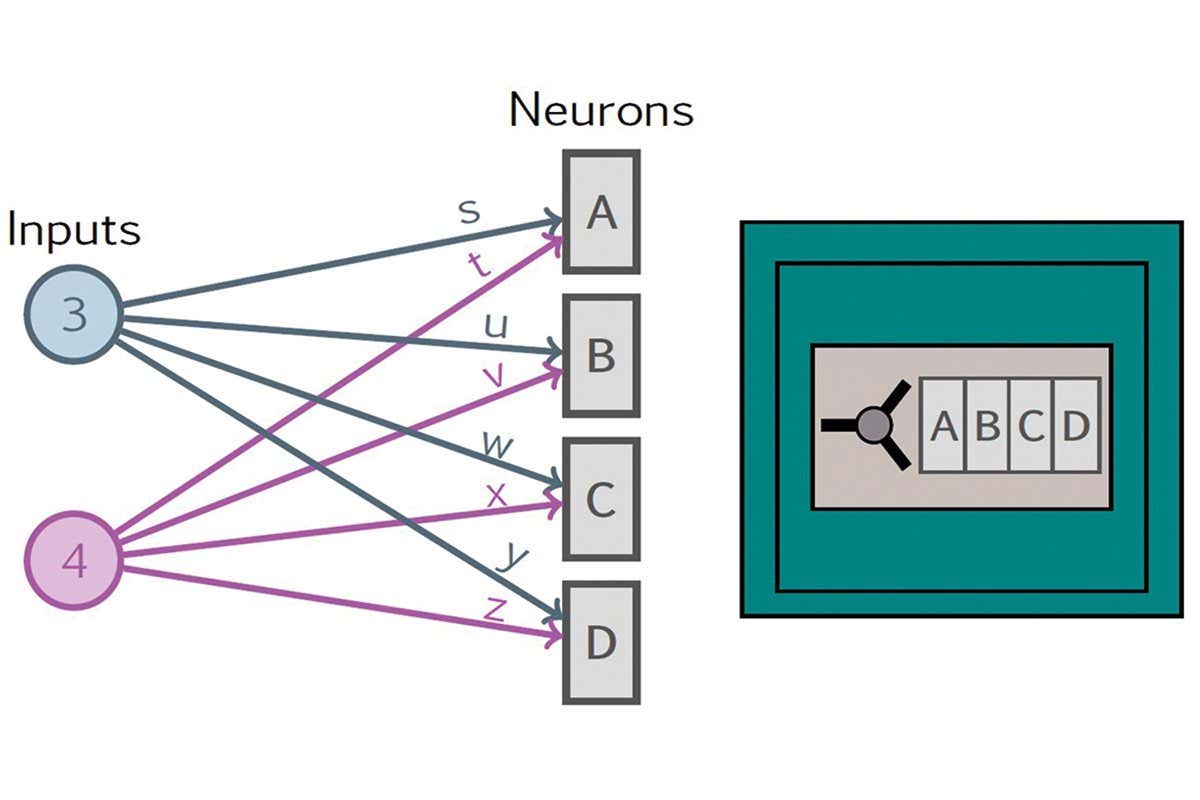
Can you solve this week’s arithmetical puzzle, Neural network? Plus the answer to puzzle #185
21 September 2022
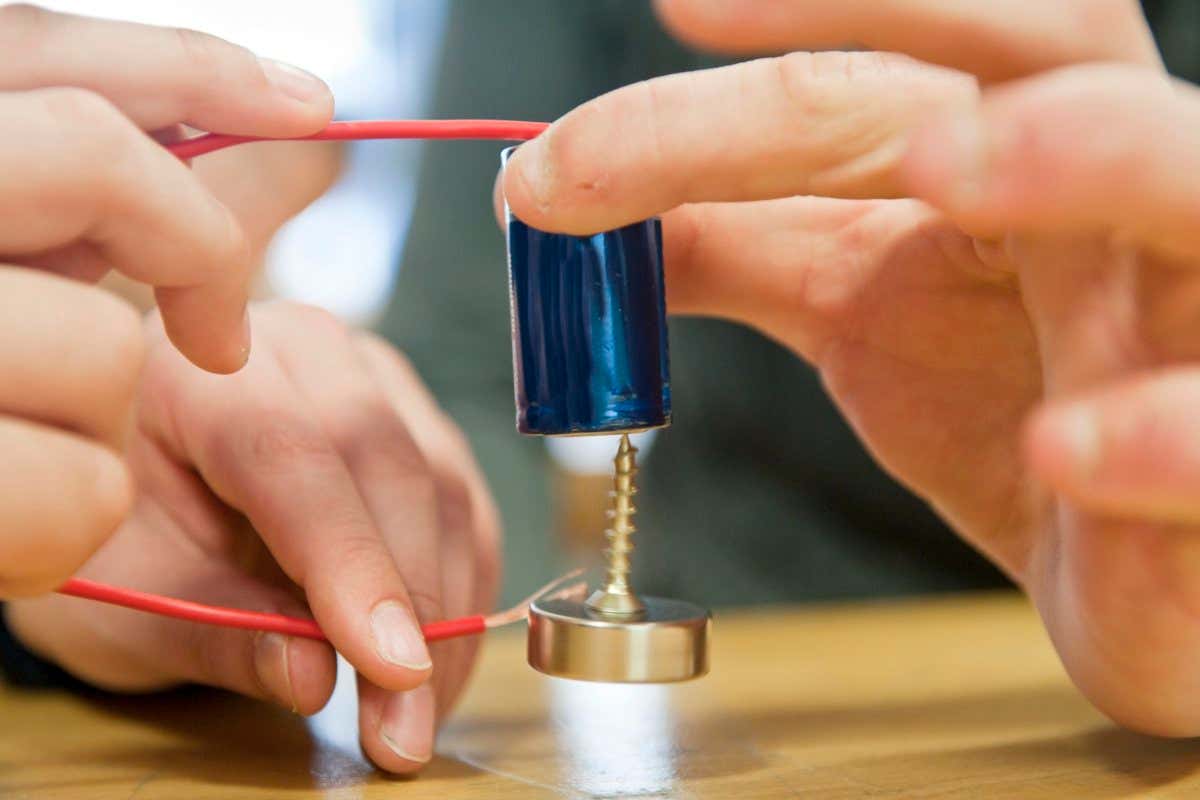
Using just a magnet, a battery, a nail and a piece of copper wire, this is the simplest electric motor you can make, says Alom Shaha, but it is utterly delightful and children will love it
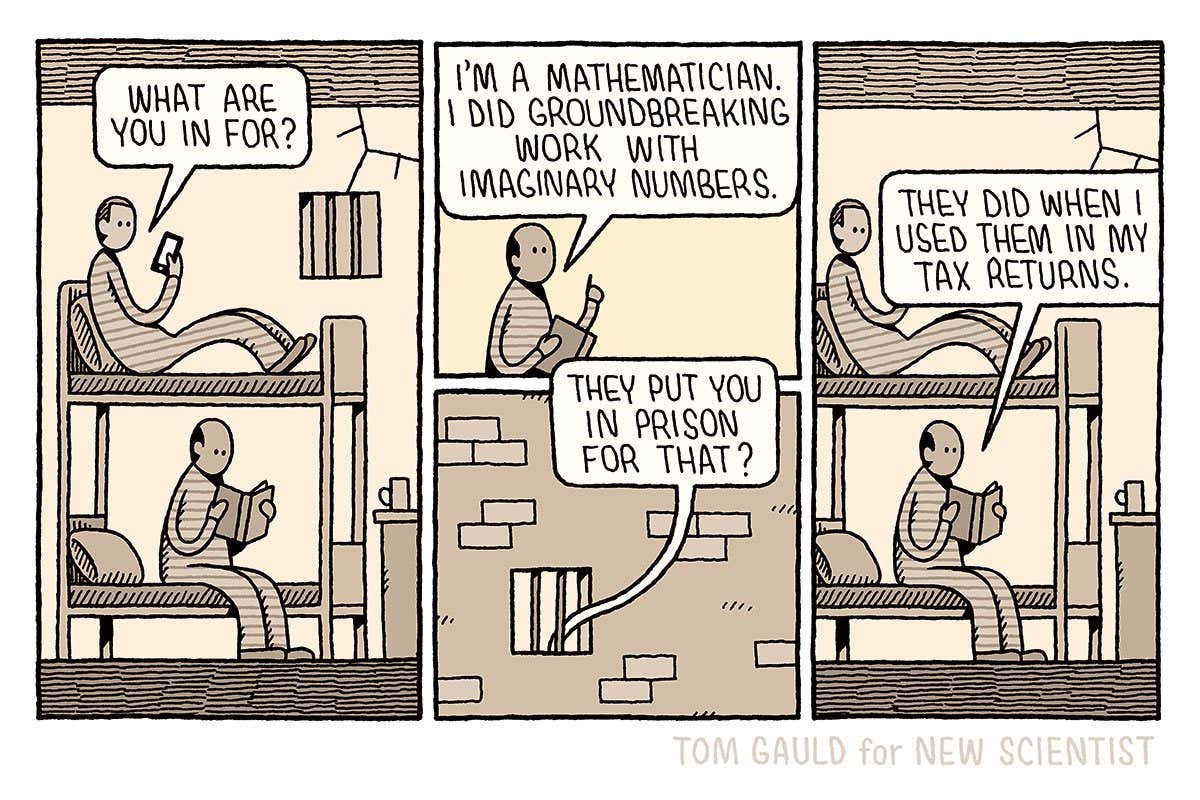
21 September 2022
Tom Gauld's weekly cartoon
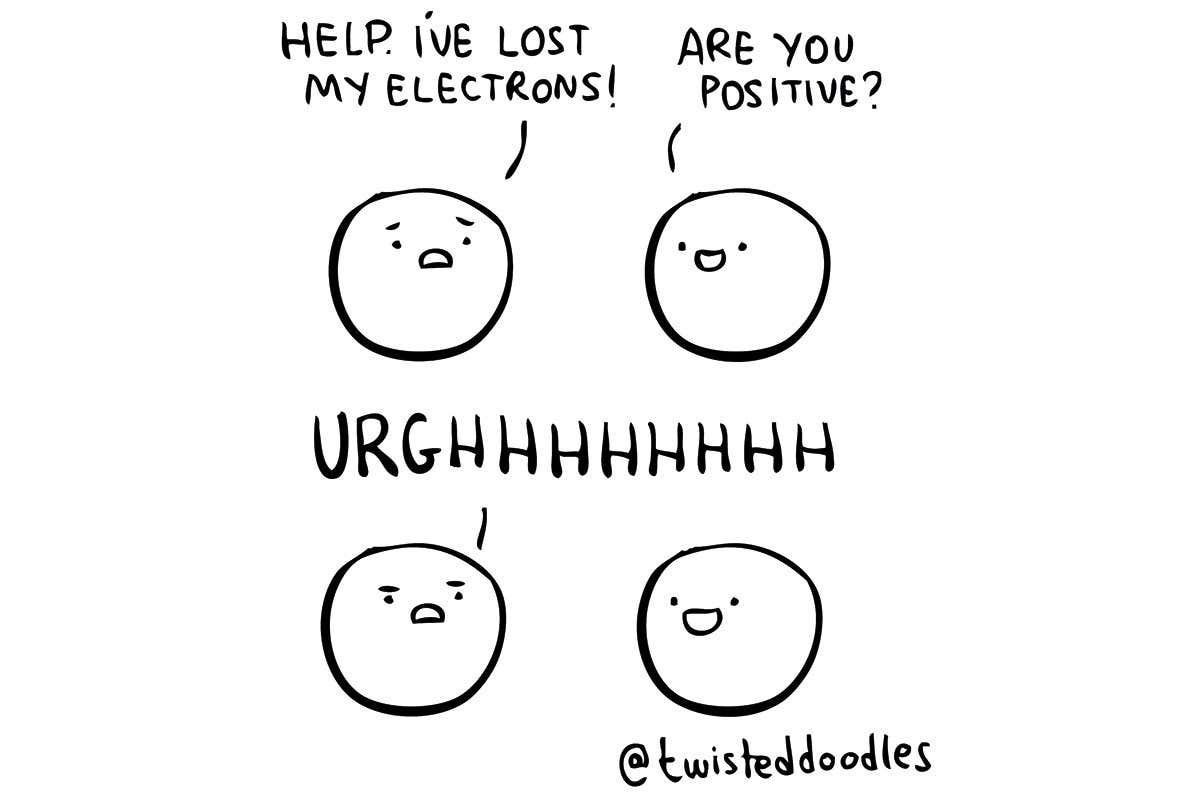
21 September 2022
This week's cartoon from Twisteddoodles

16 September 2022
These images are some of the winning and shortlisted entries for this year’s competition, organised by the Royal Observatory in London
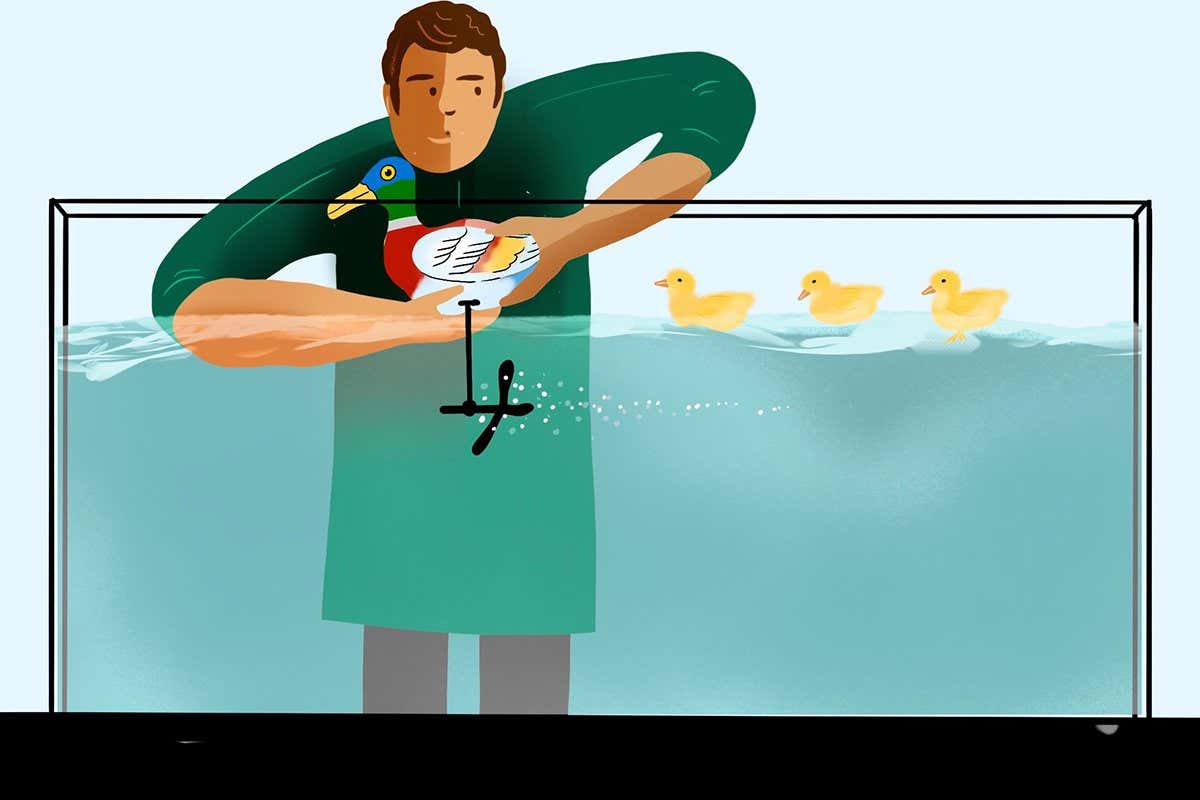
15 September 2022
From how constipation affects the mating prospects of scorpions to an analysis of what makes legal documents unnecessarily difficult to understand, this year's Ig Nobel prizes, for “achievements that first make people laugh, then make them think”, are...
