Subscribe now
Clock in the starry cosmic sky. Leaving time. Time and space. Time concept. Abstraction.; Shutterstock ID 1962091081; purchase_order: -; job: -; client: -; other: -

The cosmos doesn't work to my research schedule – but that's OK

28 September 2022

I work on the dark matter problem knowing the questions I have may be answered long after I die. This is the life I signed up for: to think about interesting ideas and hopefully find out whether any of them are correct, says Chanda Prescod-Weinstein
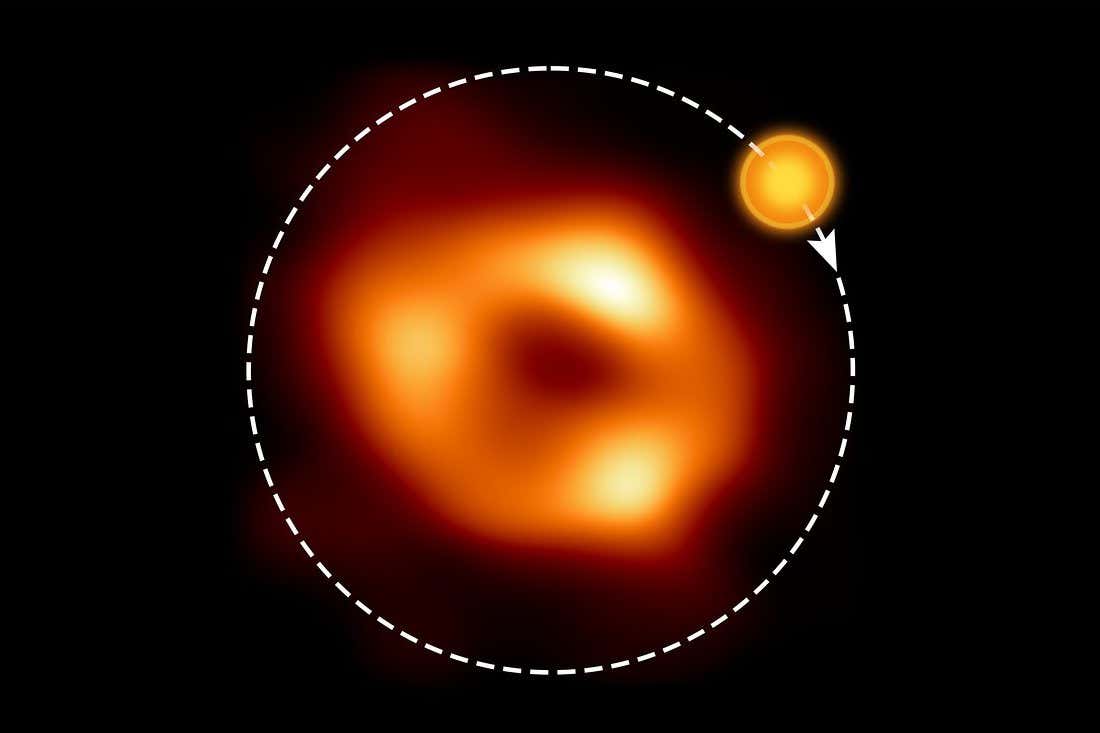
This shows a still image of the supermassive black hole Sagittarius A*, as seen by the Event Horizon Collaboration (EHT), with an artist???s illustration indicating where the modelling of the ALMA data predicts the hot spot to be and its orbit around the black hole.

Bubble of hot electrons seen hurtling around our galaxy’s black hole

22 September 2022

For about two hours, a bubble of extremely hot electrons whirled around the Milky Way’s supermassive black hole at 30 per cent of the speed of light, and then it was destroyed


Fireball

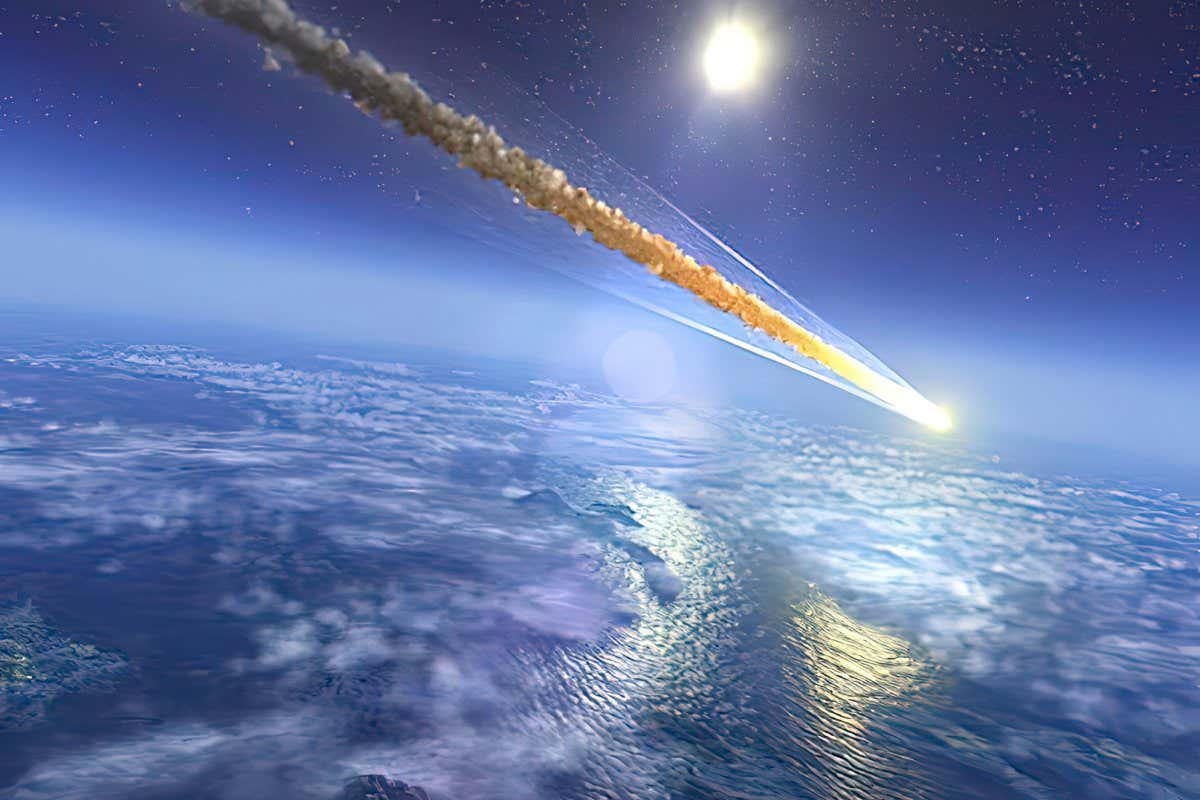
Astronomers trace fireball in Earth's skies to space rock that made it

22 September 2022

In an effort to learn more about near-Earth asteroids, astronomers have used telescopic surveys to find an image of a space rock that produced a 0.4-kiloton fireball over the Pacific Ocean


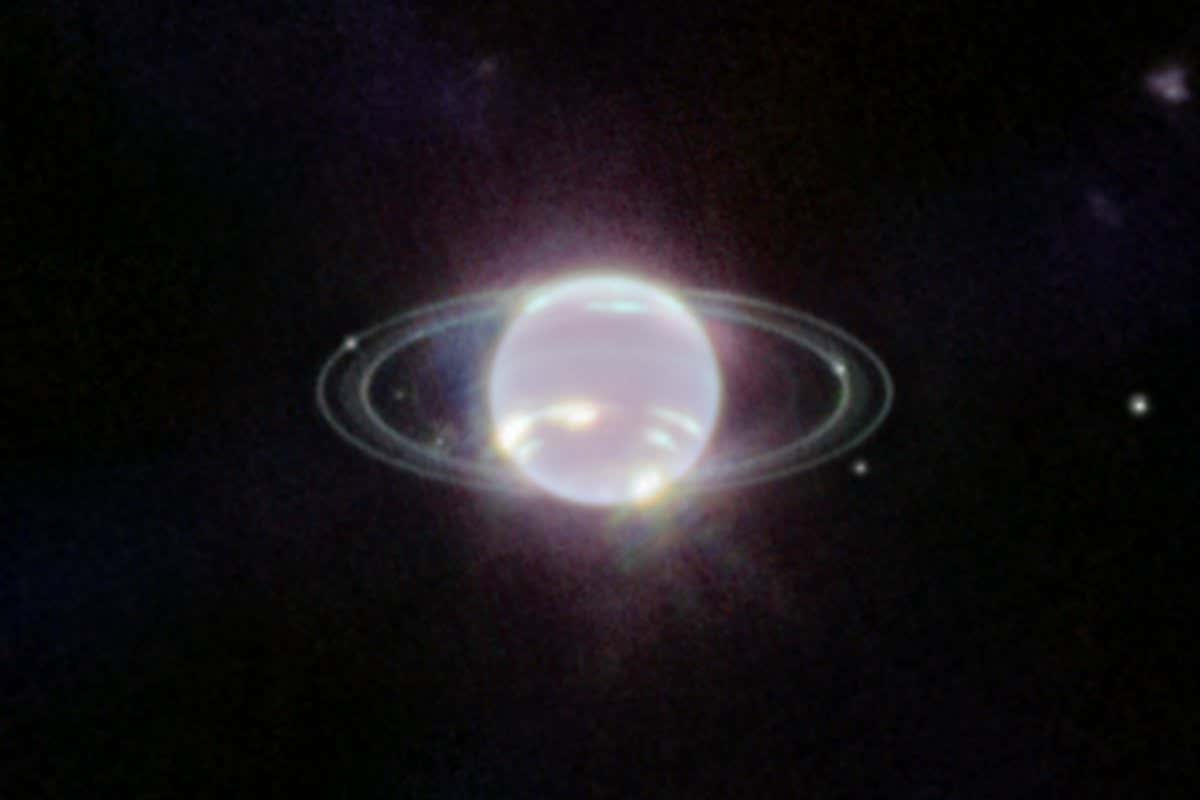
Webb?s Near-Infrared Camera (NIRCam) image of Neptune, taken on July 12, 2022, brings the planet?s rings into full focus for the first time in more than three decades. The most prominent features of Neptune?s atmosphere in this image are a series of bright patches in the planet?s southern hemisphere that represent high-altitude methane-ice clouds. More subtly, a thin line of brightness circling the planet?s equator could be a visual signature of global atmospheric circulation that powers Neptune?s winds and storms. Additionally, for the first time, Webb has teased out a continuous band of high-latitude clouds surrounding a previously-known vortex at Neptune?s southern pole.

JWST has captured an astonishing view of Neptune and its rings

21 September 2022

A new image from the James Webb Space Telescope shows eight of Neptune’s moons and four of its rings – two of which haven’t been seen in more than 30 years


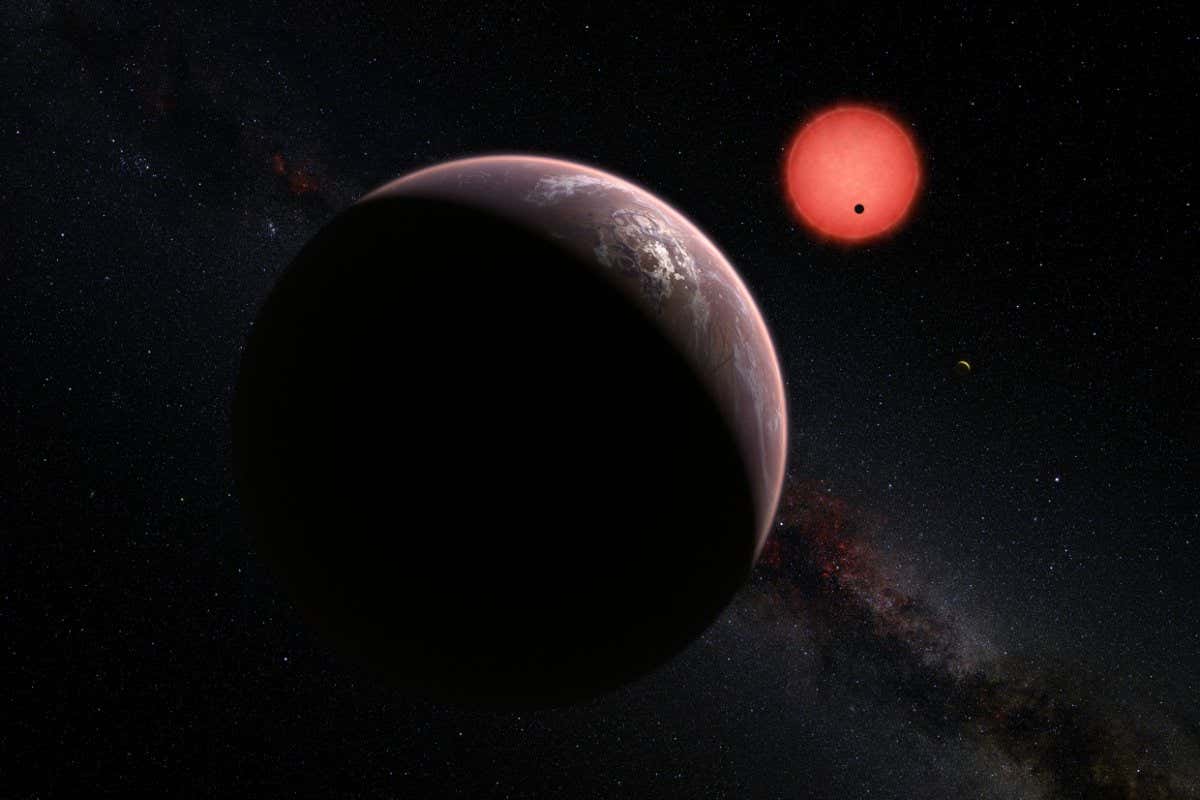
Artist's impression of three planets orbiting an ultracool dwarf star

Earth's algae and moss could survive under the light of another star

21 September 2022

Experiments on Earth mimicking the rays from a red dwarf star show that cyanobacteria, algae and moss can grow under these light conditions, backing the idea that some exoplanets could host life


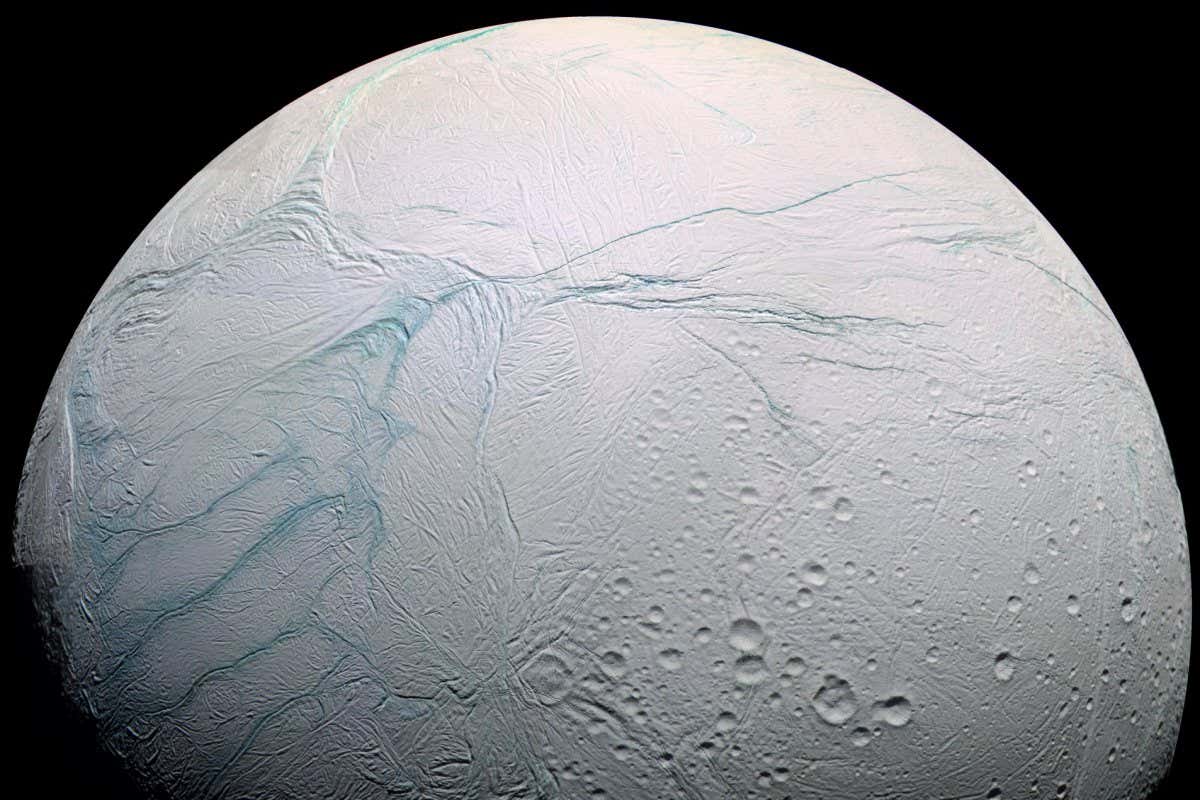
Saturn's moon Enceladus

Enceladus shown to have all six of the essential elements for life

21 September 2022

Reanalysis of icy rock grains from a ring of Saturn – fed by ice plumes from its moon Enceladus – has revealed the presence of phosphorus, the only key essential element for life that hadn’t already been spotted


Sign up to our weekly newsletter

Receive a weekly dose of discovery in your inbox. We'll also keep you up to date with New Scientist events and special offers.

Sign up
Piano Exit Overlay Banner Mobile Piano Exit Overlay Banner Desktop