Subscribe now
Three ice cream cones in a metal basket on blue wooden vintage background; Shutterstock ID 135808091; purchase_order: -; job: -; client: -; other: -

Why we urgently need answers about artificial sweeteners and health

25 October 2022

Artificial sweeteners have been shown to help people maintain their weight and improve their health, but they have also been liked to conditions such as diabetes and heart disease. Nutrition scientist Allison Sylvetsky has been unpicking the evidence
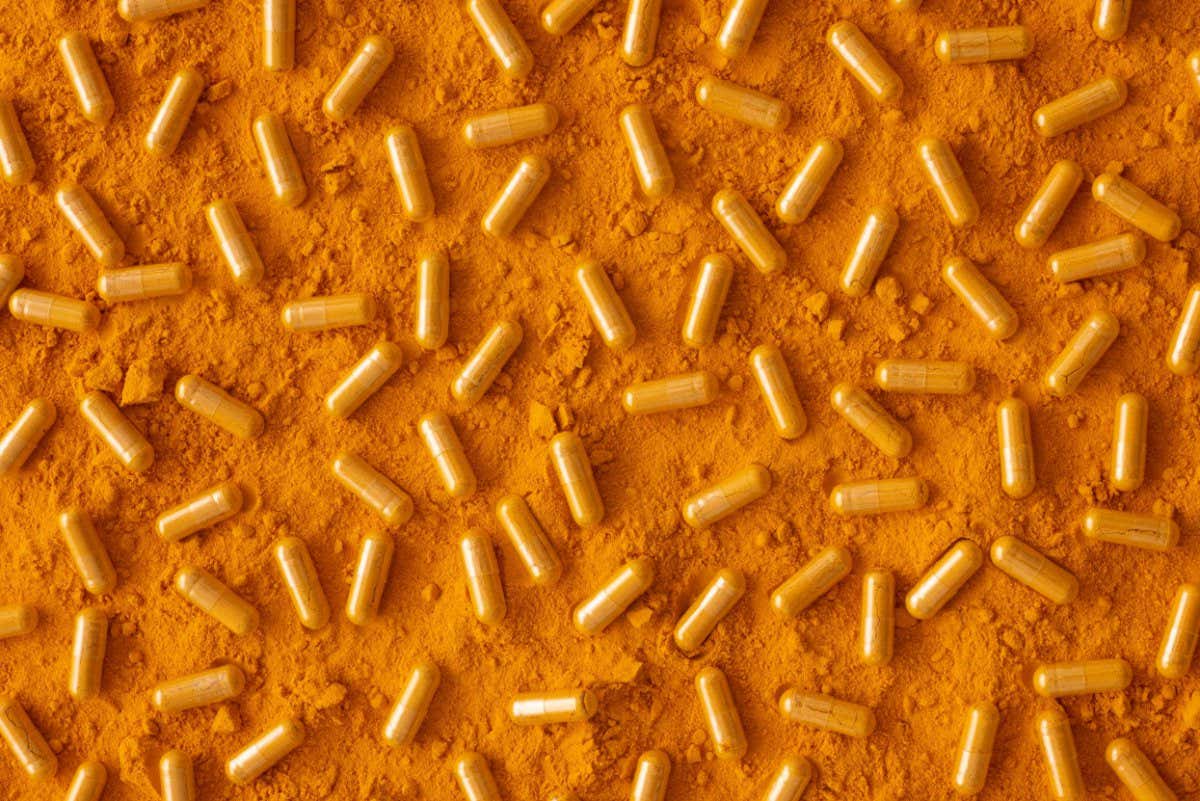


Turmeric supplements have become increasingly popular after small studies suggested their active ingredient may ease some inflammatory conditions

Turmeric supplements have been linked to liver damage in five people

25 October 2022

Five new cases of jaundice have been associated with the regular consumption of turmeric supplements and teas, with all cases recovering after treatment


Focus on the hand of a patient in hospital ward;

People who use cannabis may experience more pain after surgery

23 October 2022

A study of nearly 35,000 people who underwent various surgeries found that those who used cannabis in the month prior reported higher pain levels after their procedures


The app Nerva may ease irritable bowel syndrome symptoms

Hypnotherapy app eases irritable bowel syndrome symptoms in six weeks

23 October 2022

Users of the Nerva app saw their IBS symptoms decrease in severity, however, the trial didn't compare the app's efficacy against standard treatments


Dyslexia has been linked to 42 genetic variants

Dyslexia linked to 42 genetic variants in biggest study of its kind

20 October 2022

Better understanding the genetic variants associated with dyslexia could lead to a test that assesses whether a child is predisposed to have it


Hand holding cigarette

Gut bacteria may reduce harmful effects of nicotine on the liver

19 October 2022

Smokers with a certain bacterium in their gut that breaks down nicotine have less severe liver disease, and tests in mice suggest this microbe can prevent liver damage


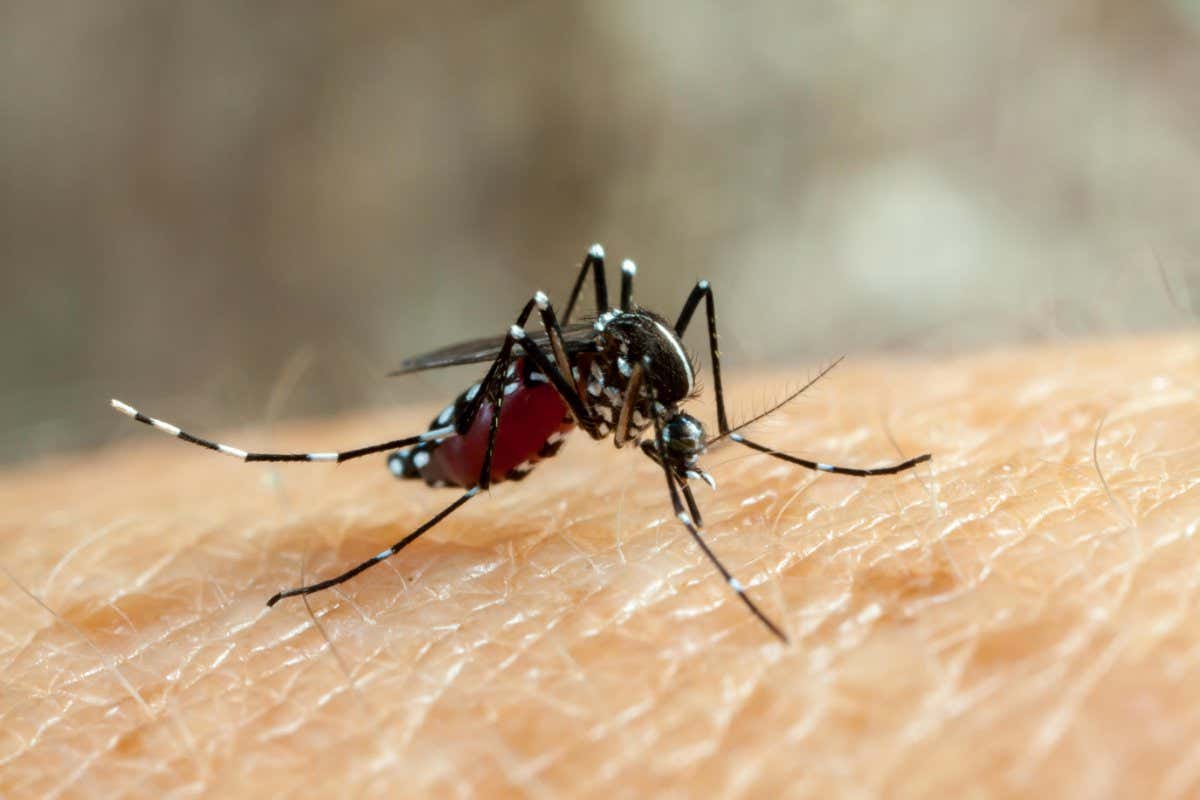
A female Aedes aegypti mosquito may be attracted to people with more carboxylic acids in their sweat

Acids in our body odour make some people more attractive to mosquitoes

18 October 2022

Female Aedes aegypti mosquitoes, which transmit yellow fever and Zika, may be more attracted to people with high levels of carboxylic acids in their body odour


Sign up to our weekly newsletter

Receive a weekly dose of discovery in your inbox. We'll also keep you up to date with New Scientist events and special offers.

Sign up
Piano Exit Overlay Banner Mobile Piano Exit Overlay Banner Desktop