Subscribe now
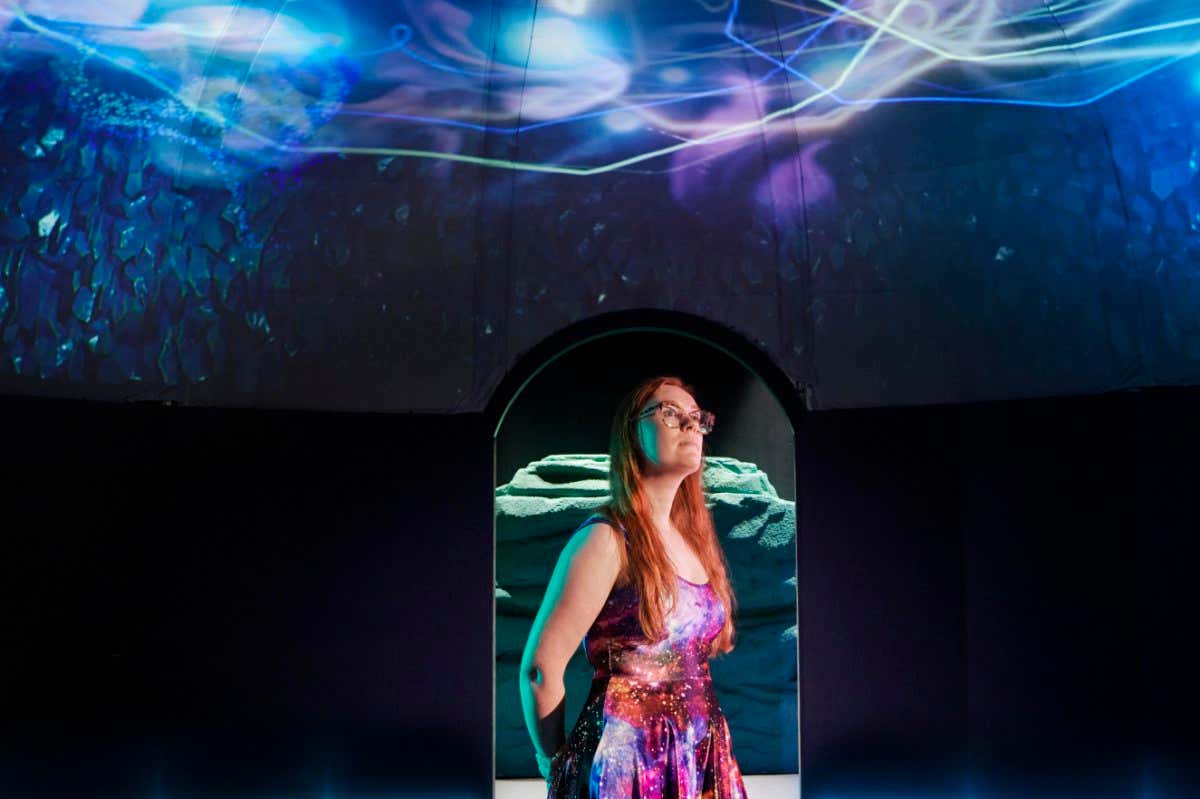
Visitors inside the Off-World section of the exhibition, while a swarm of bioluminescent creatures emerge above their heads

Voyage to the Edge of Imagination review: A compelling new sci-fi show

9 November 2022

A new exhibition at the Science Museum isn't so much about science fiction, as it is about involving you in a journey through the cosmos
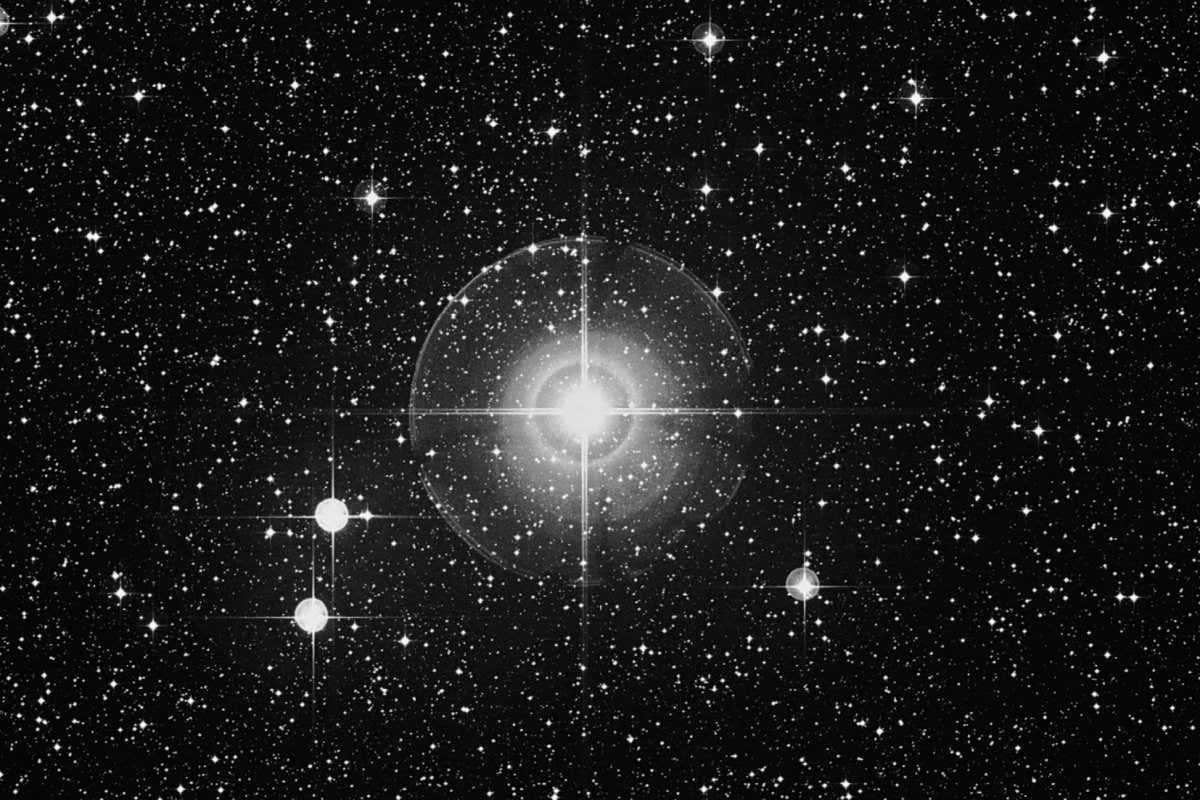

Caroline Herschel's pioneering astronomy is brought into the spotlight

Caroline Herschel's pioneering astronomy is brought into the spotlight

9 November 2022

Herschel's discovery in the 18th century of 560 missing stars is the focus of new audio-visual work from photographic artist Lynda Laird
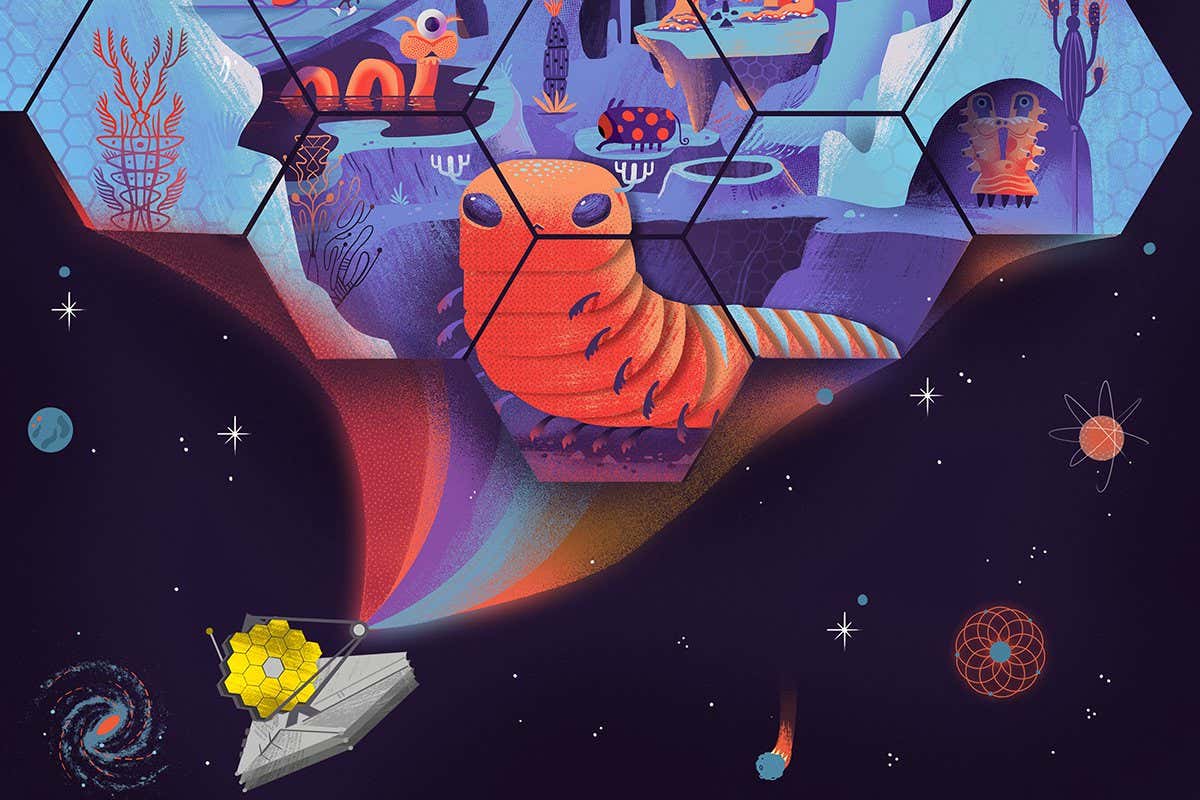

How JWST could find signs of alien life in exoplanet atmospheres

How JWST could find signs of alien life in exoplanet atmospheres

9 November 2022

The James Webb Space Telescope can peer into alien skies like never before. With six potentially habitable planets within its sights, astronomers are entering a new era in the search for biology beyond our solar system
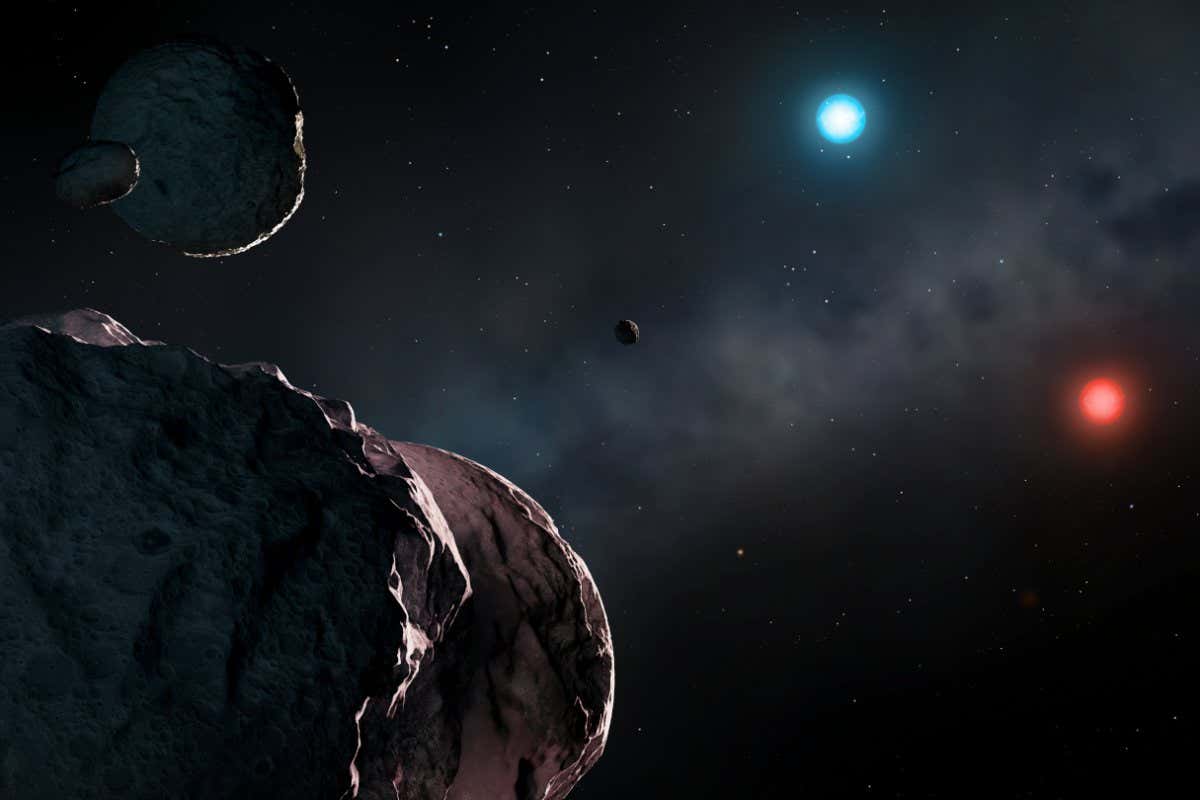

A white dwarf star accreting debris

Planets around graveyard star were consumed before Earth was even born

5 November 2022

A strangely cool star that has been dead for more than 10 billion years contains levels of some elements that indicate it ate its own planets
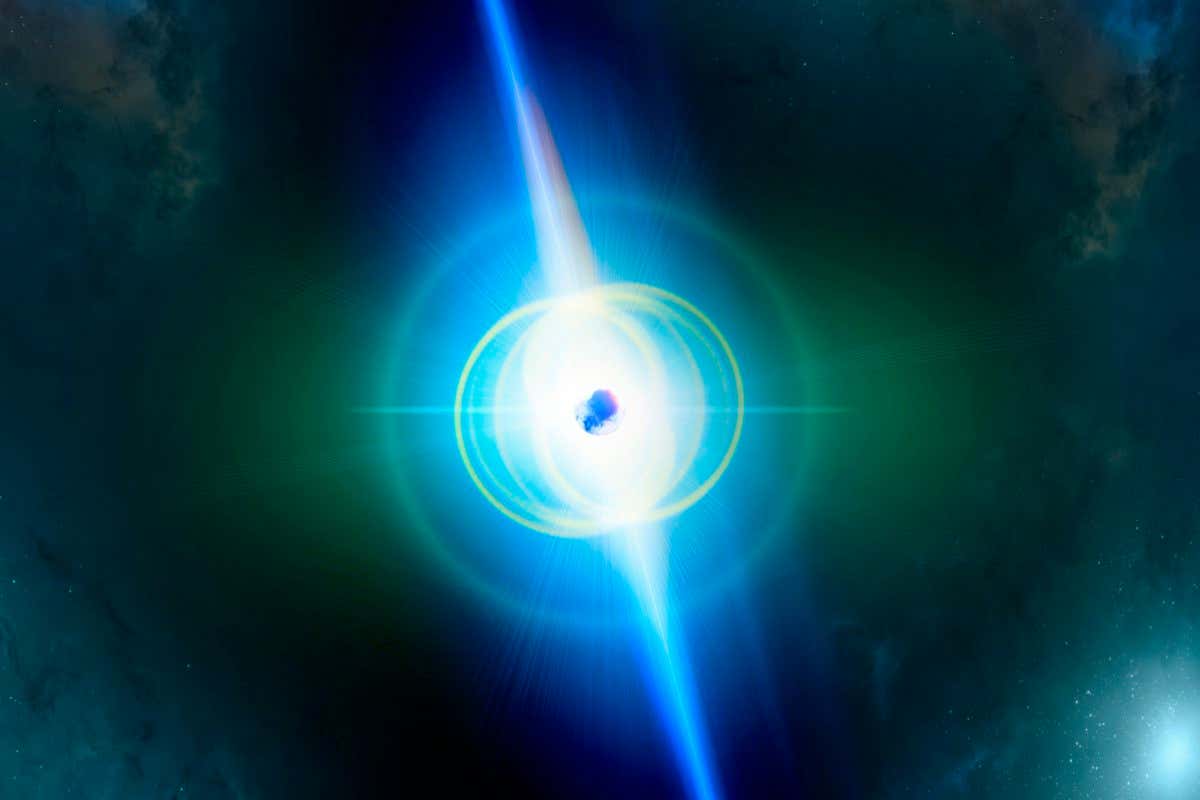

A concept image of a magnetar

A weird dead star may have a solid-like surface made of iron crystals

3 November 2022

X-ray observations show that a distant magnetar may have a surface made of a strange material somewhere between a solid and a fluid instead of a gaseous one like most stars
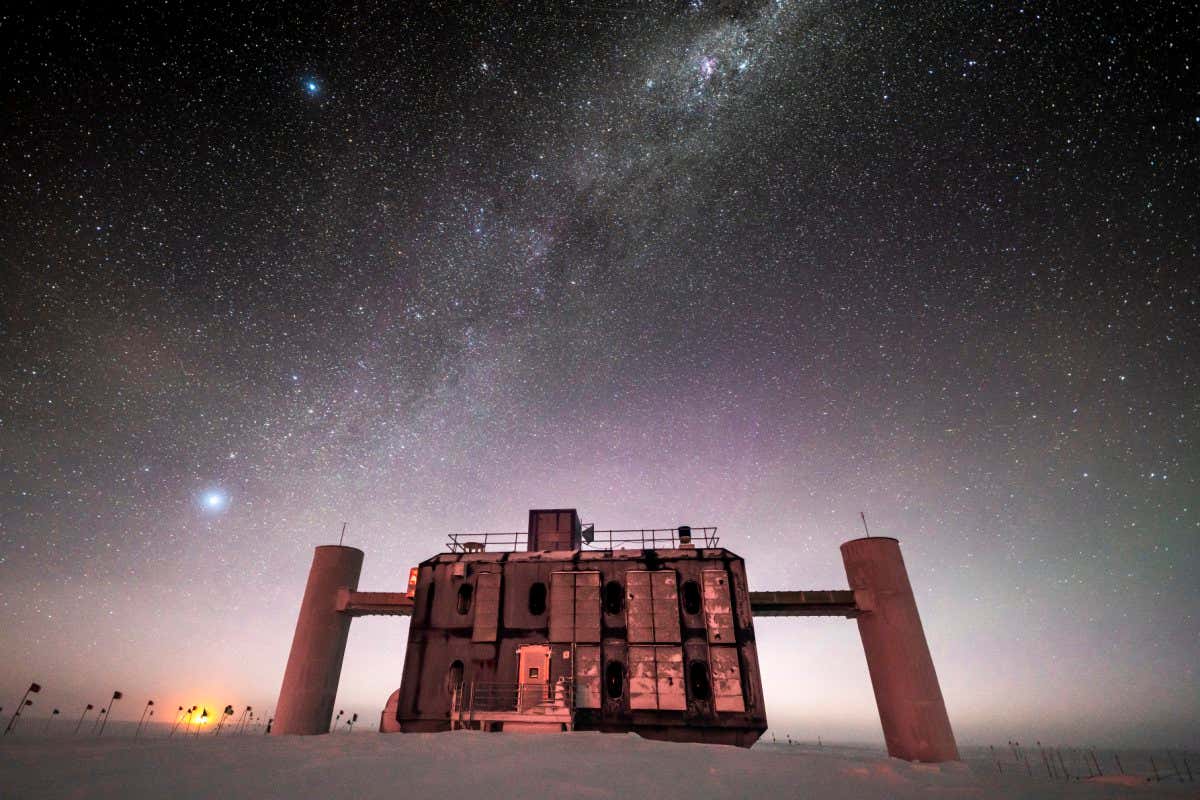

Front view of the IceCube Lab at twilight, with a starry sky showing a glimpse of the Milky Way overhead and sunlight lingering on the horizon.

Neutrinos have been spotted coming from a strange, shrouded galaxy

3 November 2022

Cosmic neutrinos are tough to track – it has only been done once before – but researchers from the IceCube observatory in Antarctica have tracked 79 of them back to their home galaxy
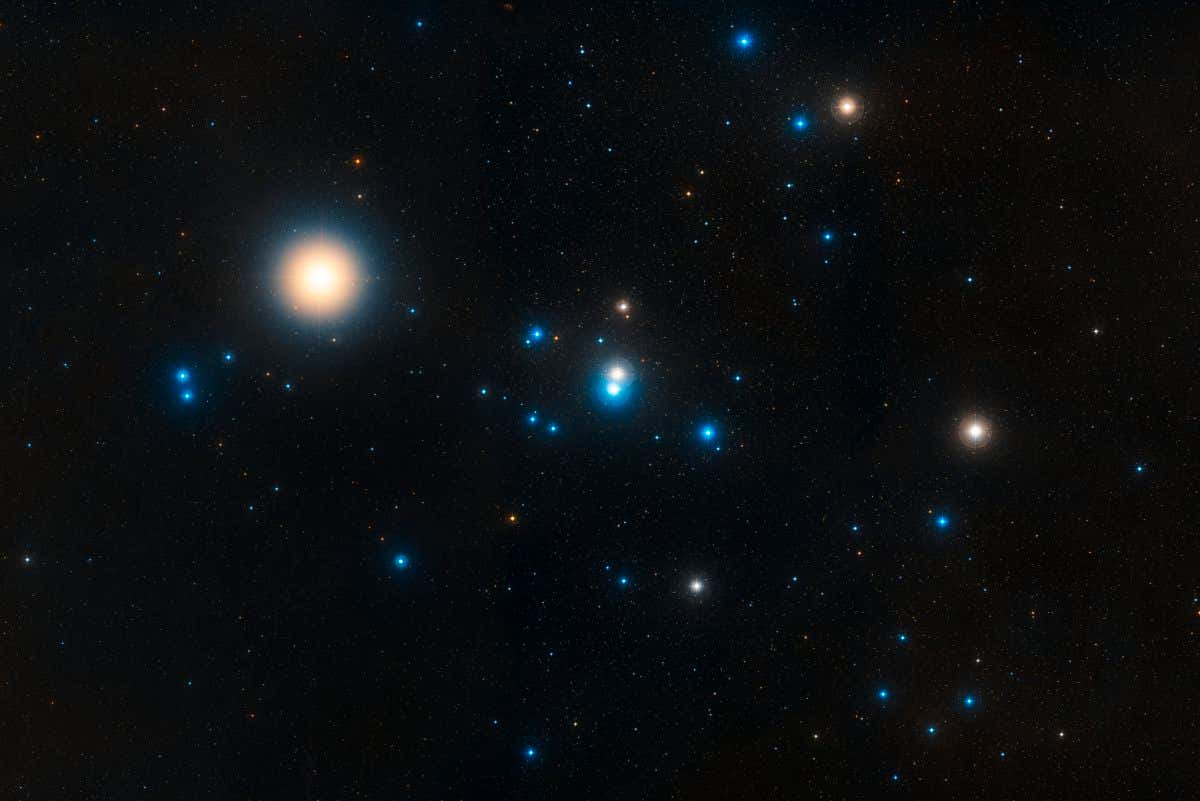

This image shows the Hyades star cluster, the nearest cluster to us. The Hyades cluster is very well studied due to its location, but previous searches for planets have produced only one. A new study led by Jay Farihi of the University of Cambridge, UK, has now found the atmospheres of two burnt-out stars in this cluster ??? known as white dwarfs ??? to be ???polluted??? by rocky debris circling the star. Seeing evidence of asteroids points to the possibility of Earth-sized planets in the same system, as asteroids are the building blocks of major planets. Planet-forming processes are inefficient, and spawn many times more small bodies than large bodies ??? but once rocky embryos the size of asteroids are built, planets are sure to follow.

Crooked star clusters may be a sign that Einstein’s gravity is wrong

1 November 2022

Astronomers have found an unexpected asymmetry in stars escaping from their clusters, and it can't be easily explained by our standard theories of gravity


Sign up to our weekly newsletter

Receive a weekly dose of discovery in your inbox. We'll also keep you up to date with New Scientist events and special offers.

Sign up
Piano Exit Overlay Banner Mobile Piano Exit Overlay Banner Desktop