Subscribe now
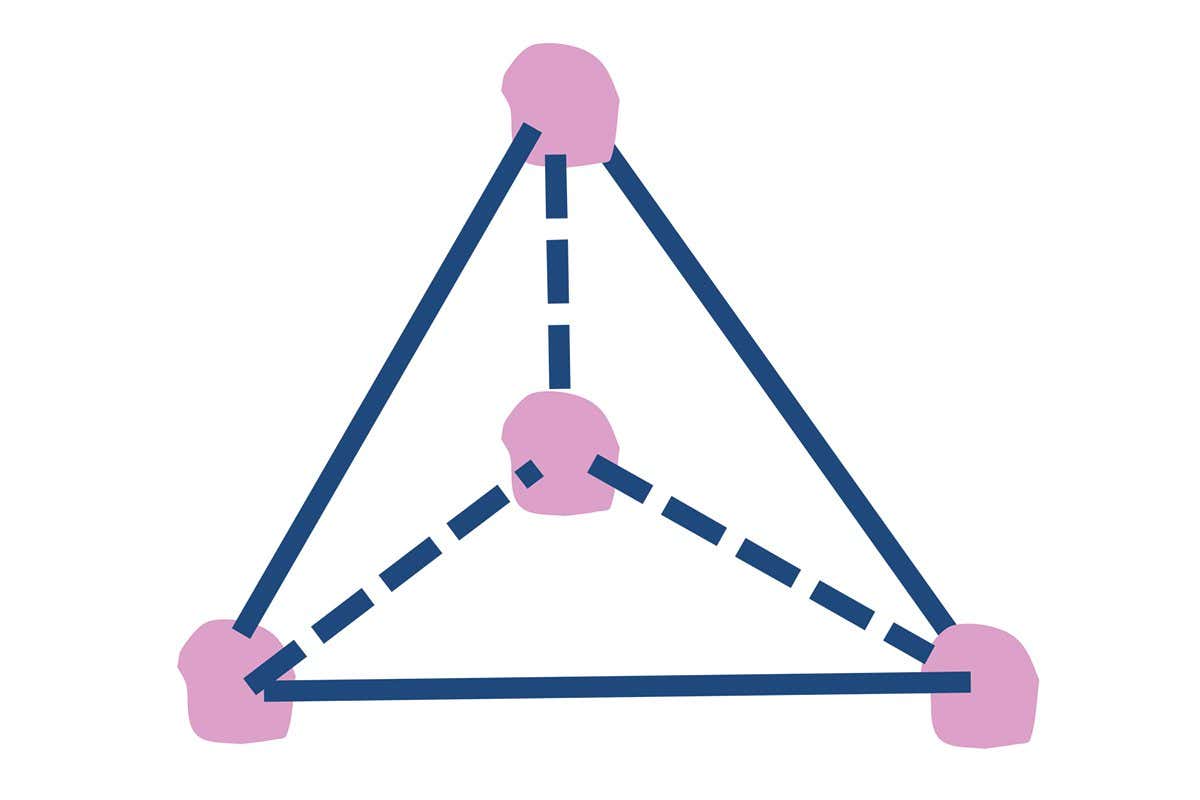
Puzzle #197: Can you work out how the marshmallows were arranged?

Puzzle #197: Can you work out how the marshmallows were arranged?

7 December 2022

Can you solve this week’s logic puzzle, Marshmallow test? Plus the answer to puzzle #196
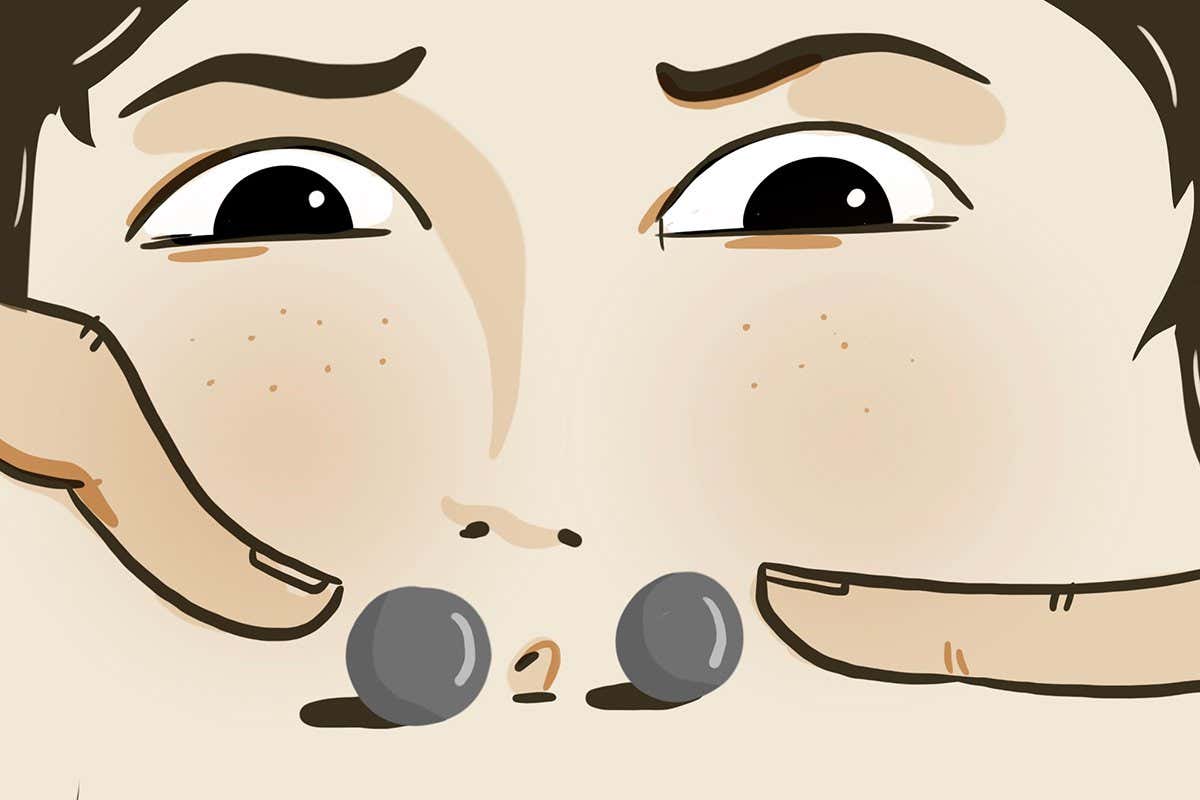

How to foster a toddler's yen for engineering

How to foster a toddler's yen for engineering

7 December 2022

Feedback explores the pedagogic possibilities of research into ball bearings, while also looking into why some presentations are improved by the inclusion of a sudoku


DNPBE6 The field of red poinsettias being grown for Christmas in Cambridgeshire.

Learn the secrets of poinsettias to help them thrive

7 December 2022

Shop-bought poinsettias produce a stunning display of crimson, and these tropical plants can be coaxed into an encore performance if you have the patience, says Clare Wilson
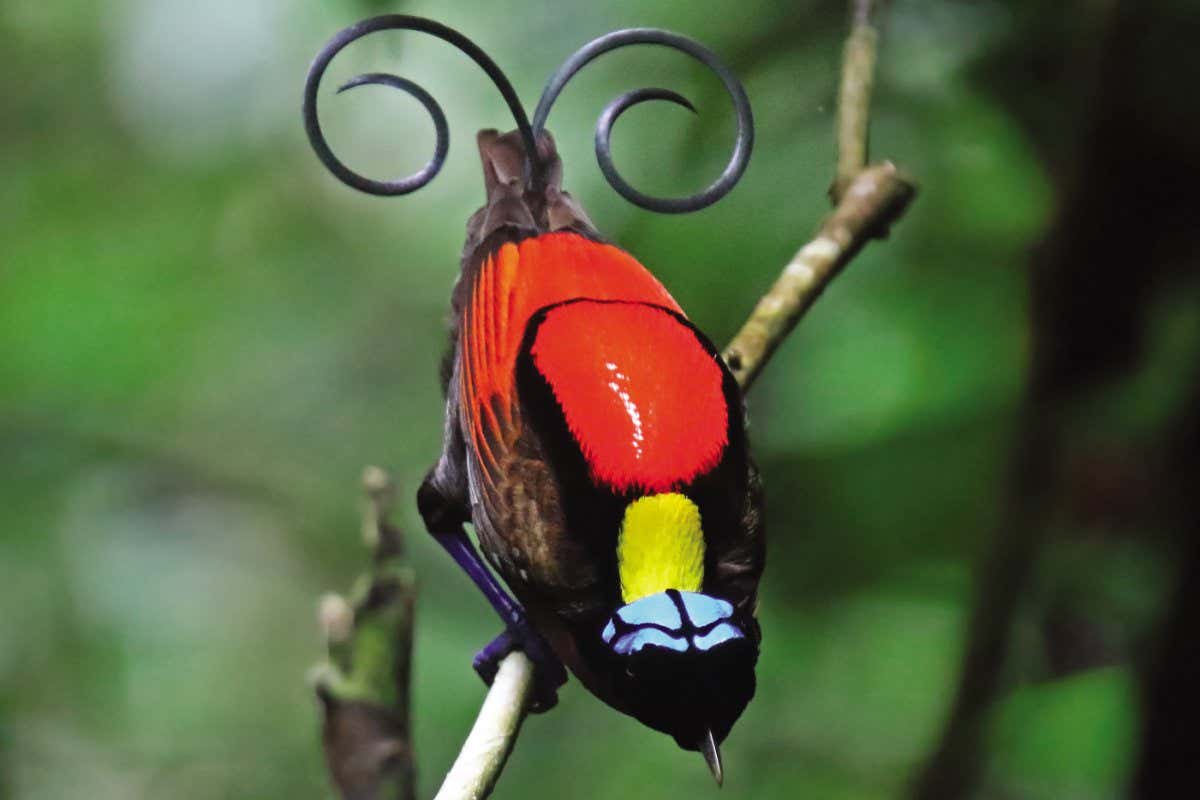

Wilson's Bird of Paradise Plate26_futuyma_Wilson's bop

How Birds Evolve review: In-depth and passionate

7 December 2022

Douglas Futuyma's new book on the rise of birds isn't easy going, but it shows why they were vital to evolutionary theory - and birders will love it
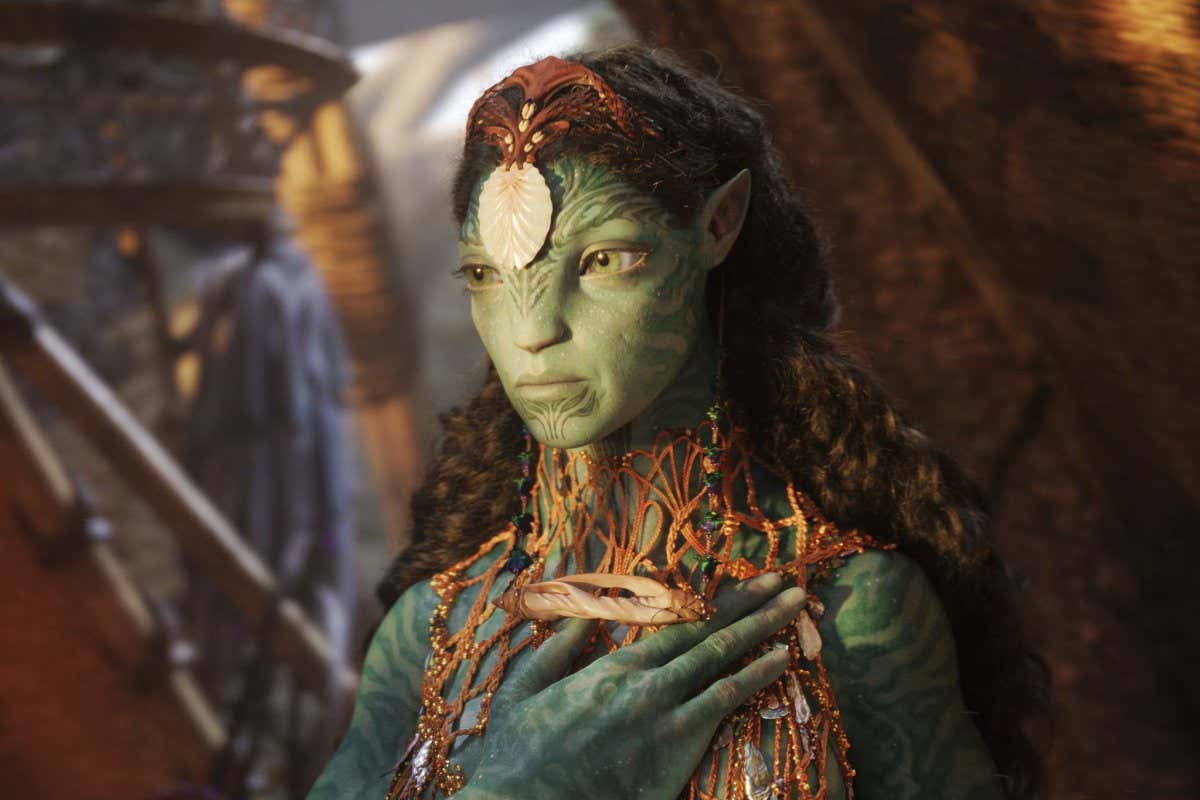

Avatar: The Way of Water Film 2022 ?Disney

Don’t Miss: The way of water, first of four sequels to Avatar

7 December 2022

New Scientist's weekly round-up of the best books, films, TV series, games and more that you shouldn’t miss


Self-knowledge: How to know your true personality and why it matters

Self-knowledge: How to know your true personality and why it matters

7 December 2022

When it comes to knowing yourself, your own perception of your personality doesn’t necessarily align with that of people around you. But which is more accurate? And can discovering your true nature lead to a better life?
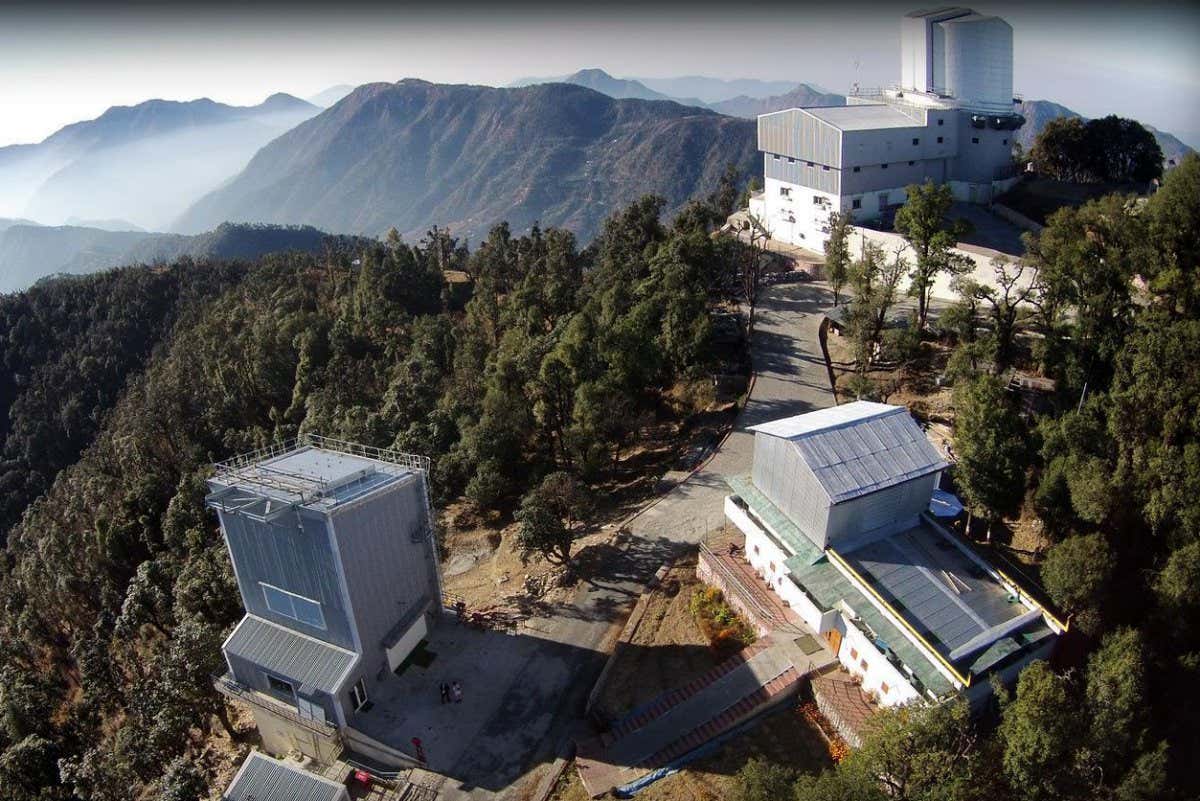

https://www.astro.oma.be/en/the-first-astronomical-liquid-mirror-telescope-sees-first-light-at-the-devasthal-observatory/

What the world’s largest liquid mirror telescope means for astronomy

6 December 2022

The International Liquid Mirror Telescope, perched high in the Himalayas, has finally started making observations. If it succeeds, we could one day put a much larger liquid telescope on the moon
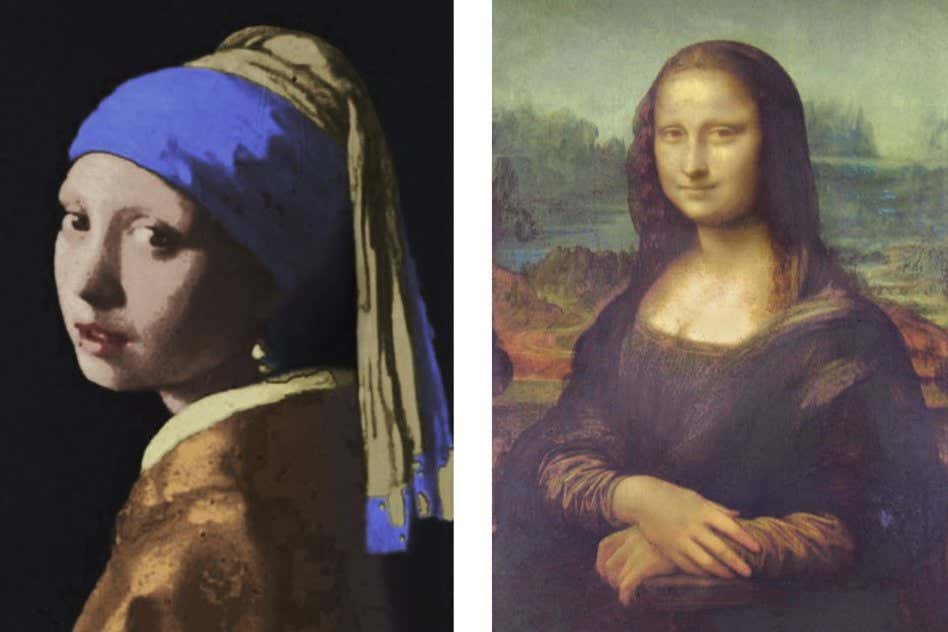

Fig. 4 | PhotGirl with a Pearl Earring and Mona Lisa, in miniatureorealistic plasmonic full-colour nanopainting. a, Schematic diagram of designing a patterned metasurface for simultaneously realizing various colour hues and brightness. b?d, Experimentally captured optical photographs of the metasurface-based artworks Girl with a Pearl Earring Matching image (b), Mona Lisa (c) and Virgin of the Rocks (d). The images show ultrasmooth transitions between the different colour hues and brightness by using our plasmonic colouring approach. Scale bars, 200??m.

Girl with a Pearl Earring and Mona Lisa recreated with nanotechnology

5 December 2022

A technique that uses nanoscale structures to reproduce colour has been employed to make copies of famous paintings, and could also help fight counterfeiting
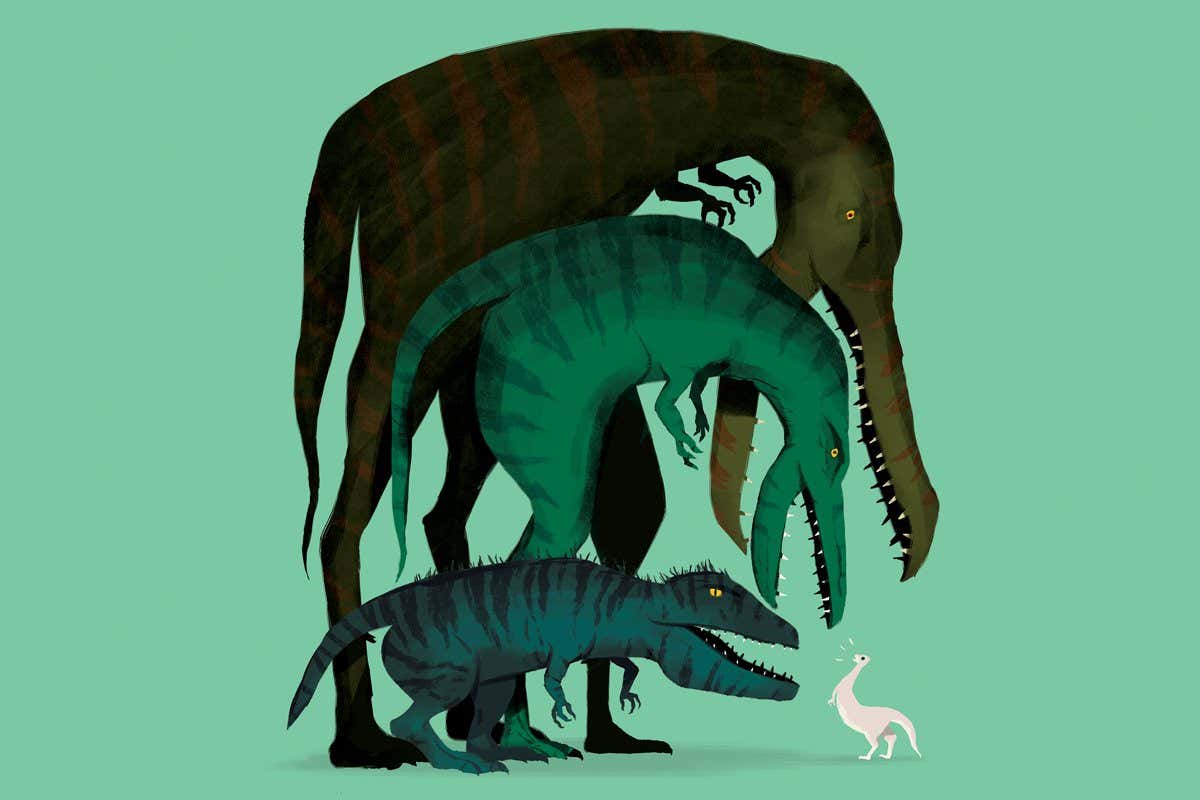

How did so many giant meat-eating dinosaurs co-exist in the Jurassic?

How did so many giant meat-eating dinosaurs co-exist in the Jurassic?

5 December 2022

It took a lot of meat to feed even one species of large carnivorous dinosaur, so how did several survive side-by-side in the Jurassic and Cretaceous periods without starving? We might finally have the answer


Logo of Twitter changing into a Mastodon oneastodon: Logos of Twitter turning into the free and open source social networking service Mastodon.

Most people who threatened to quit Twitter for Mastodon haven't left

2 December 2022

Of more than 140,000 Twitter users who announced they were moving to Mastodon, just 1.6 per cent have actually quit Elon Musk’s social media platform


Sign up to our weekly newsletter

Receive a weekly dose of discovery in your inbox. We'll also keep you up to date with New Scientist events and special offers.

Sign up
Piano Exit Overlay Banner Mobile Piano Exit Overlay Banner Desktop