
Subscribe now
2KECTGW Buenos Aires, Argentina - November 11th: Mastodon and Twitter logo on mobile phone screen.

Leaving Twitter? Here's what other social media platforms offer

7 December 2022

With the platform looking a little the worse for wear after its recent acquisition by Elon Musk, Annalee Newitz tries the best alternatives, so you don’t have to


Marine sciences must cast off an imperial legacy of ocean exploitation

Marine sciences must cast off an imperial legacy of ocean exploitation

7 December 2022

A century and a half after HMS Challenger embarked on the first global survey of the ocean, some ideas from the era still linger. They urgently need to be left behind, says Helen Scales


RC8A08 Woman beside glass window

The science of self-knowledge is important, even if it is a bit fuzzy

7 December 2022

Who you really are is a major question worth pursuing for most people, so research into self-knowledge is important despite the fact it often relies on subjective findings
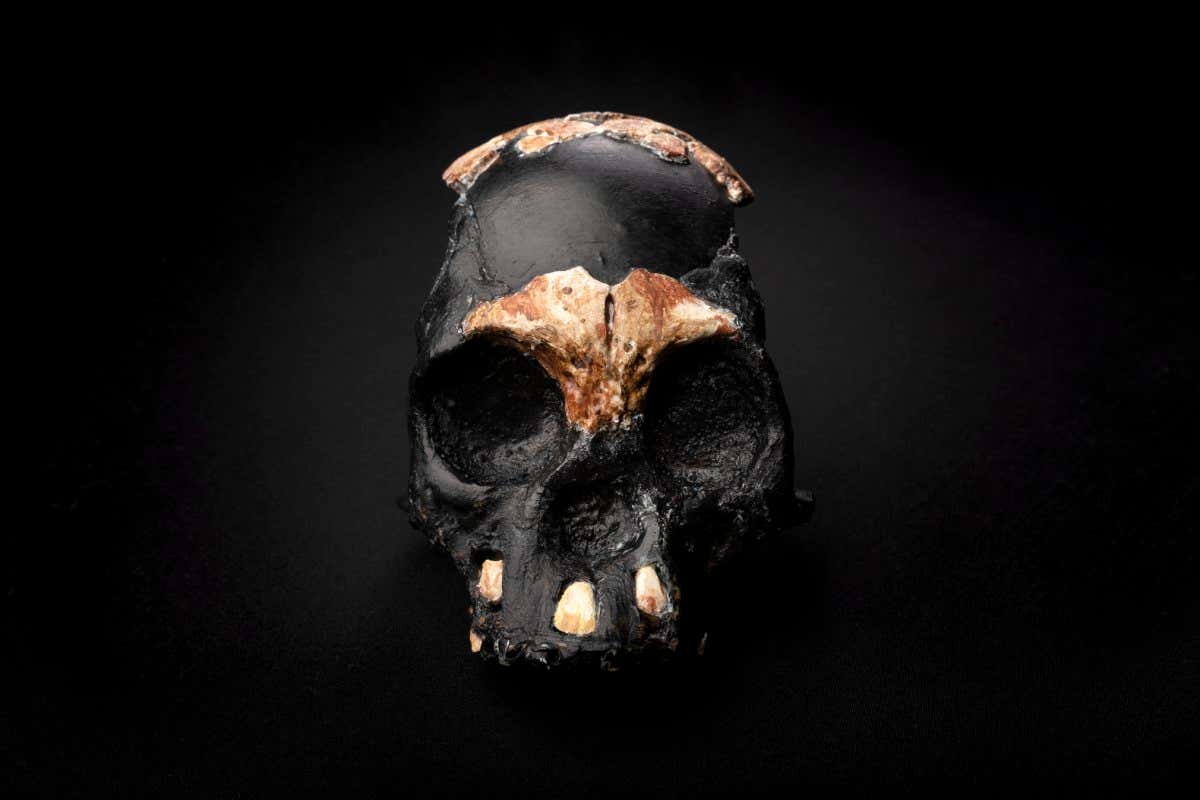

Homo naledi skull

Homo naledi may have used fire to cook and navigate 230,000 years ago

6 December 2022

Archaeologists say they have found evidence that Homo naledi, an extinct human species with a tiny brain, used fire to cook and light up dark tunnels – though this claim remains controversial
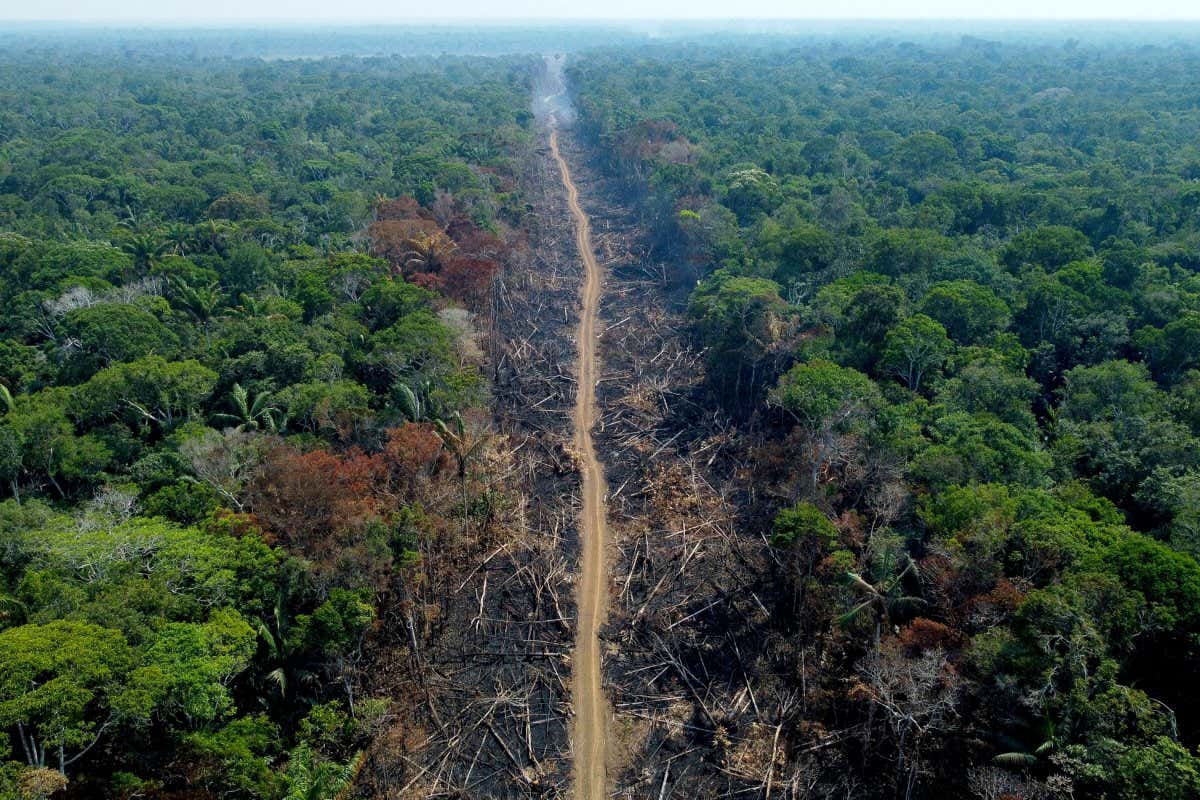

TOPSHOT - A deforested and burnt area is seen on a stretch of the BR-230 (Transamazonian highway) in Humait??, Amazonas State, Brazil, on September 16, 2022. - According to the National Institute for Space Research (INPE), hotspots in the Amazon region saw a record increase in the first half of September, being the average for the month 1,400 fires per day. (Photo by MICHAEL DANTAS / AFP) (Photo by MICHAEL DANTAS/AFP via Getty Images)

COP15 target to reverse biodiversity loss by 2030 is ‘unrealistic’

5 December 2022

Goal to “halt and reverse” biodiversity loss by 2030 – a headline aim of the COP15 biodiversity summit – could take 80 rather than eight years to achieve, say conservationists
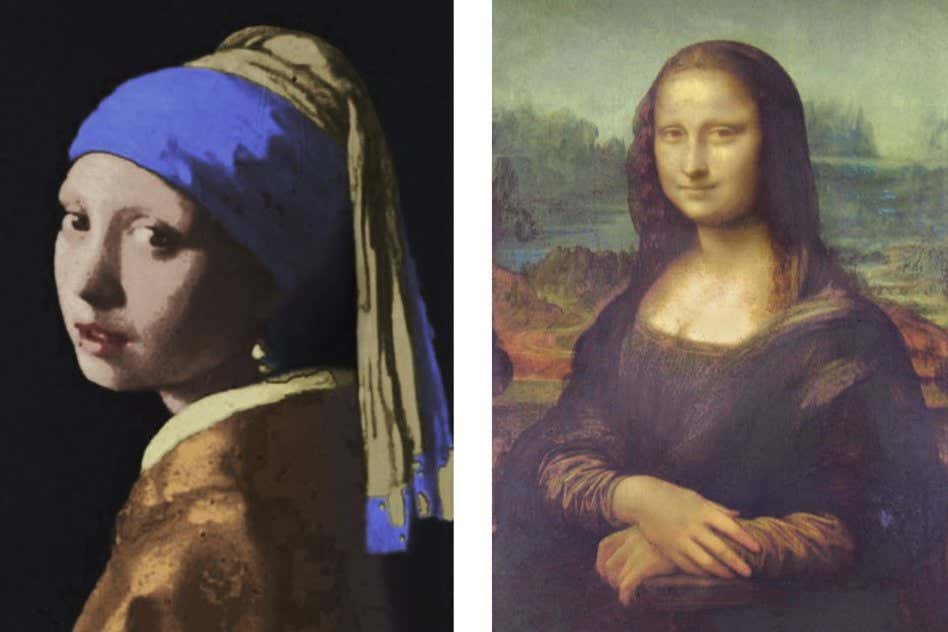

Fig. 4 | PhotGirl with a Pearl Earring and Mona Lisa, in miniatureorealistic plasmonic full-colour nanopainting. a, Schematic diagram of designing a patterned metasurface for simultaneously realizing various colour hues and brightness. b?d, Experimentally captured optical photographs of the metasurface-based artworks Girl with a Pearl Earring Matching image (b), Mona Lisa (c) and Virgin of the Rocks (d). The images show ultrasmooth transitions between the different colour hues and brightness by using our plasmonic colouring approach. Scale bars, 200??m.

Girl with a Pearl Earring and Mona Lisa recreated with nanotechnology

5 December 2022

A technique that uses nanoscale structures to reproduce colour has been employed to make copies of famous paintings, and could also help fight counterfeiting
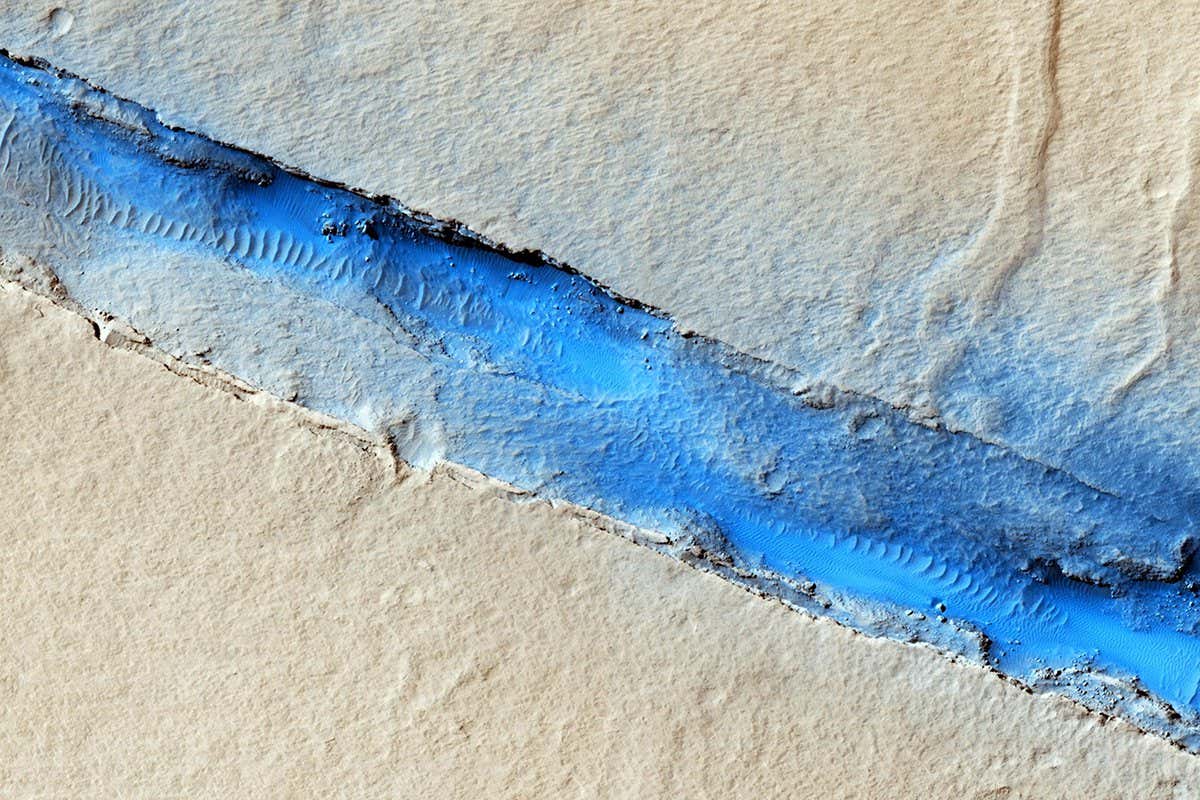

Fissure near Cerberus Fossae with Tectonic Morphologies NASA/JPL-Caltech/Univ. of Arizona

Mars may have a huge plume of hot rocks rising towards its surface

5 December 2022

Mars has been viewed as a mostly geologically static world, but the planet may have an enormous underground plume of hot rocks slowly rising towards the surface


Logo of Twitter changing into a Mastodon oneastodon: Logos of Twitter turning into the free and open source social networking service Mastodon.

Most people who threatened to quit Twitter for Mastodon haven't left

2 December 2022

Of more than 140,000 Twitter users who announced they were moving to Mastodon, just 1.6 per cent have actually quit Elon Musk’s social media platform
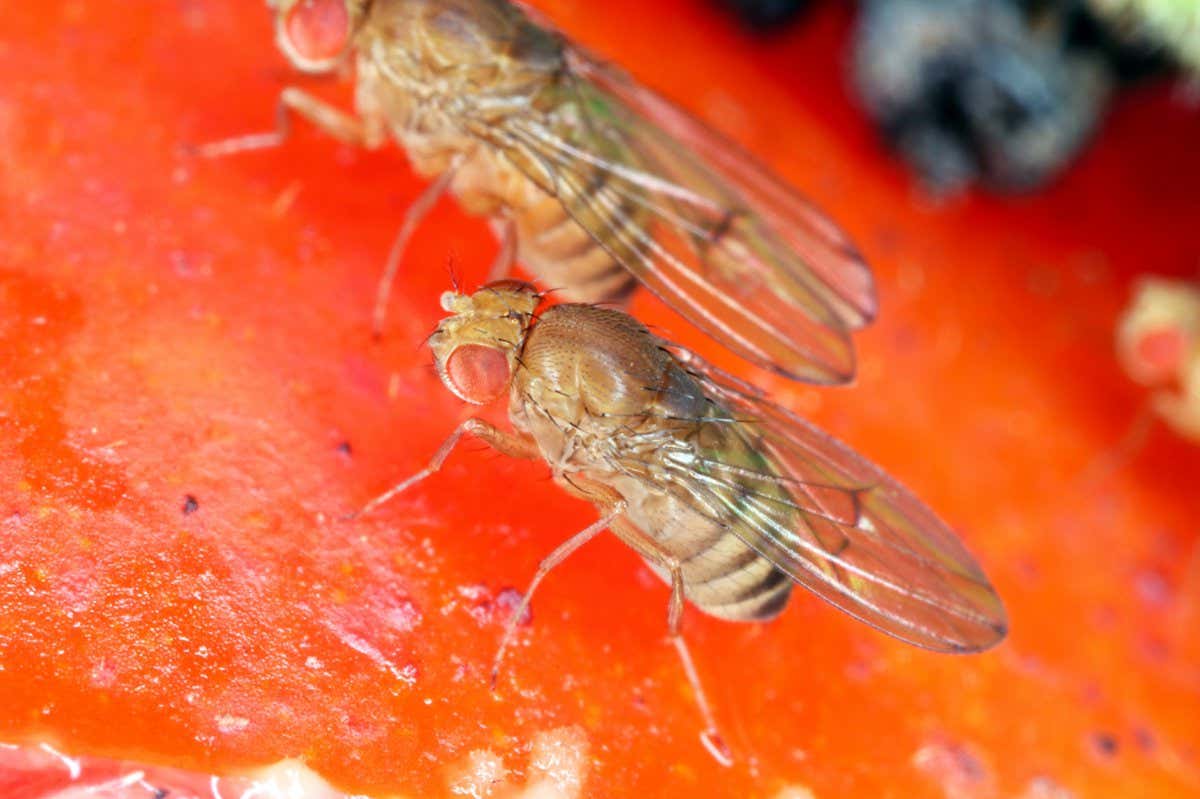

Two fruit flies

The 3013 neurons in the brain of a fly larva have been mapped in full

2 December 2022

A complete map of the neurons inside the brain of a fruit fly larva is the largest example of a whole-brain "connectome", and is a stepping stone to describing the brains of more complex animals, including mice and humans
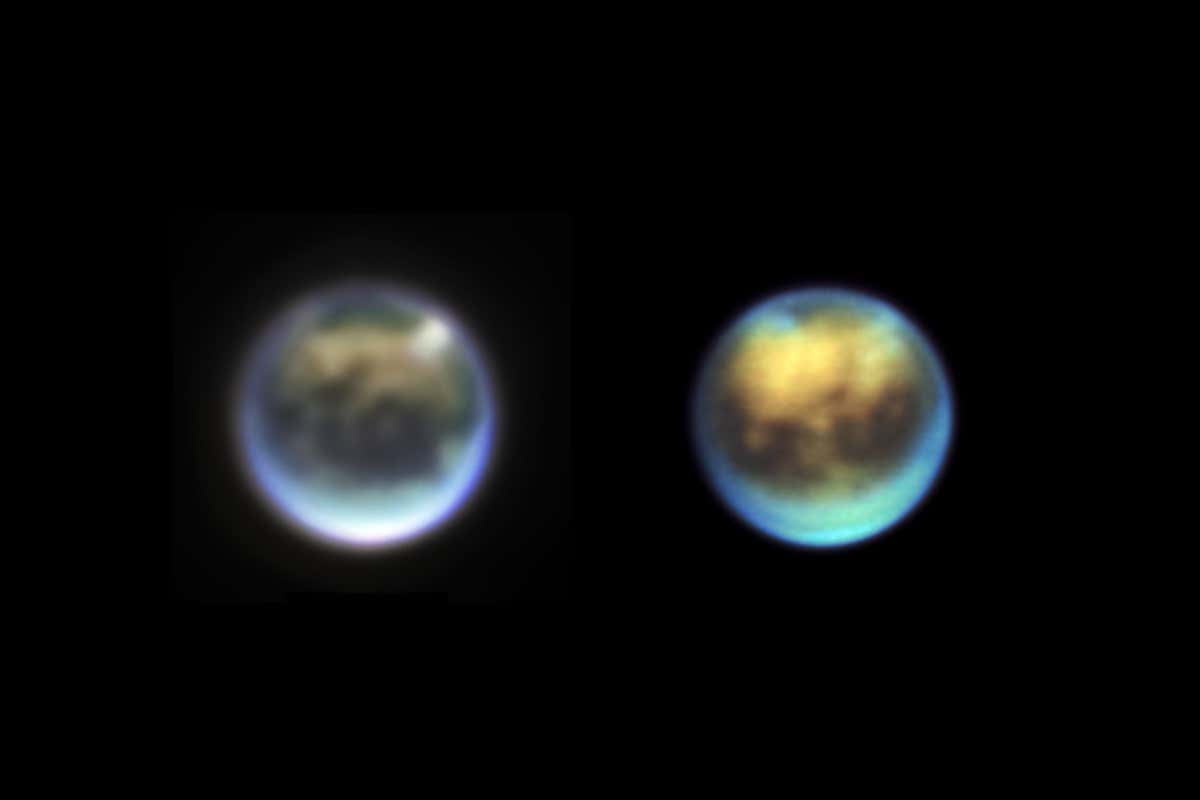

Clouds on Titan over 36 hours between November 4 and November 6, 2022, as seen by JWST (left) and Keck (right)

JWST has taken pictures of clouds on Saturn’s moon Titan

1 December 2022

The James Webb Space Telescope and the Keck Observatory in Hawaii have watched clouds changing shape in the sky of Titan, Saturn’s largest moon, which could help us understand its weird atmosphere


Sign up to our weekly newsletter

Receive a weekly dose of discovery in your inbox. We'll also keep you up to date with New Scientist events and special offers.

Sign up
Piano Exit Overlay Banner Mobile Piano Exit Overlay Banner Desktop