Subscribe now
Homo naledi skull

Homo naledi may have used fire to cook and navigate 230,000 years ago

6 December 2022

Archaeologists say they have found evidence that Homo naledi, an extinct human species with a tiny brain, used fire to cook and light up dark tunnels – though this claim remains controversial
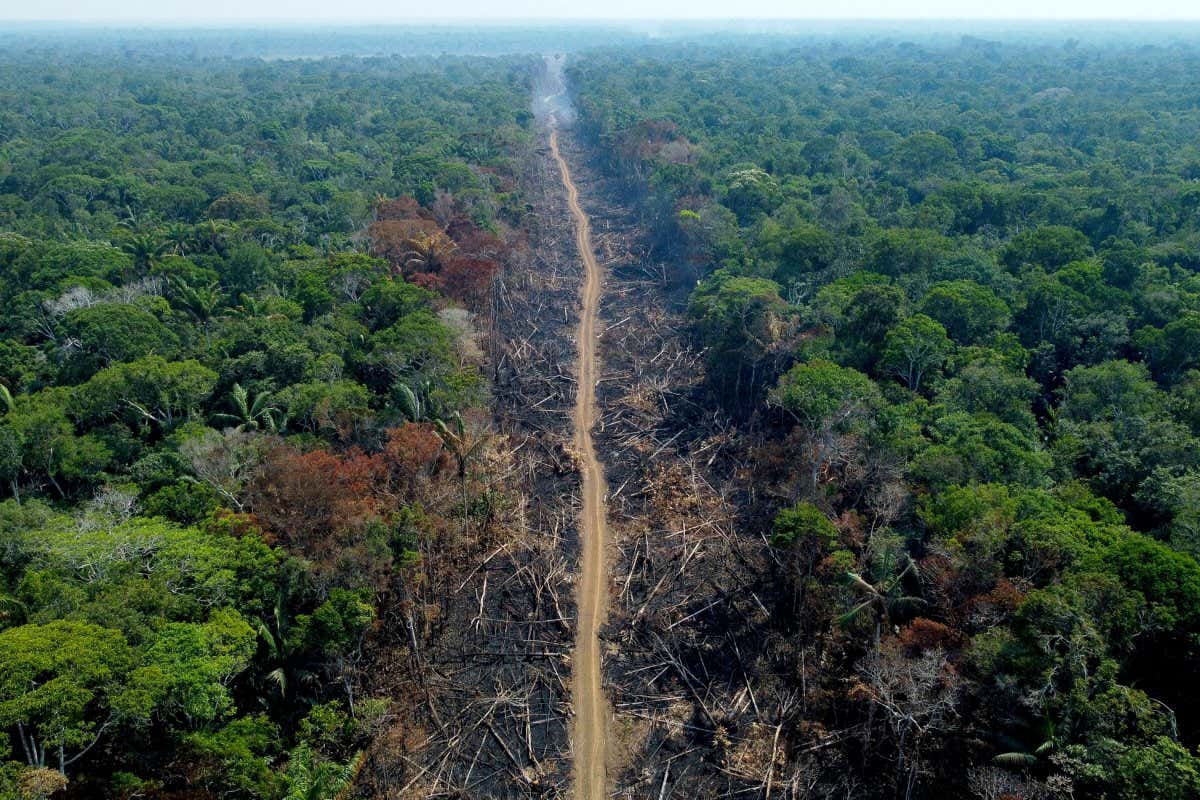

TOPSHOT - A deforested and burnt area is seen on a stretch of the BR-230 (Transamazonian highway) in Humait??, Amazonas State, Brazil, on September 16, 2022. - According to the National Institute for Space Research (INPE), hotspots in the Amazon region saw a record increase in the first half of September, being the average for the month 1,400 fires per day. (Photo by MICHAEL DANTAS / AFP) (Photo by MICHAEL DANTAS/AFP via Getty Images)

COP15 target to reverse biodiversity loss by 2030 is ‘unrealistic’

5 December 2022

Goal to “halt and reverse” biodiversity loss by 2030 – a headline aim of the COP15 biodiversity summit – could take 80 rather than eight years to achieve, say conservationists


Fig. 4 | PhotGirl with a Pearl Earring and Mona Lisa, in miniatureorealistic plasmonic full-colour nanopainting. a, Schematic diagram of designing a patterned metasurface for simultaneously realizing various colour hues and brightness. b?d, Experimentally captured optical photographs of the metasurface-based artworks Girl with a Pearl Earring Matching image (b), Mona Lisa (c) and Virgin of the Rocks (d). The images show ultrasmooth transitions between the different colour hues and brightness by using our plasmonic colouring approach. Scale bars, 200??m.

Girl with a Pearl Earring and Mona Lisa recreated with nanotechnology

5 December 2022

A technique that uses nanoscale structures to reproduce colour has been employed to make copies of famous paintings, and could also help fight counterfeiting


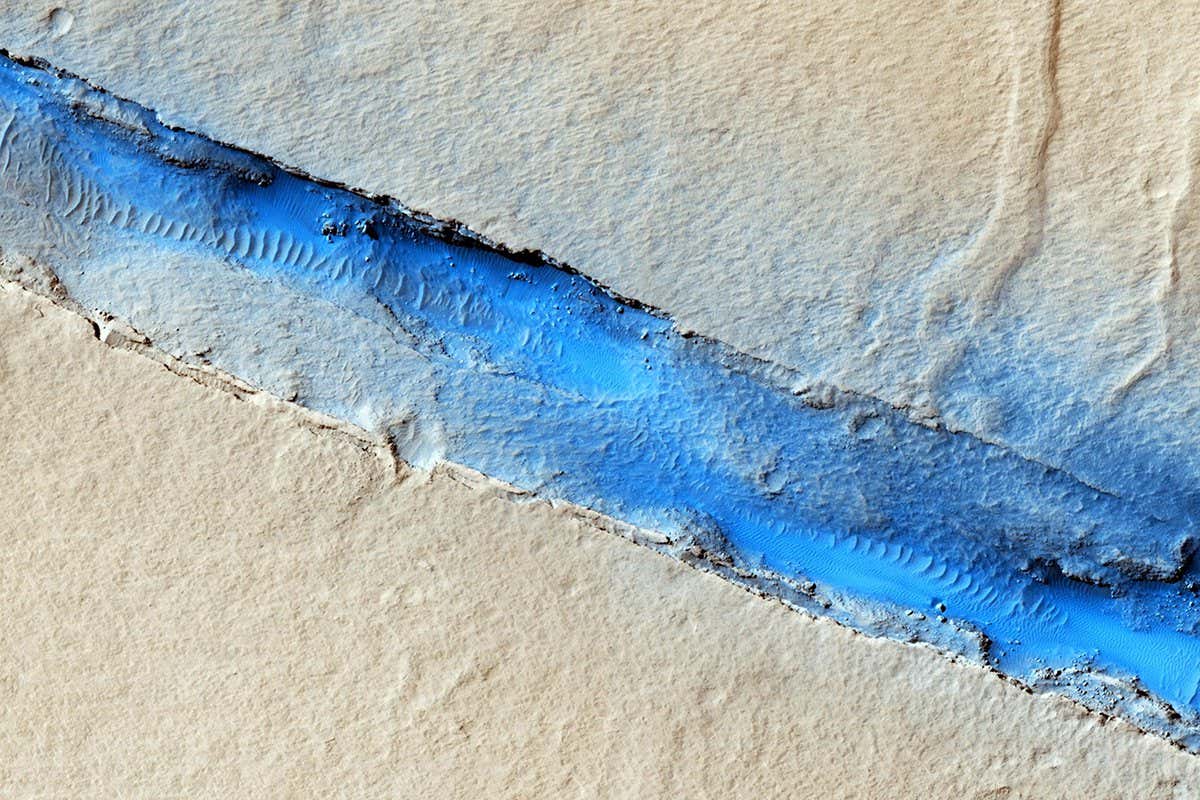
Fissure near Cerberus Fossae with Tectonic Morphologies NASA/JPL-Caltech/Univ. of Arizona

Mars may have a huge plume of hot rocks rising towards its surface

5 December 2022

Mars has been viewed as a mostly geologically static world, but the planet may have an enormous underground plume of hot rocks slowly rising towards the surface


Logo of Twitter changing into a Mastodon oneastodon: Logos of Twitter turning into the free and open source social networking service Mastodon.

Most people who threatened to quit Twitter for Mastodon haven't left

2 December 2022

Of more than 140,000 Twitter users who announced they were moving to Mastodon, just 1.6 per cent have actually quit Elon Musk’s social media platform


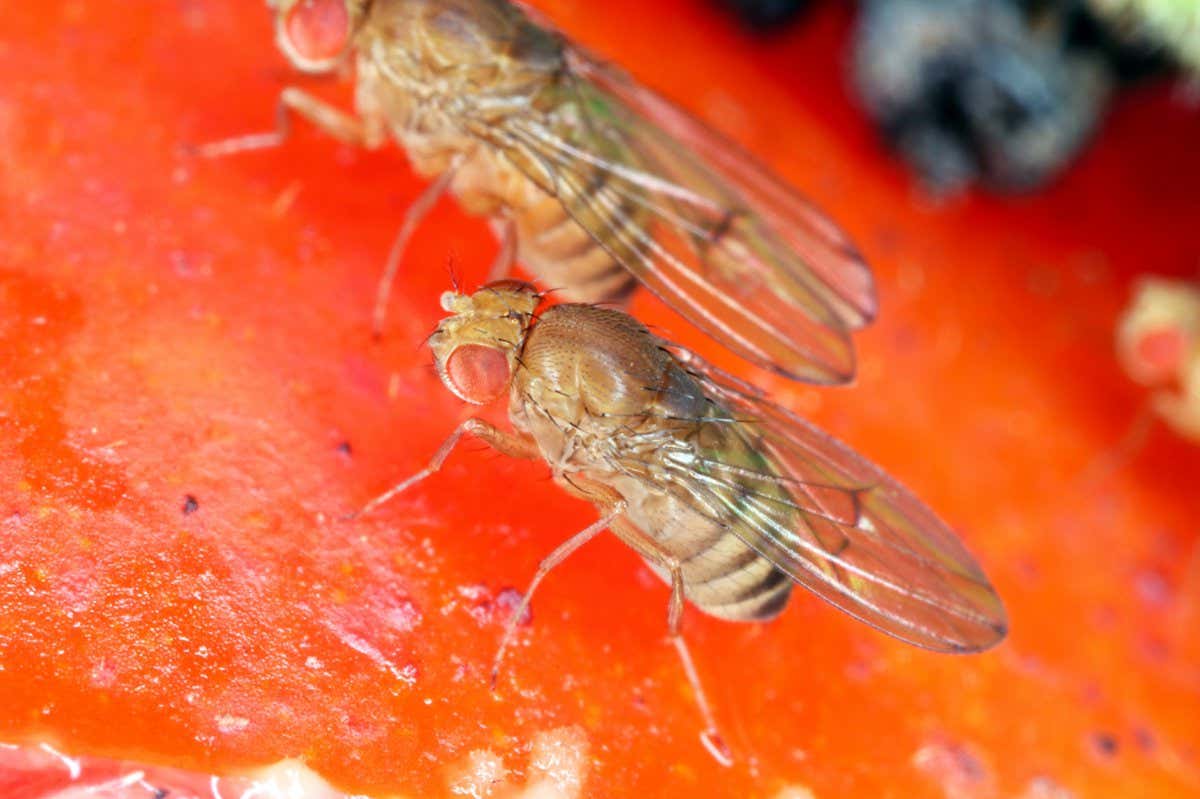
Two fruit flies

The 3013 neurons in the brain of a fly larva have been mapped in full

2 December 2022

A complete map of the neurons inside the brain of a fruit fly larva is the largest example of a whole-brain "connectome", and is a stepping stone to describing the brains of more complex animals, including mice and humans


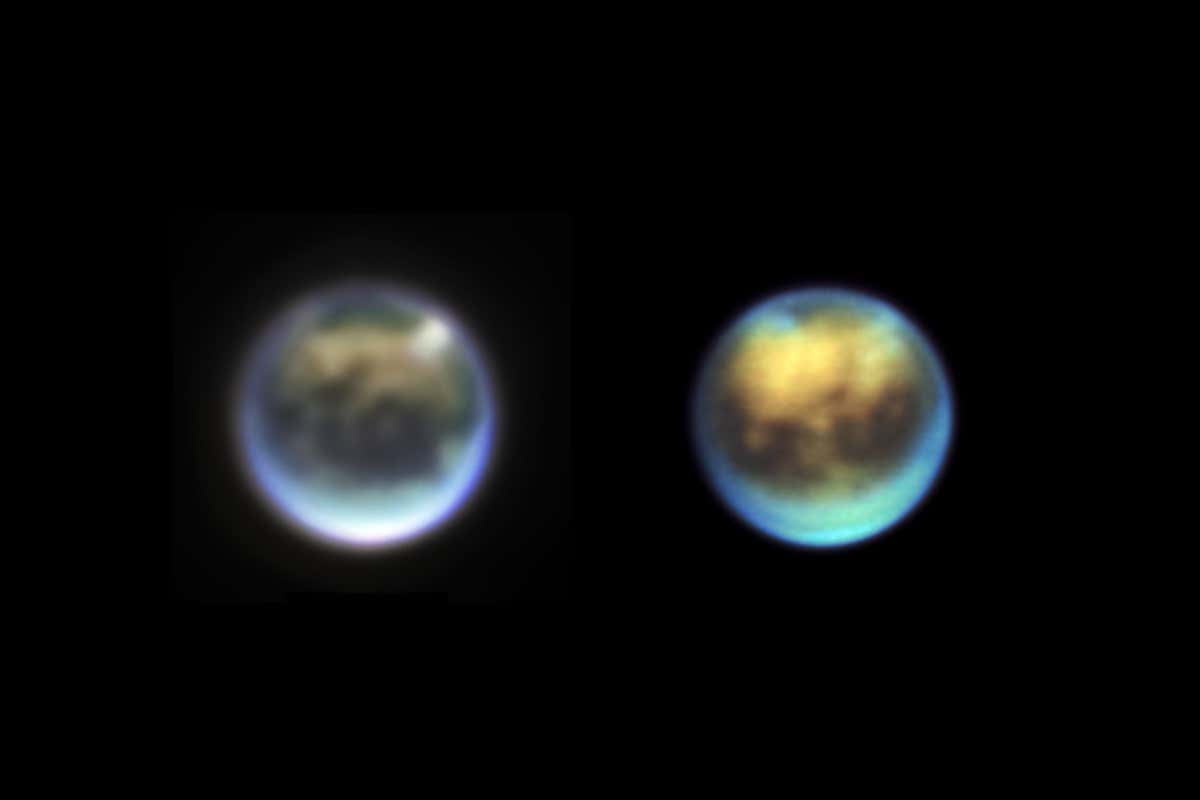
Clouds on Titan over 36 hours between November 4 and November 6, 2022, as seen by JWST (left) and Keck (right)

JWST has taken pictures of clouds on Saturn’s moon Titan

1 December 2022

The James Webb Space Telescope and the Keck Observatory in Hawaii have watched clouds changing shape in the sky of Titan, Saturn’s largest moon, which could help us understand its weird atmosphere


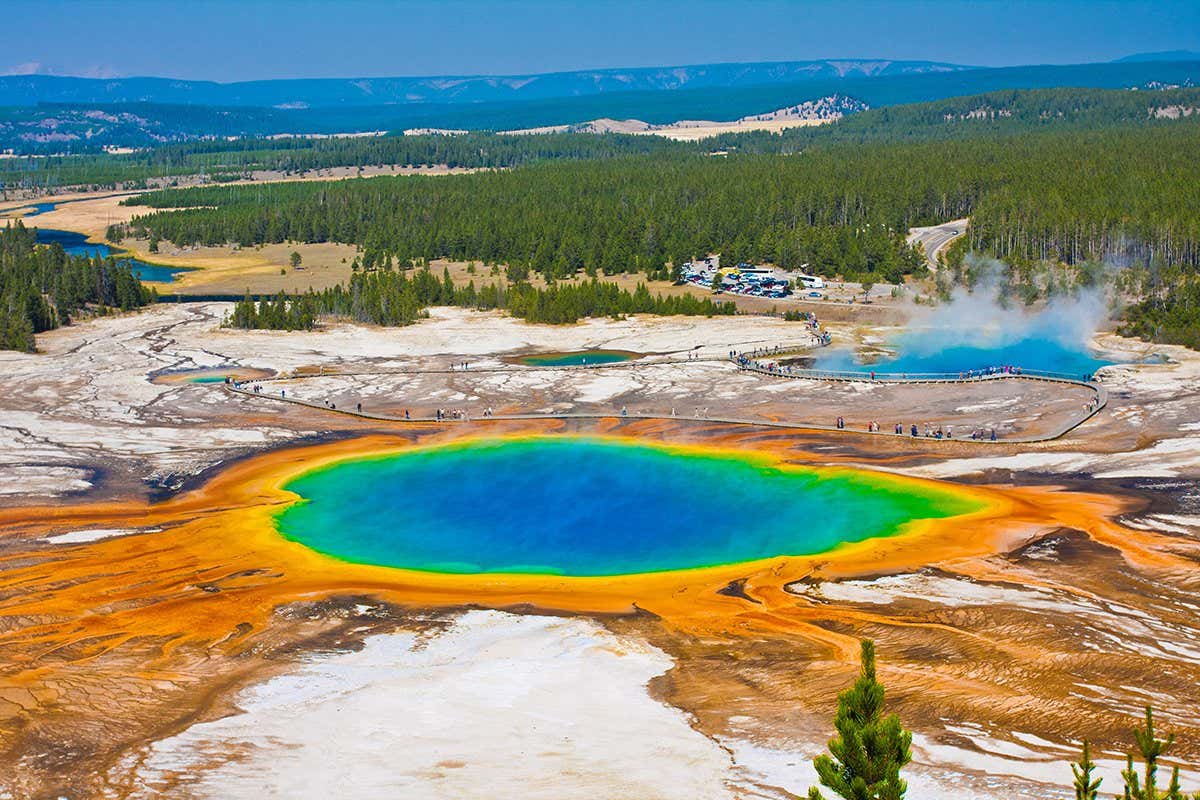
The Grand Prismatic Spring in Yellowstone National Park

Yellowstone supervolcano contains twice as much melted rock as thought

1 December 2022

There is more melted rock under Yellowstone Caldera – a volcano in Wyoming – than was previously estimated, but that doesn’t change the likelihood of an eruption


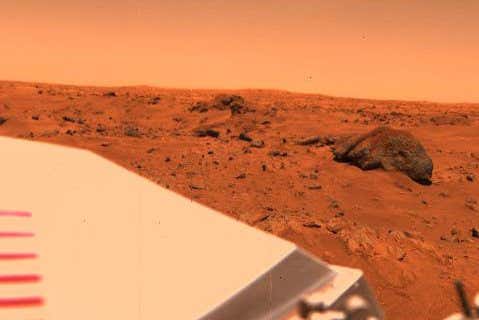
Original Caption Released with Image: Near the Viking 1 Lander on the Chryse Plains of Mars, 'Big Joe' stands a silent vigil. This large, often-photographed dark rock has a topping of reddish fine-grained silt that spills down its sides. It is about 2 meters (6.6 feet) long and lies about 8 meters (26 feet) from the spacecraft. The rough texture of the sides shows it to be coarse grained. Big Joe appears to be part of a field of large blocks that has a roughly circular alignment and which may be part of the rim of an ancient degraded crater. Some of the other blocks of the field can be seen to the left, extending out toward the horizon, perhaps 1.5 kilometers (1 mile) away. Drifts of fine-grained material cover the surface to the right and left of Big Joe. The part of the Lander that is visible in the lower left is the cover of the nuclear power supply. Image Credit: NASA/JPL

Ancient megatsunami on Mars traced to the crater where it began

1 December 2022

Before Mars dried up, an asteroid slammed into one of its oceans and caused a colossal megatsunami, and now researchers have found the crater where it hit


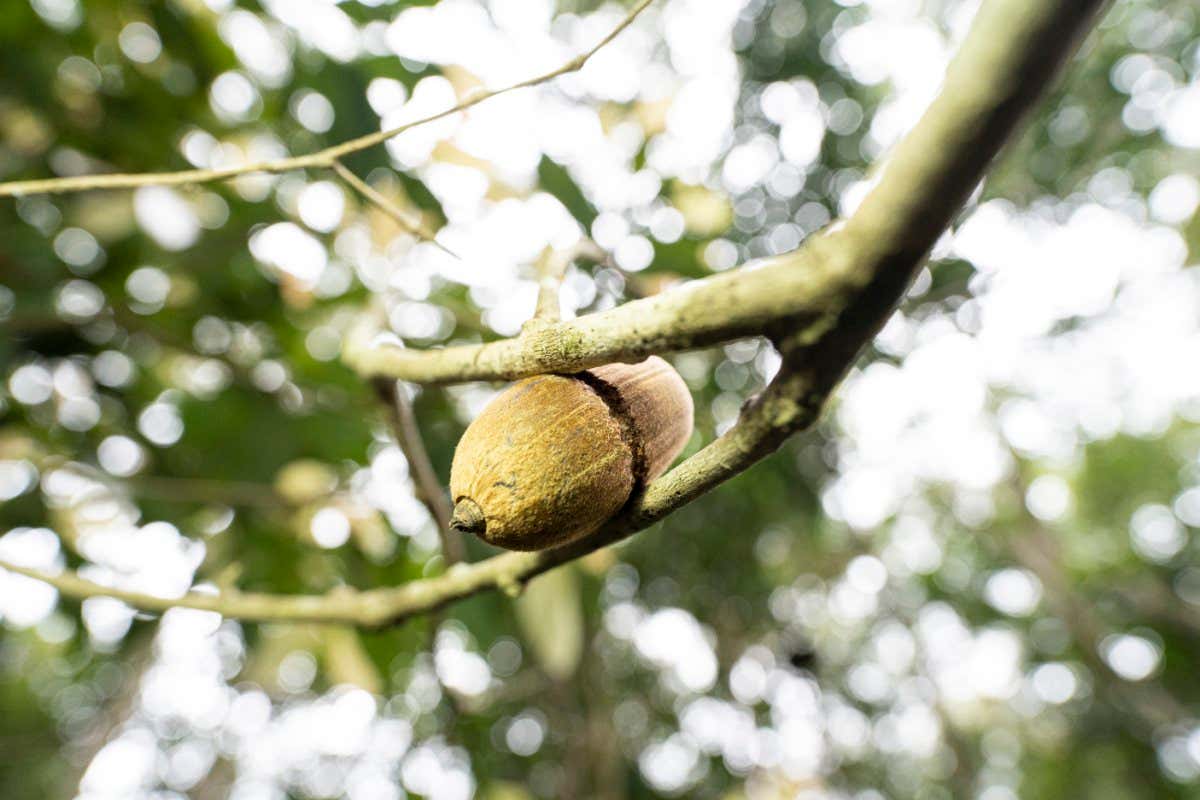
A nut wedged in the fork of a tree branch

Flying squirrels carve nuts to store them securely in tree branches

1 December 2022

Buried nuts would quickly rot in the tropical rainforests of Hainan Island, so flying squirrels have taught themselves carpentry instead


Sign up to our weekly newsletter

Receive a weekly dose of discovery in your inbox. We'll also keep you up to date with New Scientist events and special offers.

Sign up
Piano Exit Overlay Banner Mobile Piano Exit Overlay Banner Desktop