Subscribe now
How understanding a form of broken heart syndrome could save lives

How understanding a form of broken heart syndrome could save lives

8 February 2023

Better recognition and understanding of a lesser-known form of broken heart syndrome, takotsubo syndrome, could be key to protection from sudden cardiac death, says Sian Harding

Stop drinking, keep reading, look after your hearing: a neurologist?s tips for fighting memory loss and Alzheimer?s. Dr Richard Restak at his home in Washington, D.C. on August 3, 2022. ? Greg Kahn / Guardian / eyevine Contact eyevine for more information about using this image: T: +44 (0) 20 8709 8709 E: info@eyevine.com http://www.eyevine.com

The Complete Guide to Memory review: How we remember and how we forget

8 February 2023

How does our memory really work? Richard Restak's guide delves deep to explain the complexities, offering new clues to strengthening our minds and maybe even warding off the damage caused by Alzheimer's


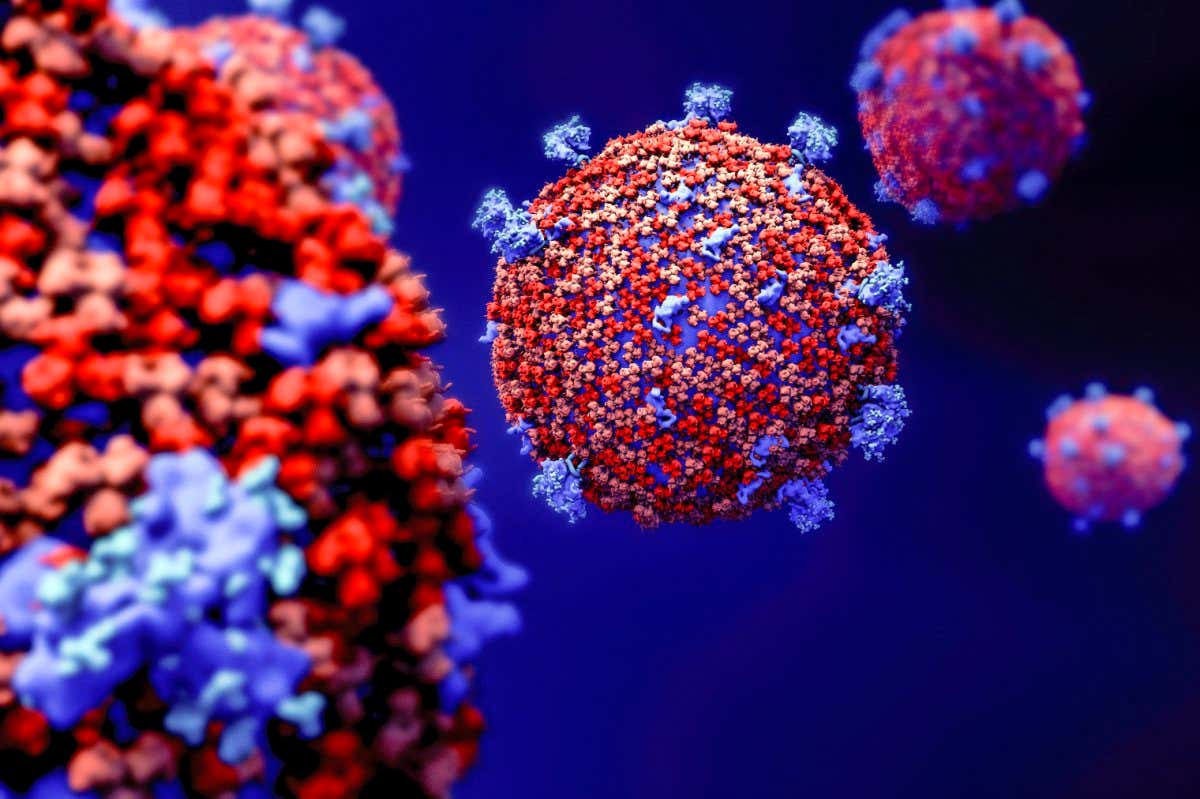
The coronavirus is continuing to mutate as it spreads

Millions of coronavirus mutations offer a new insight into evolution

7 February 2023

Using publicly available SARS-CoV-2 sequences, researchers have revealed the genetic sites that must be in a particular state for the coronavirus to survive and which can tolerate changes


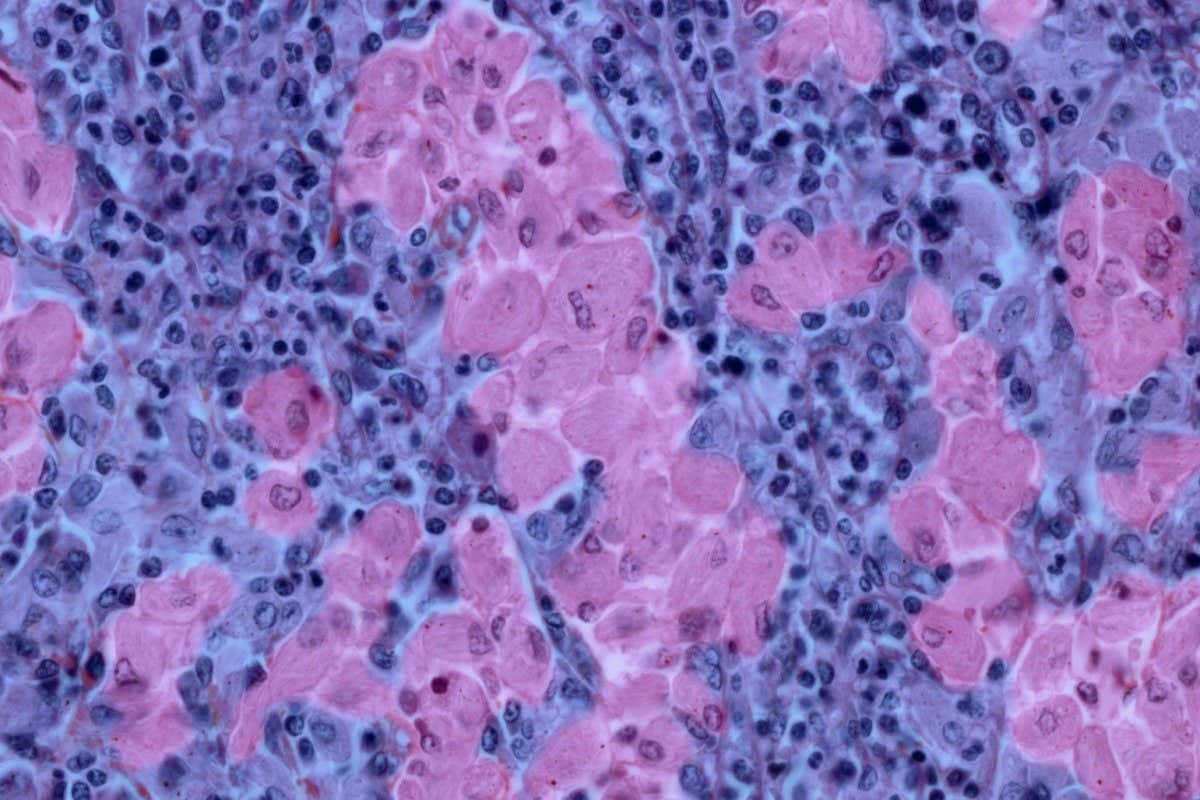
Light micrograph of a section through the spleen of a patient with Gaucher's disease. Small lymphocytes and large macrophage cells (Gaucher?s cells, pink, a type of white blood cell) are present. Gaucher's disease is an inherited metabolic disorder in which a fatty substance called glucocerebroside accumulates in the spleen (in macrophages), lungs, liver and bone marrow, and sometimes the brain. This is due to an absence of the enzyme glucocerebrosidase (GC). The disease appears in childhood, and some forms are fatal in the first few years. Other forms cause enlargement of the affected organs, weak and painful bones and anaemia. Some forms also cause severe nervous system damage. There is no cure, but enzyme replacement therapy using GC can relieve the symptoms. Haematoxylin-eosin saffron (HES) stain. Magnification: x400 at 24x36 mm size.

Genes for Gaucher disease may have protected Jewish people against TB

6 February 2023

Gaucher disease, a genetic condition that is more common in Ashkenazi Jewish people, may confer protection against tuberculosis, according to research in zebrafish


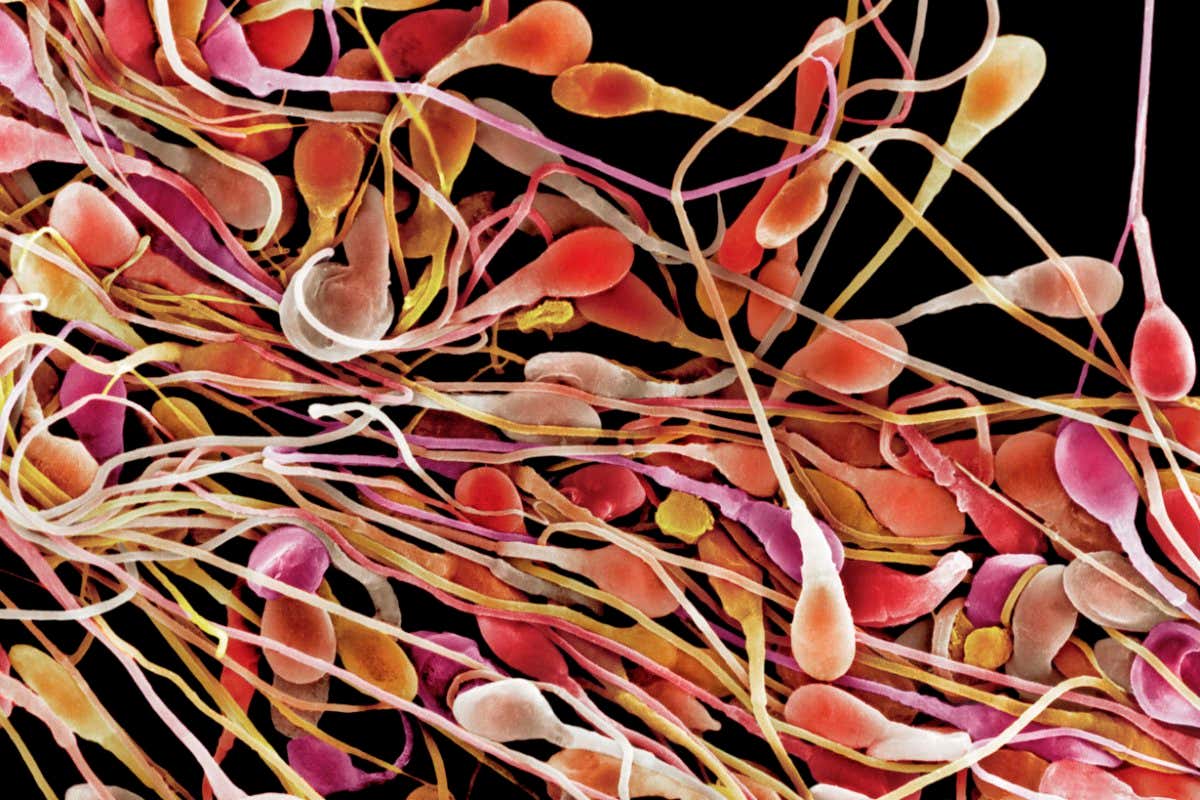
Human sperm

Sperm-sorting device aims to find healthy samples to boost IVF success

3 February 2023

Healthier sperm are normally selected for IVF using a centrifuge, which can damage the cells, but an alternative method can do the job gently by creating a current for them to swim against


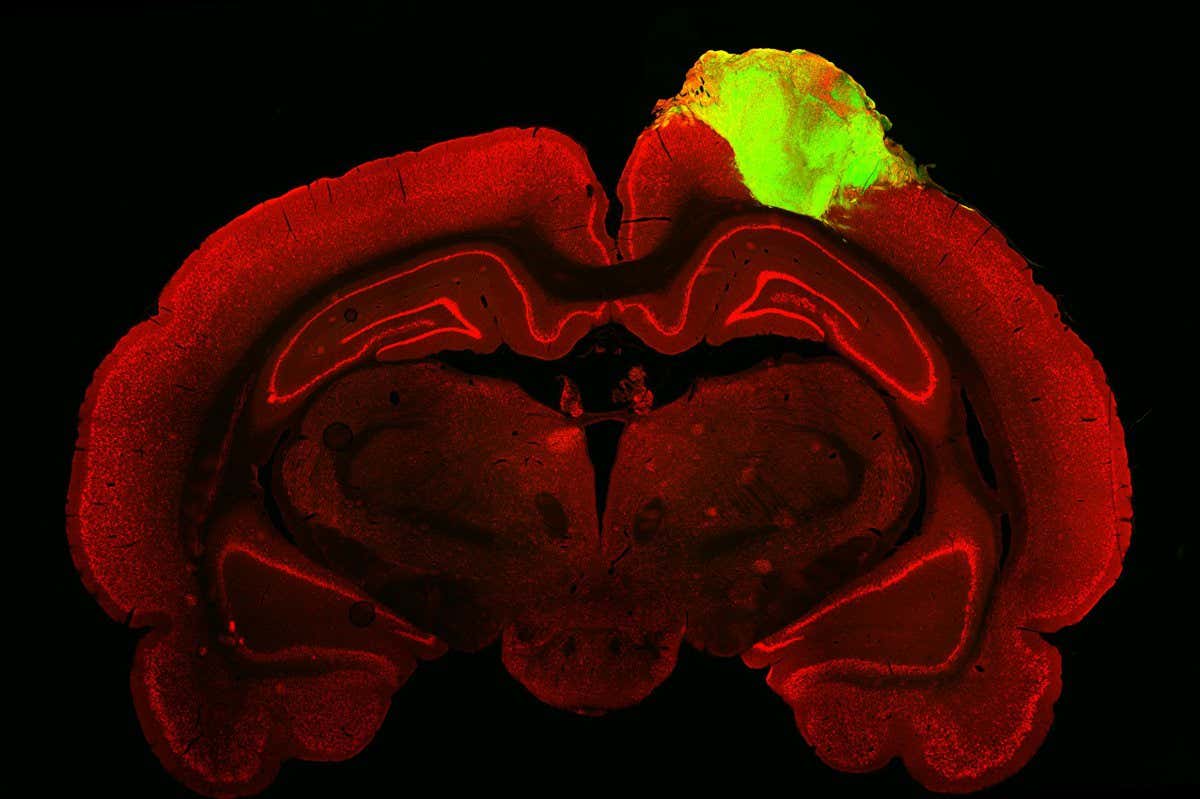
A rat brain (red) with a grafted human brain organoid (green)

Human neurons implanted into a rat's brain respond to flashing lights

2 February 2023

Lab-grown neurons were transplanted into the brains of rats with damaged visual cortexes. After two months, the neurons responded when the rats saw flashing lights


A woman seeking treatment for chronic back pain

Antidepressants mostly can't treat chronic pain, despite wide use

1 February 2023

Ongoing pain, such as chronic back or neck pain, is difficult to treat, so some doctors prescribe antidepressants. Now, a review of evidence says these drugs mostly don't work as a treatment


When an event occurs, we have various means of measuring how long it lasted, which may be improved by moving and hearing sounds during the event

Hearing noise and moving our body helps us gauge the passing of time

1 February 2023

People may be more aware of how much time has passed when they move their body and hear sounds during an event. This improved time perception may help to gauge the effectiveness of treatments for conditions like Parkinson's disease


Sign up to our weekly newsletter

Receive a weekly dose of discovery in your inbox. We'll also keep you up to date with New Scientist events and special offers.

Sign up
Piano Exit Overlay Banner Mobile Piano Exit Overlay Banner Desktop