Subscribe now
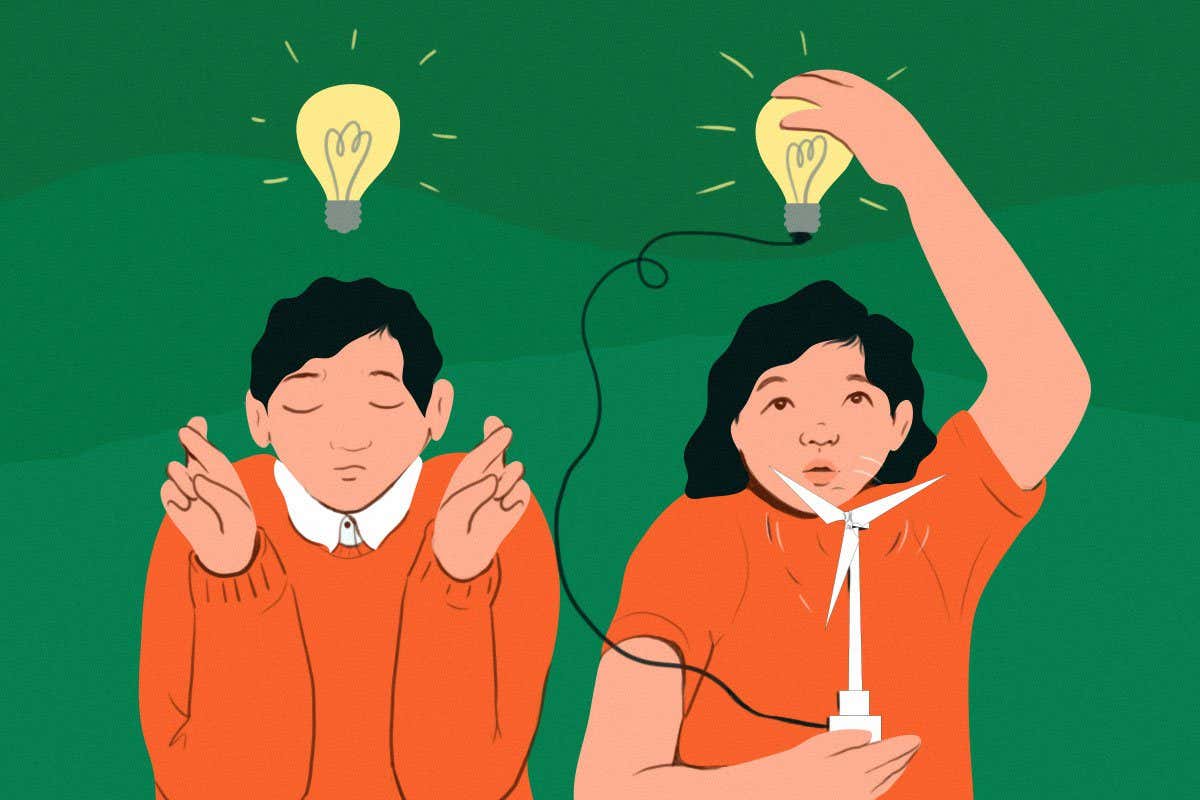
We don't need 'miracle' green technologies to save the planet

We don't need 'miracle' green technologies to save the planet

15 February 2023

A focus on revolutionary solutions like carbon capture and geoengineering is slowing the uptake of existing answers to the problems of climate change, air pollution and energy security, says environmental engineer Mark Jacobson


DDYEX8 Inside a New York telephone exchange, USA, early 1930s. Artist: Unknown

A message for today from last century's vast telephone exchanges

15 February 2023

A telecommunications museum in Seattle, with a working exchange from the 1940s, shows how telephones brought us together – but also tore us apart, says Annalee Newitz


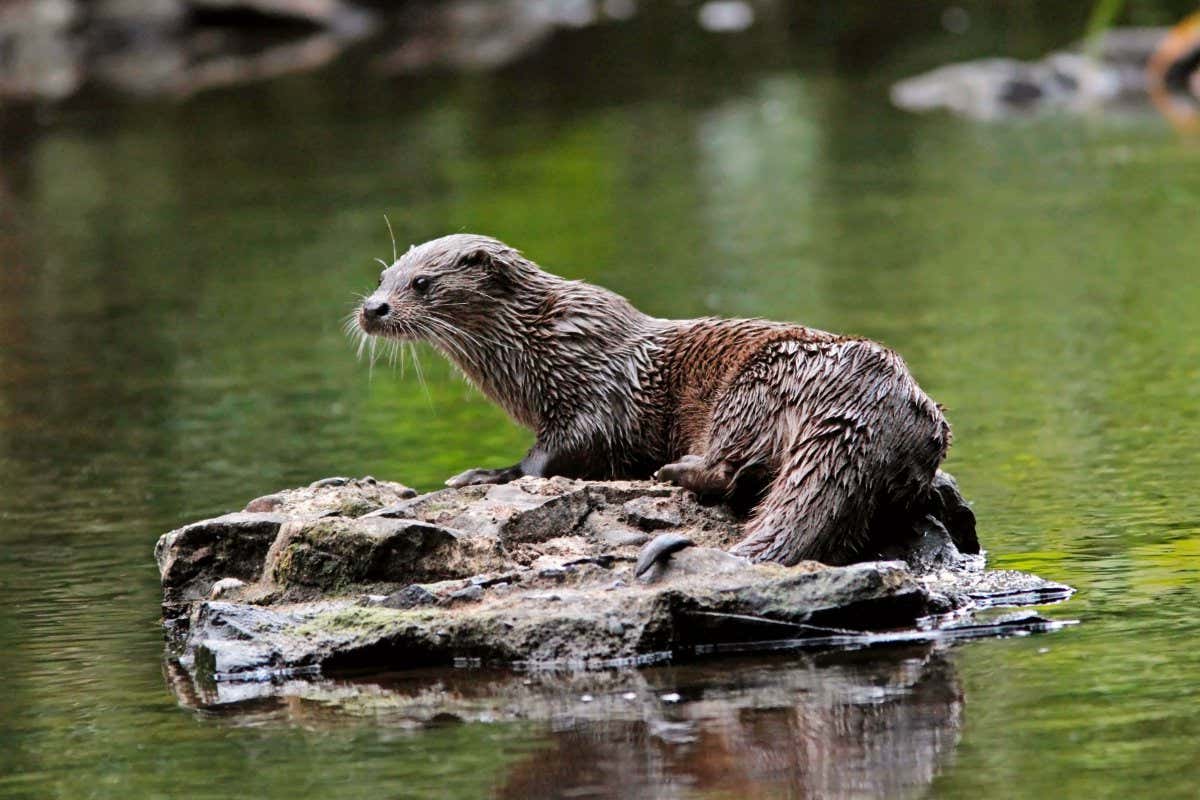
2JKPYAK OTTER on a rock in a river, UK.

Save Britain’s Rivers: Why we’re campaigning to rescue UK waterways

15 February 2023

The UK’s rivers are neglected, polluted and over-exploited. In partnership with the i, New Scientist’s new campaign will reveal what’s gone wrong and how to restore them


JGBD13 Llangollen, view from bridge of the river Dee

Why rivers are important for everything from biodiversity to wellbeing

15 February 2023

The UK's 200,000 kilometres of waterway are in crisis. New Scientist's Save Britain's Rivers campaign reveals how crucial they are for the nation's health, wealth and resilience


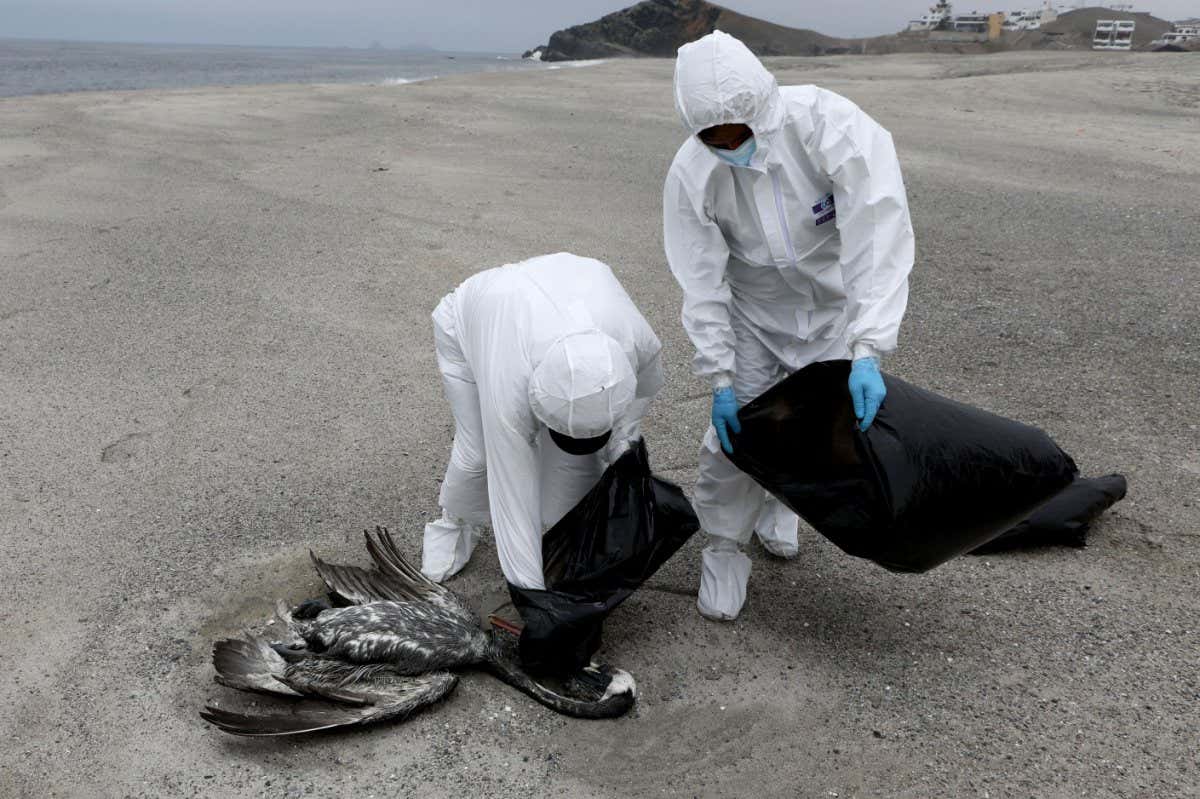
A dead pelican, possibly infected with bird flu, in Lima, Peru, in December 2022

How prepared is the world for a pandemic of bird flu in people?

14 February 2023

Bird flu is infecting wild birds and poultry around the world. If it were to crossover into humans, some antiviral drugs are available but it would take time to develop a vaccine


People in relationships have higher love scores if they live in a country with high living standards, gender equality and collectivist cultures

Couples are most in love in Hungary, according to science

14 February 2023

People in romantic relationships in 45 countries were asked how strongly they agreed with statements such as “just seeing my partner excites me”


Tightly-curled hair appears to maximise the shielding effect from the sun while minimising an unwanted insulating effect

Curly hair may have evolved to protect early humans from the sun

14 February 2023

In the first study to look at the evolution of hair types, researchers found tightly coiled hair provides a trade-off of shielding the head from the sun while minimising unwanted insulating


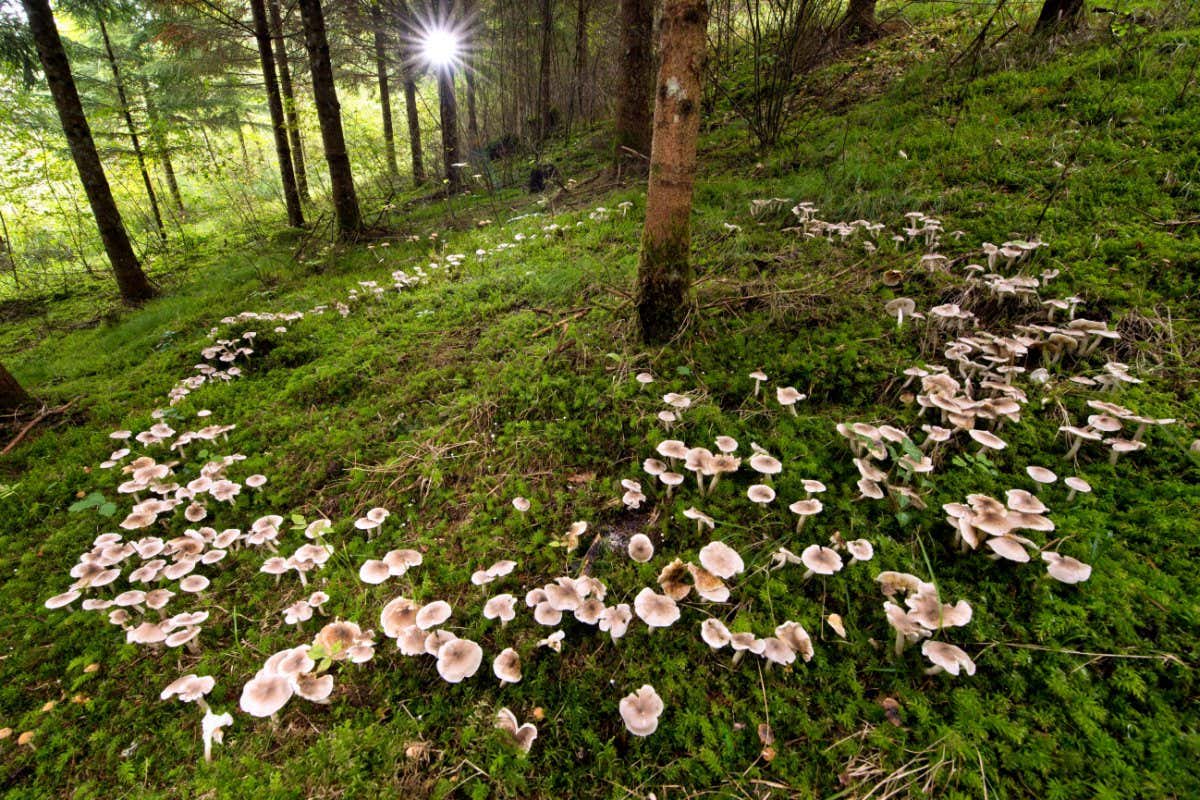
Mushrooms growing around the base of a tree in a forest

Do trees communicate via a 'wood wide web'? The evidence is lacking

13 February 2023

A review of studies on mycorrhizal fungi finds there is insufficient evidence for the popular idea that trees communicate and share resources via these underground networks


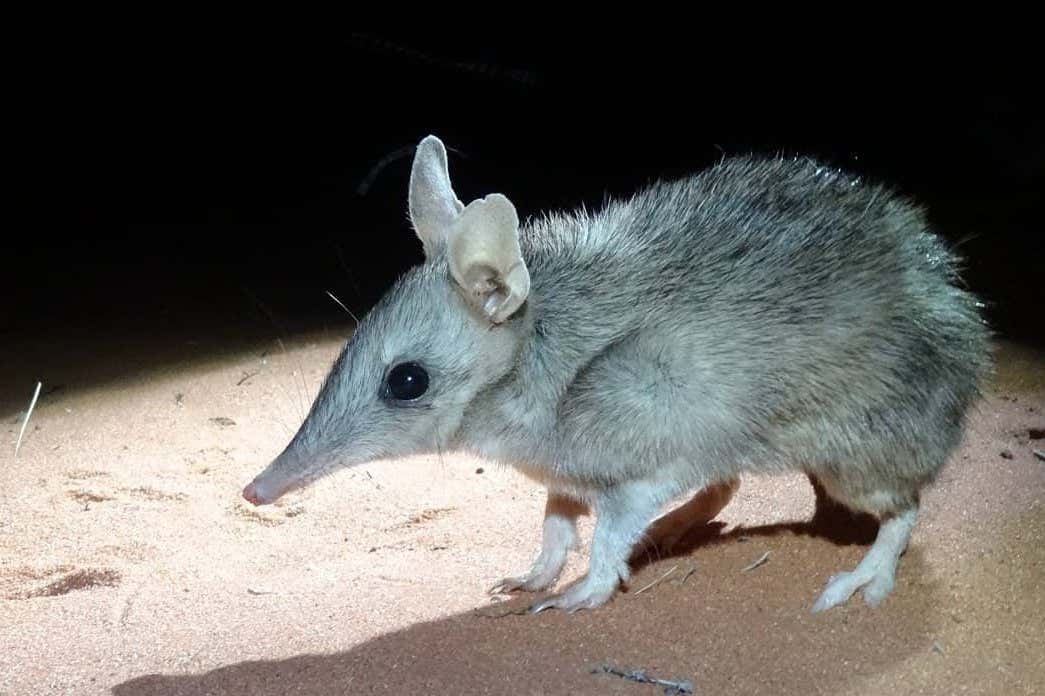
Shark bay bandicoot

Bandicoots can be trained to flee predators more quickly

13 February 2023

After being captured and released by researchers, seven species of Australian marsupial, including bandicoots and bettongs, learned to flee more quickly the second time


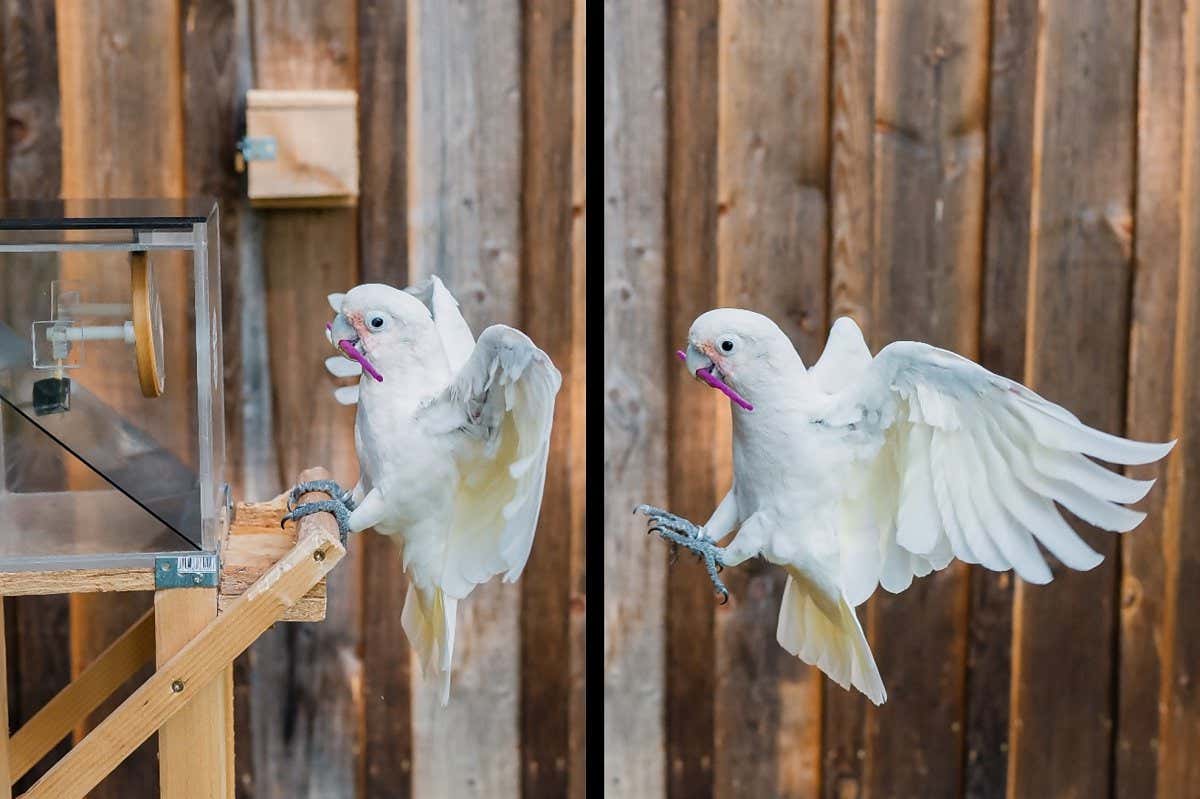
Goffin's cockatoo using tools

Cockatoos understand when a job requires a toolkit

10 February 2023

Goffin’s cockatoos know when they need to bring more than one tool to retrieve some food – something only chimpanzees have demonstrated before among non-human animals


Sign up to our weekly newsletter

Receive a weekly dose of discovery in your inbox. We'll also keep you up to date with New Scientist events and special offers.

Sign up
Piano Exit Overlay Banner Mobile Piano Exit Overlay Banner Desktop