
Quick crossword #128: Disease caused by vitamin B3 deficiency (8)
9 March 2023
Challenge your brain by solving New Scientist's weekly crosswords on your mobile, tablet or desktop
9 March 2023
Challenge your brain by solving New Scientist's weekly crosswords on your mobile, tablet or desktop
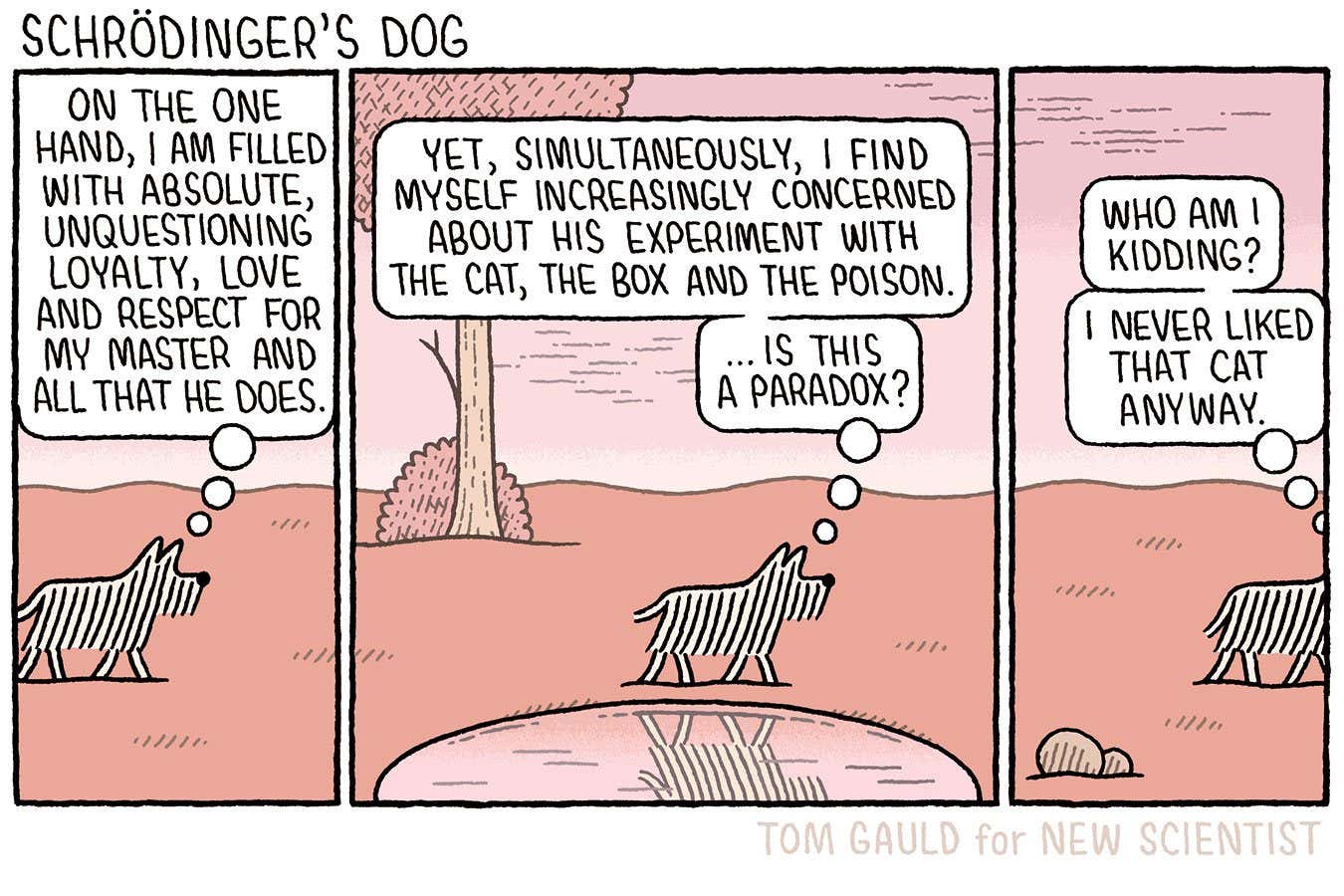
8 March 2023
Tom Gauld's weekly cartoon
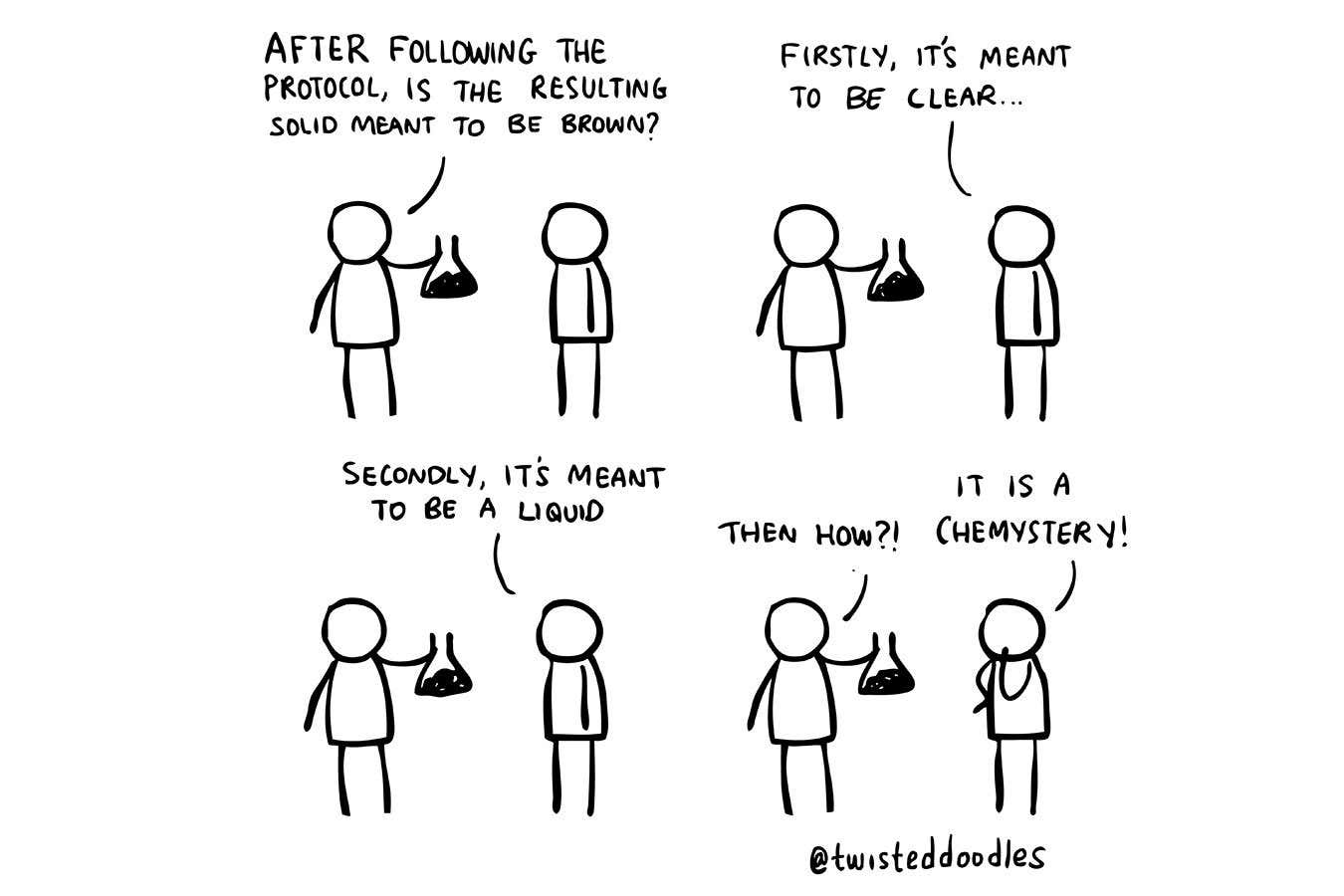
8 March 2023
This week's cartoon from Twisteddoodles
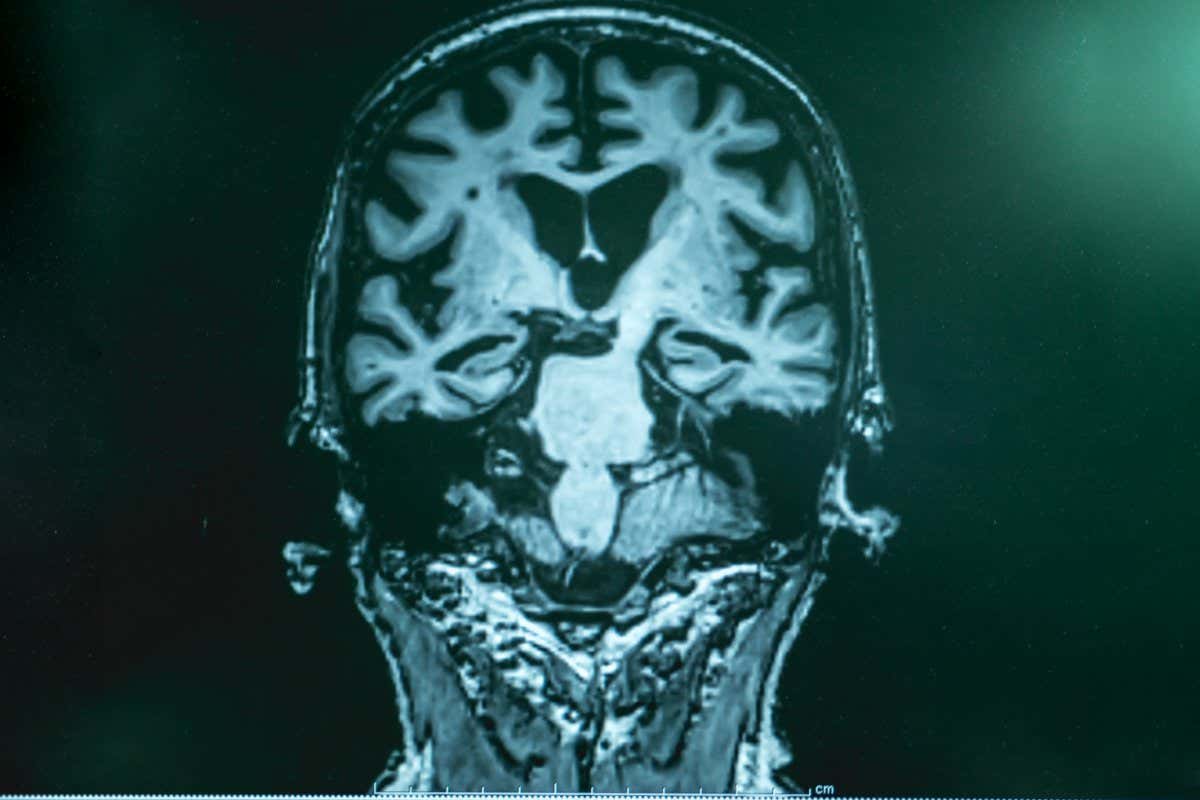
8 March 2023
A “grand unifying theory” of brain ageing suggests malfunctioning mitochondria might be to blame for Alzheimer’s and other brain conditions. And this new avenue of exploration already has some potential therapies at the ready
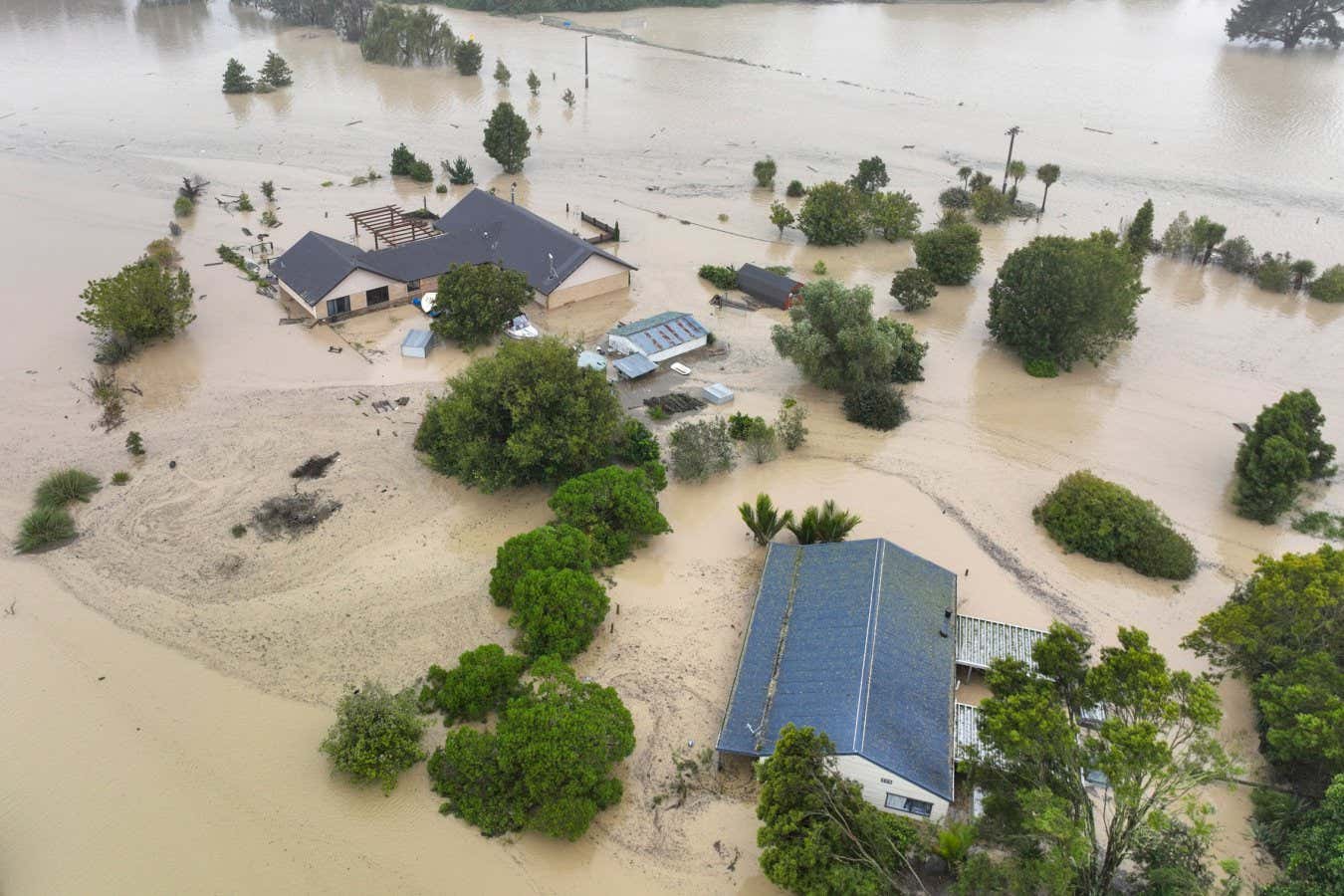
8 March 2023
Compound and cascading catastrophes, like two hurricanes striking within days, are becoming more common. Does this mean we have crossed the first climate tipping point, an irreversible shift in Earth’s natural systems, asks Graham Lawton
8 March 2023
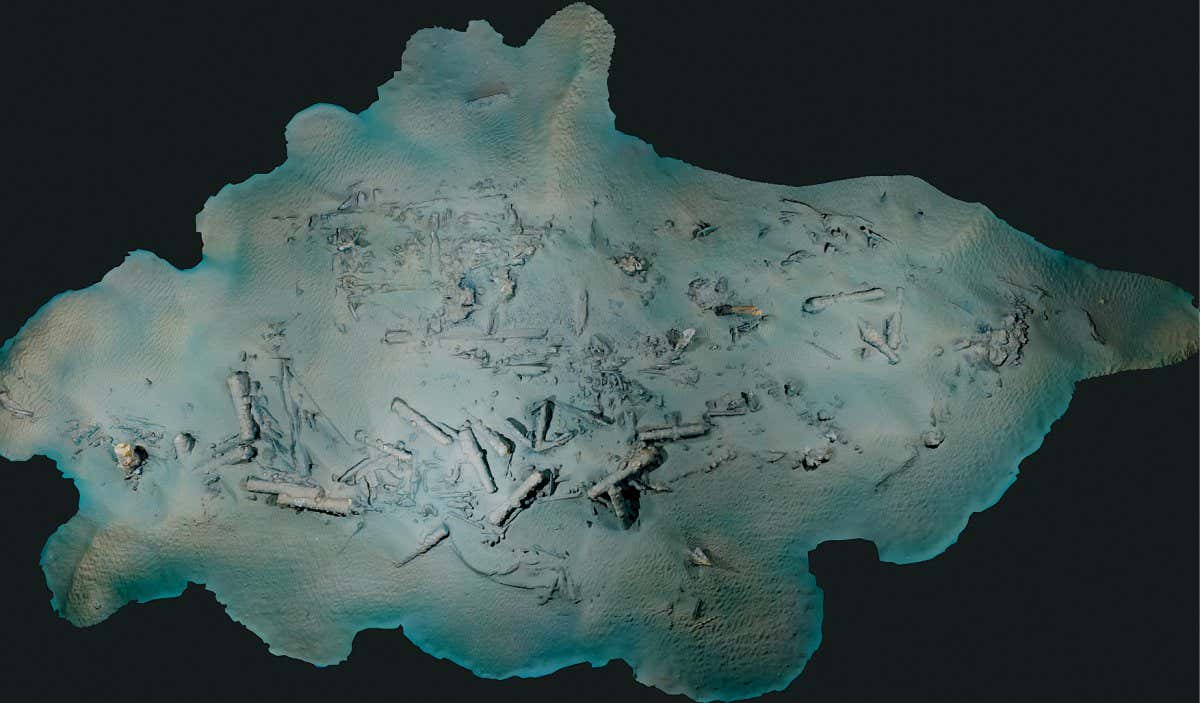
Shipwrecked off the Norfolk coast in 1682, the HMS Gloucester was rediscovered in 2007. A new exhibition showcases some of the items found on board
8 March 2023
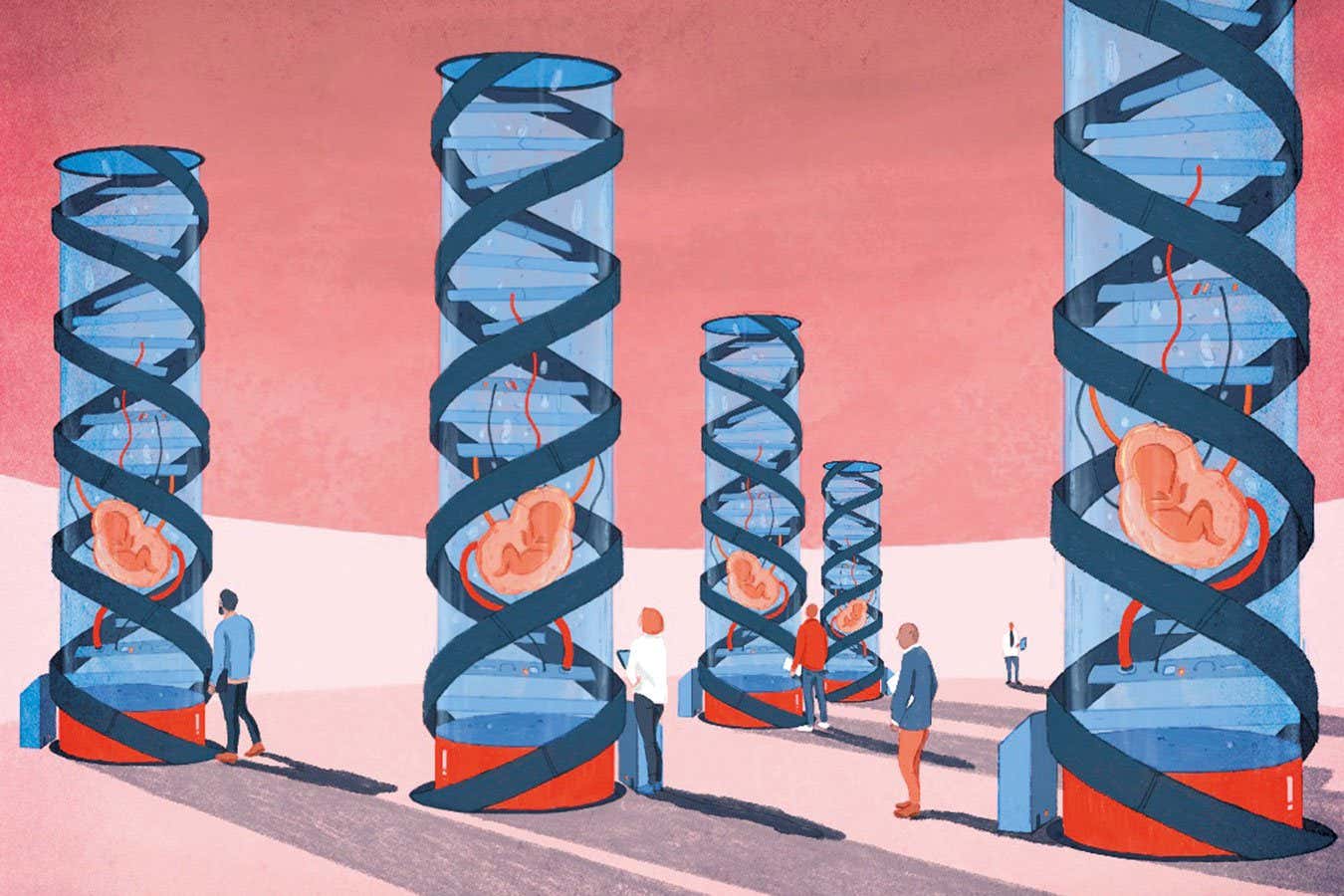
A reform of surrogacy law in the UK could have major ramifications as reproductive technology advances. We need to look at the relationship between procreation and parenthood, says Teresa Baron
8 March 2023
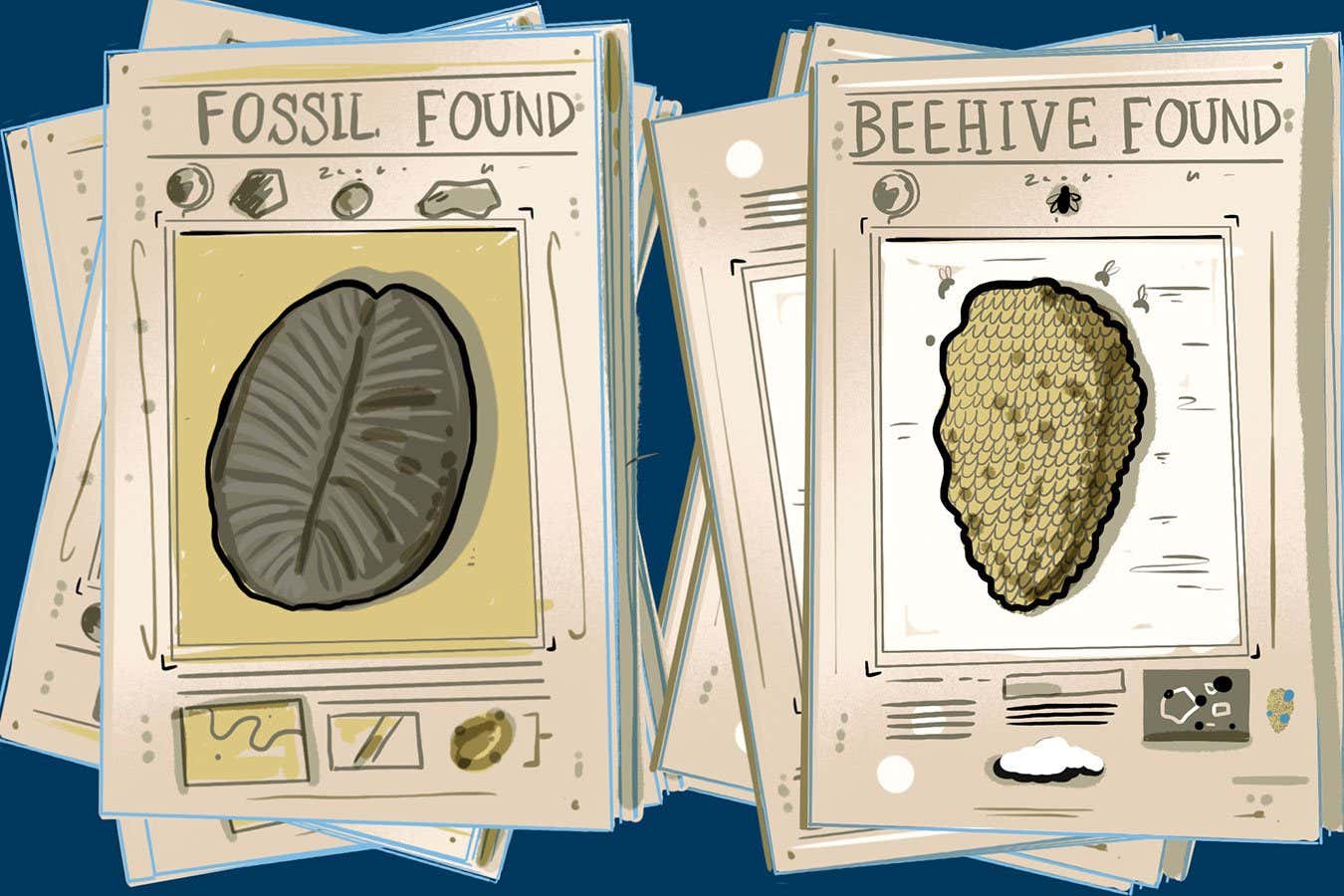
Feedback investigates opposing views about what, exactly, is residing on a rock near Bhopal in India, while also exploring what happens when you listen to unpleasant music

8 March 2023
Why don’t my dog’s feet freeze in the snow? And why do violinists use their left hand for intricate fingerwork, whereas on the piano the more complex notes are played by the right hand?

8 March 2023
Birds might tend to form long-term relationships with one partner, but this doesn’t mean they are sexually loyal, points out one reader
