Cryptic crossword #112: Child starts to like eminent chemist (5)
22 June 2023
Challenge your brain by solving New Scientist's weekly crosswords on your mobile, tablet or desktop
22 June 2023
Challenge your brain by solving New Scientist's weekly crosswords on your mobile, tablet or desktop

21 June 2023
For executives or politicians with an eye on the next financial quarter or electoral cycle, net zero has clear appeal. But we shouldn't use it as a way to delay action on tackling climate change
21 June 2023
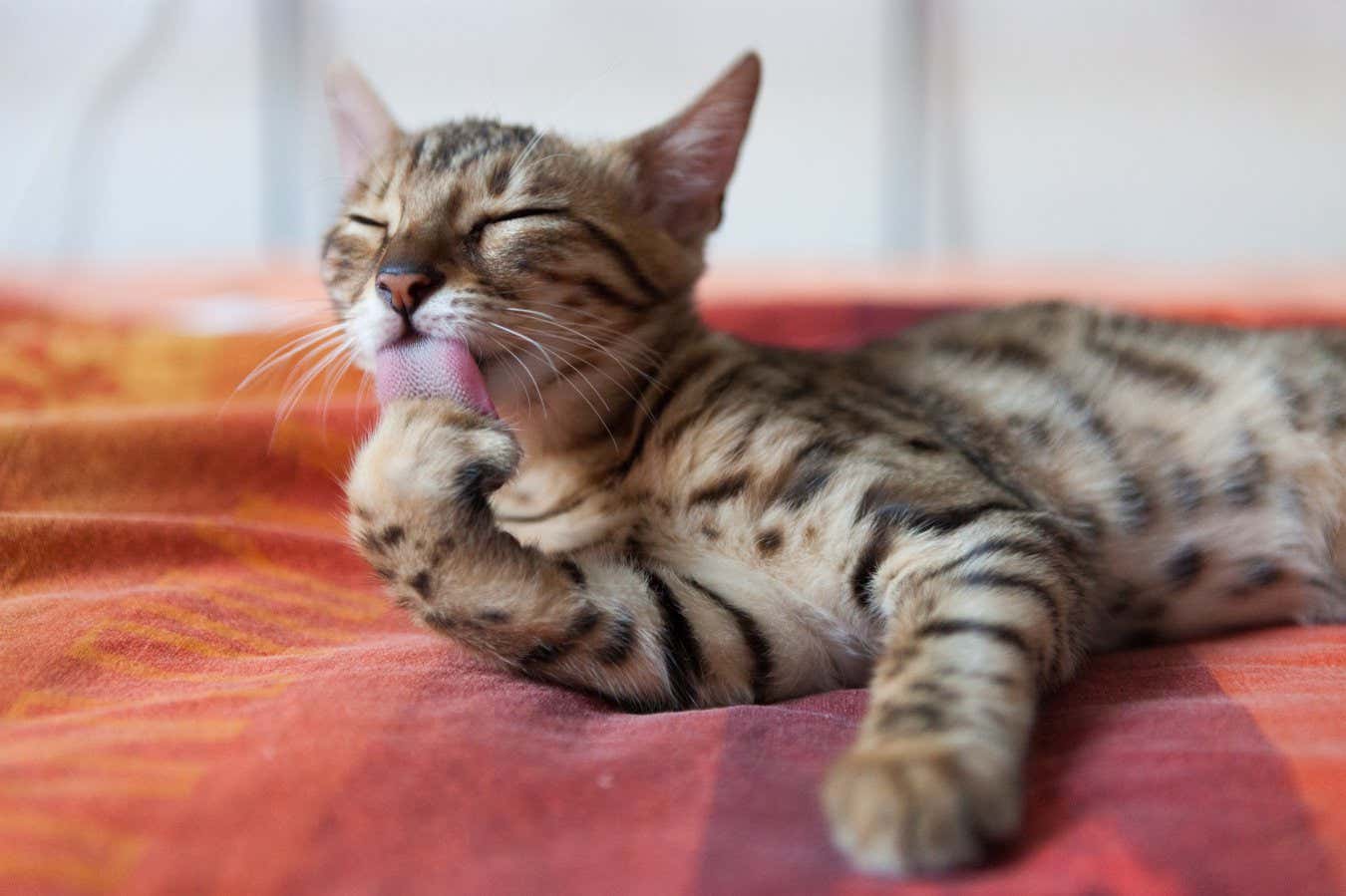
Why do cats wash themselves a lot, while dogs don’t? And if 21st-century babies wean on a globalised diet that has only recently been available to them, what did babies wean on in prehistoric times?
21 June 2023
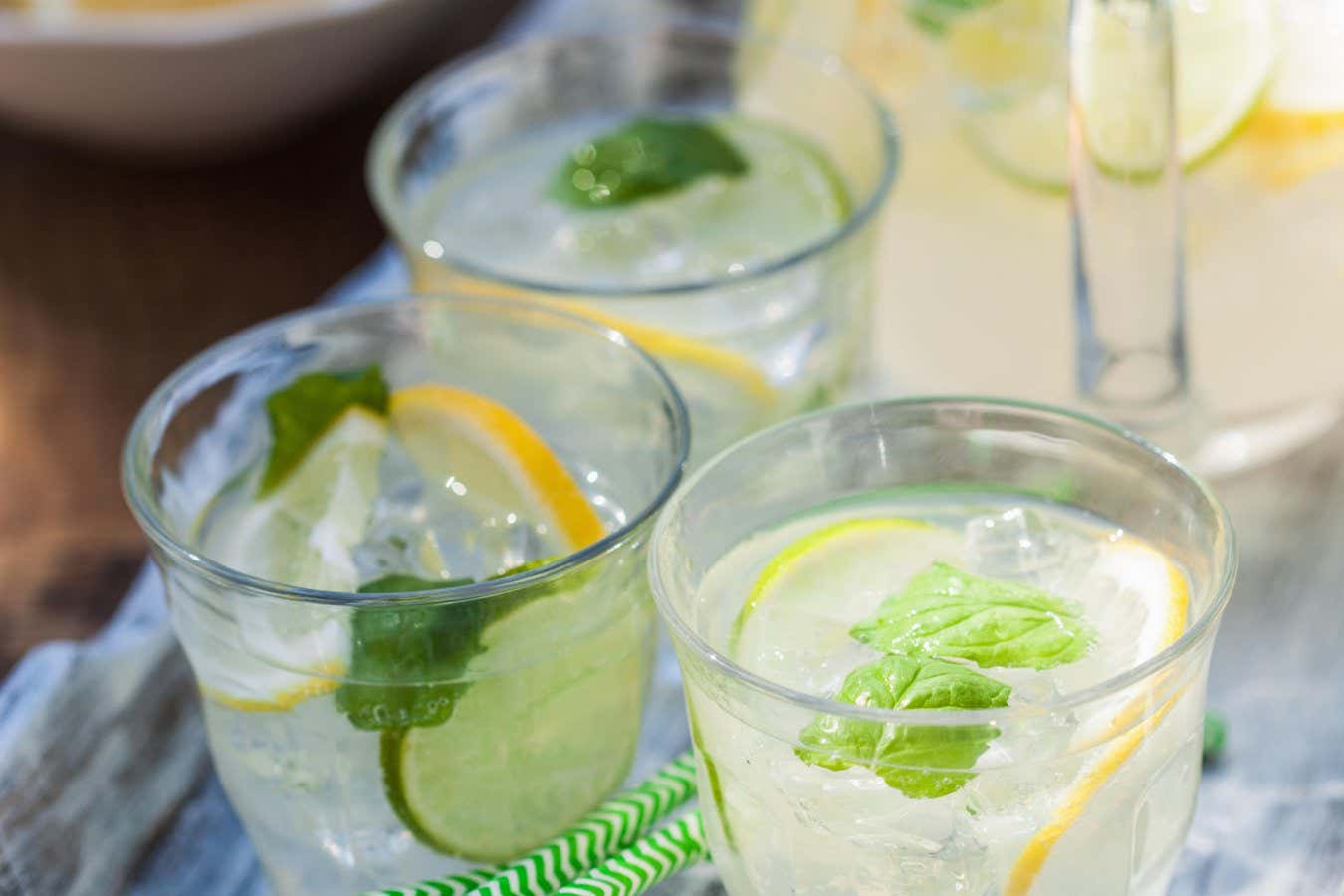
The rate at which ice cubes melt depends on the drink temperature, not the ambient temperature, say our readers, who also question the number of variables in the questioner’s observation
21 June 2023
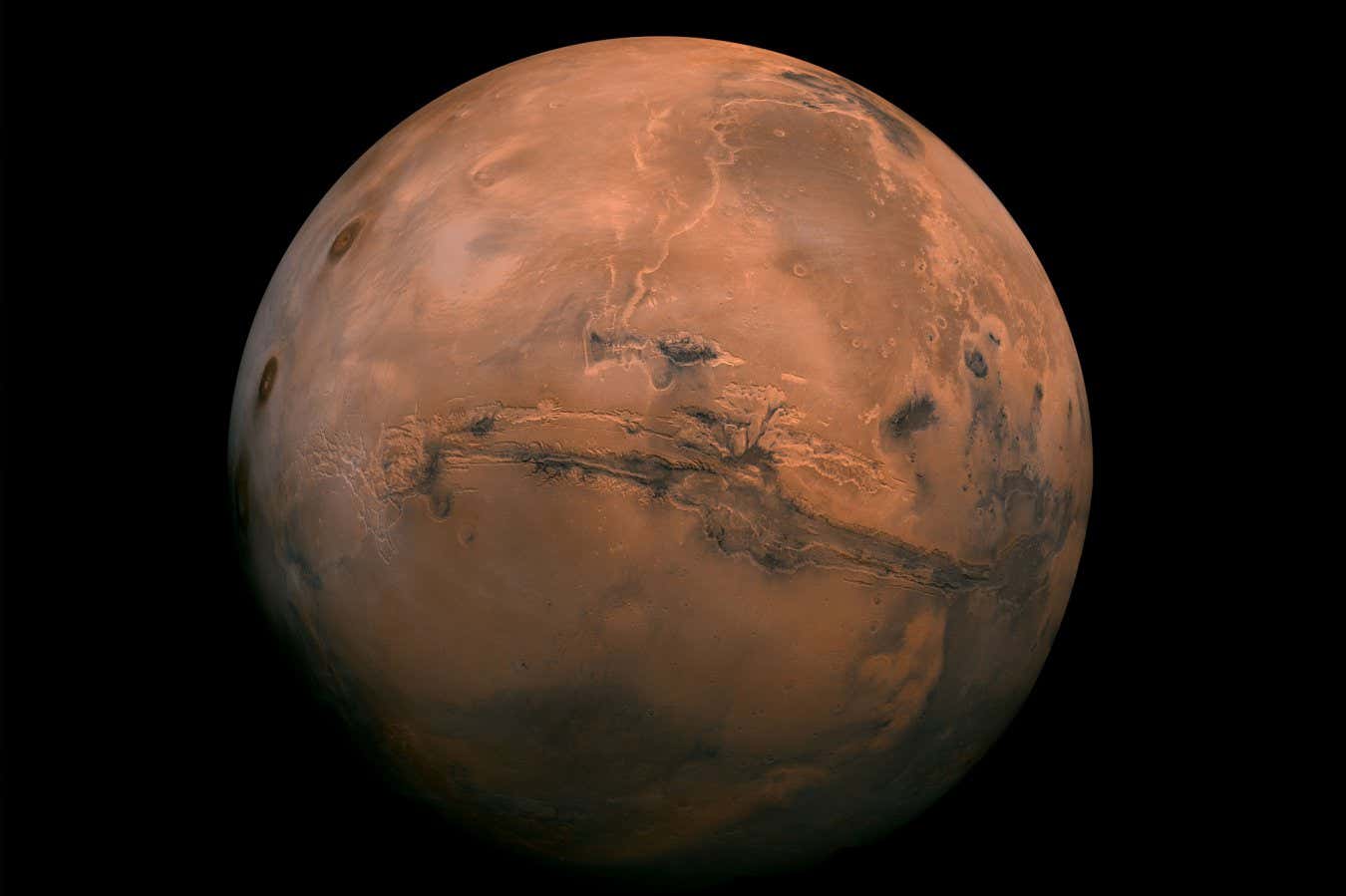
Humans would have to adjust to the slightly longer Martian day, say our readers, who also point out that time is a human construct, anyway
21 June 2023
Can you solve this week’s logic puzzle, A great deal of magic? Plus the answer to puzzle #226
21 June 2023
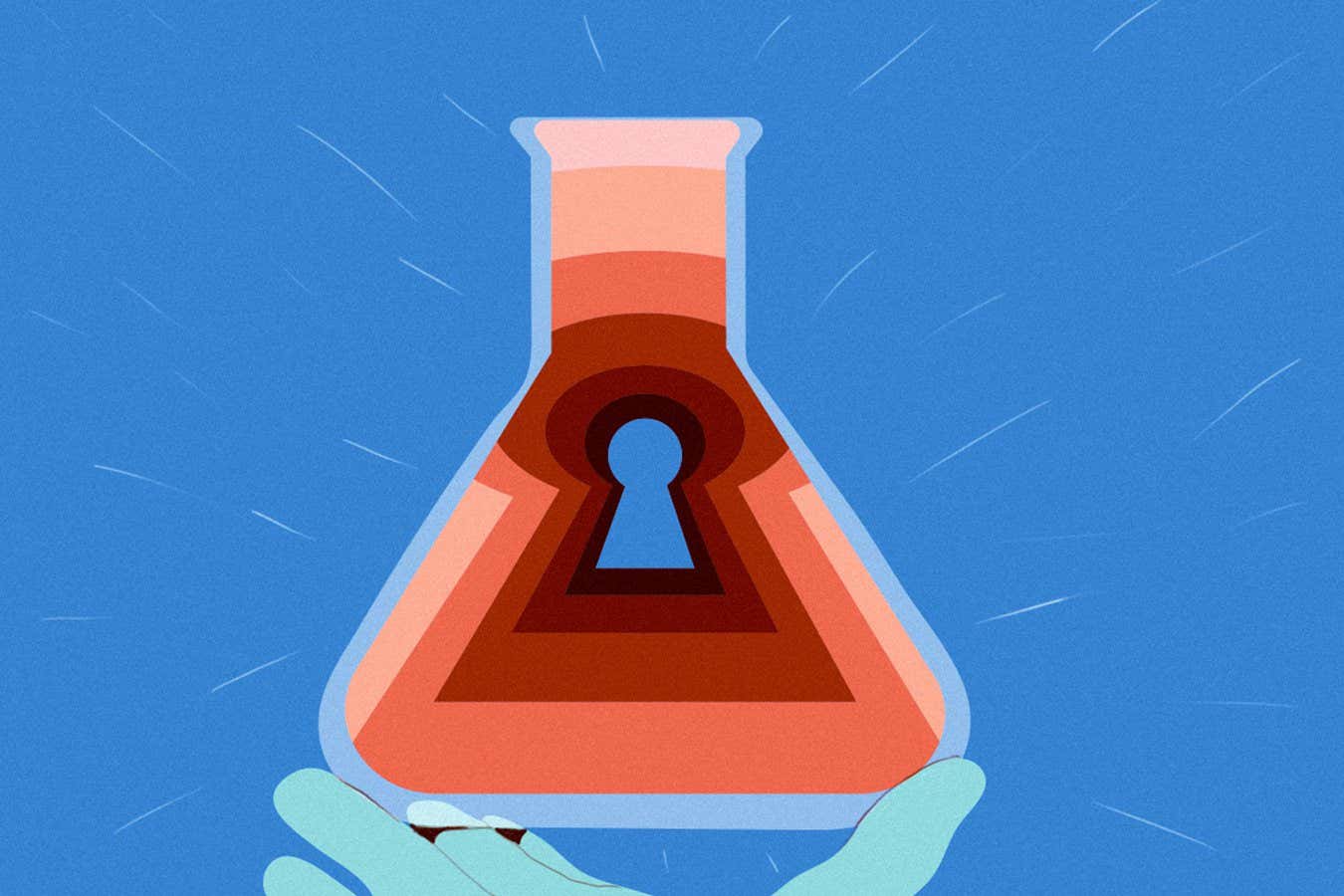
We in science and medicine aren't immune to the biases that lead to discrimination. It's time to take concrete steps to put science on a fairer and more productive path, say Michal Elovitz, Stephen Quake and Hannah Valantine
21 June 2023
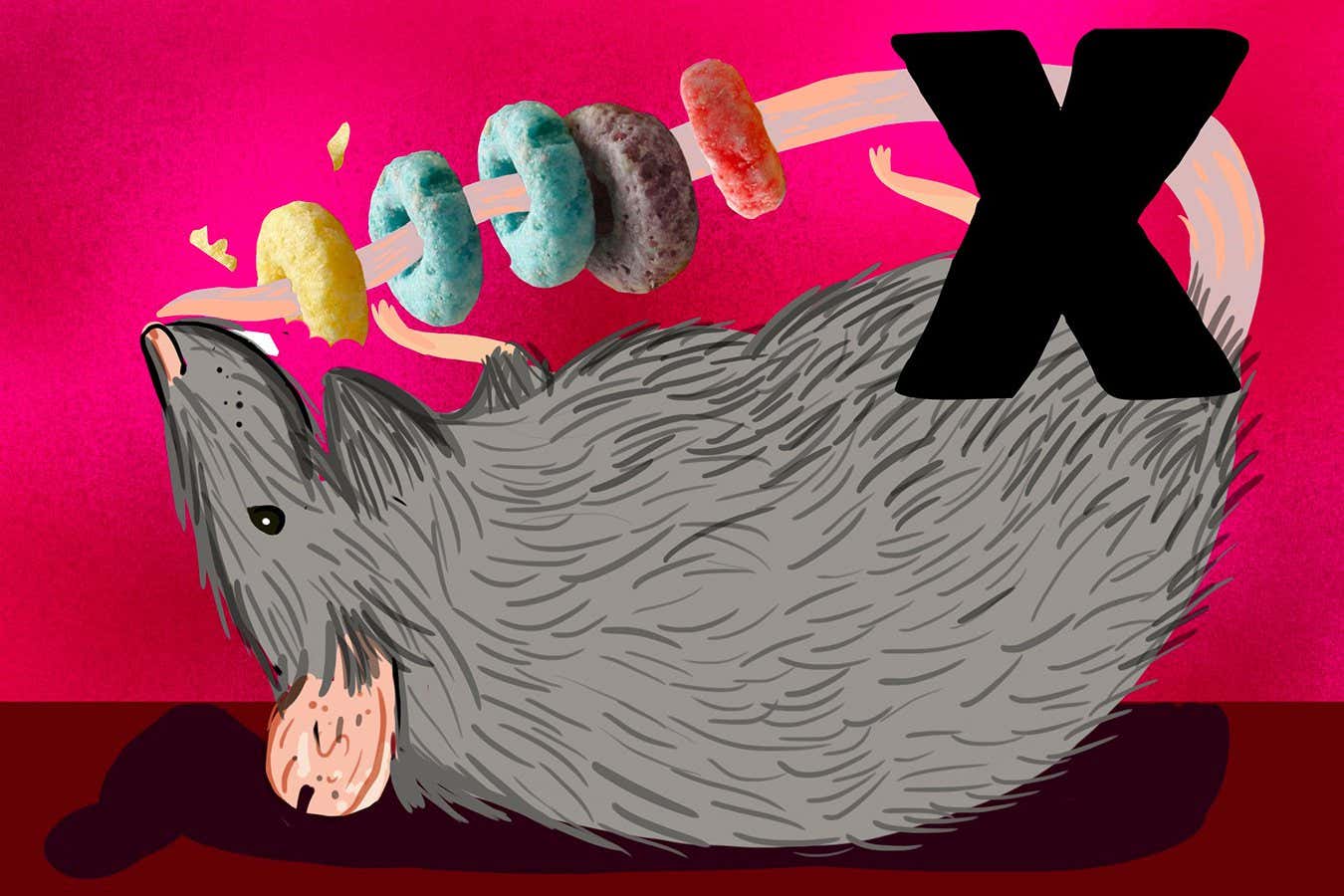
Feedback lifts the lid on a study into stressed rats and the effects of 'comfort food' on their 'penile morphology', and explores an essay which sets out to debunk the Dunning-Kruger effec
21 June 2023
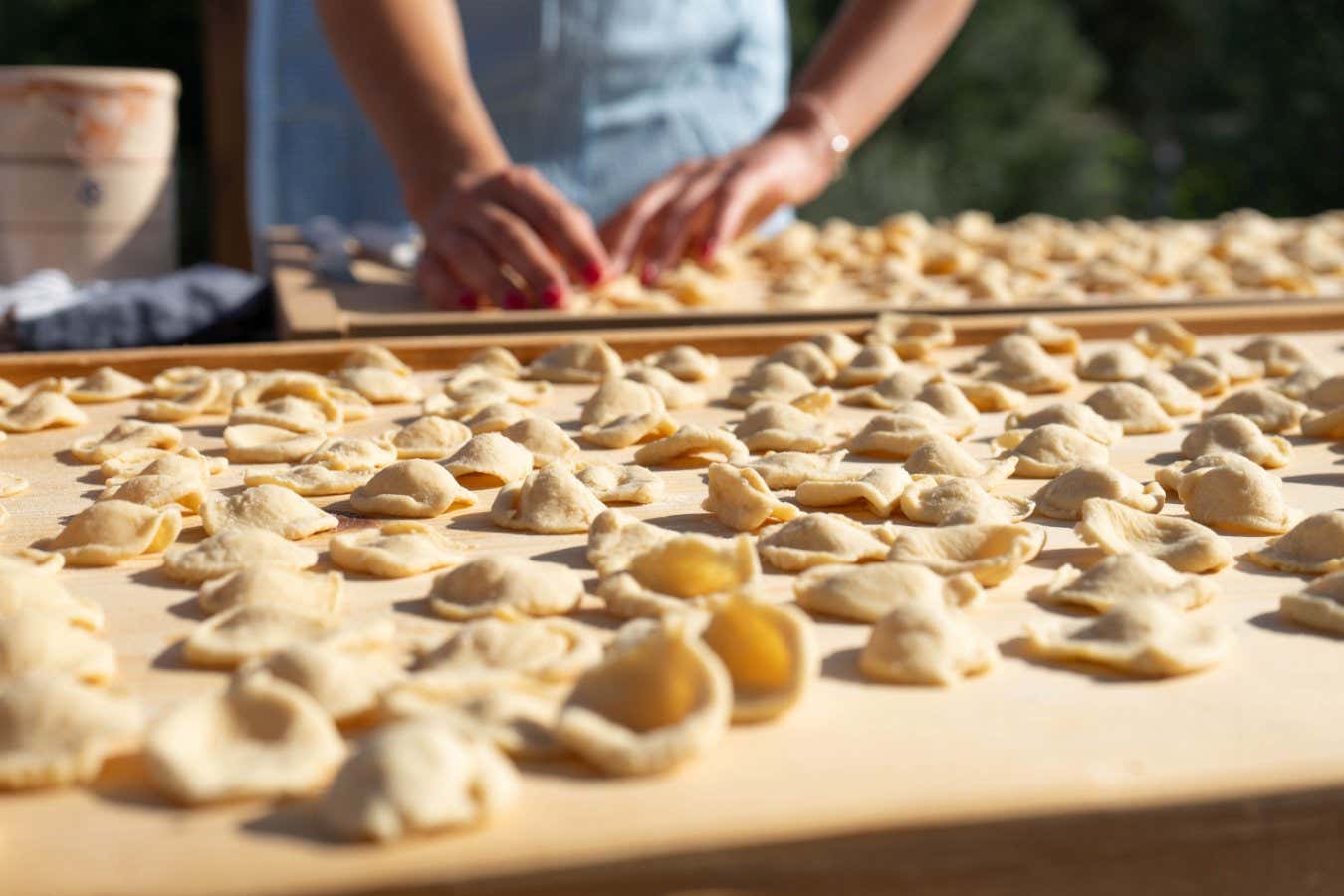
You don’t need eggs, flour and special gadgets to make your own pasta – semolina, water and a good knead will do it, says Sam Wong
21 June 2023
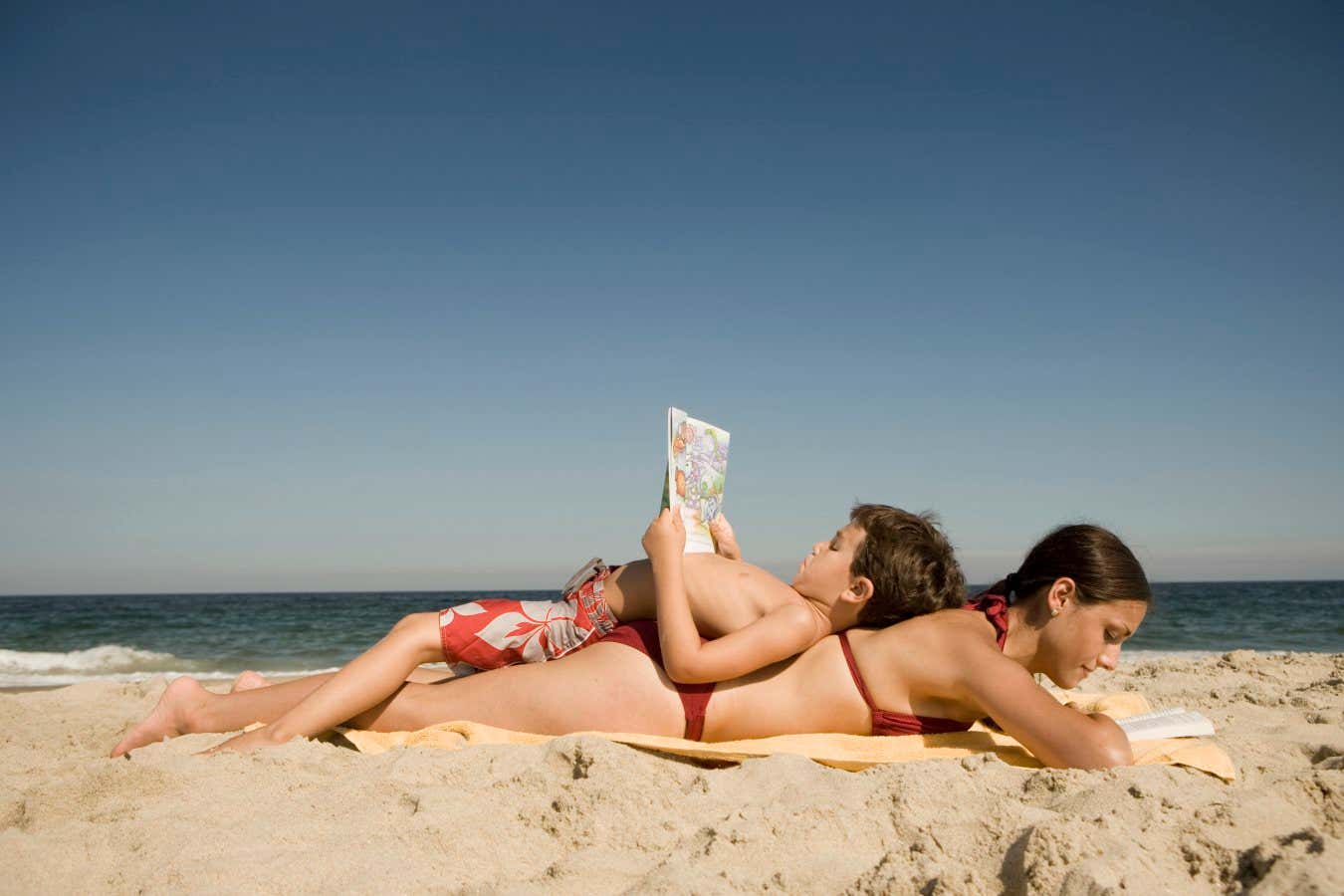
From brightly coloured baby books about frogs to early ecology for 10-year-olds and dark teen sci-fi set on the ocean floor, here are the best books for young minds
