
Subscribe now
New Scientist Default Image

Cryptic crossword #113: An operator’s lost symptom of covid-19 (7)

6 July 2023

Challenge your brain by solving New Scientist's weekly crosswords on your mobile, tablet or desktop
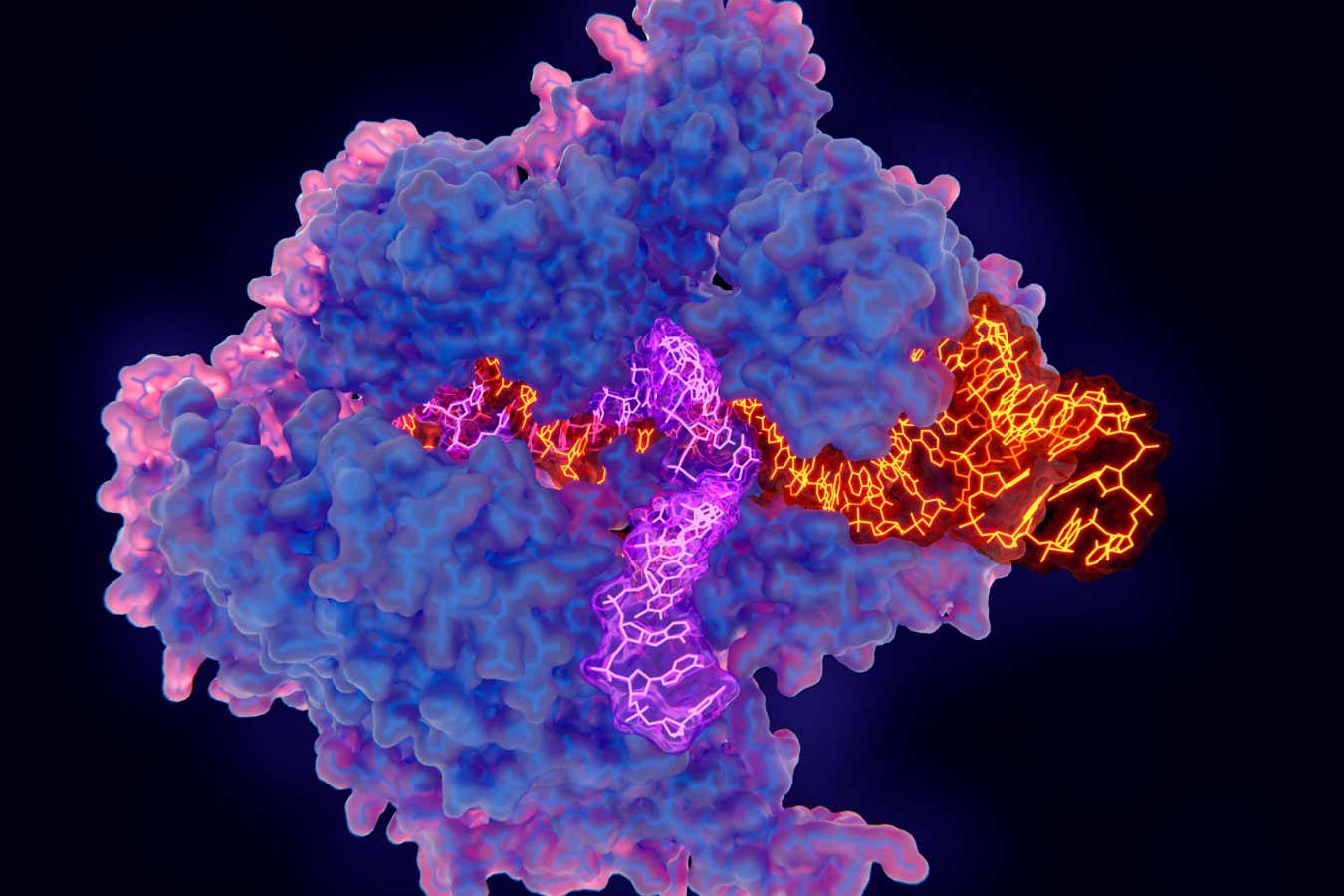

T861Y1 CRISPR-Cas9 gene editing complex, illustration

The high cost of CRISPR therapy will stop it getting to most patients

5 July 2023

The world’s first CRISPR therapy may be approved soon, but sadly it is unlikely to be affordable for hundreds of thousands of people whose pain it could end
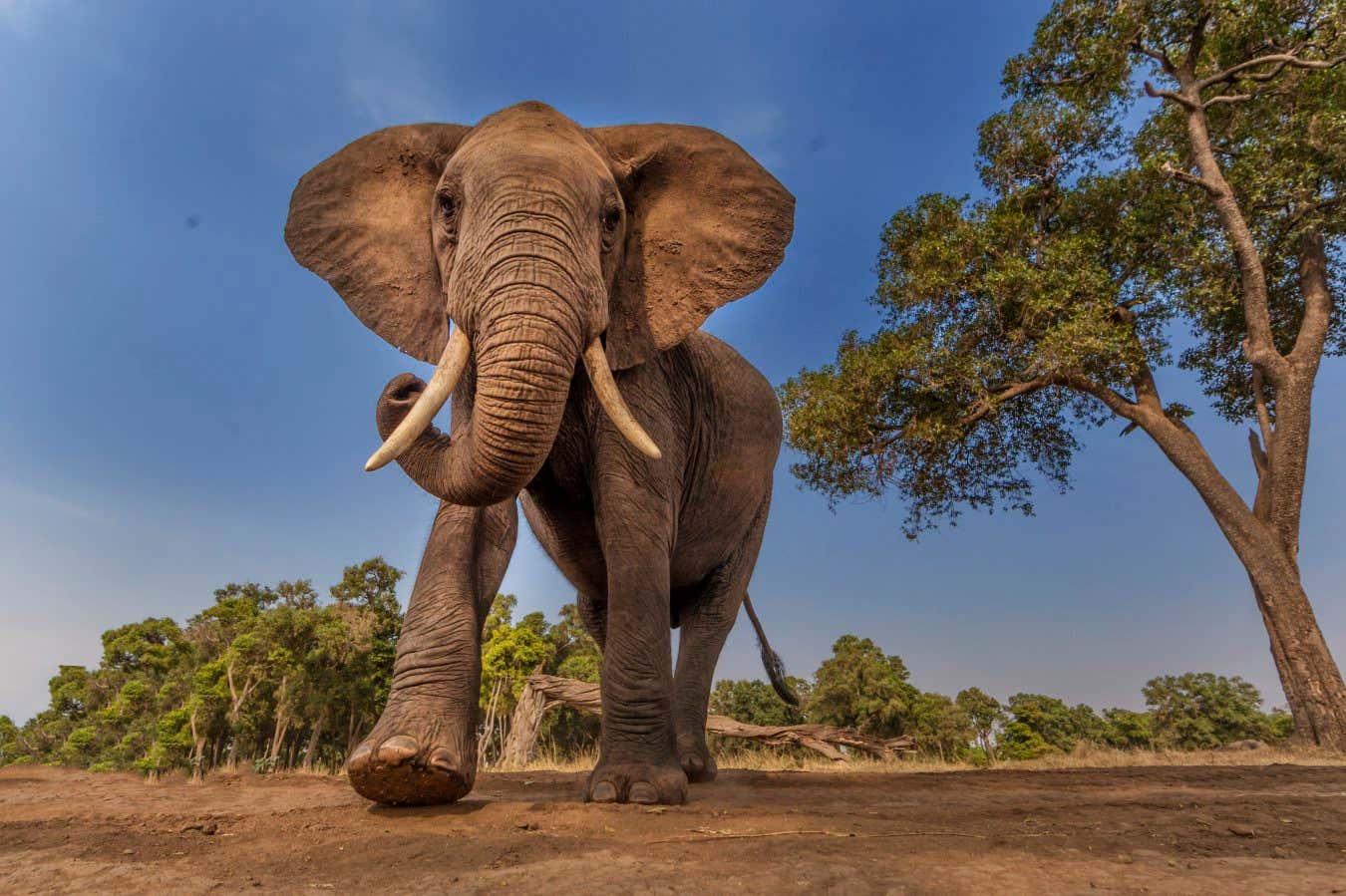

Afrcan Elephant on the move

This week’s new questions

5 July 2023

Why are the largest modern land animals so much smaller than the largest land dinosaurs, and why does runny honey stop dripping when there’s still plenty left on the spoon?
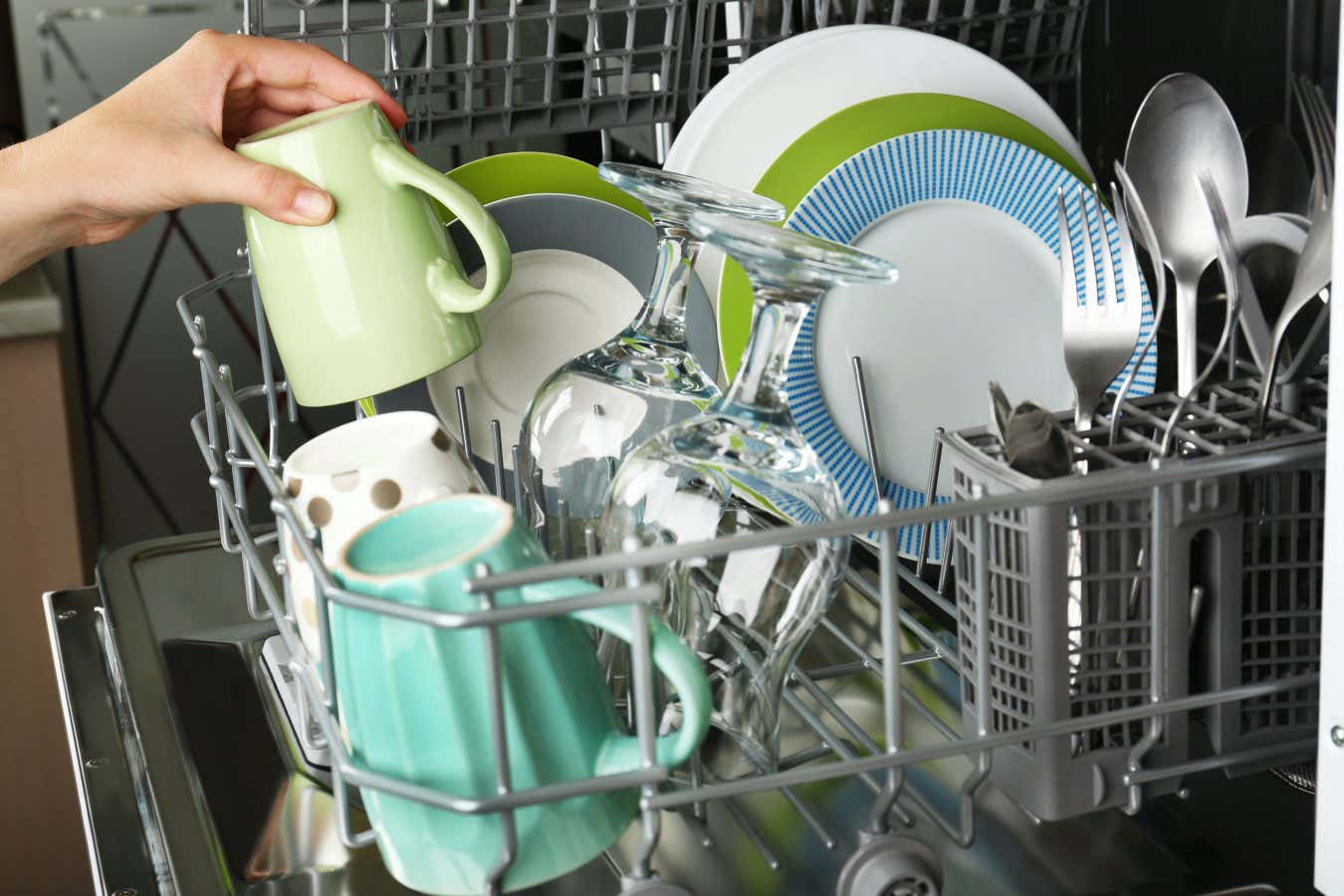

Open dishwasher with clean utensils in it; Shutterstock ID 218515030; purchase_order: -; job: -; client: -; other: -

Is there a correct way to fill a dishwasher? (continued)

5 July 2023

One reader controversially suggests installing two dishwashers, thus reducing the need for cupboard space

Close up to the dictionary definition of Phlegmatic; Shutterstock ID 1188169102; purchase_order: -; job: -; client: -; other: -

Why do I need to be able to pronounce a word to recall it?

5 July 2023

Humans evolved to remember sounds, not letters, so this isn’t surprising, say our readers – but we can easily remember words for which we have conceived an incorrect pronunciation


2AFPK7B Cyclist and Runner on Trail

If a cyclist and runner exercise together, who expends more energy?

5 July 2023

Our readers are pretty convinced that the runner is expending more energy – but add that things change if there is a hill involved
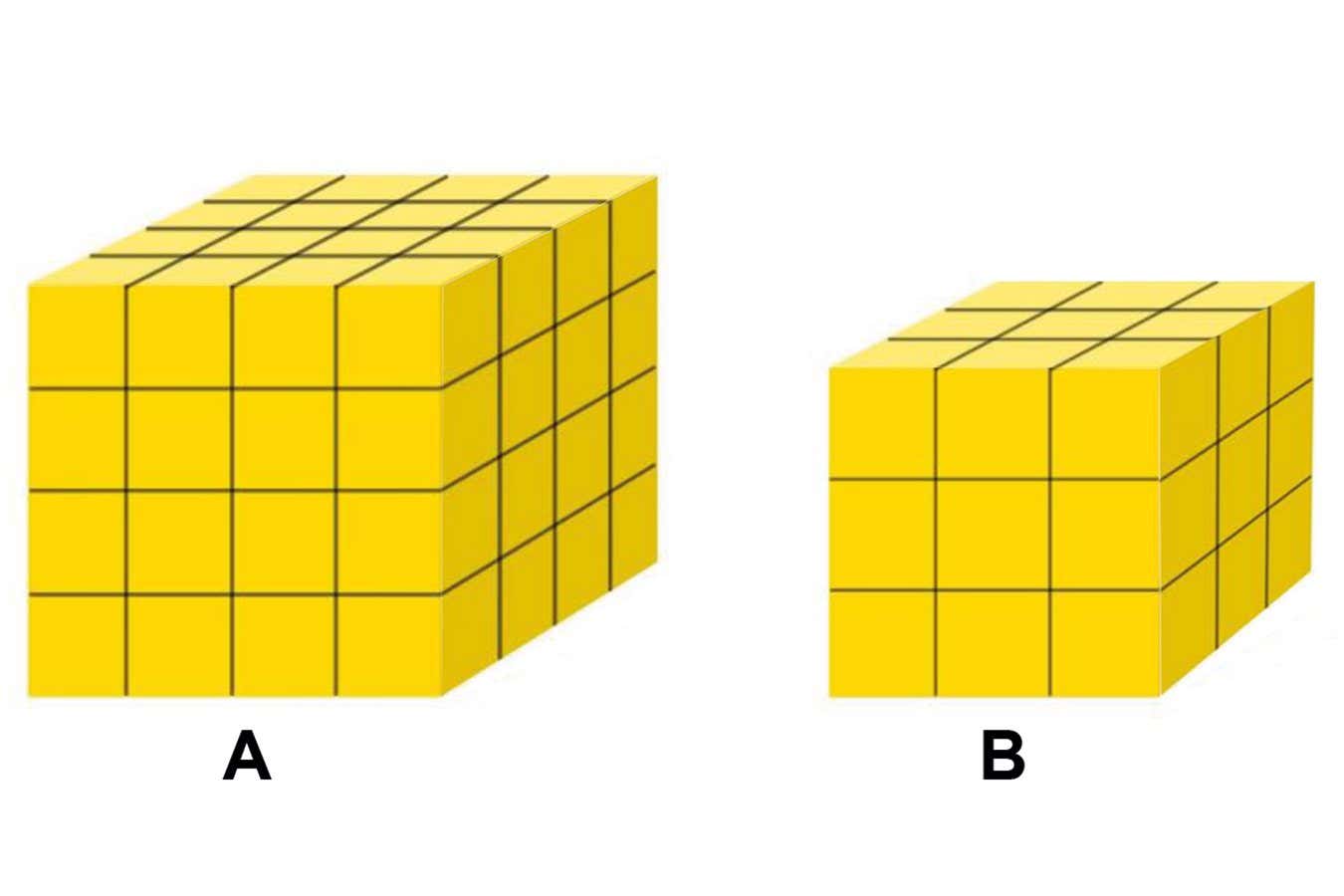

Puzzle #229: Can you help Madeline cube her cheese efficiently?

Puzzle #229: Can you help Madeline cube her cheese efficiently?

5 July 2023

Can you solve this week’s arithmetical puzzle, The greater gouda? Plus the answer to puzzle #228


Best Interests,13-06-2023,2,(L-R);George (LENNY RUSH);Marnie (NIAMH MORIARTY),Chapter One Pictures,Sam Taylor

Best Interests review: Moving drama about life with muscular dystrophy

5 July 2023

Marnie is like any 13-year-old – except she has a severe form of muscular dystrophy. Best Interests is an empathetic drama about terrible choices, says Bethan Ackerley
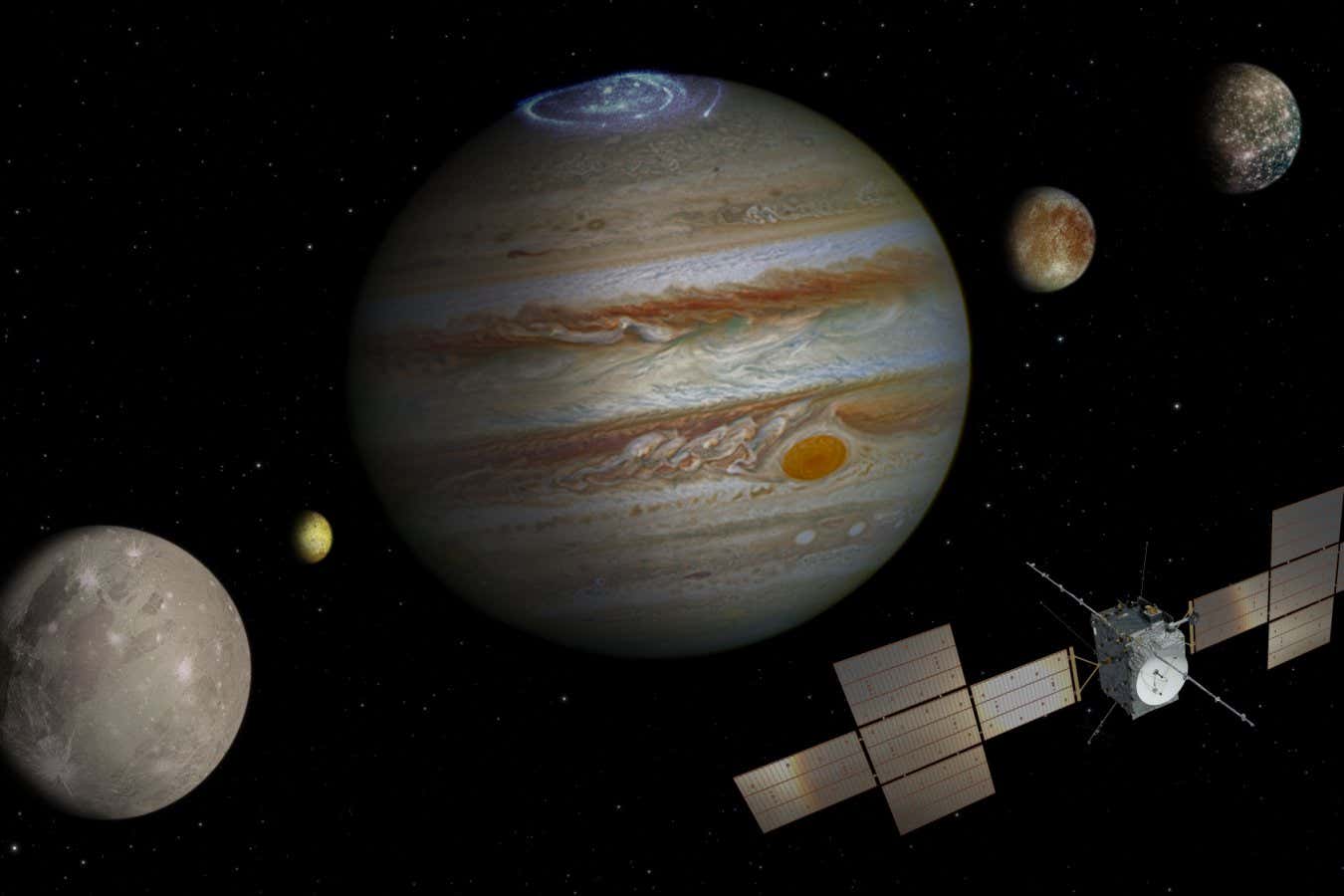

https://www.esa.int/ESA_Multimedia/Images/2017/07/Exploring_Jupiter t may still be some years away from launch, and over a decade before our Jupiter Icy Moons Explorer reaches the gas giant and its icy moons, but preparations are well under way. This new artist?s impression depicts the final spacecraft design, the construction of which is being overseen by Airbus Defence and Space. The spacecraft?s solar wings form a distinctive cross-shape totalling 97 sq m, the largest ever flown on an interplanetary mission. The size is essential to generate sufficient power ? around 850 W ? for the instruments and spacecraft so far from the Sun. The spacecraft is furnished with a laboratory of instruments that will investigate Jupiter?s turbulent atmosphere and vast magnetosphere, as well as study the planet-sized moons Ganymede, Europa and Callisto. All three moons are thought to have oceans of liquid water beneath their icy crusts and should provide key clues on the potential for such moons to harbour habitable environments. Juice?s cameras will capture exquisite details of the moon?s features, as well as identify the ices and minerals on their surfaces. Other instruments will sound the subsurface and interior of the moons to better understand the location and nature of their buried oceans. The tenuous atmosphere around the moons will also be explored. The spacecraft will also include booms such as a 10 m-long magnetometer mast (seen towards the bottom of Juice in the artist impression), a 16 m radar antenna (the long boom across the top), and antennas to measure electric and magnetic fields. Ganymede is the only moon in the Solar System to generate its own internal magnetic field, and Juice is well equipped to document its behaviour and explore its interaction with Jupiter?s own magnetosphere. Juice is scheduled for launch in 2022 on a seven-year journey to the Jovian system. Its tour will include a dedicated orbit phase of Jupiter, targeted flybys of Europa, Ganymede and Callisto, and finally nine months orbiting Ganymede ? the first time any moon beyond our own has been orbited by a spacecraft. In the artist?s impression, which is not to scale, Ganymede is shown in the foreground, Callisto to the far right, and Europa centre-right. Volcanically active moon Io is also shown, at left. The moons were imaged by NASA?s Galileo spacecraft; Jupiter is seen here with a vivid aurora, captured by the NASA/ESA Hubble Space Telescope. ESA/ATG medialab; Jupiter: NASA/ESA/J. Nichols (University of Leicester); Ganymede: NASA/JPL; Io: NASA/JPL/University of Arizona; Callisto and Europa: NASA/JPL/DLR

How to spot Jupiter's icy moons

5 July 2023

Jupiter’s Galilean moons are promising places to look for life. Now is a great time to see them, says Abigail Beall


Love + Science, a new play by scientist and writer David J. Glass. Production image

New Scientist recommends: Love + Science and The Price of Peace

5 July 2023

The books, TV, games and more that New Scientist staff have enjoyed this week


Sign up to our weekly newsletter

Receive a weekly dose of discovery in your inbox. We'll also keep you up to date with New Scientist events and special offers.

Sign up
Piano Exit Overlay Banner Mobile Piano Exit Overlay Banner Desktop