
Subscribe now
New Scientist Default Image

Quick crossword #137: Obsolete form of chemistry (7)

13 July 2023

Challenge your brain by solving New Scientist's weekly crosswords on your mobile, tablet or desktop
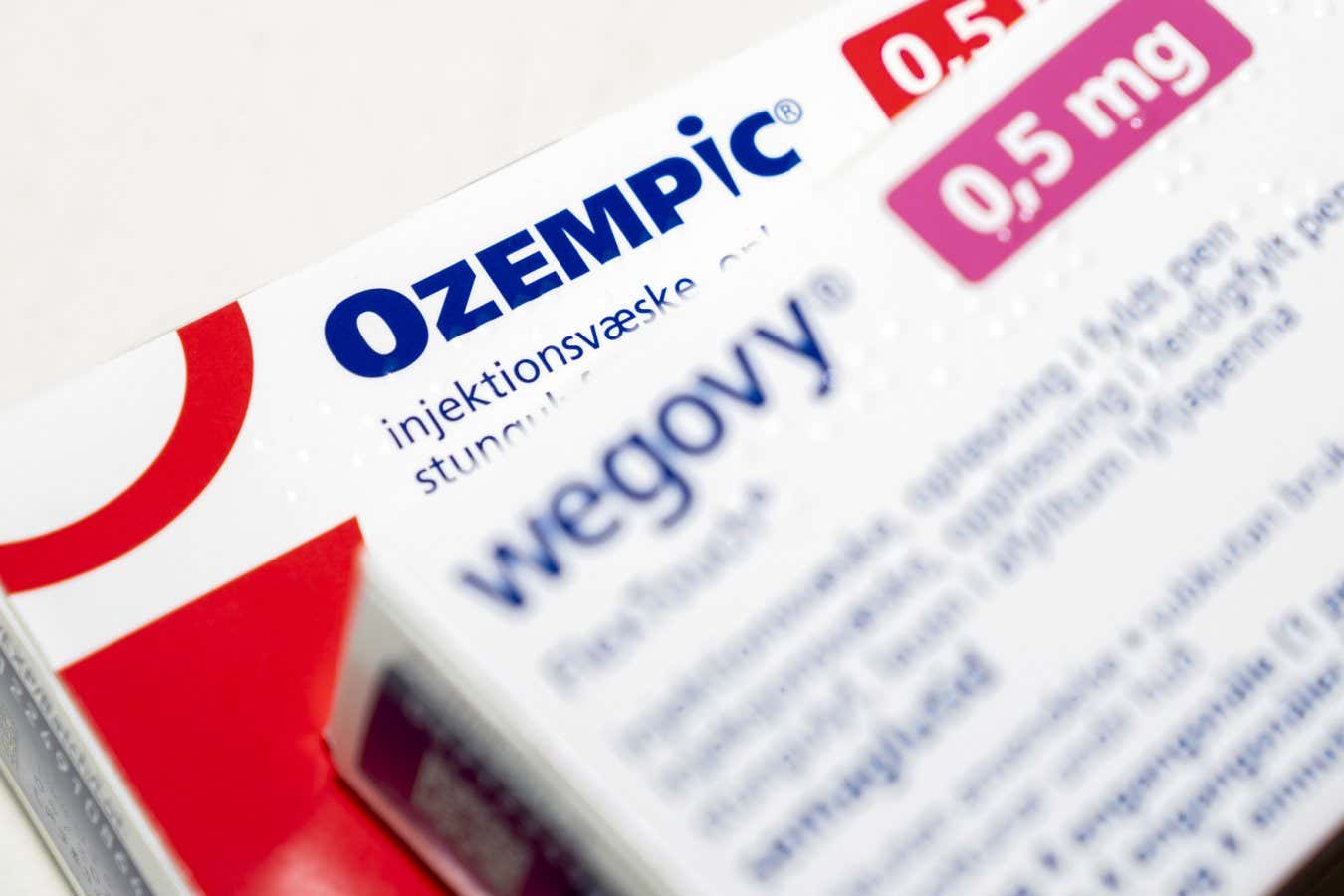

Mandatory Credit: Photo by EPA-EFE/Shutterstock (13842171a) Packages of prescribtion drugs Ozempic and Wegovy by Novo Nordisk sit on a table in Copenhagen, Denmark, 23 March 2023. US celebrities have credited their weight loss to the FDA-approved medications that are prescribed to treat Type 2 diabetes. Diabetes drugs used as slimming agent, Copenhagen, Denmark - 23 Mar 2023

People think drugs like Wegovy are a quick fix. So what if they are?

12 July 2023

Ideas that people should lose weight “the hard way” rather than take semaglutide drugs like Ozempic and Wegovy are holding back progress in the fight against obesity
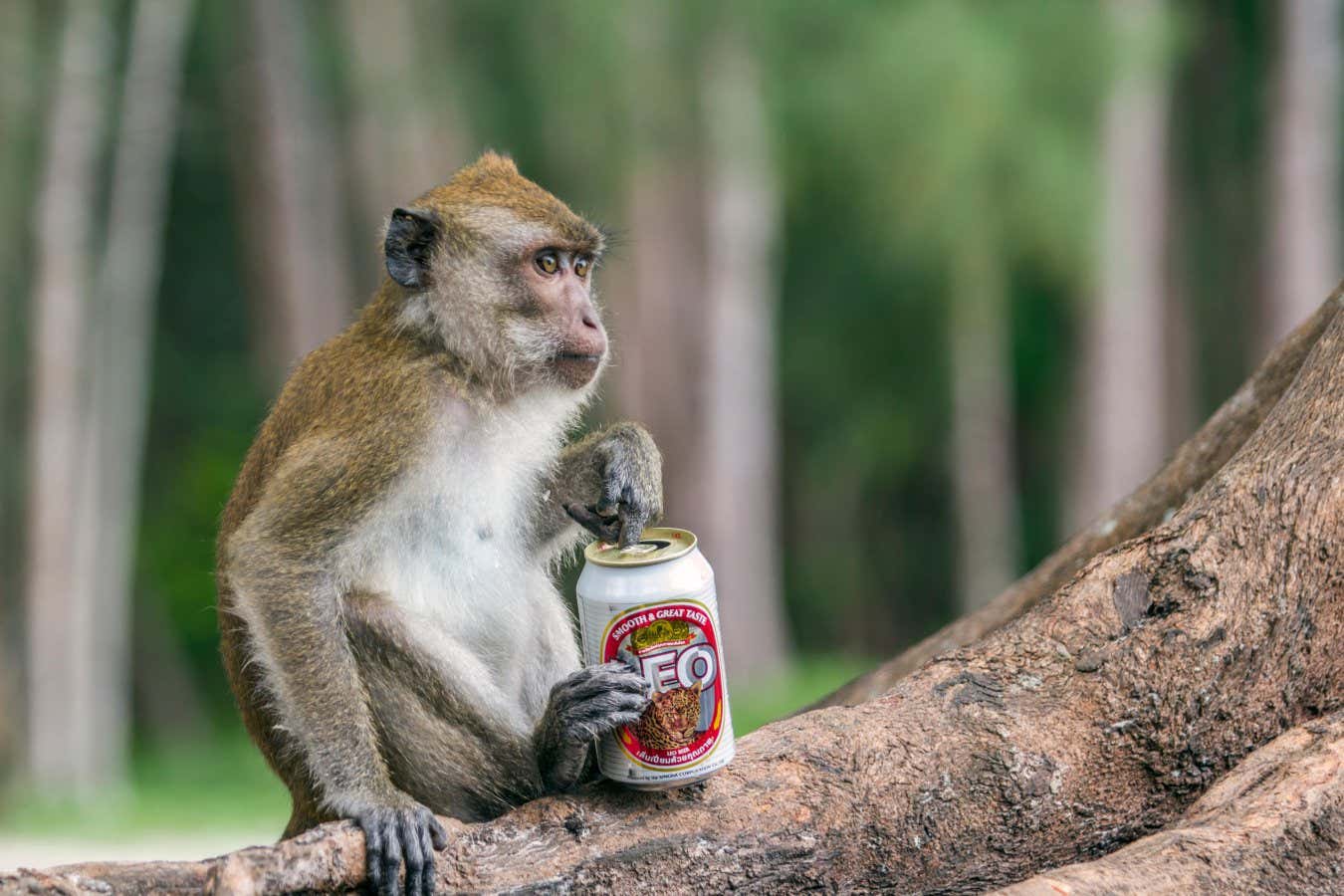

HDTNNH Crab-eating macaca in Thailand ; specie Macaca fascicularis family of Cercopithecidae

This week’s new questions

12 July 2023

Can all animals get drunk? And why was there no runaway greenhouse effect 201 million years ago, when Earth was a hothouse?
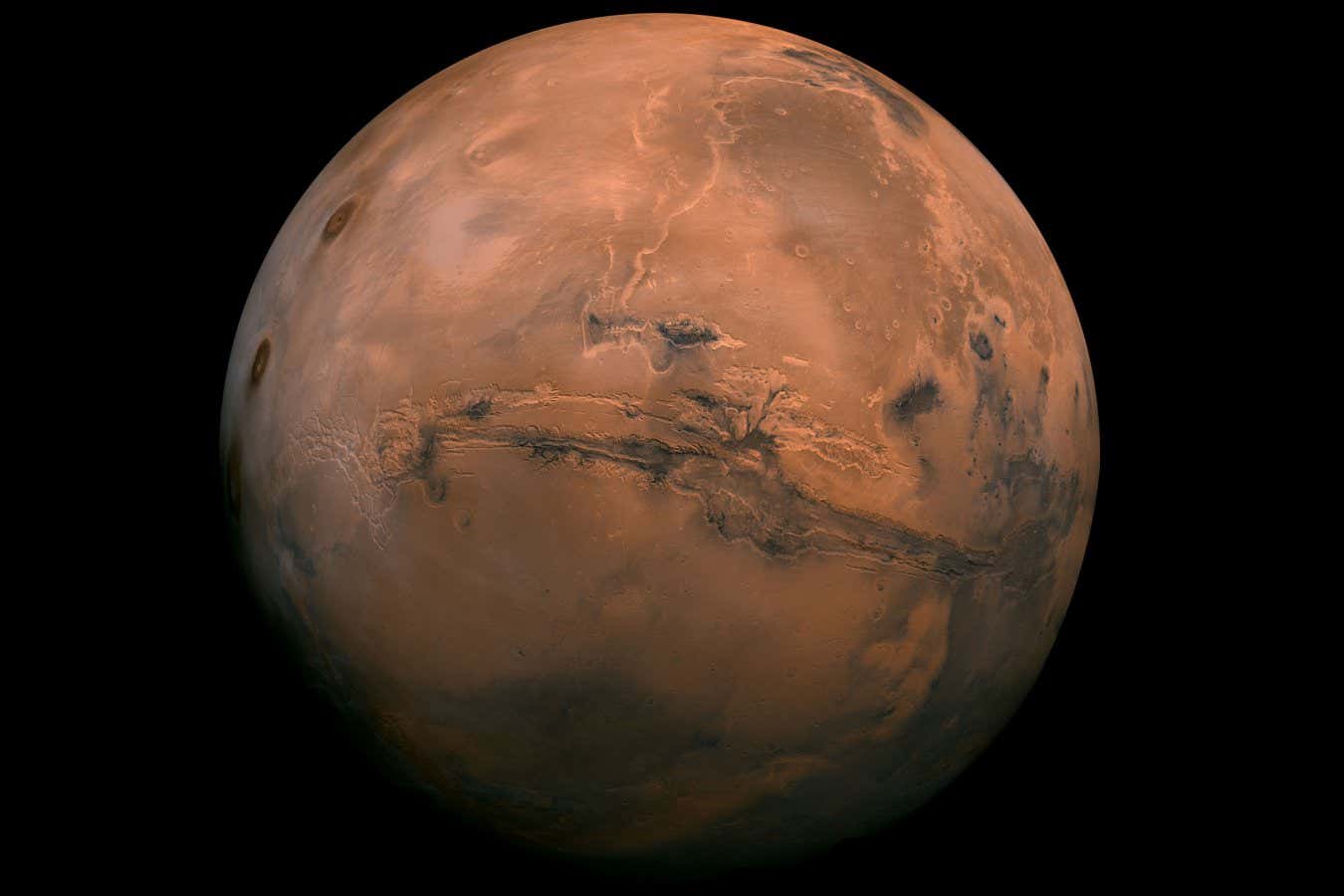

This mosaic of Mars is a compilation of images captured by the Viking Orbiter 1. The center of the scene shows the entire Valles Marineris canyon system, more than 2,000 miles (3,000 kilometers) long, 370 miles (600 kilometers) wide and 5 miles (8 kilometers) deep, extending from Noctis Labyrinthus, the arcuate system of graben to the west, to the chaotic terrain to the east.

If humans colonised Mars, how would they calculate time? (Part 2)

12 July 2023

Our readers point out that history shows it is best to stick to one measure of time to avoid confusion – but add that it may not be humans who get to decide how time is calculated on Mars
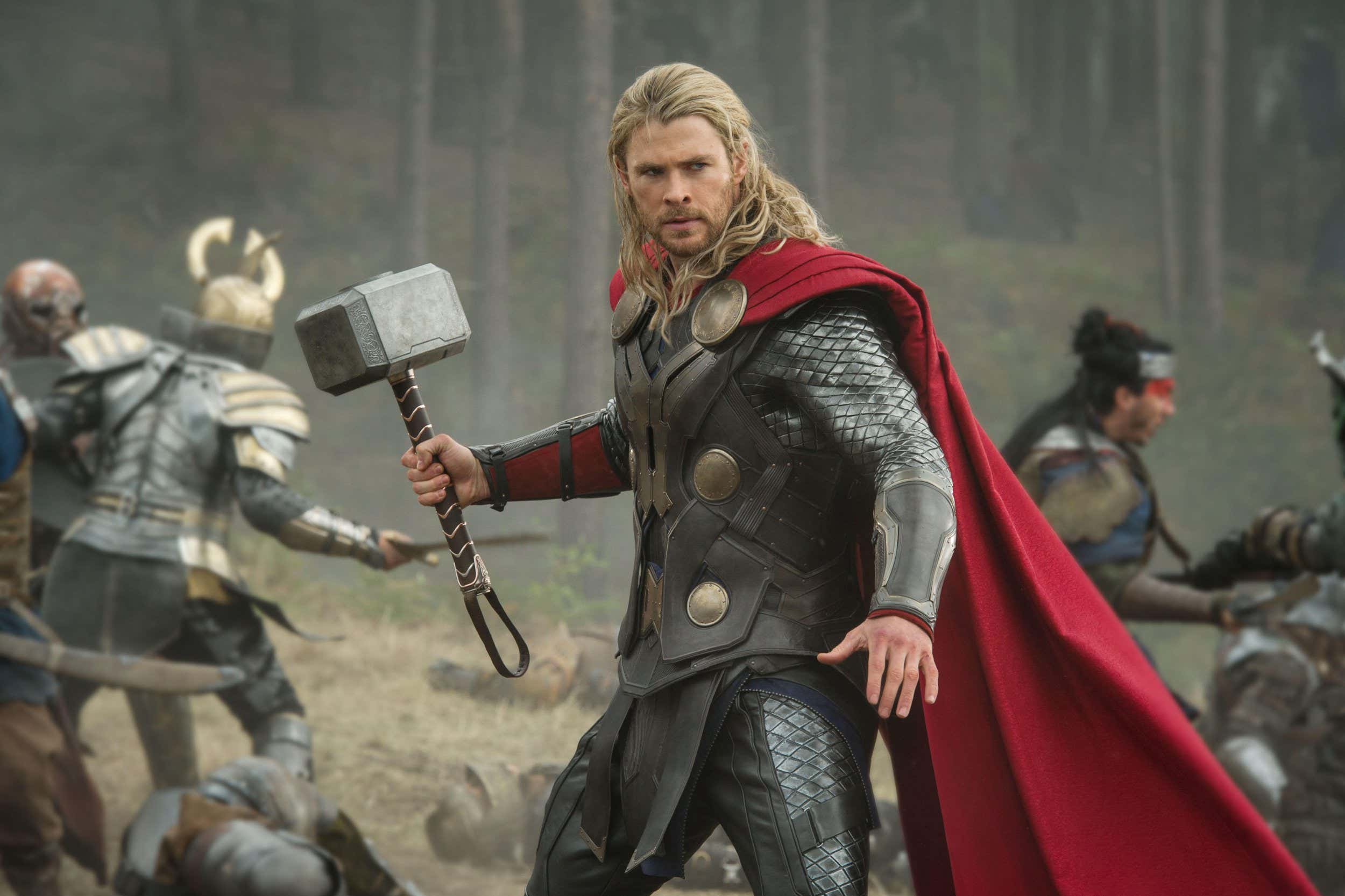

HCNBCF THOR: THE DARK WORLD, Chris Hemsworth as Thor, 2013. ph: Jay Maidment/?Walt Disney Studios/courtesy Everett Collection

Could you make a machine that “flew” like Thor’s hammer in the comics?

12 July 2023

Such machines already exist, in a sense, say our readers - but an immortal being might also be using effects science has yet to understand


New Scientist Default Image

Puzzle #230: Try to fathom the tourist-on-the-train photo problem

12 July 2023

Can you solve this week’s arithmetical puzzle, Train of thought? Plus the answer to puzzle #229


The stunningly simple rule that will always get you out of a maze

The stunningly simple rule that will always get you out of a maze

12 July 2023

You thought the maze looked fun, but now you can’t find your way out. Luckily, mathematics is here to help you escape, says Katie Steckles


Signature Entertainment Handout Film Still: Cerebrum. Tobi King Bakare as William and Ramona Von Pusch as Amelia .

Cerebrum review: An enigmatic slice of sci-fi horror

12 July 2023

William returns home to recover after a terrible car accident leaves his world in pieces. Great performances and a chilling script make for an intriguing debut, says Simon Ings


New Scientist recommends: Pod and Women on Nature

New Scientist recommends: Pod and Women on Nature

12 July 2023

The books, TV, games and more that New Scientist staff have enjoyed this week


Oral bacteria. Coloured scanning electron micrograph (SEM) of mixed oral bacteria. The mouth contains a large number of bacteria, most of which are harmless or even beneficial. However, some bacteria can cause throat infections or cause the formation of plaque deposits on the teeth, which may lead to decay. Magnification: x10000 at 10cm wide.

Dark Matter review: The amazing story of the microbial world inside us

12 July 2023

The human microbiome has a big influence on our health and yet, rather like dark matter in cosmology, its story is still unfolding, says a tantalising book covering the future of medicine from James Kinross


Sign up to our weekly newsletter

Receive a weekly dose of discovery in your inbox. We'll also keep you up to date with New Scientist events and special offers.

Sign up
Piano Exit Overlay Banner Mobile Piano Exit Overlay Banner Desktop