Subscribe now
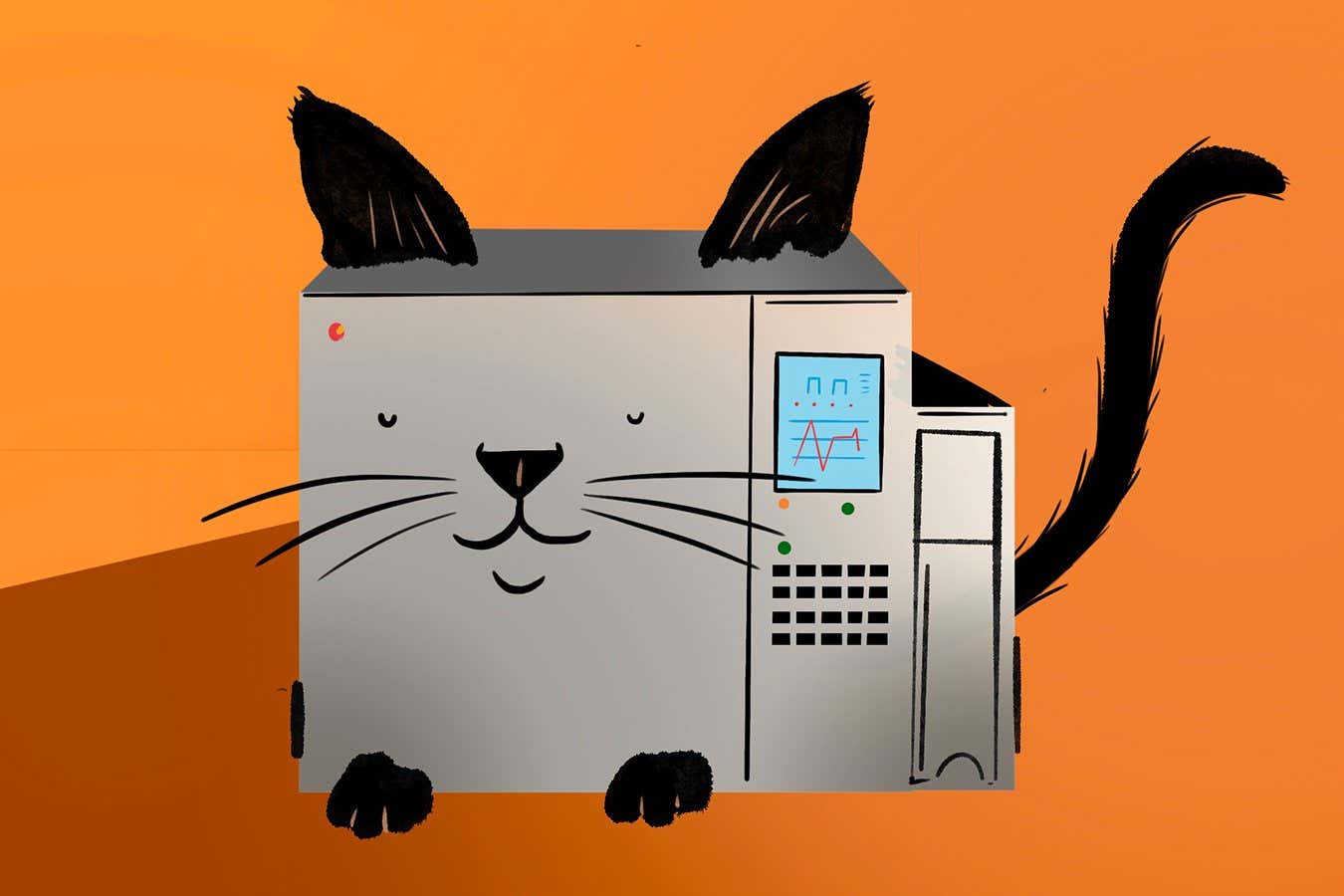
Could a cat nose function as a 'highly efficient' gas chromatograph?

Could a cat nose function as a 'highly efficient' gas chromatograph?

12 July 2023

Feedback decides more research is needed, both technical and legal, following a study into the unexpected potential of feline noses


HDTNNH Crab-eating macaca in Thailand ; specie Macaca fascicularis family of Cercopithecidae

This week’s new questions

12 July 2023

Can all animals get drunk? And why was there no runaway greenhouse effect 201 million years ago, when Earth was a hothouse?
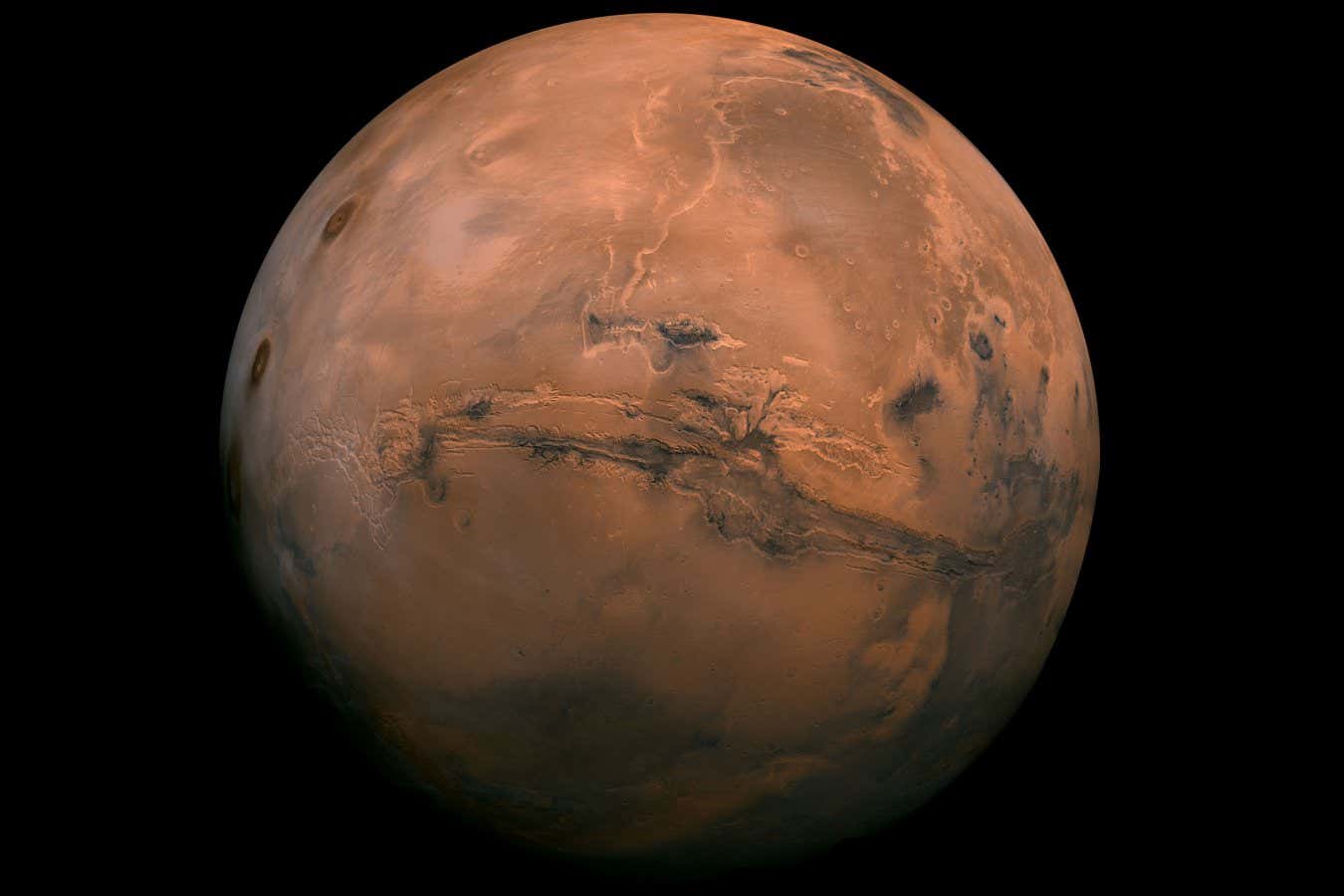

This mosaic of Mars is a compilation of images captured by the Viking Orbiter 1. The center of the scene shows the entire Valles Marineris canyon system, more than 2,000 miles (3,000 kilometers) long, 370 miles (600 kilometers) wide and 5 miles (8 kilometers) deep, extending from Noctis Labyrinthus, the arcuate system of graben to the west, to the chaotic terrain to the east.

If humans colonised Mars, how would they calculate time? (Part 2)

12 July 2023

Our readers point out that history shows it is best to stick to one measure of time to avoid confusion – but add that it may not be humans who get to decide how time is calculated on Mars


HCNBCF THOR: THE DARK WORLD, Chris Hemsworth as Thor, 2013. ph: Jay Maidment/?Walt Disney Studios/courtesy Everett Collection

Could you make a machine that “flew” like Thor’s hammer in the comics?

12 July 2023

Such machines already exist, in a sense, say our readers - but an immortal being might also be using effects science has yet to understand


New Scientist Default Image

Puzzle #230: Try to fathom the tourist-on-the-train photo problem

12 July 2023

Can you solve this week’s arithmetical puzzle, Train of thought? Plus the answer to puzzle #229


The stunningly simple rule that will always get you out of a maze

The stunningly simple rule that will always get you out of a maze

12 July 2023

You thought the maze looked fun, but now you can’t find your way out. Luckily, mathematics is here to help you escape, says Katie Steckles
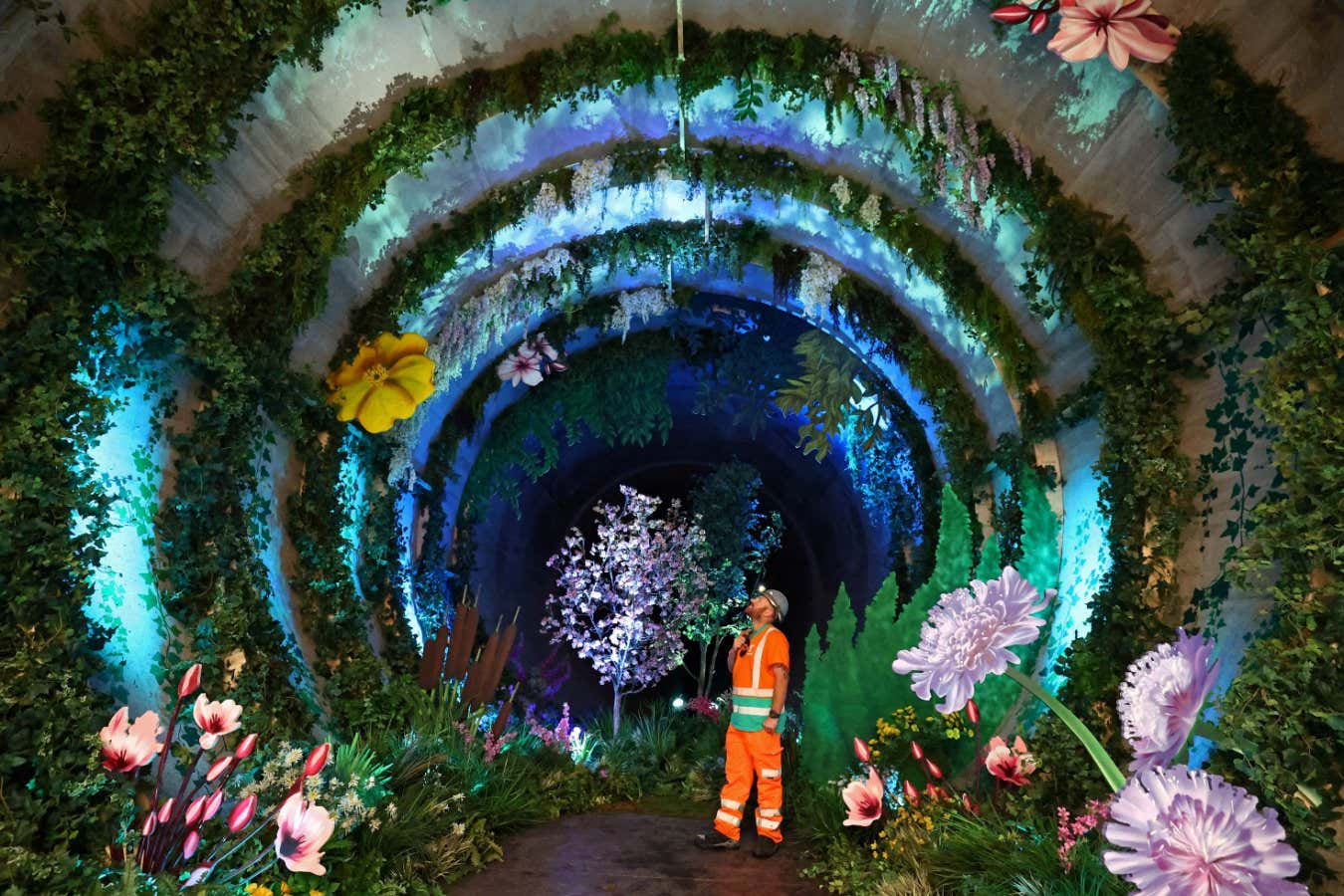

Engineer Jason Lyon poses as he views Loo Garden, a temporary subterranean garden designed to represent a future healthier River Thames, in a section of the Thames Tideway Tunnel - commonly known as the 'Super Sewer' - a 25 kilometre tunnel being built across London under and along the River Thames to deal with combined sewer overflows currently polluting the river, in London, Britain, June 29, 2023. REUTERS/Toby Melville - RC22T1ANLLXT

See the garden blooming in a 'super sewer' deep below London

12 July 2023

The playfully named Loo Gardens in the Thames Tideway Tunnel is an art installation intended to replicate the flora and fauna of the river
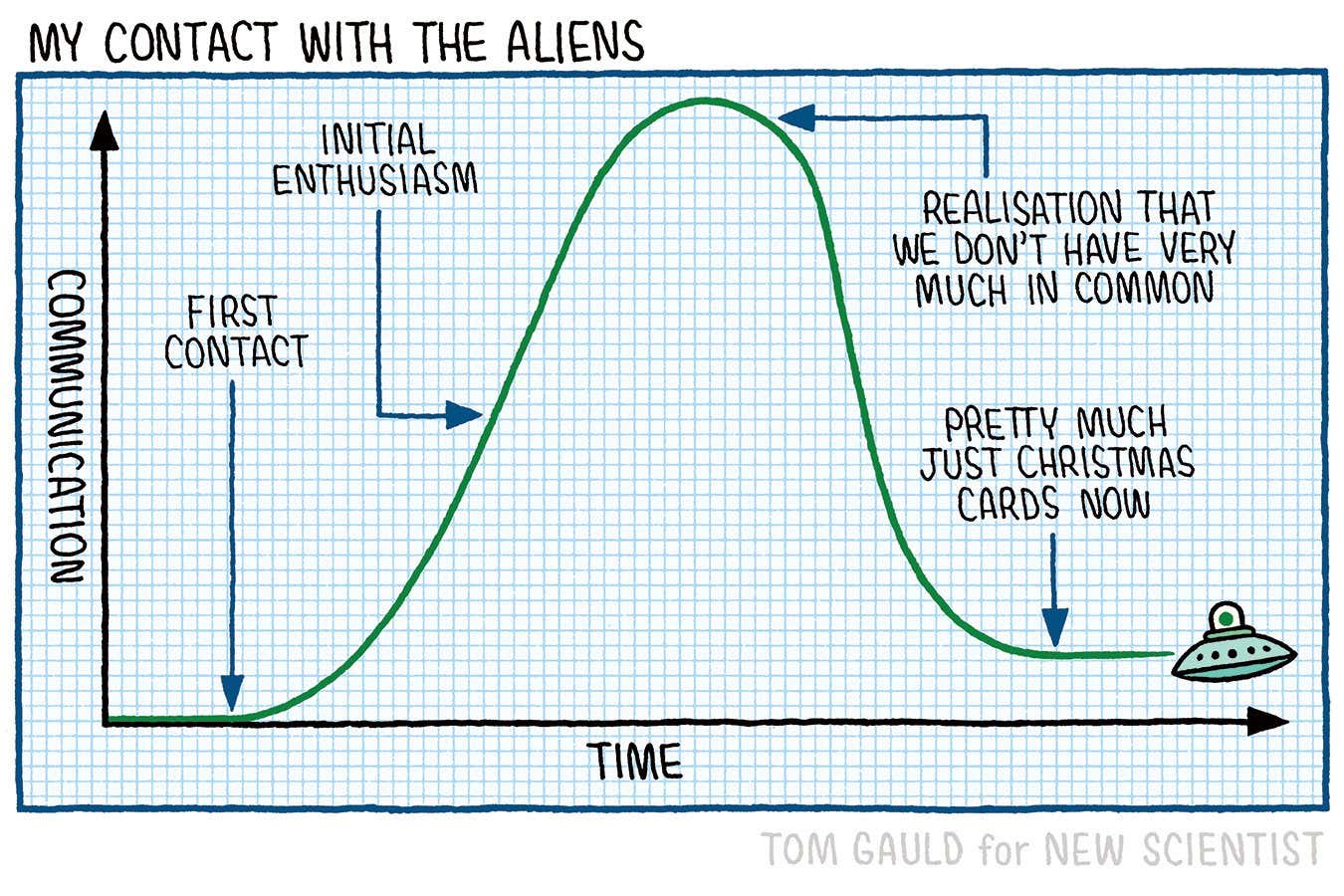

Tom Gauld on contact with aliens

Tom Gauld on contact with aliens

12 July 2023

Tom Gauld's weekly cartoon


Twisteddoodles on how a science project might gain media attention

Twisteddoodles on how a science project might gain media attention

12 July 2023

This week's cartoon from Twisteddoodles


Sign up to our weekly newsletter

Receive a weekly dose of discovery in your inbox. We'll also keep you up to date with New Scientist events and special offers.

Sign up
Piano Exit Overlay Banner Mobile Piano Exit Overlay Banner Desktop