Subscribe now
New Scientist Default Image

Cryptic crossword #114: Supporting millennial offspring (7)

20 July 2023

Challenge your brain by solving New Scientist's weekly crosswords on your mobile, tablet or desktop


Digital generated image of silhouette of male head with multicoloured gears inside on white background.

Cracking consciousness will never be easy but we are making strides

19 July 2023

A new way to understand where consciousness comes from and novel insights into subjective thought show that the hard problem of consciousness is worth persevering with
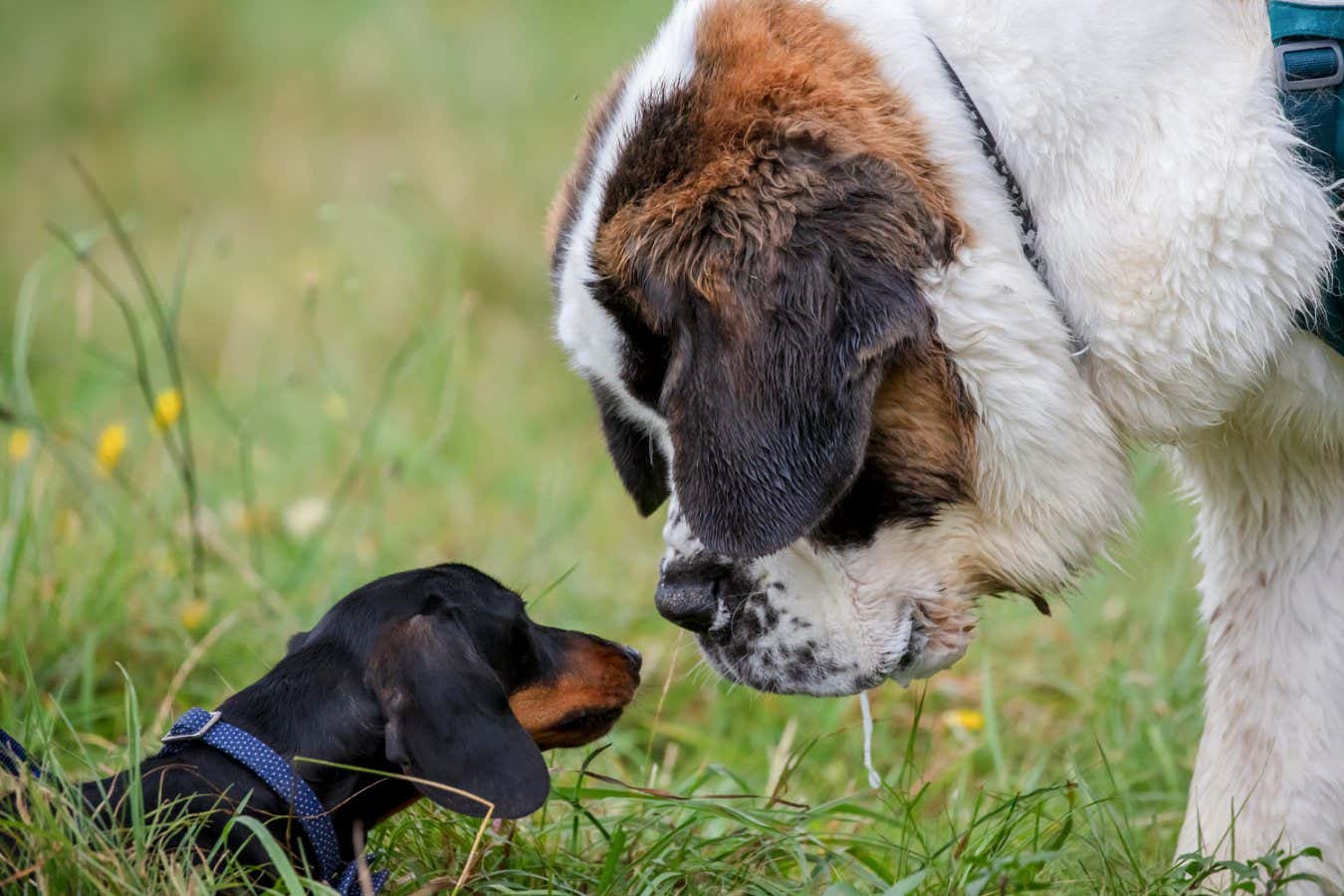

Big dog meets small dog; Shutterstock ID 2045462630; purchase_order: -; job: -; client: -; other: -

This week’s new questions

19 July 2023

How do dogs recognise another animal is also a dog when there is such vast array of canine shapes and sizes? And why can’t we conjure up smell and touch in our heads, but we can “listen” to music when nothing is coming through our ears?
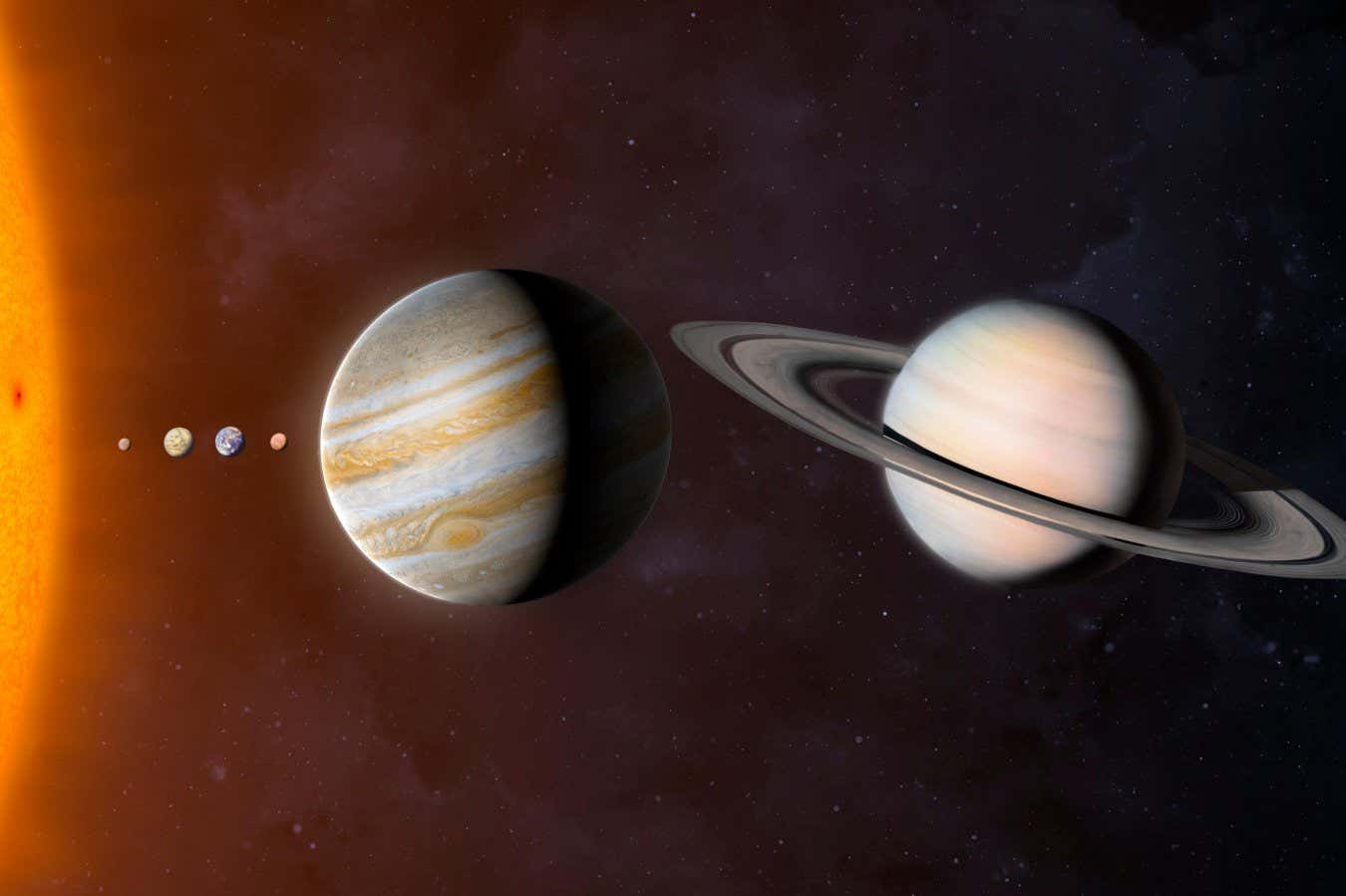

MNN37P Illustration comparing the planets of the Solar System and the Sun on the same scale. The planets are shown to scale relative to each other but their distances are not. From left to right the bodies are: the Sun, Mercury, Venus, Earth, Mars, Jupiter, Saturn, Uranus and Neptune.

Will the planets of our solar system ever line up in a row? (Part 2)

19 July 2023

Only every 100 billion years, says one reader - longer than the lifetime of the current stable solar system
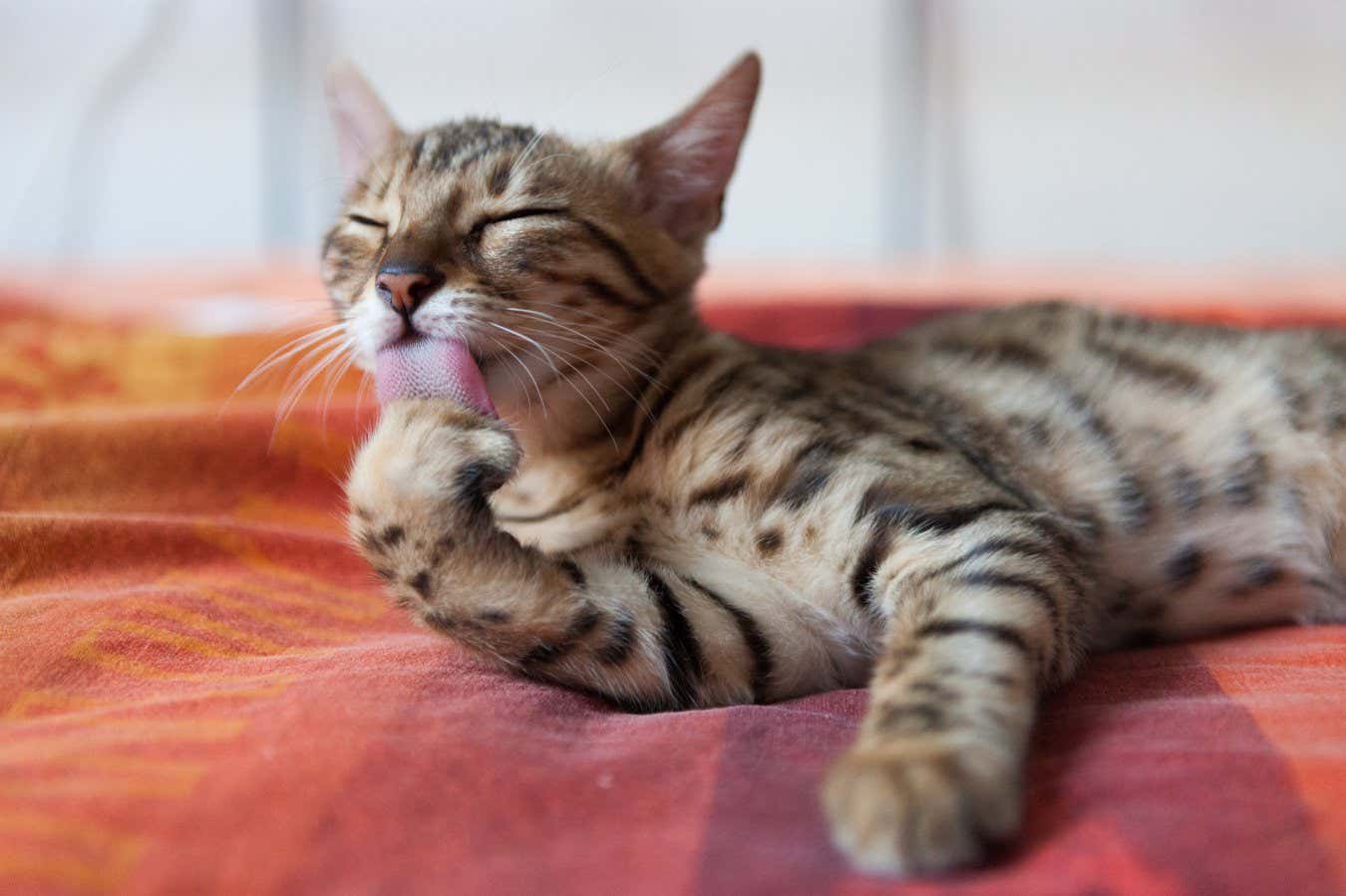

Bengal cat washing itself on bed; Shutterstock ID 1123136123; purchase_order: -; job: -; client: -; other: -

Why do cats wash themselves, while dogs don’t?

19 July 2023

Cats hate getting wet but dogs don’t, say our readers - who also hint that cats may have evolved to a superior level to their canine companions
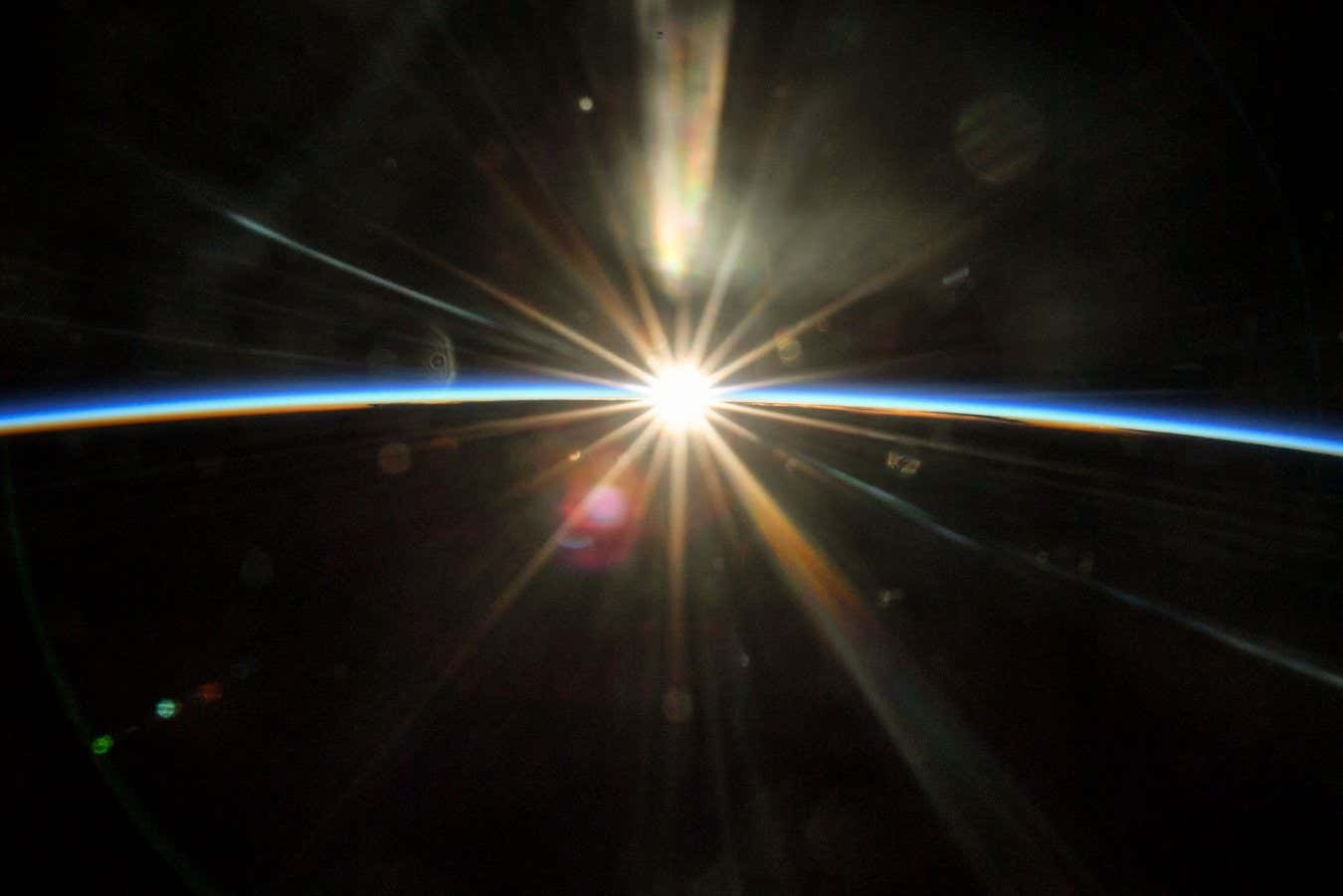

iss067e189024 (July 16, 2022) --- The sun's rays begin to illuminate the Earth's atmosphere as the International Space Station flew into an orbital sunrise 261 miles above Texas. iss067e189024 NASA ID: iss067e189024 iss067e189024 (July 16, 2022) --- The sun's rays begin to illuminate the Earth's atmosphere as the International Space Station flew into an orbital sunrise 261 miles above Texas. Date Created:2022-07-16 Center:JSC

When was the first sunrise on Earth?

19 July 2023

This is a question of how we define “Earth”, say our readers, but we also need to consider when light from the young sun could have pierced Earth’s atmosphere


New Scientist Default Image

Puzzle #231: How far did I walk, compared with my dog Zippy?

19 July 2023

Can you solve this week’s arithmetical puzzle, Bark run? Plus the answer to puzzle #230


2DCB2RF making a mini sandarium for wild bees, bowl is filled with crocks for drainage, series picture 4/18, Germany

Why putting broken pottery in your plant pot won't help with drainage

19 July 2023

Putting a layer of "crocks", or broken pottery, in the base of flower pots won't improve drainage – and may actually worsen it, says James Wong


portal in dense smoke in the form of clouds. portal to the underworld. The edge of the portal glows yellow. Portal to another world, magical realism, parallel world, ancient runes, relics. 3d render; Shutterstock ID 2205929967; purchase_order: -; job: -; client: -; other: -

The Saint of Bright Doors review: Fine debut probes nature of memory

19 July 2023

Stunning sci-fi novel by Vajra Chandrasekera uses magical realism to weave a multi-layered, dreamlike story where the nature of memory and how it can be abused is its deepest theme


New Scientist recommends: Tomorrow, and Tomorrow, and Tomorrow

New Scientist recommends: Tomorrow, and Tomorrow, and Tomorrow

19 July 2023

The books, TV, games and more that New Scientist staff have enjoyed this week


Sign up to our weekly newsletter

Receive a weekly dose of discovery in your inbox. We'll also keep you up to date with New Scientist events and special offers.

Sign up
Piano Exit Overlay Banner Mobile Piano Exit Overlay Banner Desktop