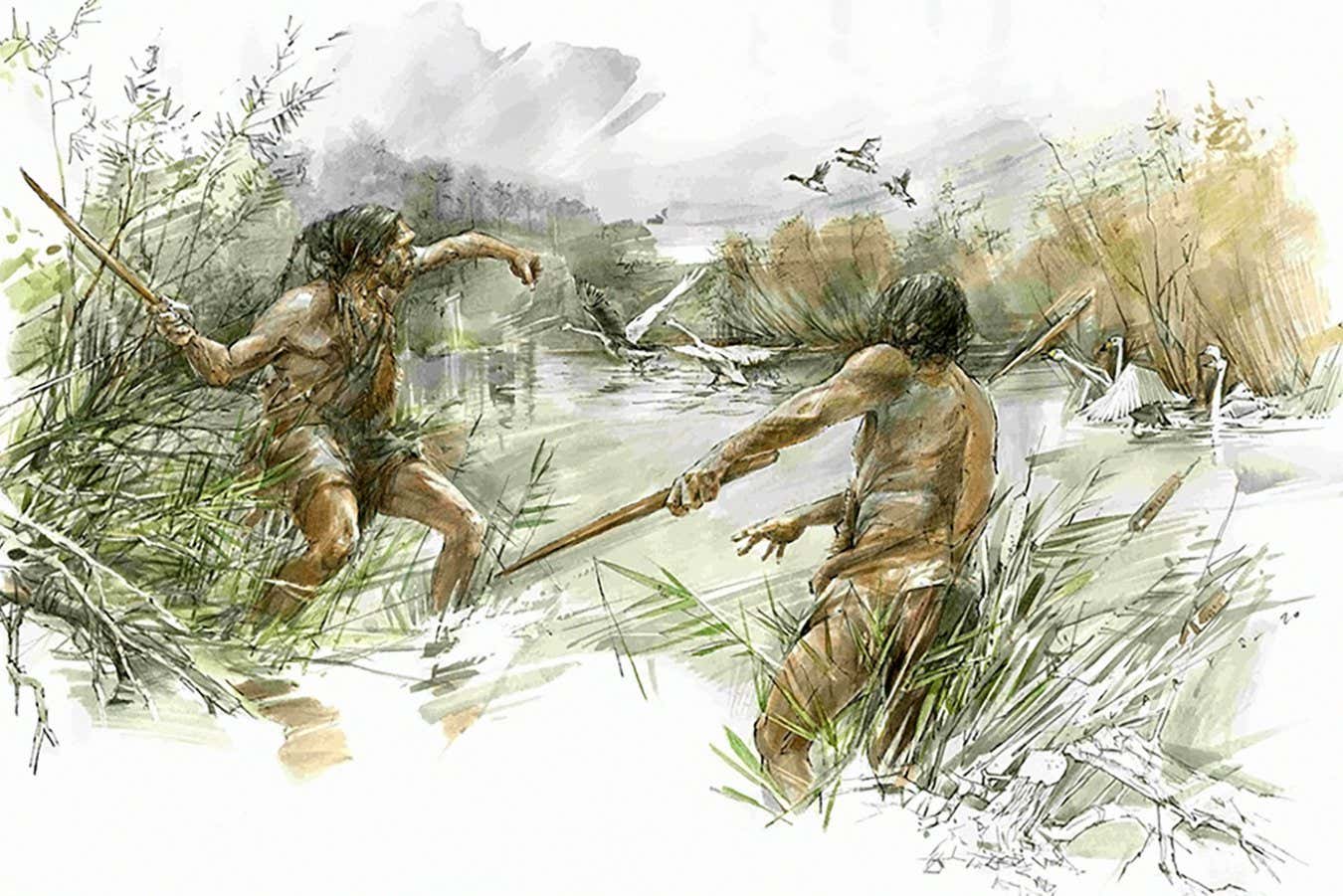
Ancient humans hunted animals by throwing a stick like a boomerang
19 July 2023
Analysis of a wooden stick thought to be around 300,000 years old suggests it was designed to be thrown rotationally, rather than as a spear
19 July 2023
Analysis of a wooden stick thought to be around 300,000 years old suggests it was designed to be thrown rotationally, rather than as a spear
22 February 2023
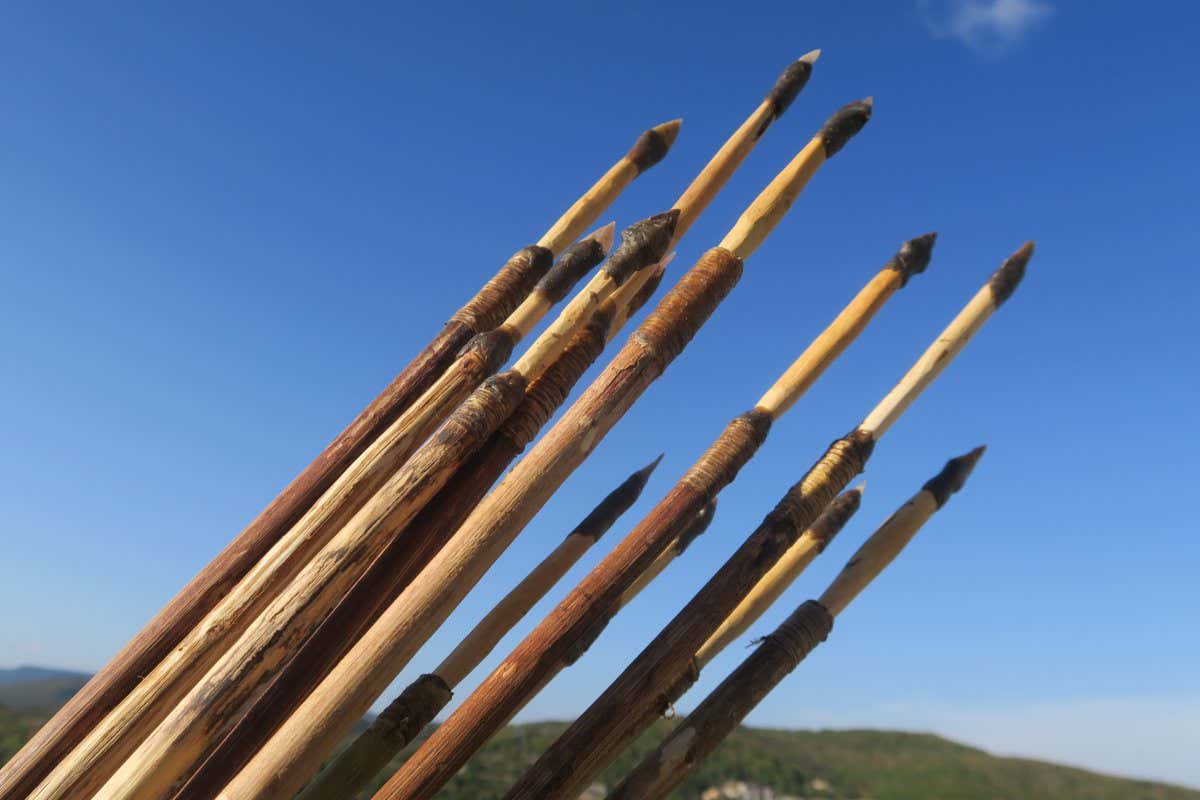
A site in France briefly occupied by modern humans is littered with stone points that were probably used as arrowheads, showing that bows and arrows were used in Europe much earlier than we thought
23 November 2022
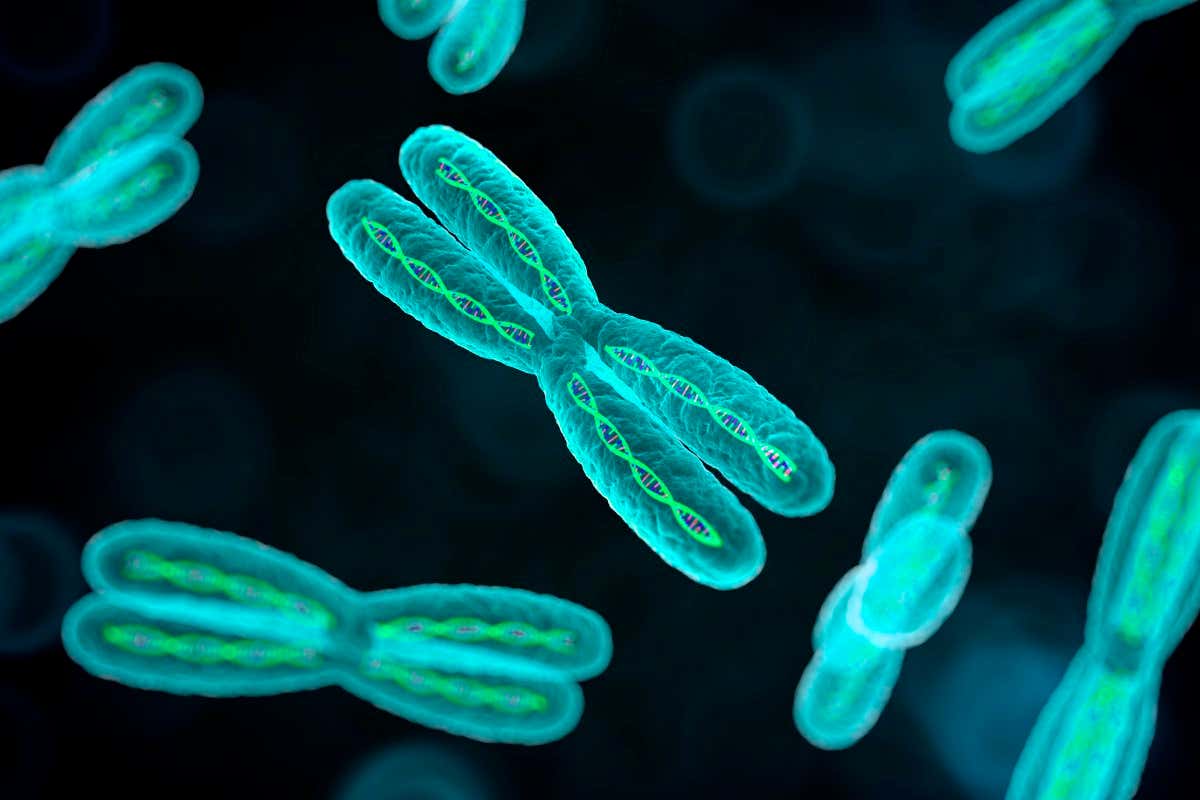
The chromosome may contain regions that promote their DNA's spread by killing sperm that carry Y chromosomes. However, Y chromosomes may have evolved counter mechanisms over time
3 October 2022
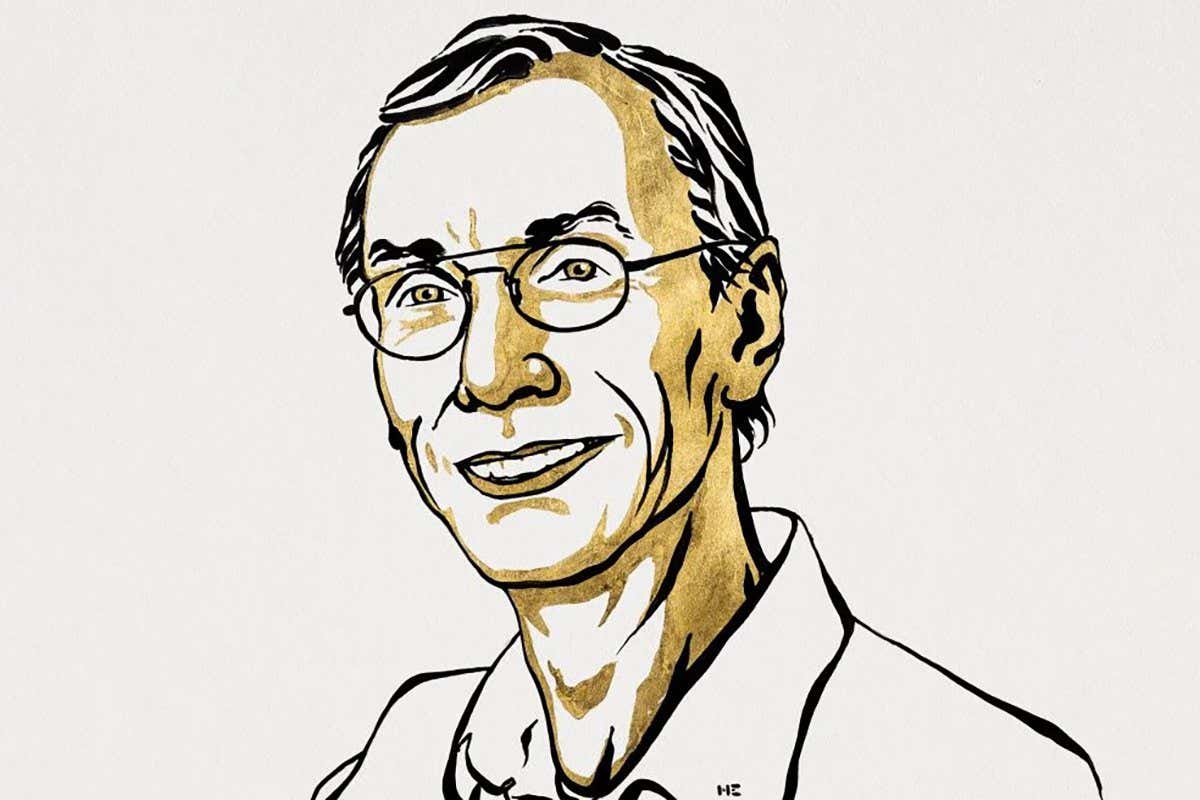
Geneticist Svante Pääbo has been awarded a Nobel prize for his work on evolutionary genetics
15 July 2022
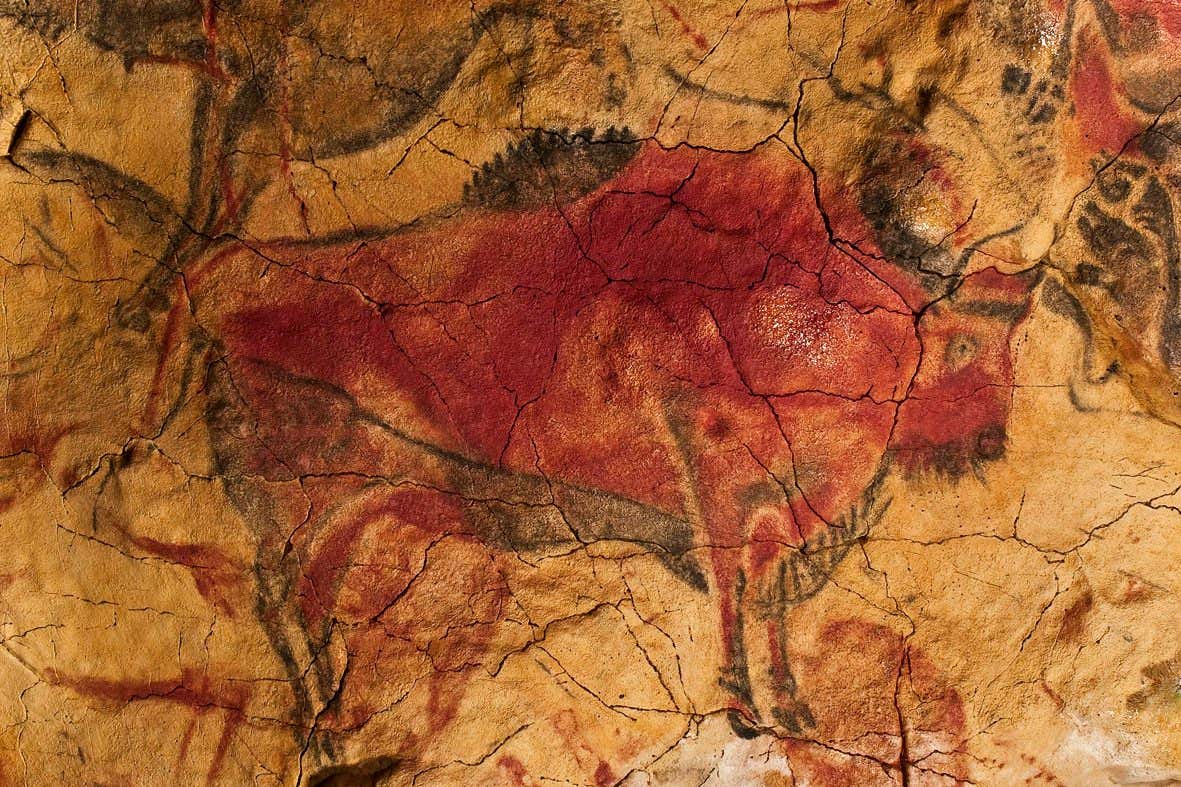
On a visit to see ancient cave art in Spain, Michael Marshall explores why it's so hard to calculate the age of early human artworks and whether other hominins might also have created art.
16 July 2021
Just 1.5 to 7 per cent of the modern human genome is uniquely ours – meaning it emerged after we split from other ancient human groups including the Neanderthals and Denisovans
15 October 2020
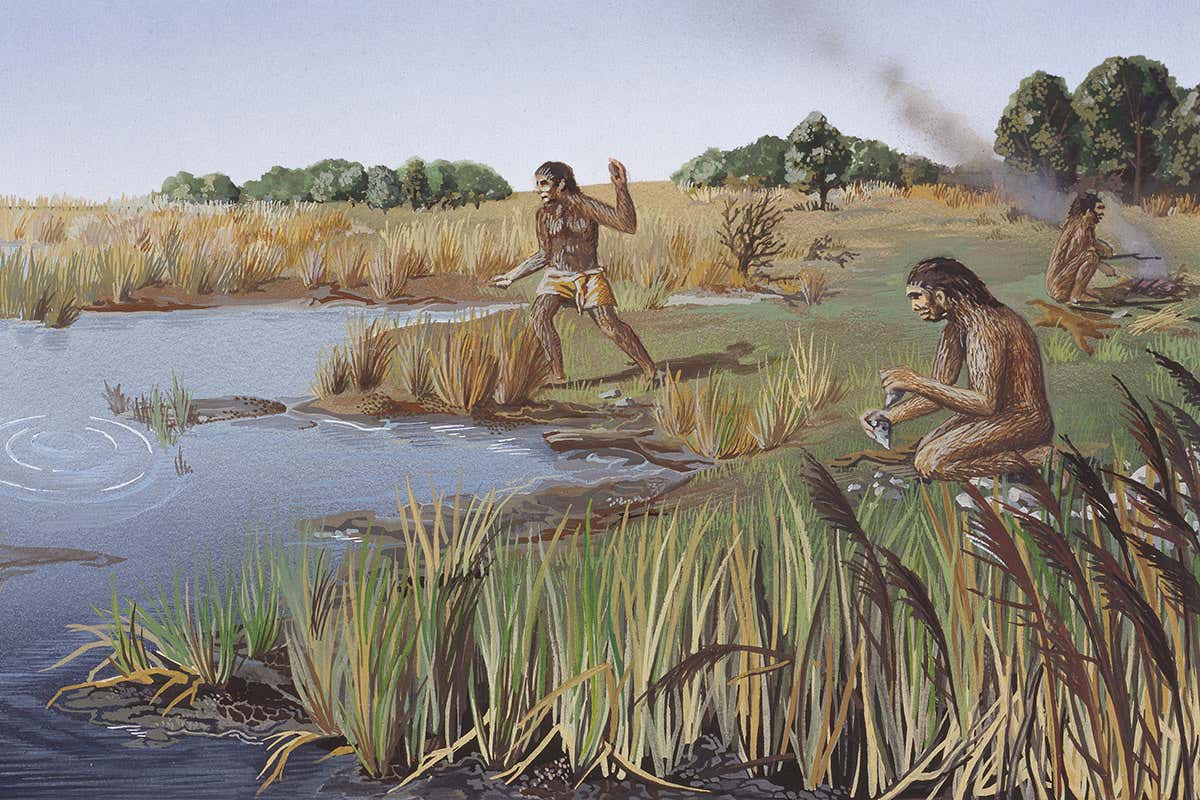
Sudden climatic changes may have been a significant driver of the extinction of early human species, including the Neanderthals, Homo erectus and Homo heidelbergensis
19 September 2019
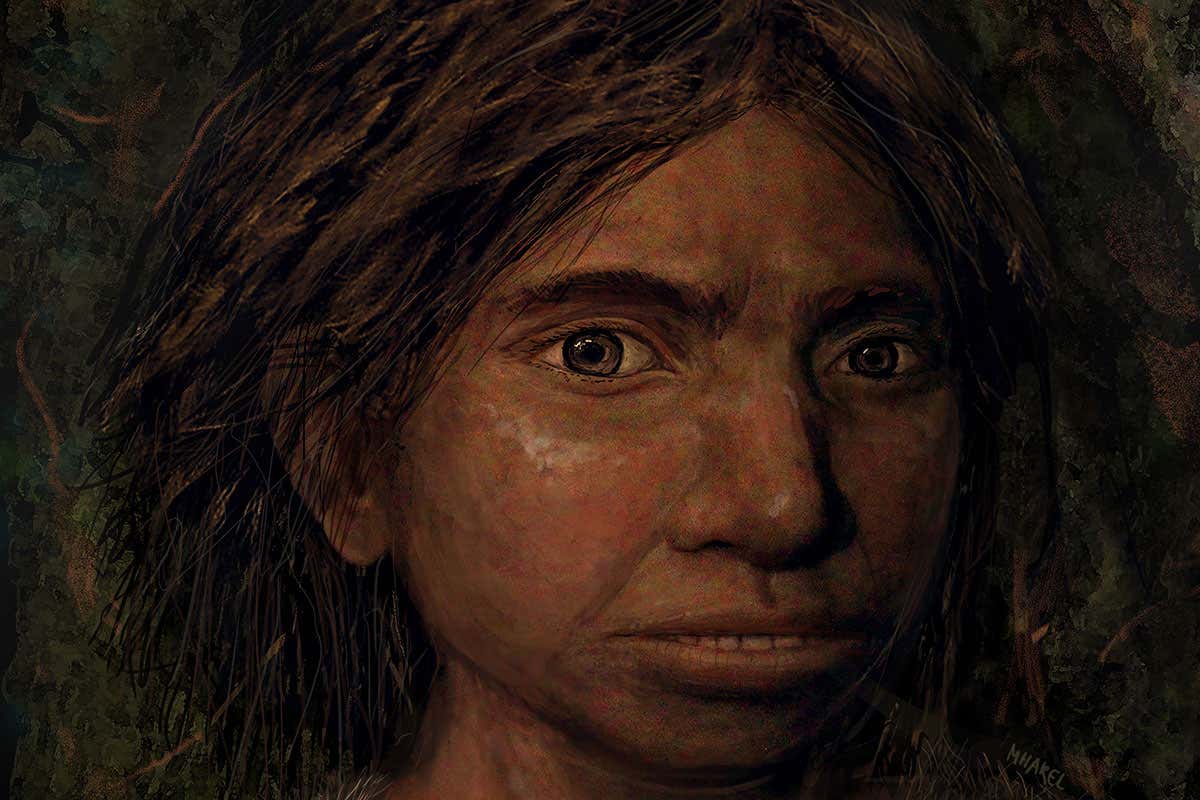
A team has used DNA from an ancient fingerbone to predict what our extinct cousins the Denisovans looked like but the method is unlikely to be accurate
18 July 2019
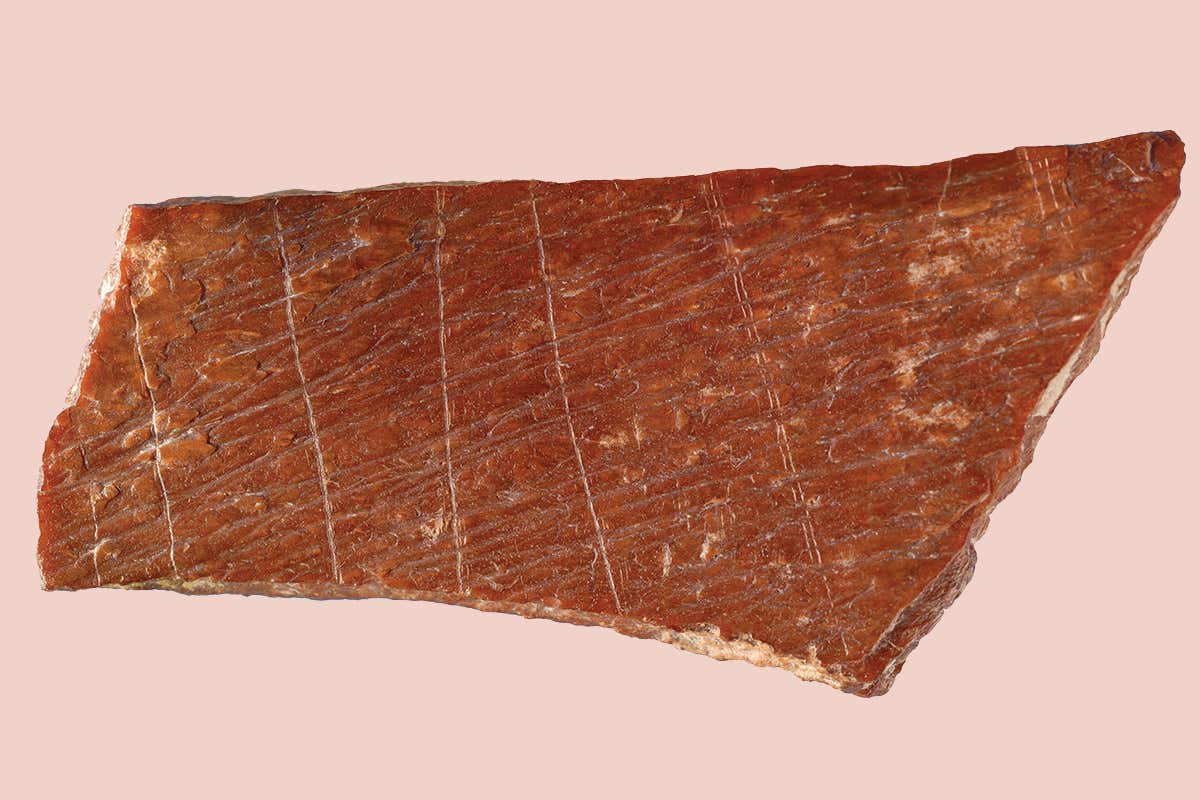
Etchings on pieces of ancient bone found in China could be the clearest evidence yet found that the mysterious Denisovans were capable of advanced cognition
6 February 2019
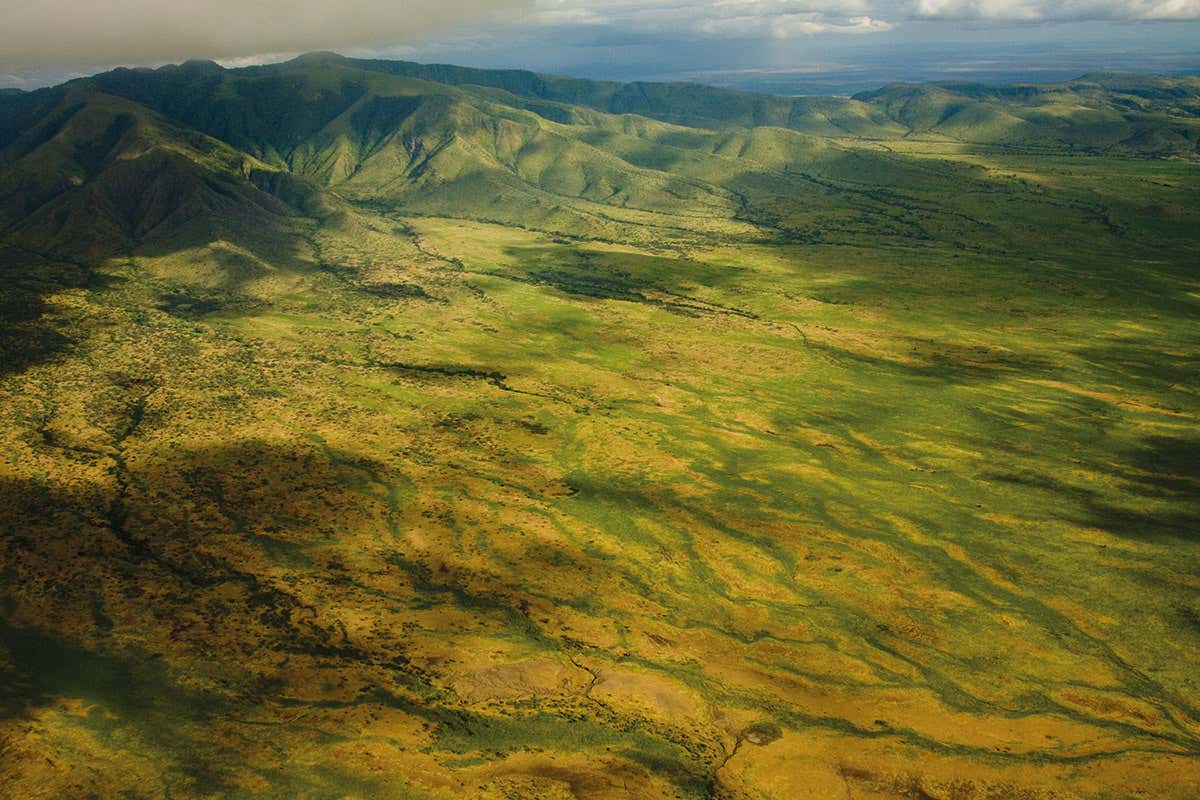
The most detailed ever look at Earth's prehistoric climate suggests many habitats changed in the past 800,000 years – and this may be why we evolved big brains
