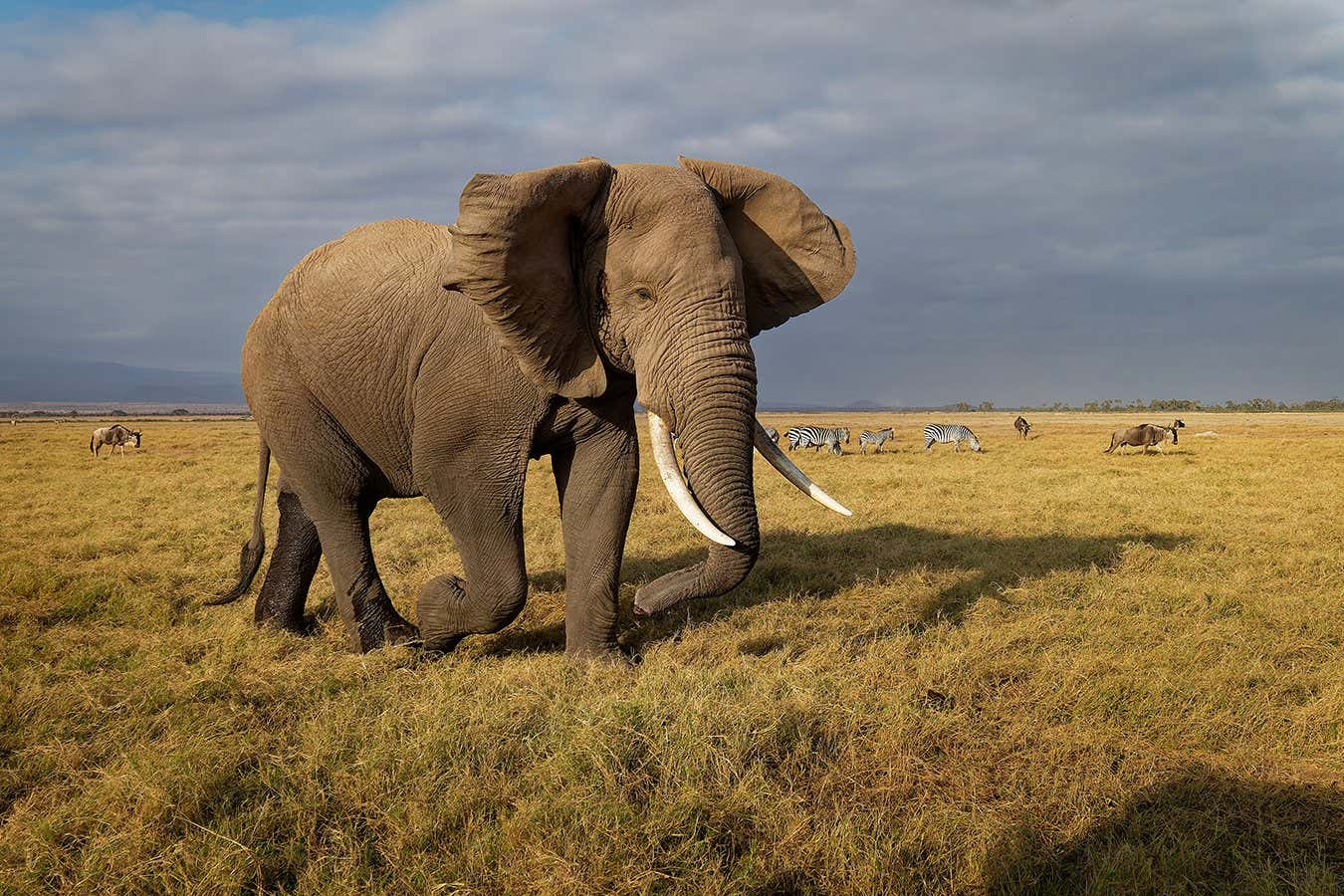
Wild African elephants may have domesticated themselves
3 April 2023
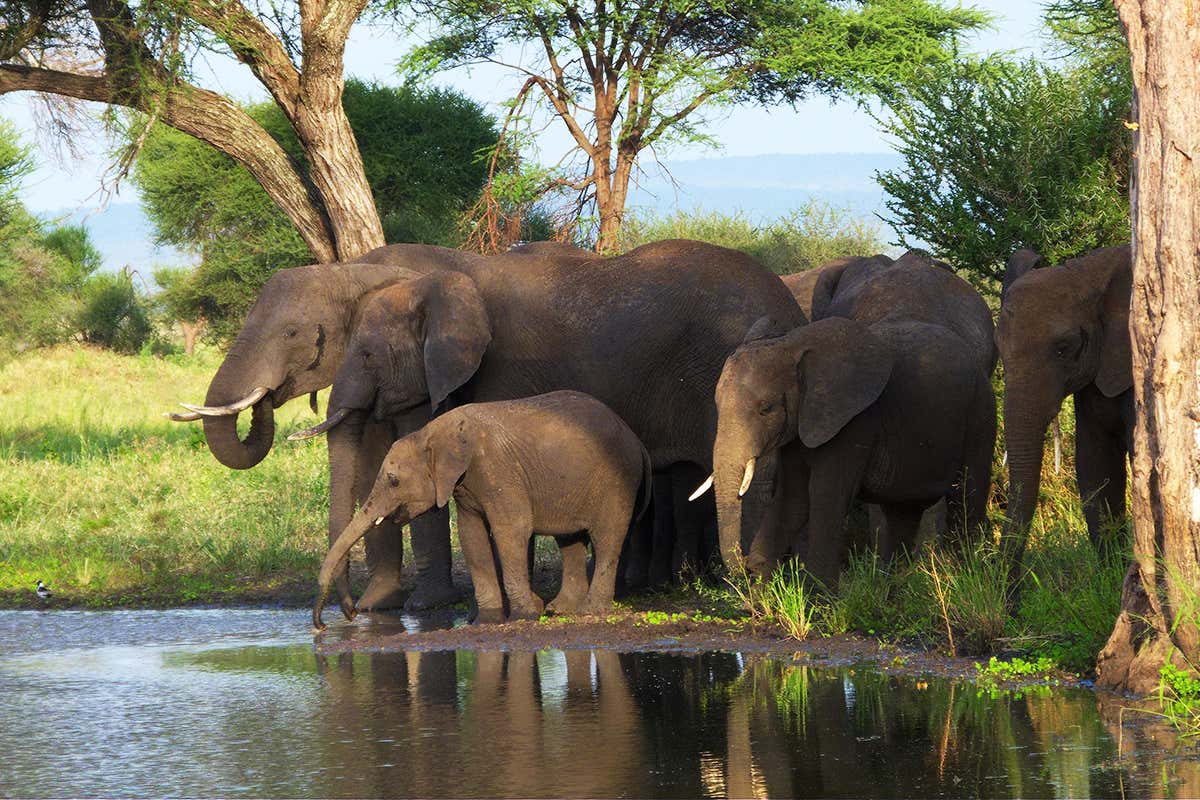
African savannah elephants play, care for their young and show social behaviours associated with domestic animals, despite never being domesticated by humans
3 April 2023
African savannah elephants play, care for their young and show social behaviours associated with domestic animals, despite never being domesticated by humans
20 January 2022
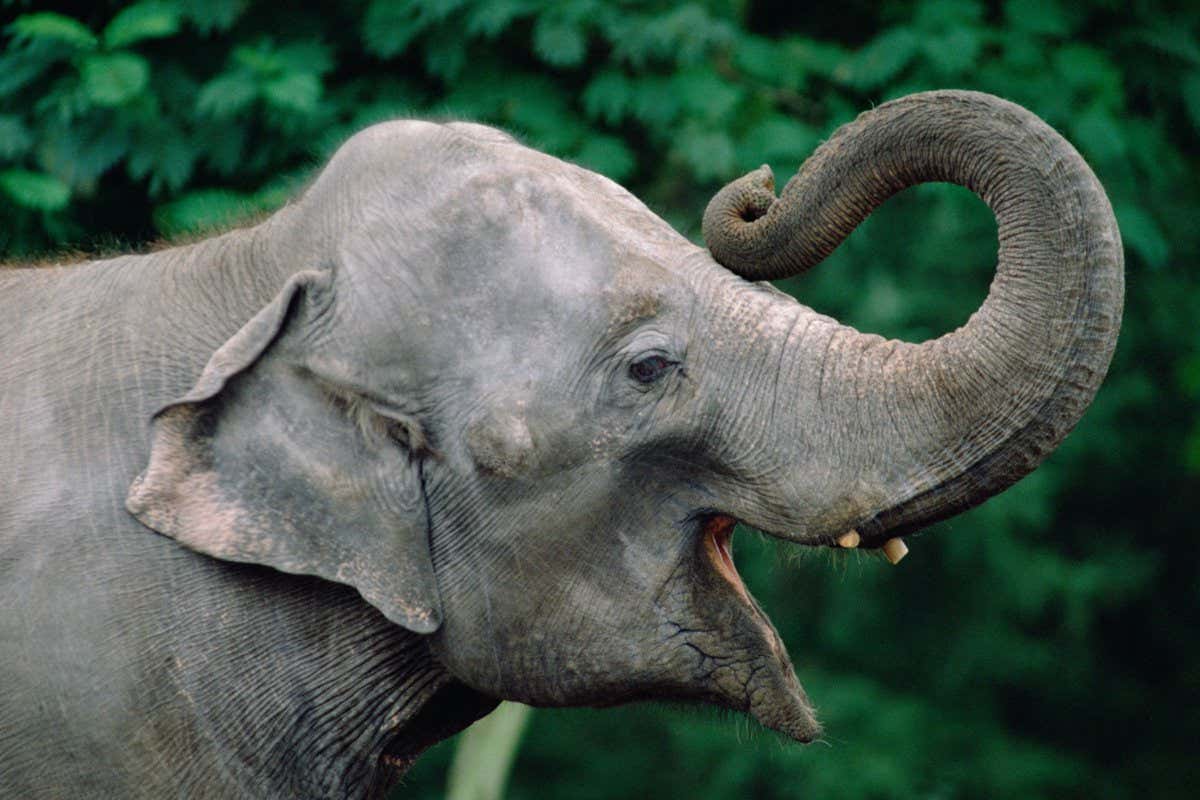
The bundle of nerves that controls the elephant’s trunk contains 400,000 neurons – a lot more than we expected – suggesting the trunk is incredibly sensitive
22 December 2021
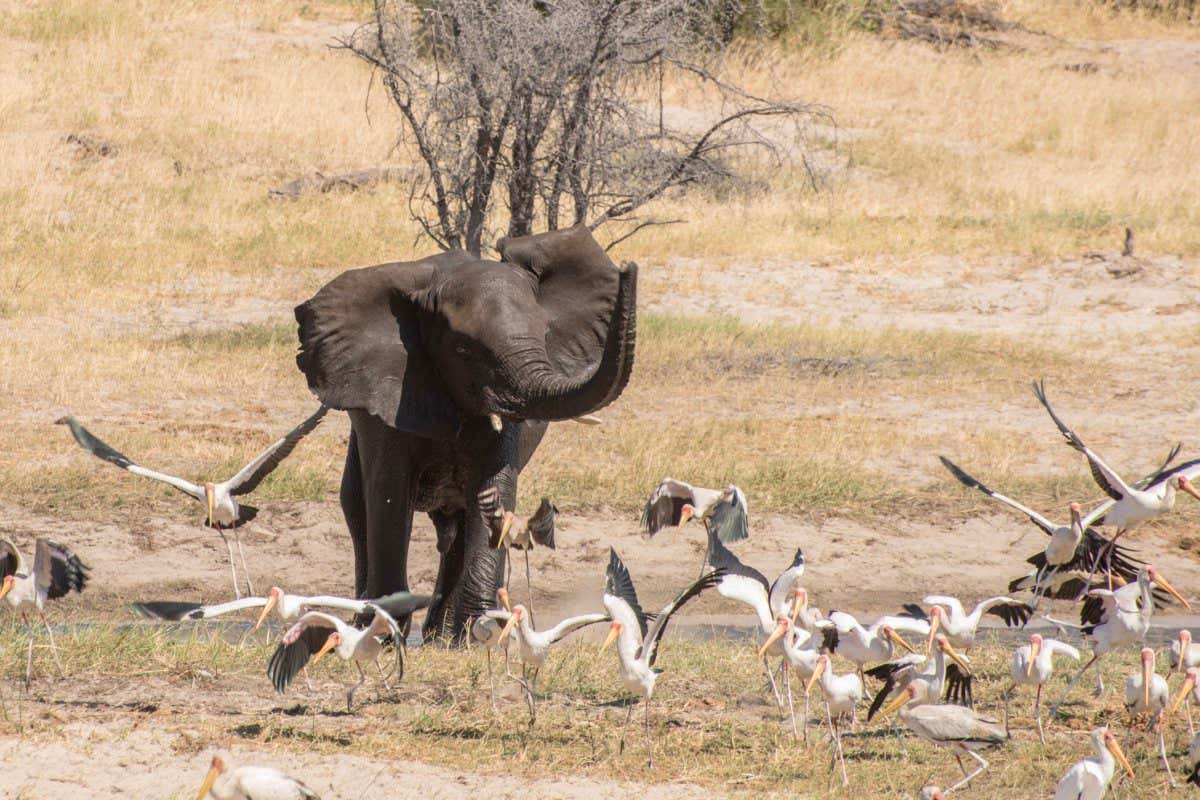
Young male elephants will sometimes attack humans or other animals, but seem less likely to do so if they are in the company of older males
3 November 2021
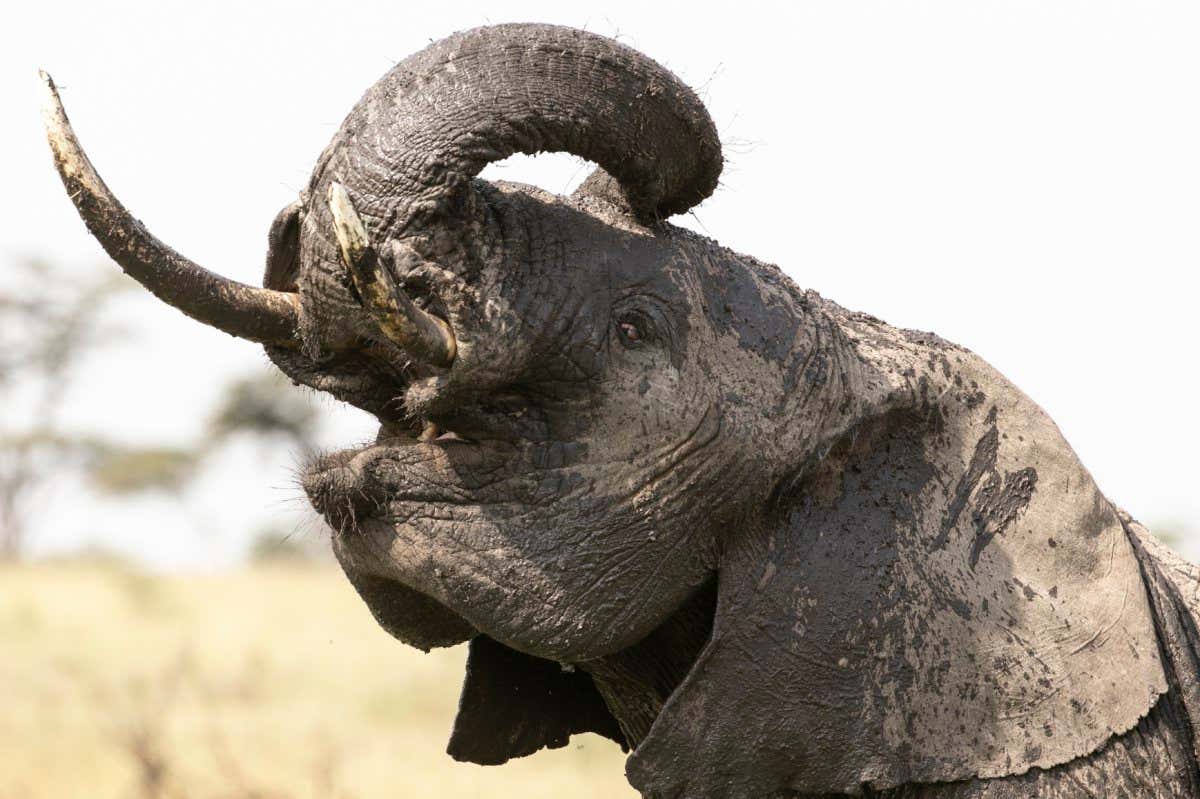
An ambitious directory of elephant behaviours and vocalisations offers amazing insights into their minds and culture – and could help save these magnificent beasts from extinction
28 September 2021
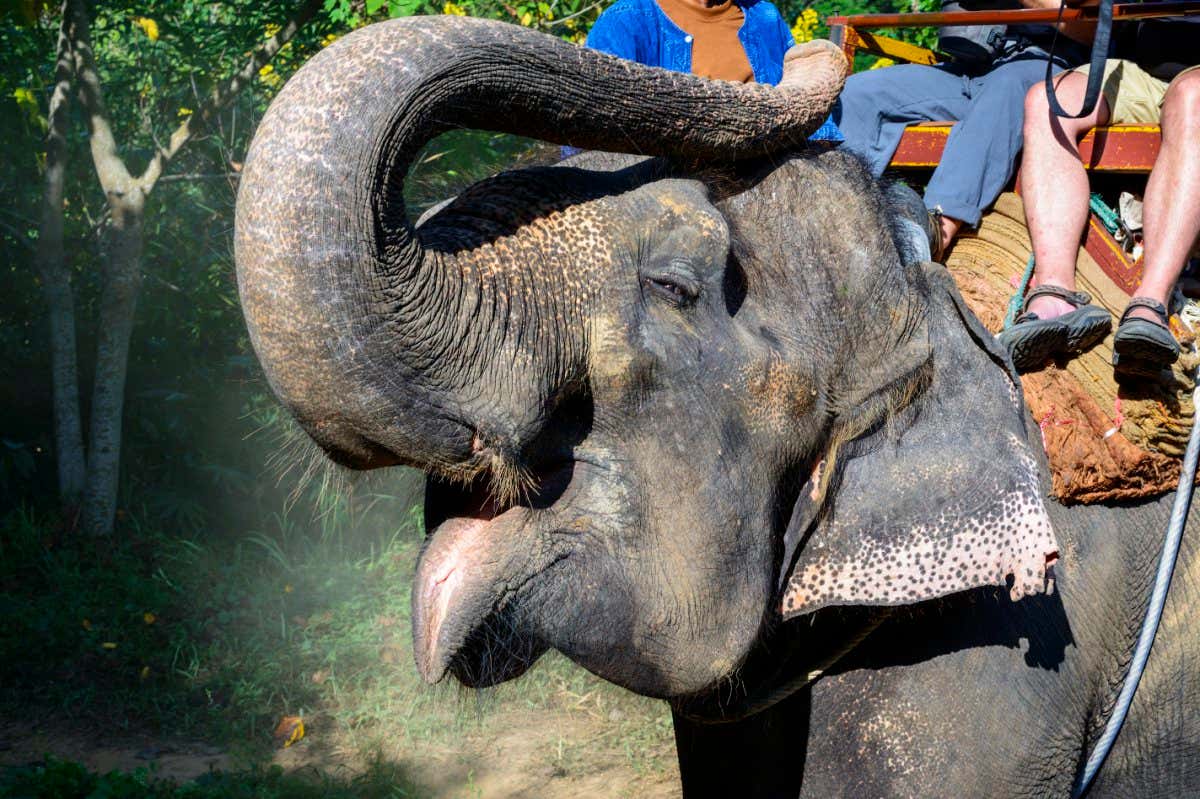
An investigation of elephants at 20 Thai tourist facilities show that more than half of the captive animals show repetitive behaviour like swaying or head bobbing, which may be signs of anxiety or boredom

16 September 2021
Fossil footprints reveal that the extinct straight-tusked elephant raised its young with groups of adult females and no adult males, just as modern elephants do – and that they were probably hunted by Neanderthals
1 June 2021
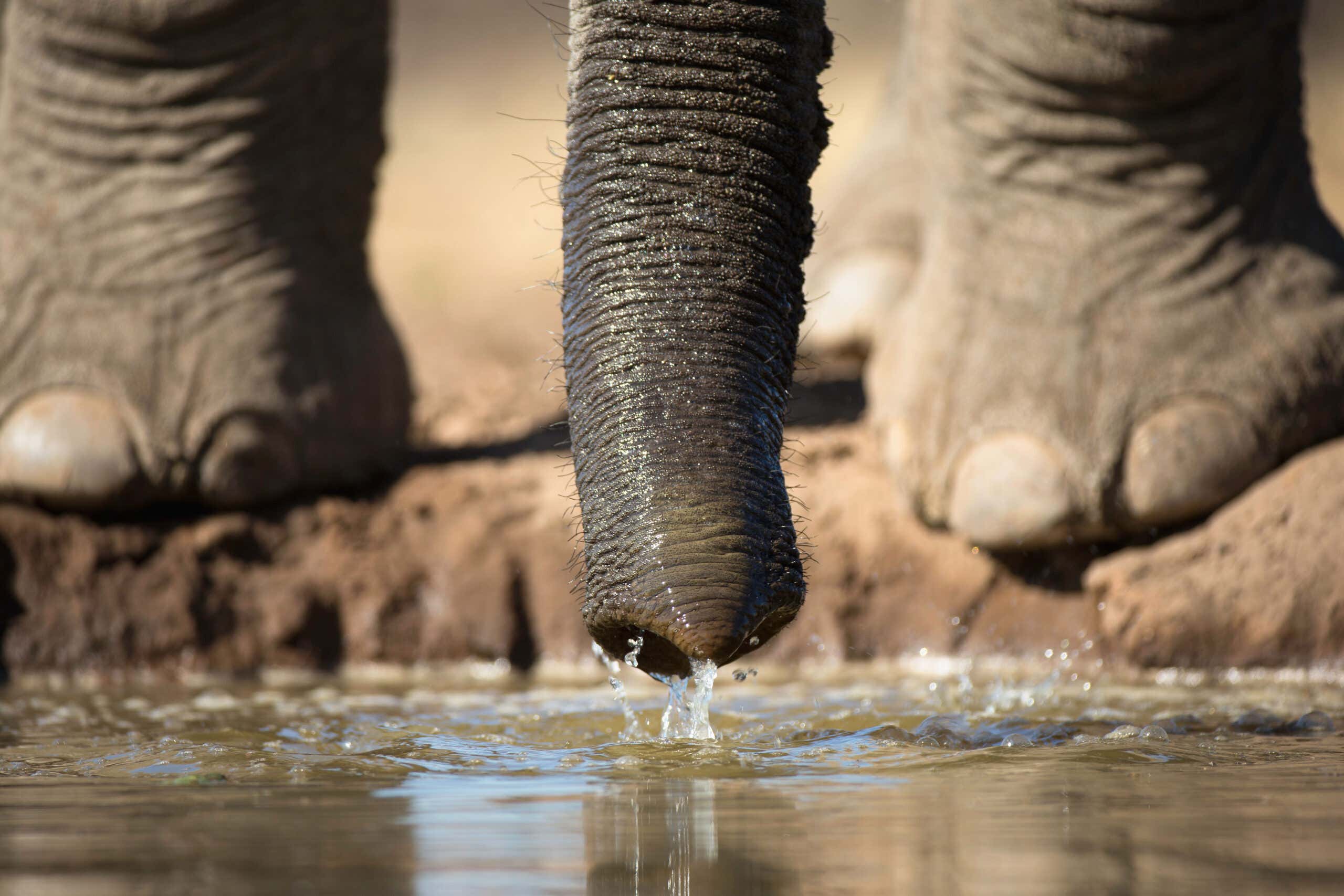
Elephants use extreme suction to hold water and food in their trunks, often inhaling at speeds that are nearly 30 times the speed we exhale air when we sneeze
14 October 2020
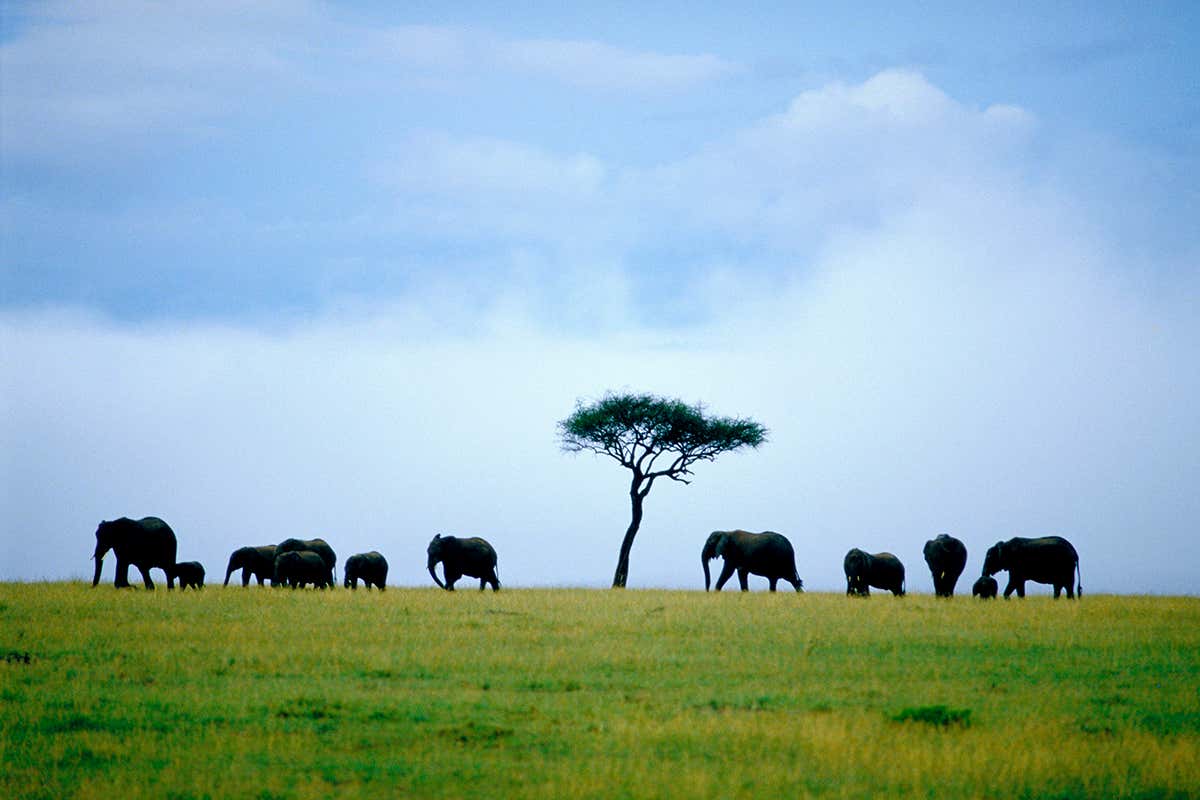
Named for its elephants, Ivory Coast once had one of the largest elephant populations in West Africa. Now there are just hundreds left
16 October 2019
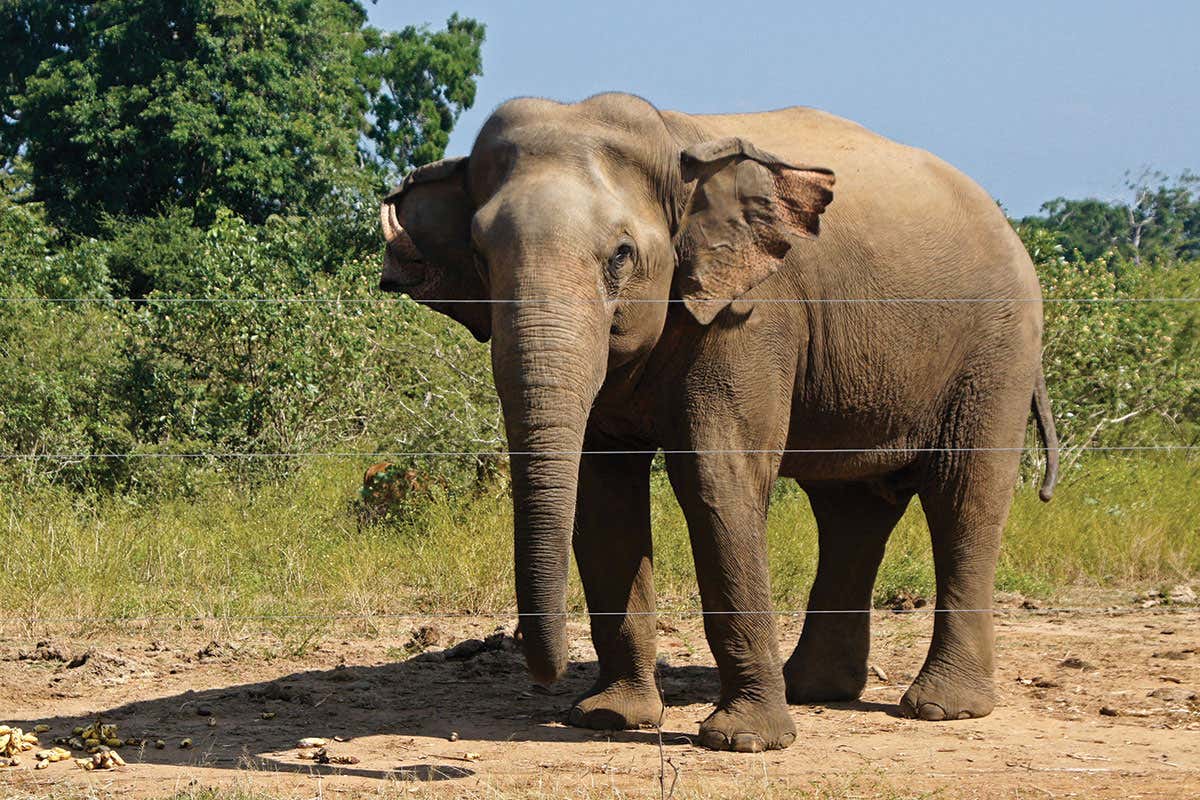
Sri Lanka has the world's highest rate of human-elephant conflict – last year alone, it killed 70 people and 300 elephants. A simple solution can make all the difference, if people are willing to try it
28 May 2019
The number of African elephants being killed by poachers has fallen to below 15,000 per year, which is still too high for populations to have a future
