Subscribe now
Australopithecus sediba silhouette showing the newly-found vertebrae along with other skeletal remains from the species. The enlarged detail (a photograph of the fossils in articulation on the left; micro-computed tomography models on the right) shows the newly discovered fossils, in colour on the right between previously known elements in grey. Right: Life reconstruction of Australopithecus sediba com-missioned by the University of Michigan Museum of Natural History. [? Sculpture: Elisabeth Daynes / Photograph: S. Entres?sangle]

New Australopithecus sediba bones suggest extinct hominin was bipedal

23 November 2021

The discovery of new Australopithecus sediba fossils mean we can now reconstruct most of the spine of one individual, and strengthen the case that the species was bipedal at least some of the time
Running legs

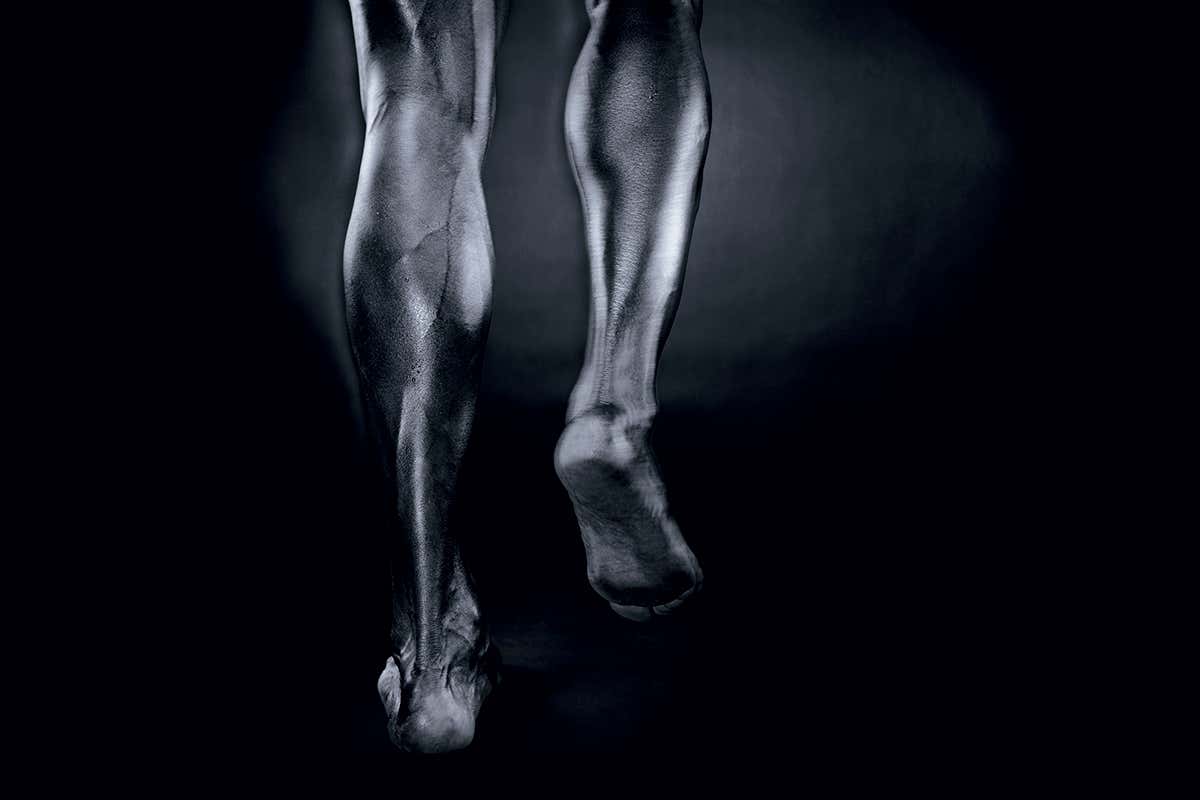
Our ancestors may have run a million years earlier than we thought

13 March 2020

We thought hominins evolved to run around 2 million years ago – but a study of the famous Lucy's species, Australopithecus afarensis, suggests she could run too


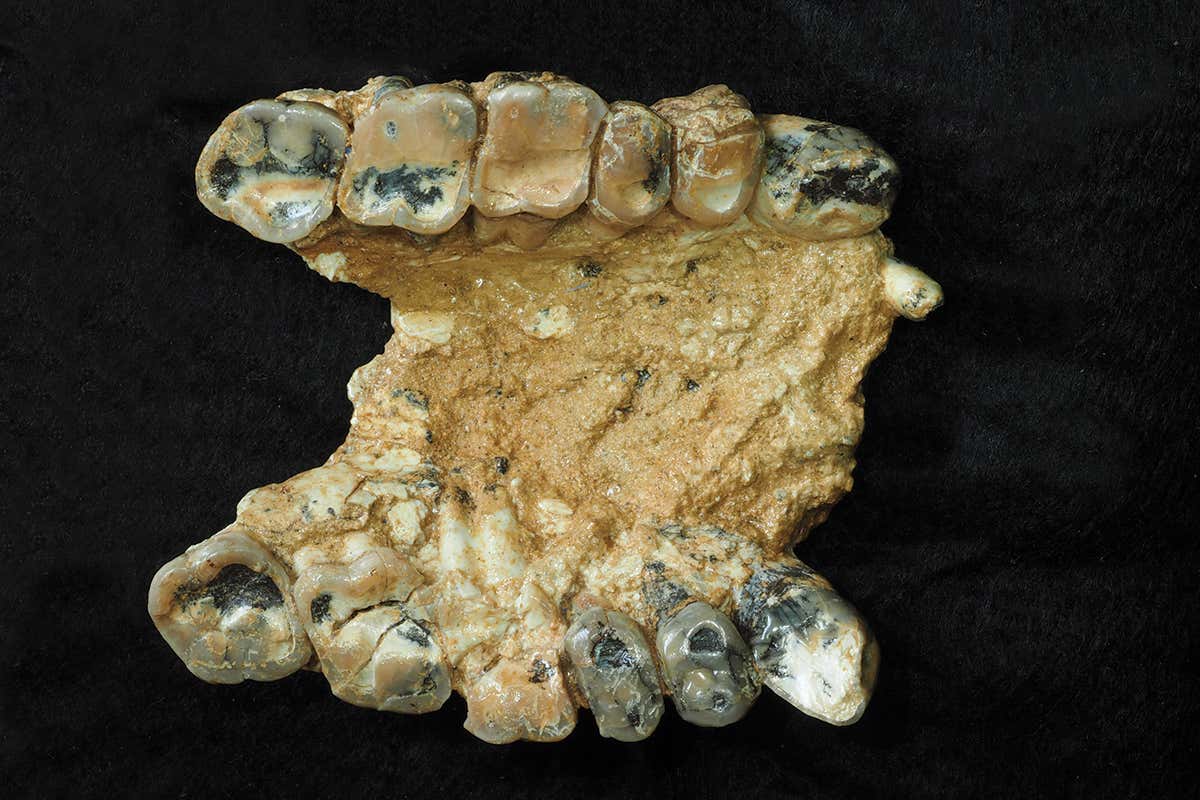
Fossil teeth

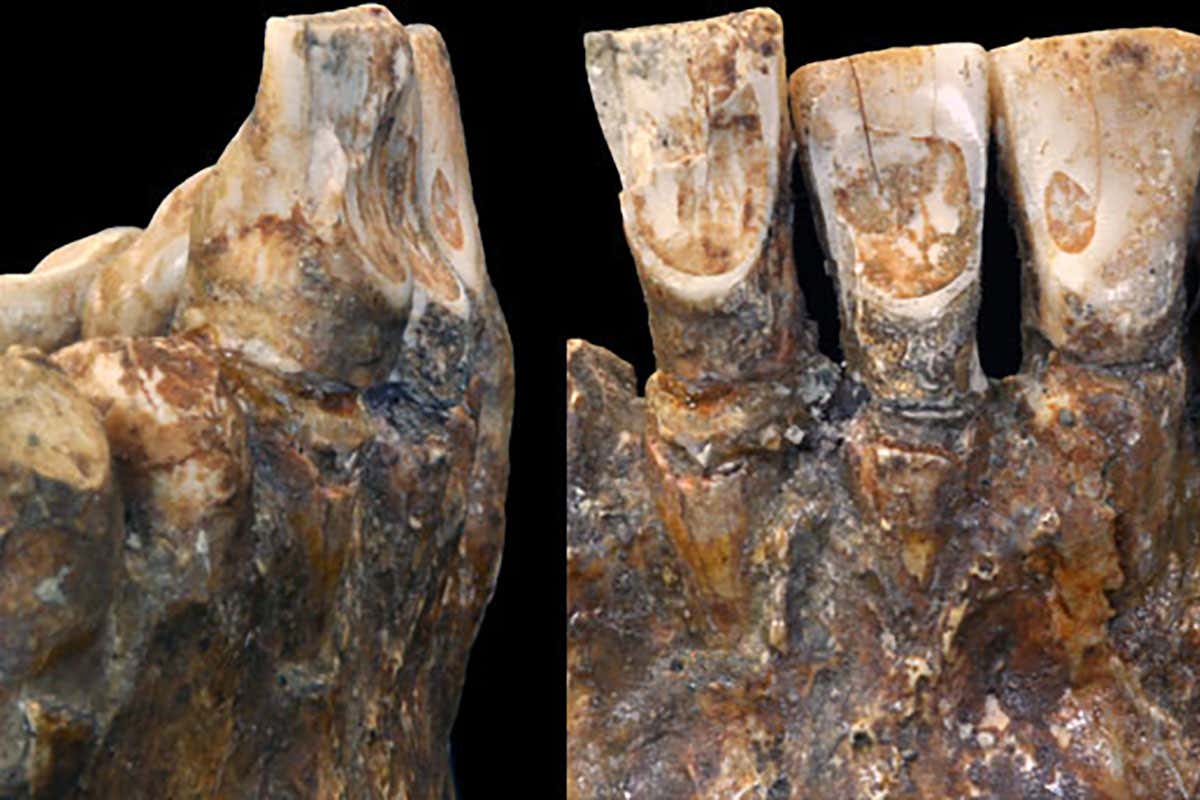
A skull suggests humans have been getting piercings for 12,000 years

27 January 2020

The teeth of a man who lived in prehistoric Africa are worn in a way that suggests he had three facial piercings, the second oldest such find in the world


Did apes first walk upright on two legs in Europe, not Africa?

6 November 2019

An extinct ape that lived in Germany 11.6 million years ago may have been bipedal – even though walking upright is the hallmark of more human-like species


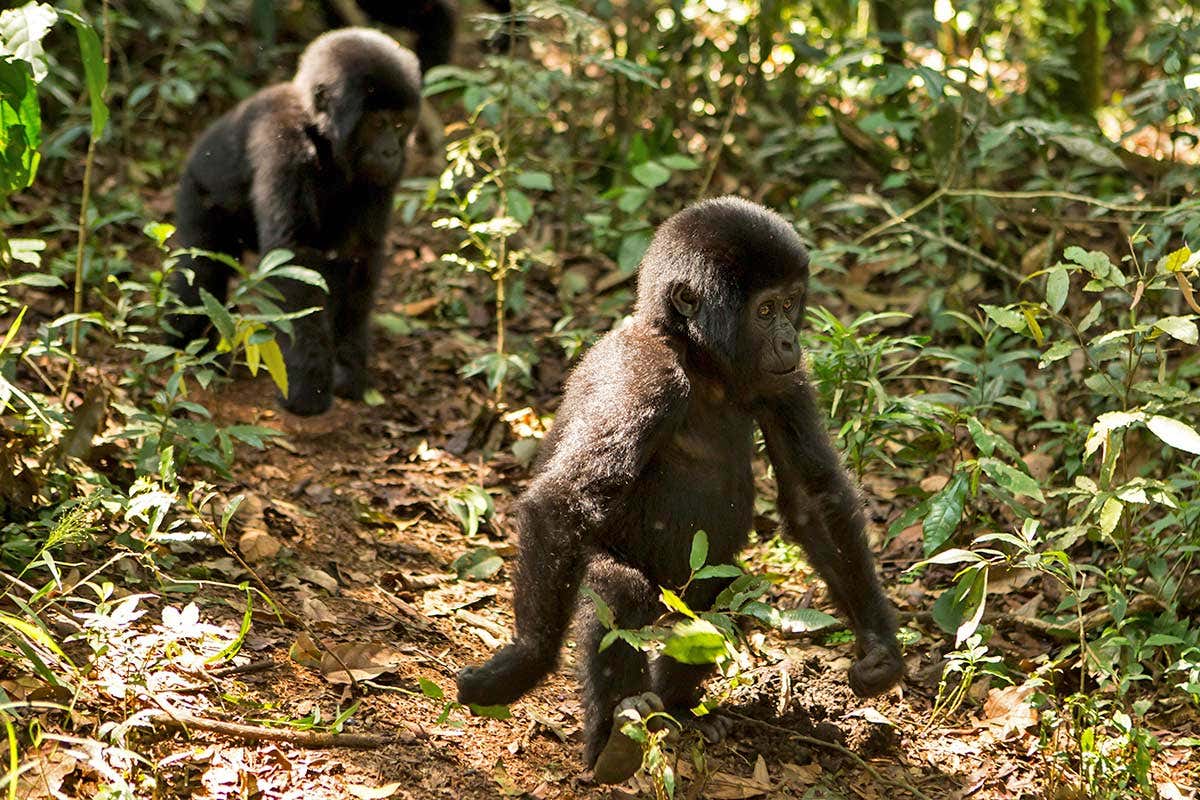
Baby apes

Mystery of why humans walk upright may be explained by surprise fossil

20 September 2019

We thought that walking on all fours like a gorilla is more primitive than walking on two legs as humans do. But new fossils suggest even very ancient apes walked upright


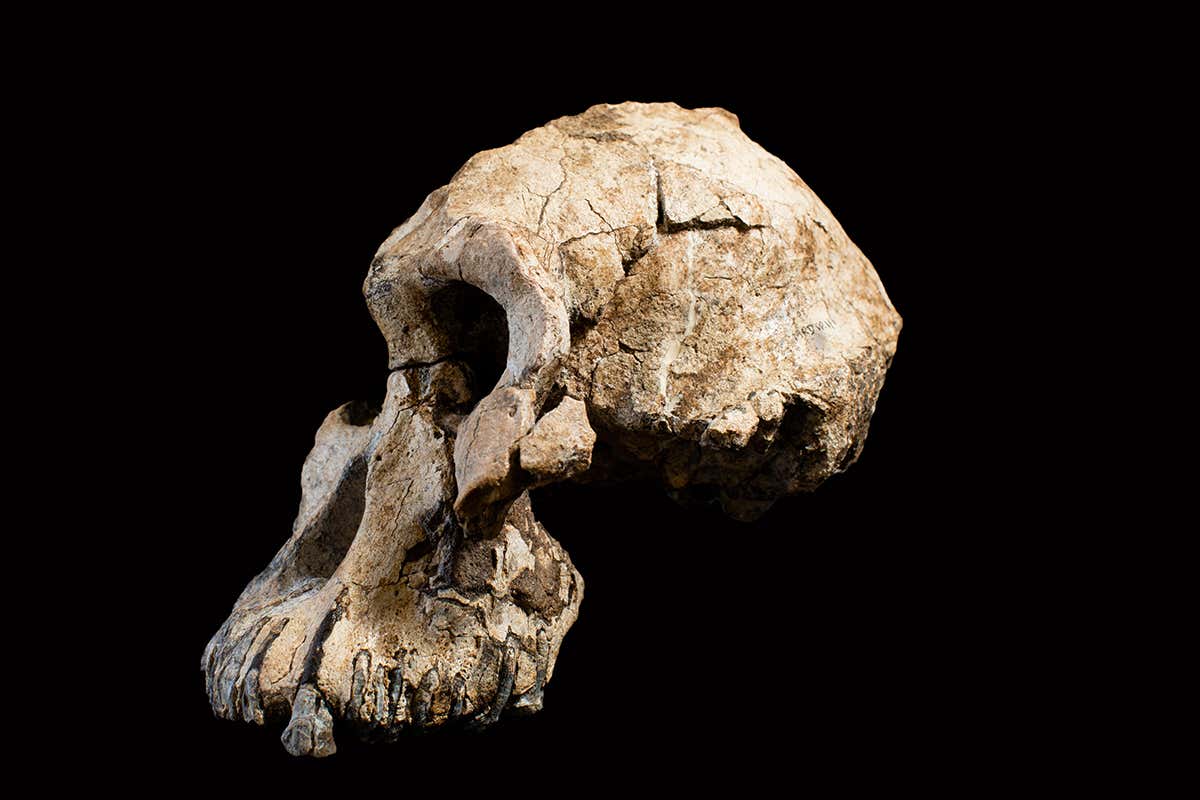
The cranium was discovered in Ethiopia

We've finally found a skull from one of our most important ancestors

28 August 2019

A skull found in Ethiopia has been identified as belonging to Australopithecus anamensis, which lived 4 million years ago and may be one of our direct ancestors


hominin jaw

Did the ancestor of all humans evolve in Europe not Africa?

16 April 2019

A study of some 8-million-year-old teeth found in Greece suggests a controversial idea: that hominins arose in Europe and then moved into Africa later


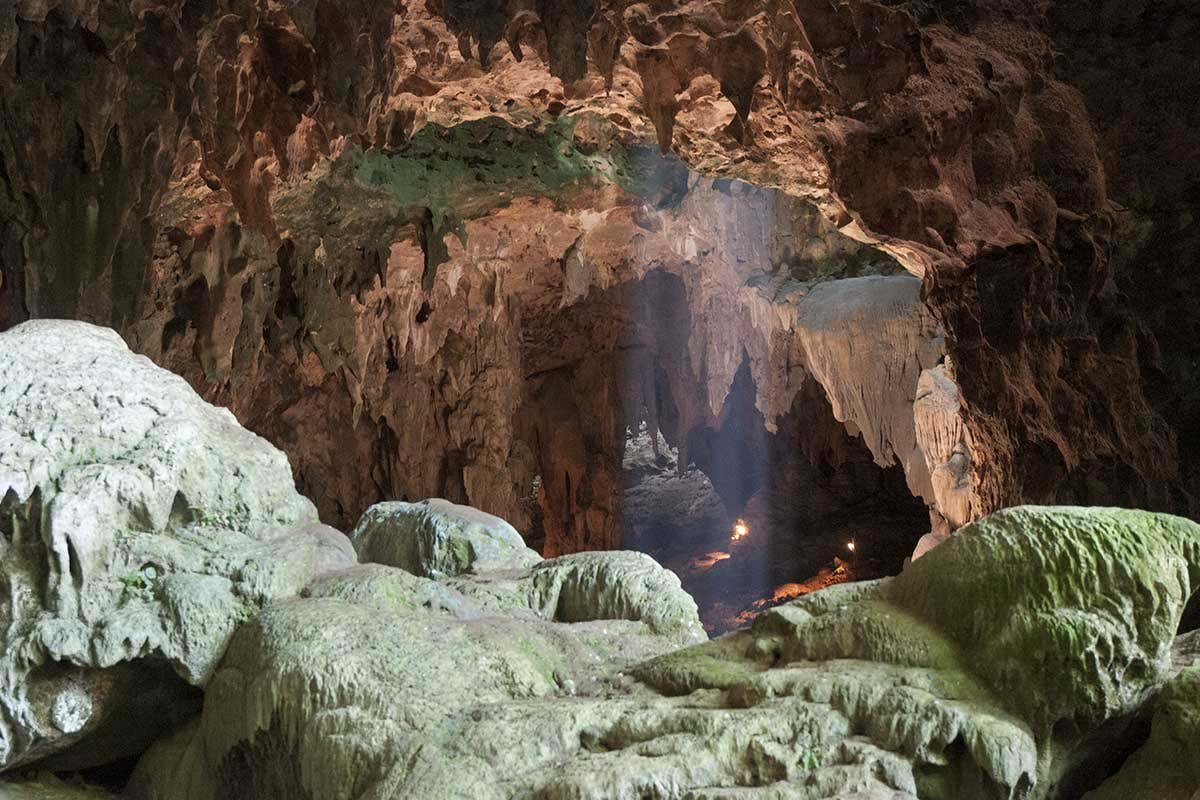
Callao cave

New species of human discovered in a cave in the Philippines

10 April 2019

An analysis of ancient bones has revealed a previously unknown human species named Homo luzonensis that lived in the Philippines 50,000 years ago


Denisovan tooth

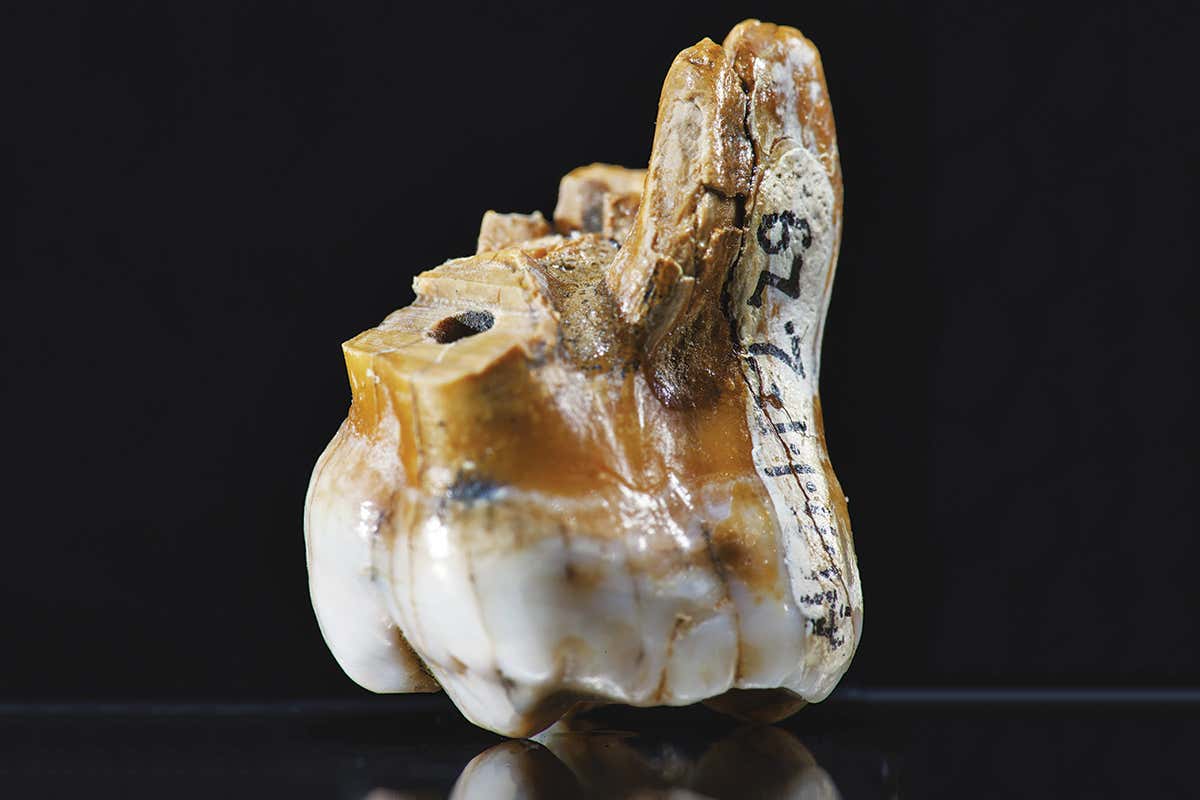
2019 Preview: Teeth will reveal our species’ deep evolutionary past

18 December 2018

We will start to learn what a host of ancient animal and early human remains really are, thanks to new techniques for analysing tiny fragments of fossil remains


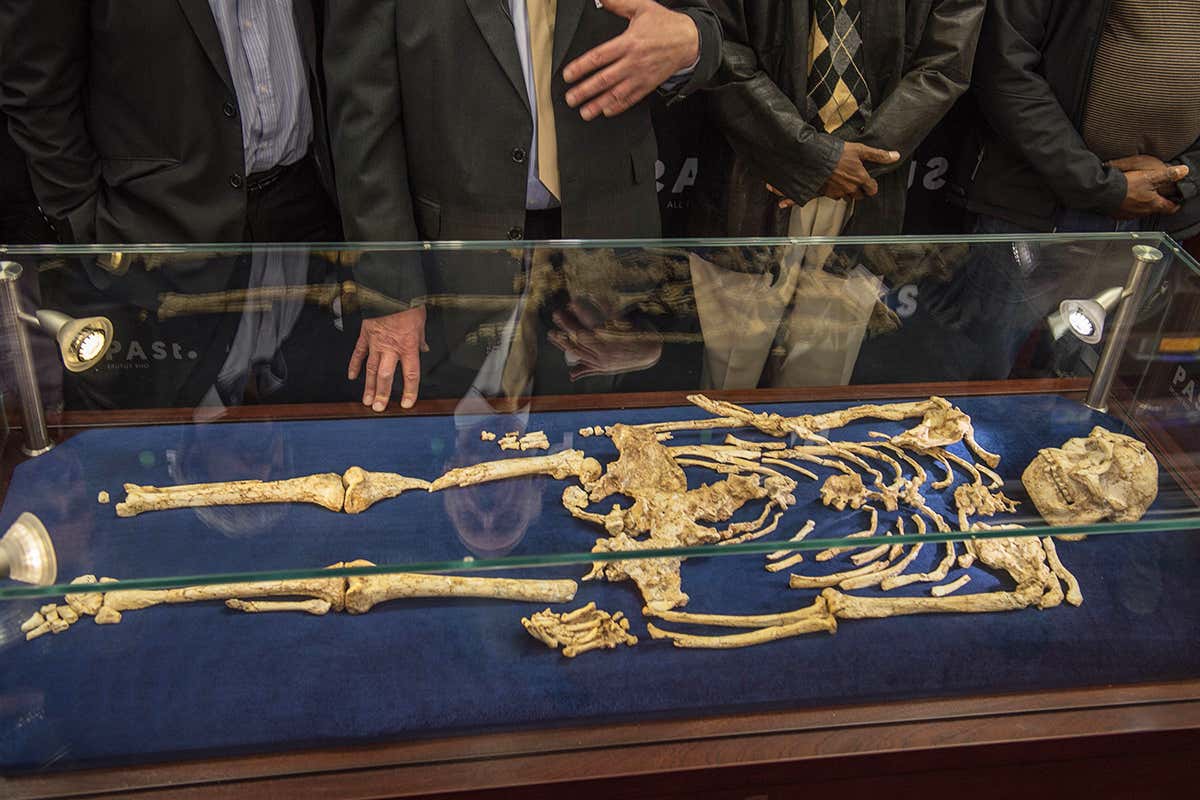
Exclusive: Controversial skeleton may be a new species of early human

6 December 2018

A skeleton found decades ago in South Africa may be a new species of Australopithecus, and could help reveal when our ancestors evolved to walk on two feet


Sign up to our weekly newsletter

Receive a weekly dose of discovery in your inbox. We'll also keep you up to date with New Scientist events and special offers.

Sign up
Piano Exit Overlay Banner Mobile Piano Exit Overlay Banner Desktop