Subscribe now
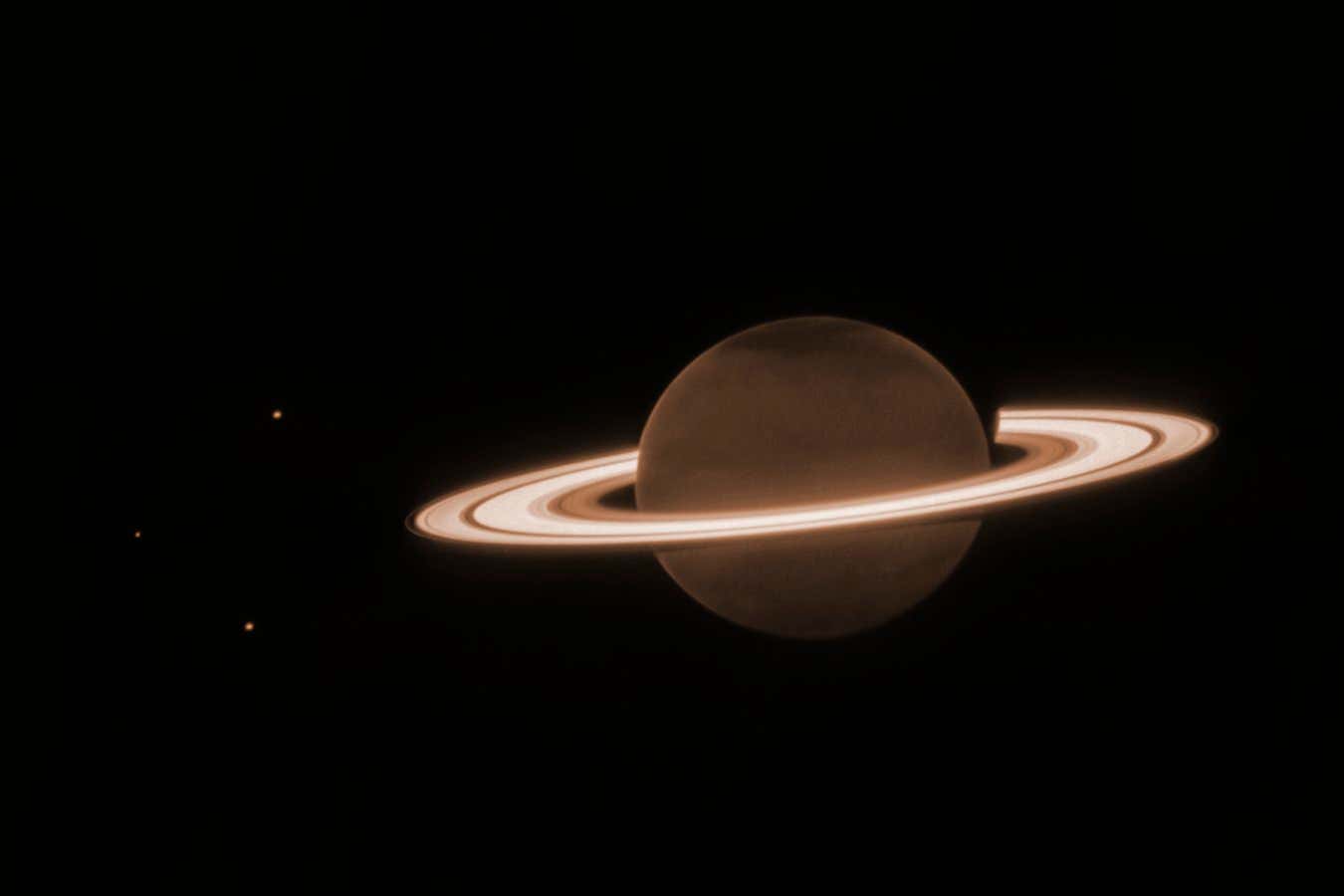
JWST image of Saturn

Stunning JWST image sees Saturn show off its glowing rings

30 June 2023

A strange and unfamiliar view of Saturn has been captured by the James Webb Space Telescope to help researchers identify its smaller objects and structures
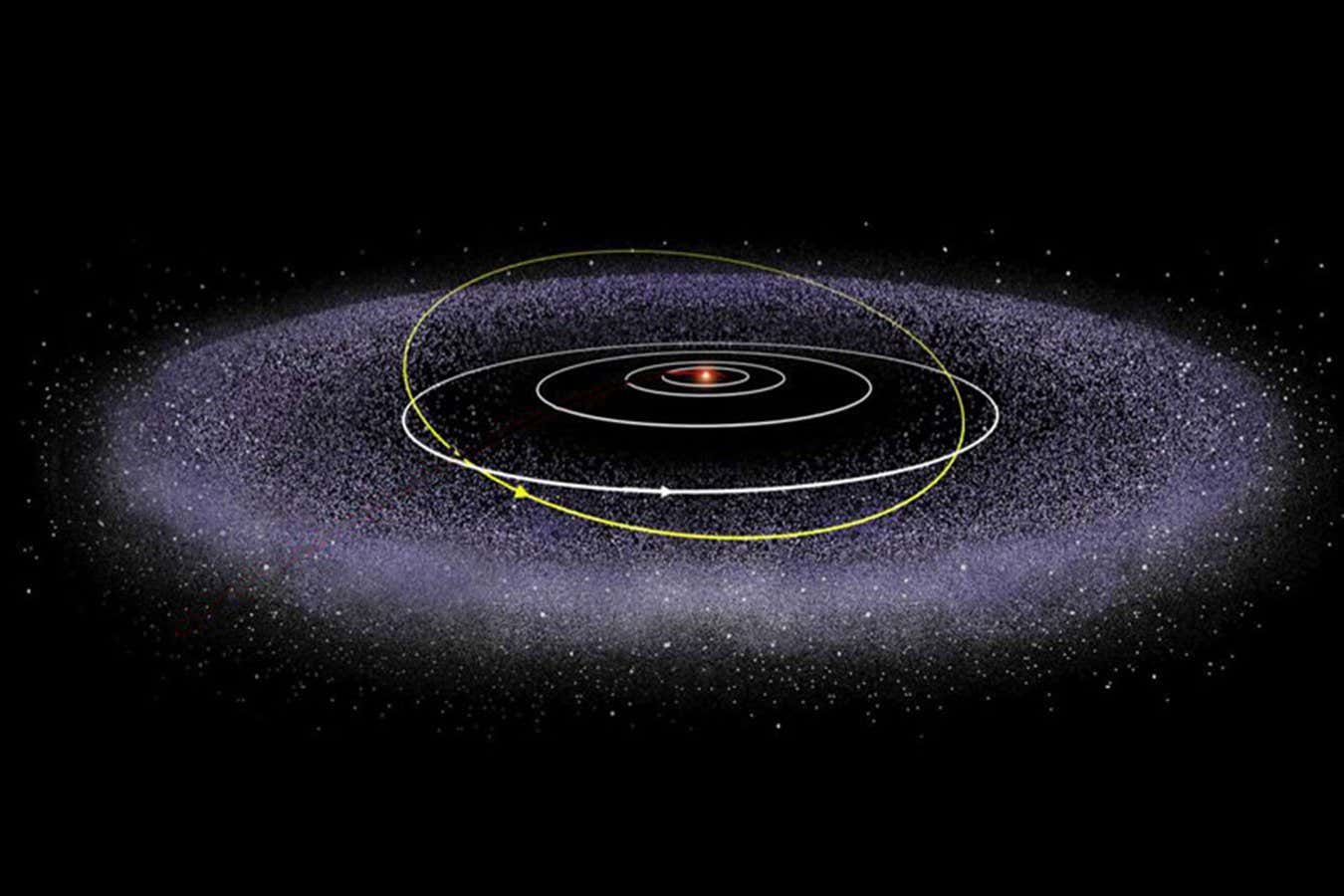

Our solar system could be hiding an extra planet the size of Uranus

27 June 2023

Many planets are thought to be flung away from their stars, but it’s possible that some get trapped on the way out – and one could be lurking at the edge of our own solar system
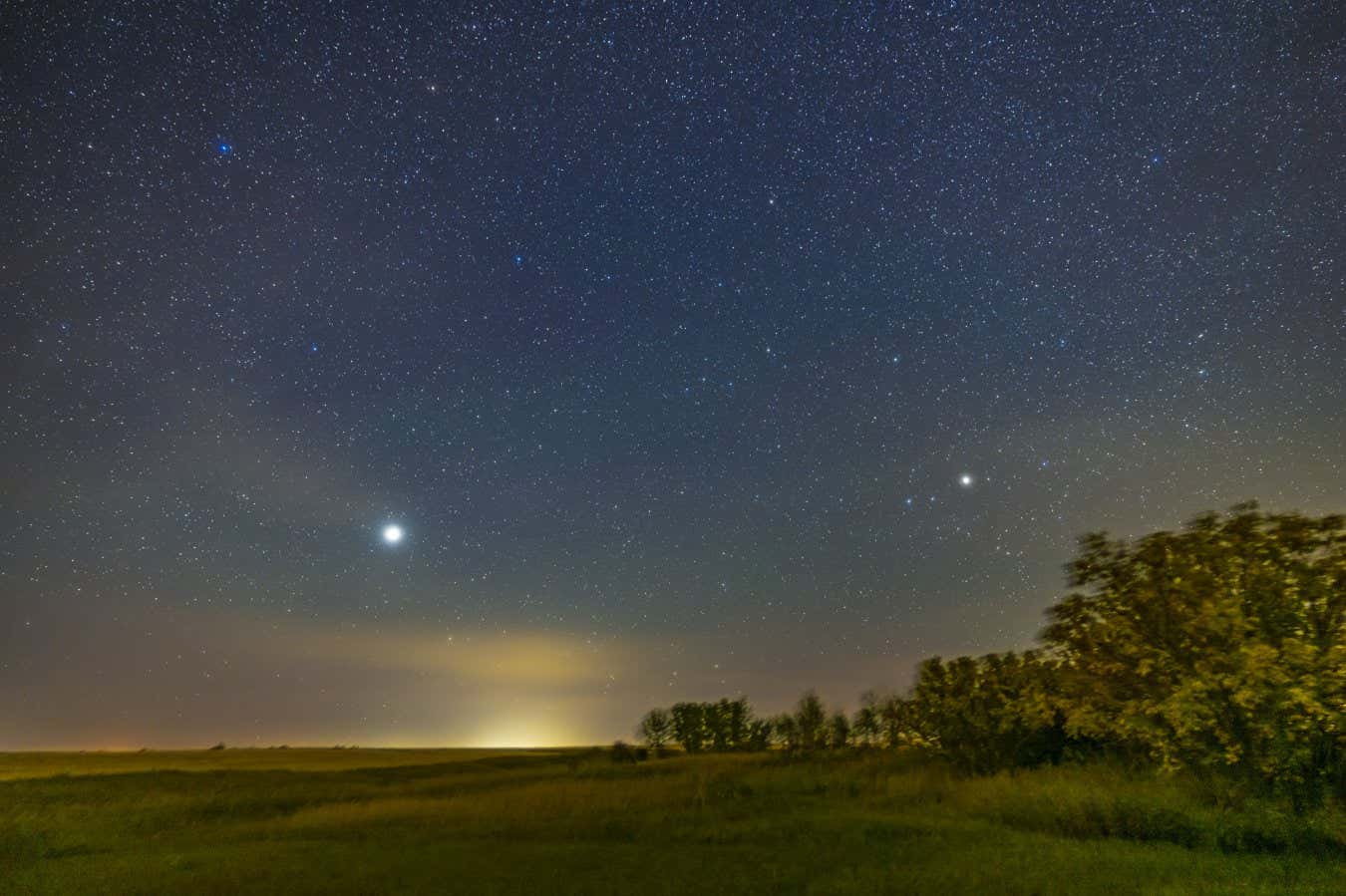

How to see five planets align in the sky this weekend

15 June 2023

In the early morning on 17 June you will be able to see Mercury, Uranus, Jupiter, Neptune and Saturn appear in the sky together – here's how you can spot them, wherever you are in the world

inventory of the universe

Your essential guide to the many breathtaking wonders of the universe

22 April 2023

An abridged inventory of everything there is in the universe – from rogue planets and exomoons to supernovae, supermassive black holes and the cosmic web.
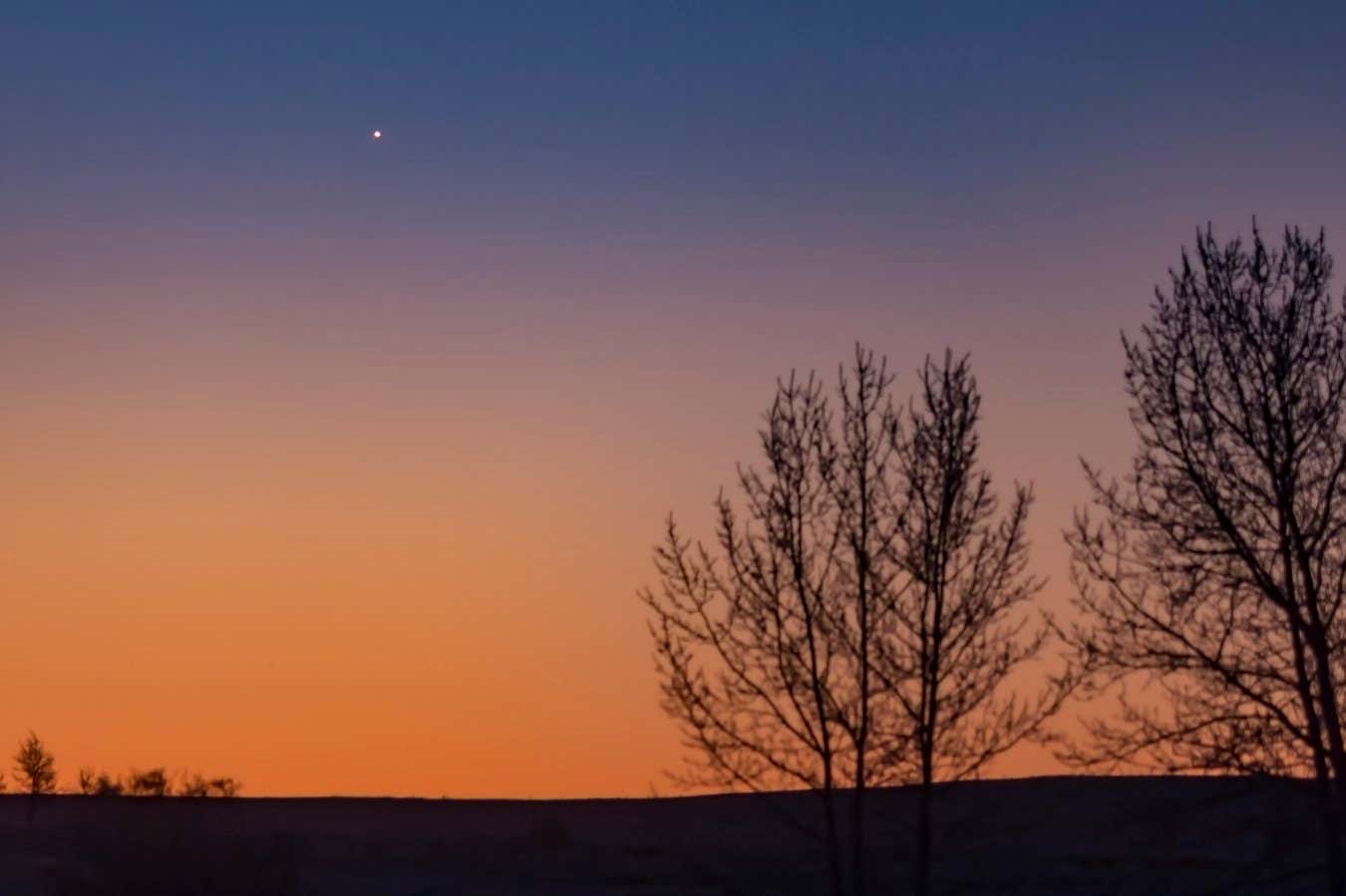

Tonight is your best chance to see Mercury in the night sky

11 April 2023

As the smallest planet in the solar system, and the closest to the sun, Mercury is hard to spot - but 11 April offers potentially good viewing
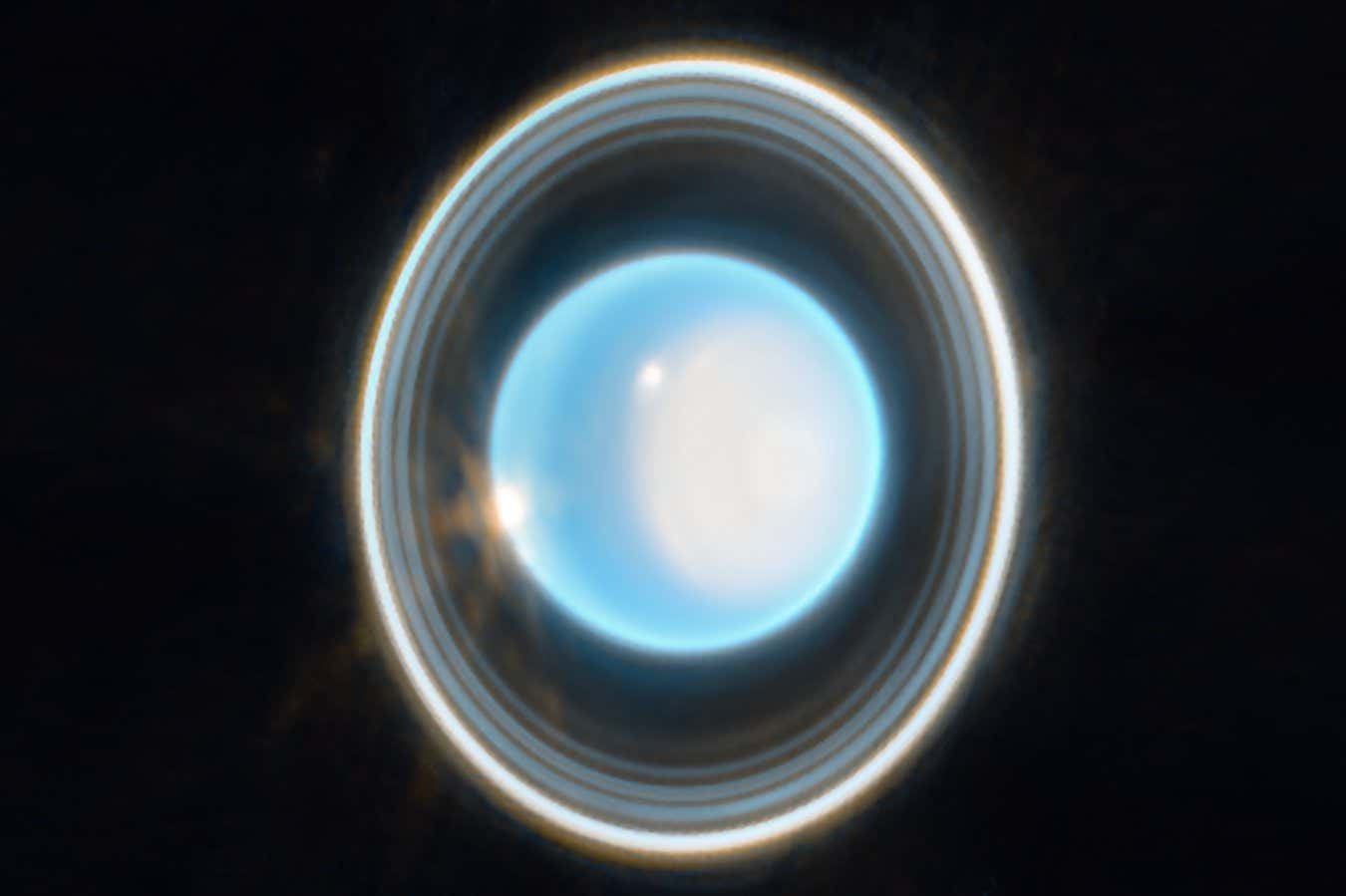

Breathtaking JWST image of Uranus shows rings, clouds and a polar cap

6 April 2023

We only have a few images of the rings around Uranus, but now the James Webb Space Telescope has captured a startling view
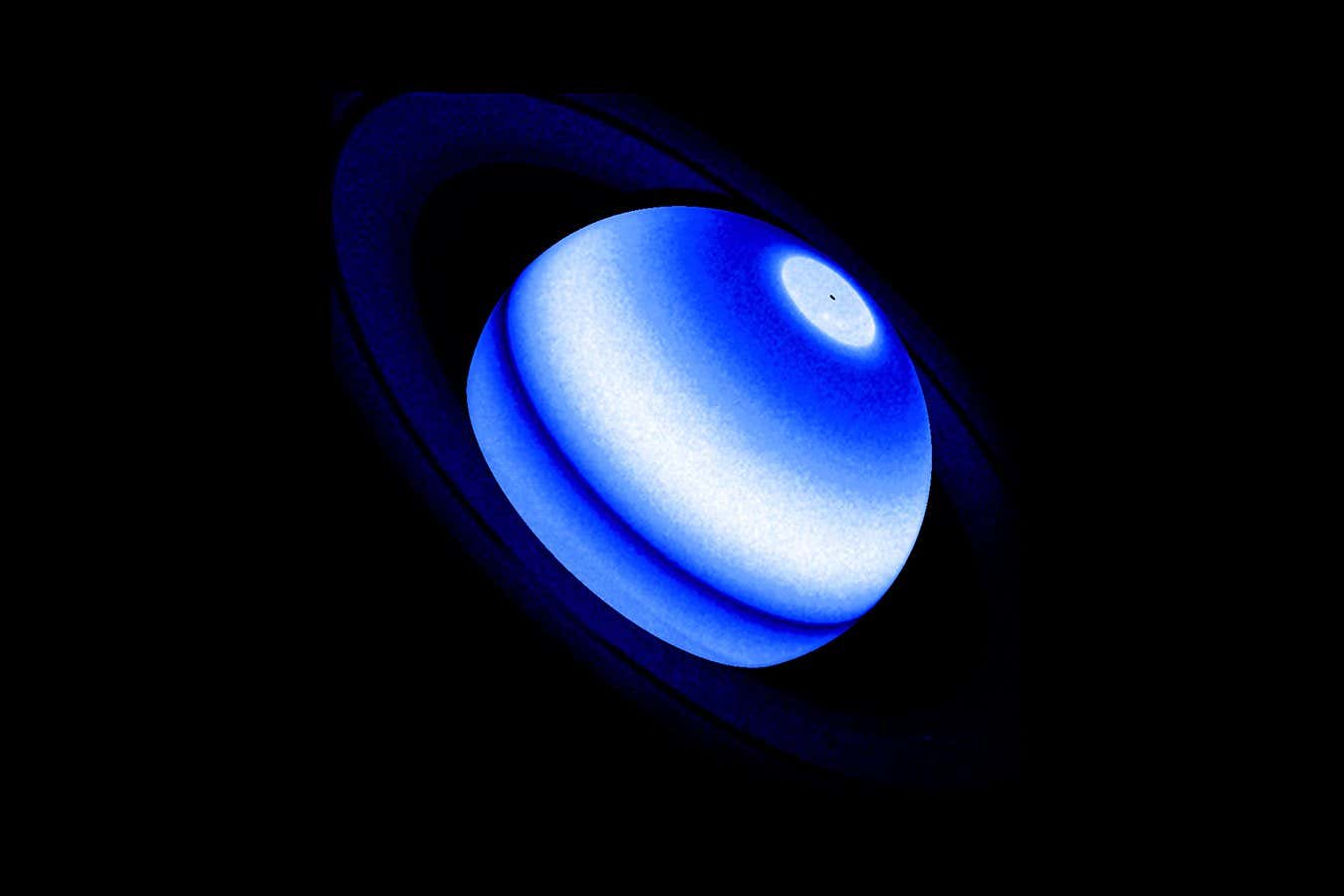

Bits of Saturn’s rings are falling onto the planet and heating it up

30 March 2023

Observations from five spacecraft over 40 years have shown that as Saturn’s rings slowly disintegrate, the particles fall into the planet’s atmosphere and heat it
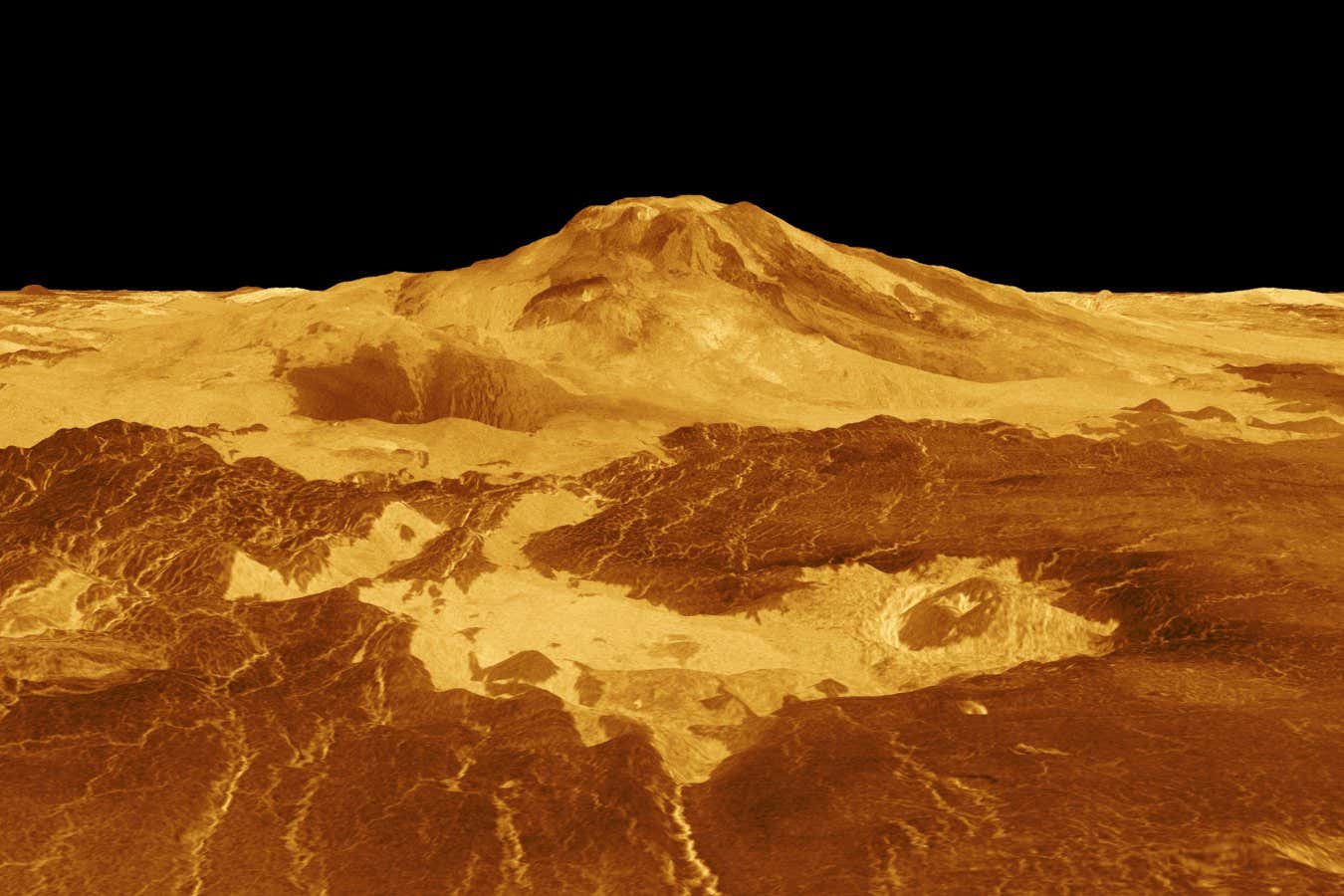

Venus - 3D Perspective View of Maat Mons Photojournal: PIA00106 Source: NASA/JPL Published: May 10, 2004 Maat Mons is displayed in this computer generated three-dimensional perspective of the surface of Venus. The viewpoint is located 634 kilometers (393 miles) north of Maat Mons at an elevation of 3 kilometers (2 miles) above the terrain. Lava flows extend for hundreds of kilometers across the fractured plains shown in the foreground, to the base of Maat Mons. The view is to the south with the volcano Maat Mons appearing at the center of the image on the horizon and rising to almost 5 kilometers (3 miles) above the surrounding terrain. Maat Mons is located at approximately 0.9 degrees north latitude, 194.5 degrees east longitude with a peak that ascends to 8 kilometers (5 miles) above the mean surface. Maat Mons is named for an Egyptian Goddess of truth and justice. Magellan synthetic aperture radar data is combined with radar altimetry to develop a three-dimensional map of the surface. The vertical scale in this perspective has been exaggerated 10 times. Rays cast in a computer intersect the surface to crate a three-dimensional perspective view. Simulated color and a digital elevation map developed by the U.S. Geological Survey are used to enhance small-scale structure. The simulated hues are based on color images recorded by the Soviet Venera 13 and 14 spacecraft. The image was produced by the Solar System Visualization project and the Magellan Science team at the JPL Multimission Image Processing Laboratory and is a single frame from a video released at the April 22, 1992 news conference.

Vent on Venus is clearest sign yet the planet is volcanically active

15 March 2023

After painstakingly combing through radar images collected by NASA’s Magellan probe in the 1990s, researchers have found a vent that grew larger – evidence of current volcanic activity
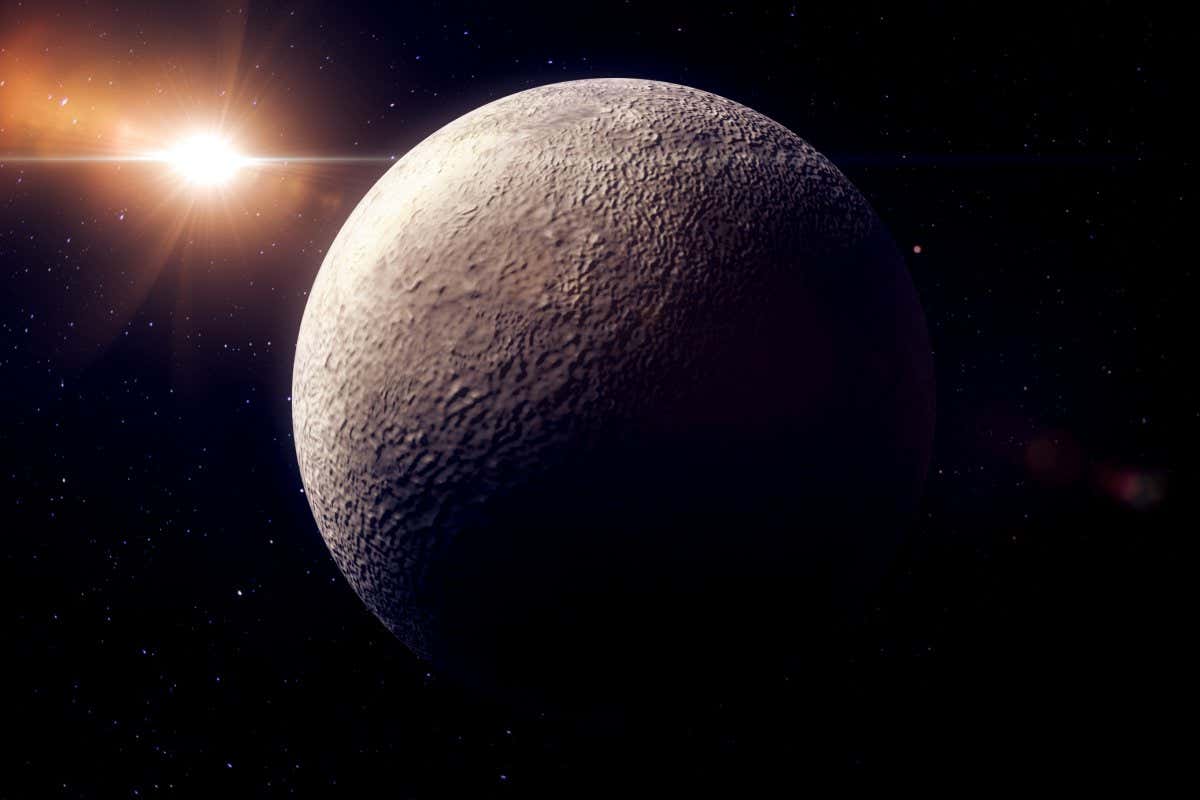

Visualisation of the dwarf planet Quaoar

Dwarf planet Quaoar has a weirdly big ring of debris encircling it

8 February 2023

Quaoar, a dwarf planet in our solar system, has a ring of debris orbiting it that is far further out than we thought the laws of physics allow
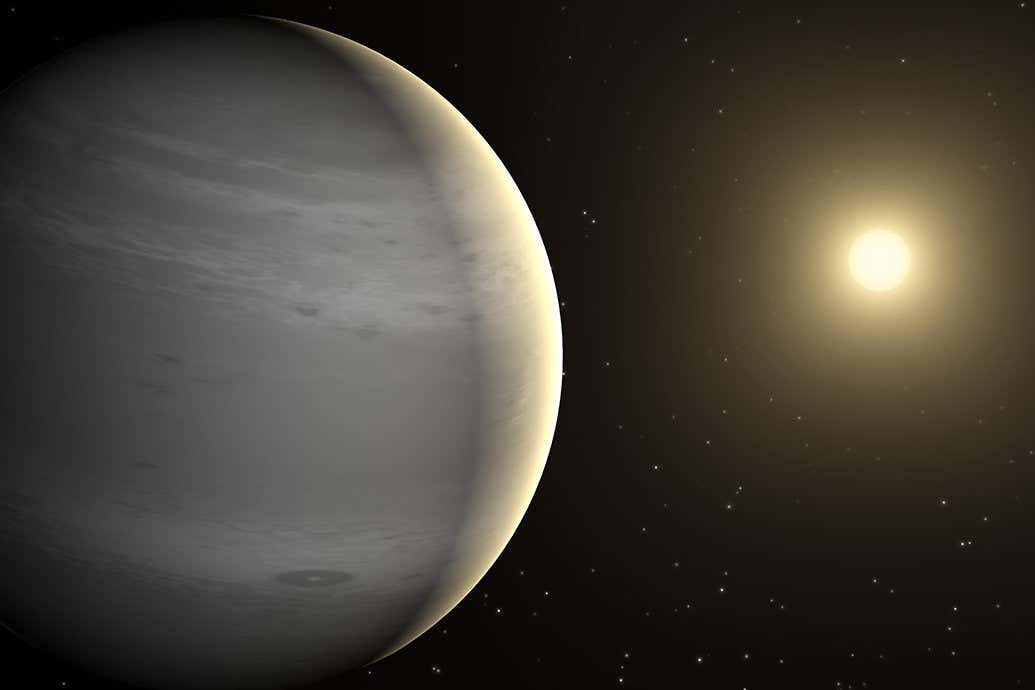

The planet 8 Ursae Minoris b

‘Forbidden’ planet somehow escaped consumption by its dying host star

26 January 2023

The planet 8 Ursae Minoris b should have been destroyed when its star became a red giant, but it continues to orbit strangely close to it


Sign up to our weekly newsletter

Receive a weekly dose of discovery in your inbox. We'll also keep you up to date with New Scientist events and special offers.

Sign up
Piano Exit Overlay Banner Mobile Piano Exit Overlay Banner Desktop