
Why we probably won't get new covid-19 vaccines in 2023
28 December 2022
Any new covid-19 vaccine must be better than the ones we already have, setting a high bar for approval that is not expected to be met in 2023
28 December 2022
Any new covid-19 vaccine must be better than the ones we already have, setting a high bar for approval that is not expected to be met in 2023
28 December 2022
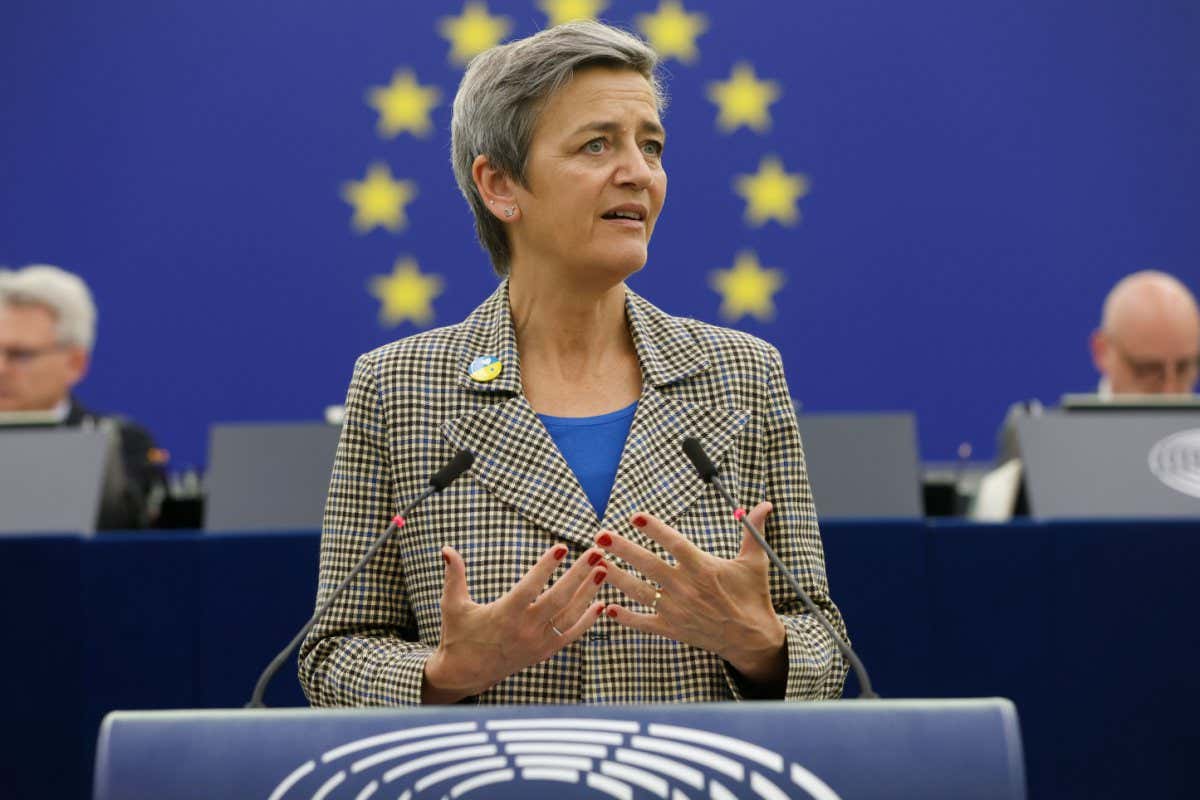
The European Union is set to create the world's first broad standards for regulating or banning certain uses of artificial intelligence in 2023

28 December 2022
New political leaders in Brazil and Colombia have promised to protect the rainforest, raising hopes of saving the ecosystem from becoming savannah
28 December 2022
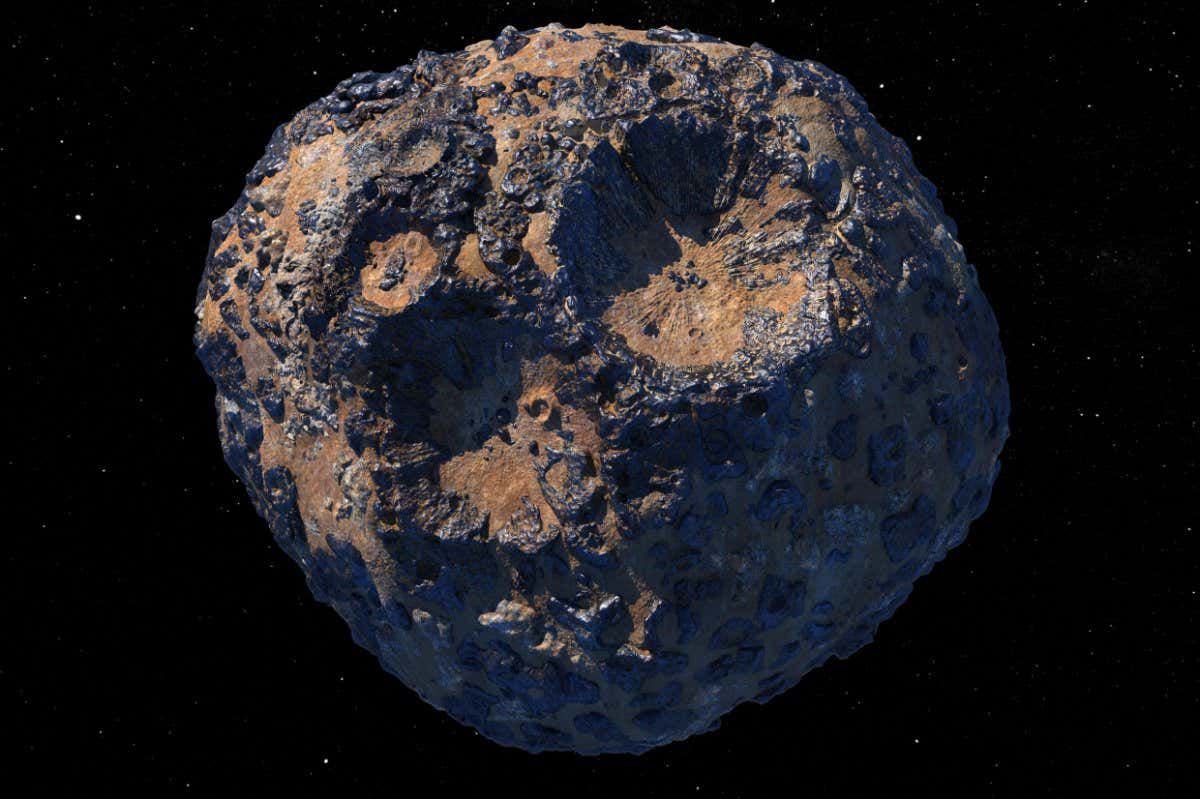
The JUICE and Psyche mission are set to blast off in 2023, with the aim of studying Jupiter's largest moons and a possible iron core of a planet in the hopes of understanding how worlds become habitable

22 December 2022
What are you looking forward to reading about in 2023? Whether it is health, physics, technology or environment news, New Scientist will have you covered
29 December 2021
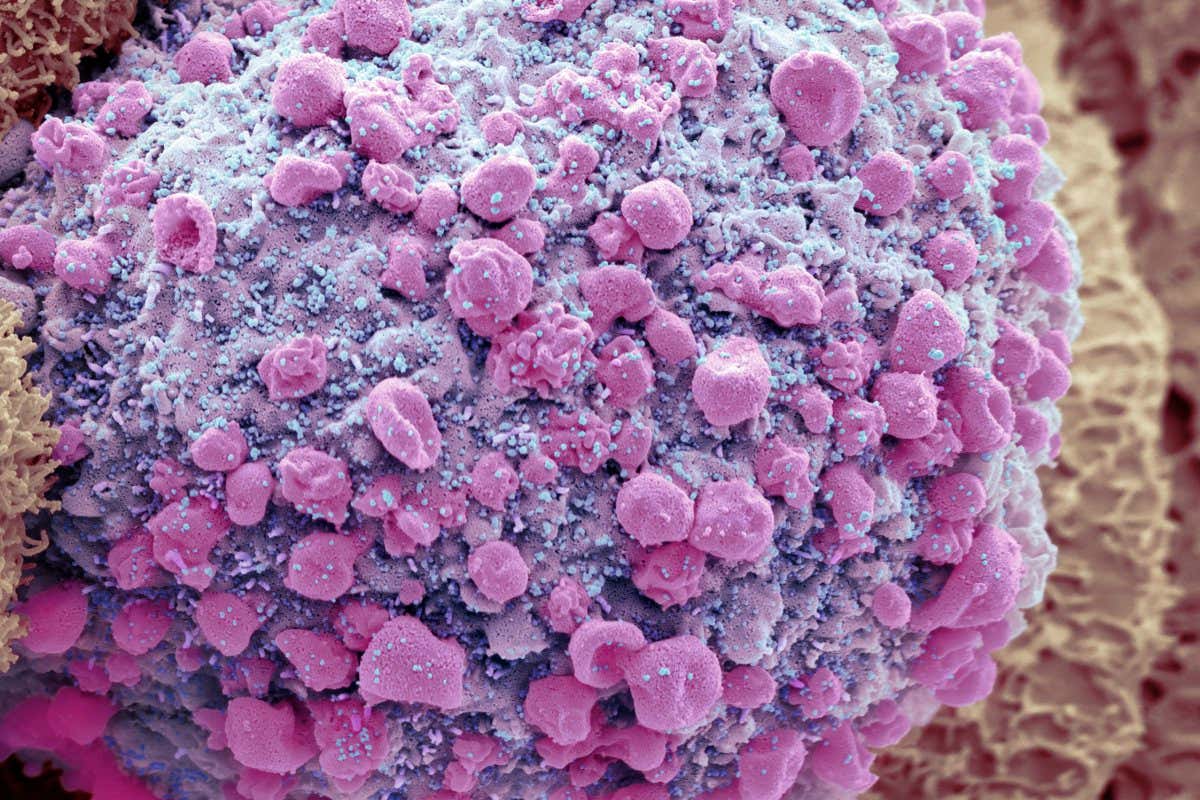
The coronavirus will continue to evolve and could trigger further waves of infections, requiring more vaccinations and boosters
29 December 2021
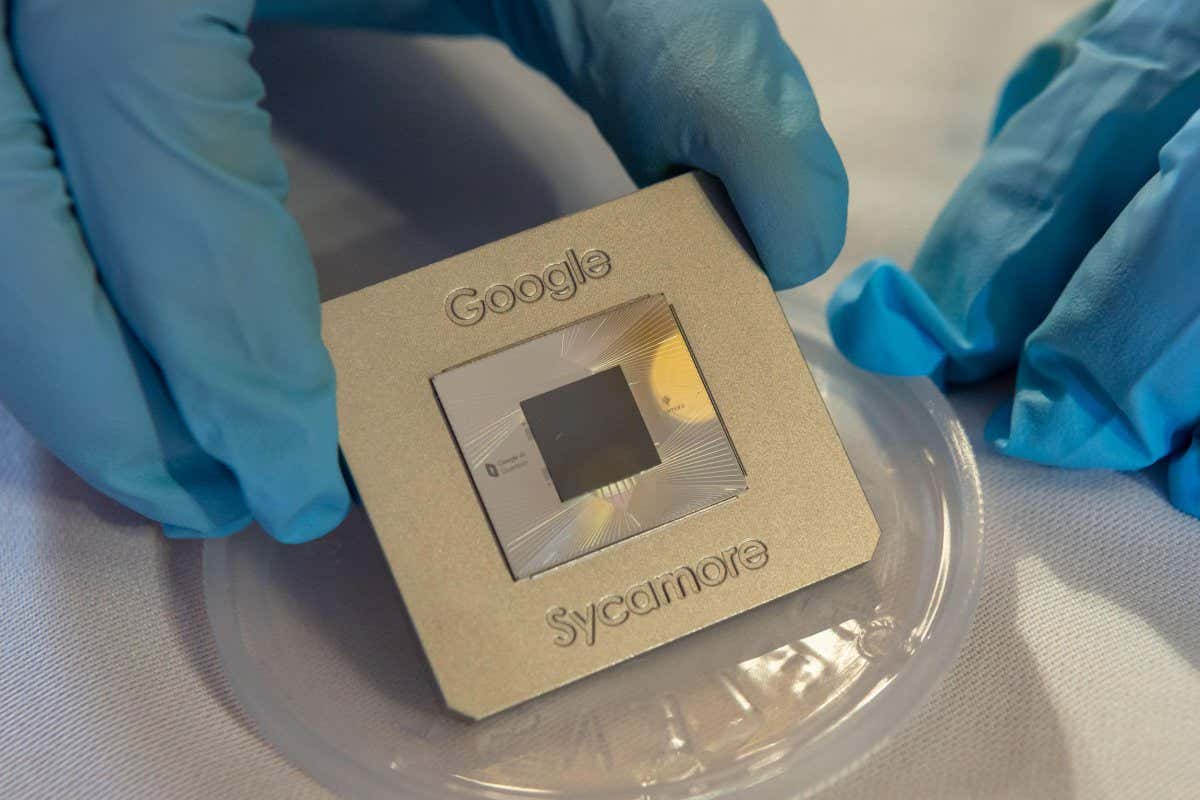
"Google and other research teams have proved that quantum computers can operate faster than a regu-lar machine, but in 2022 we might actually see them tackle useful problems

29 December 2021
In 2021, the US approved the first drug designed to treat the cause of Alzheimer's, but the European Union rejected it. Whether the drug can actually treat the chief symptoms of the disease will be a point of contention in 2022
29 December 2021
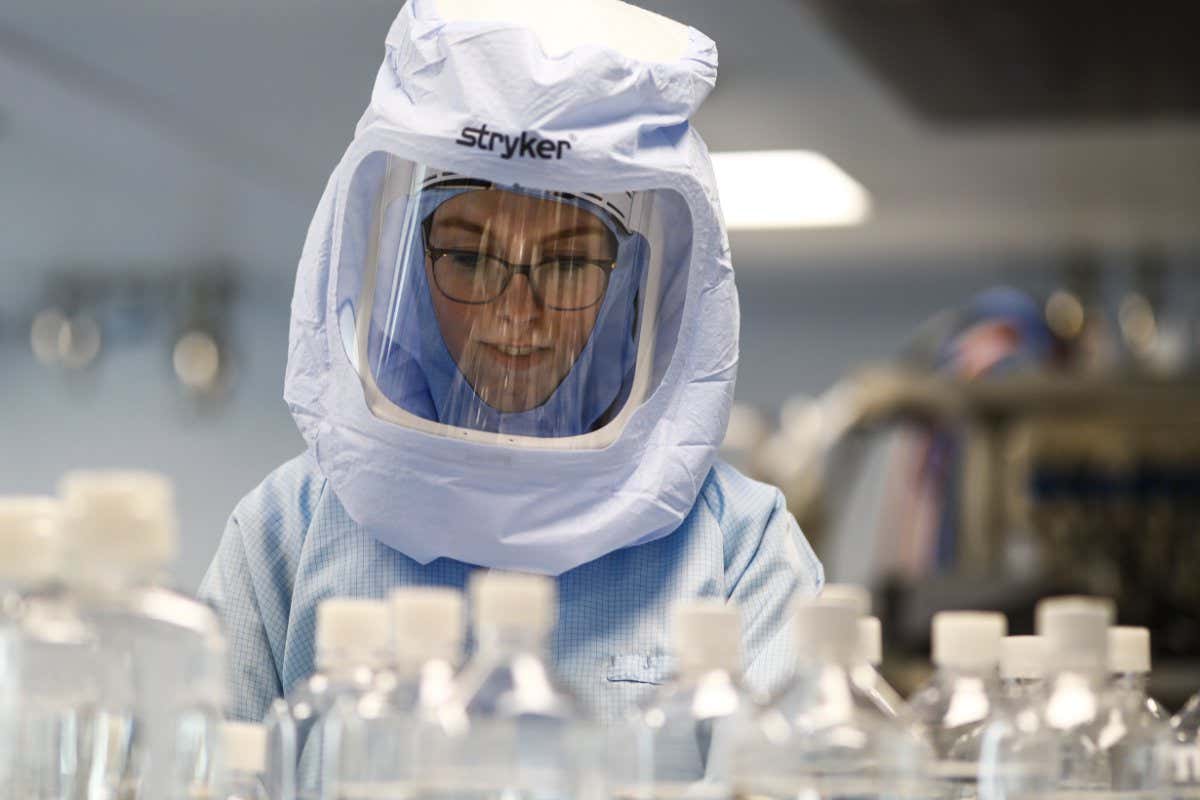
Once seen as experimental, the mRNA tech that has enabled us to quickly develop covid-19 vaccines could also be used to tackle other stubborn diseases
29 December 2021
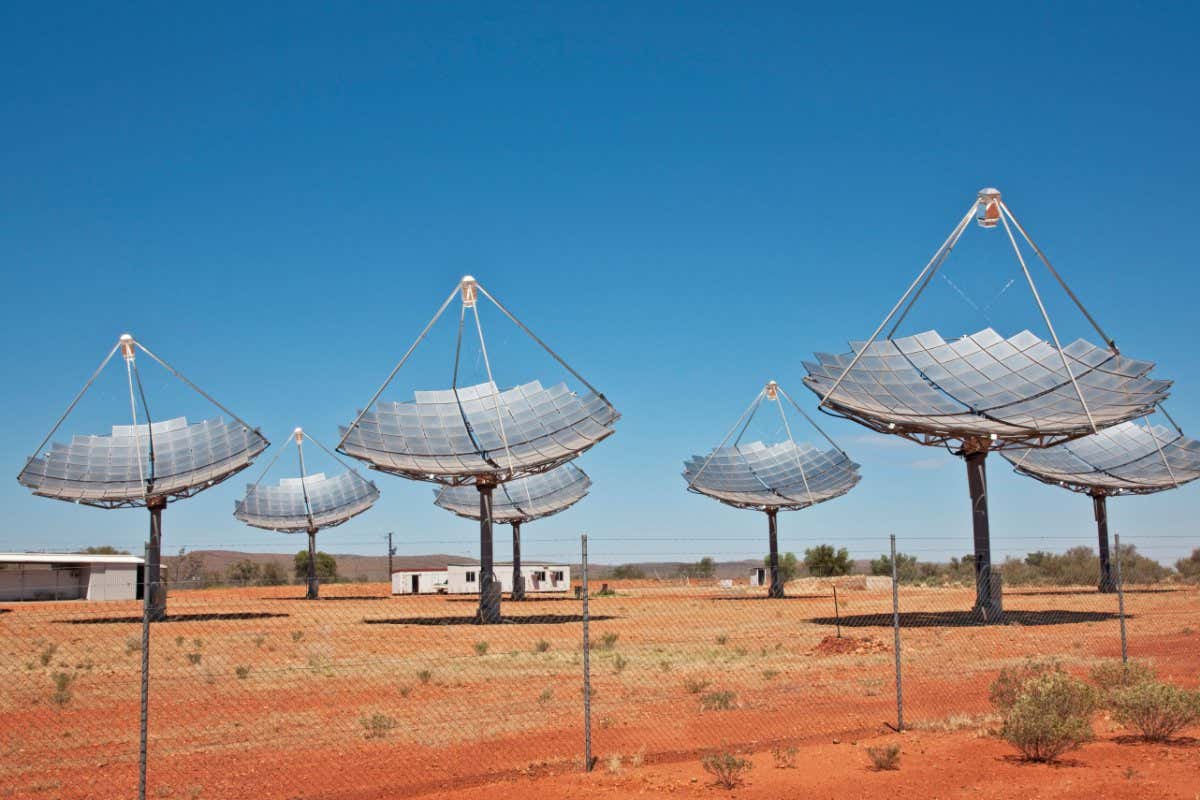
Countries and even entire continents will start joining up their electrical grids in an effort to share renewable power and tackle climate change
