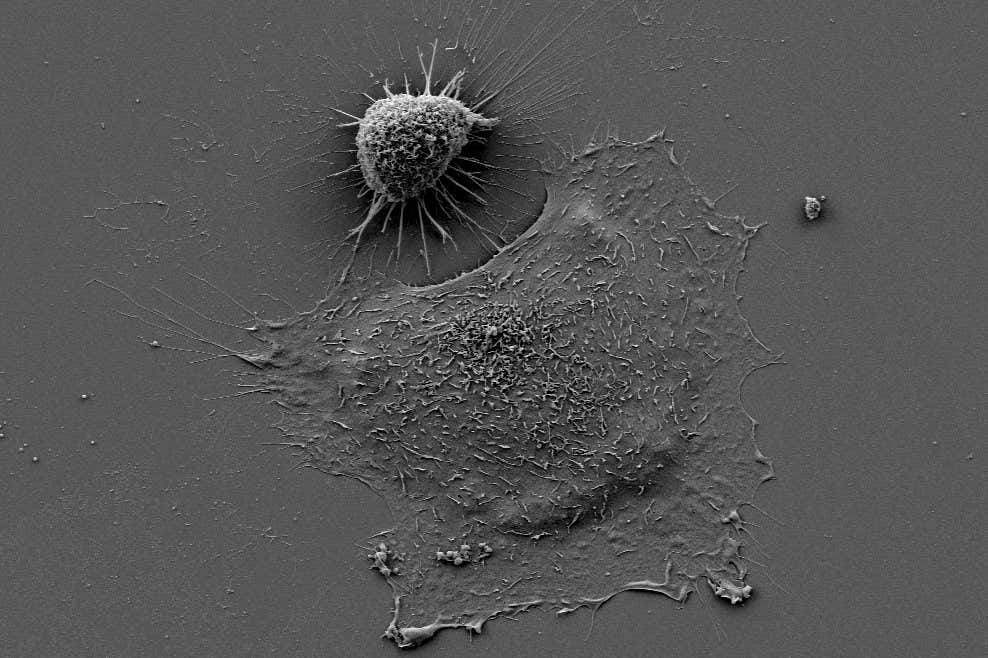
The size of skin cancer cells may affect how they respond to treatment
26 January 2023
Smaller melanoma skin cancer cells may be more vulnerable to drugs that block DNA repair, while larger cells might be more responsive to immunotherapy
26 January 2023
Smaller melanoma skin cancer cells may be more vulnerable to drugs that block DNA repair, while larger cells might be more responsive to immunotherapy
24 January 2023
Research suggests that the risk of dying from any type of cancer is 18 per cent higher among people with type 2 diabetes, compared with the general population
11 January 2023
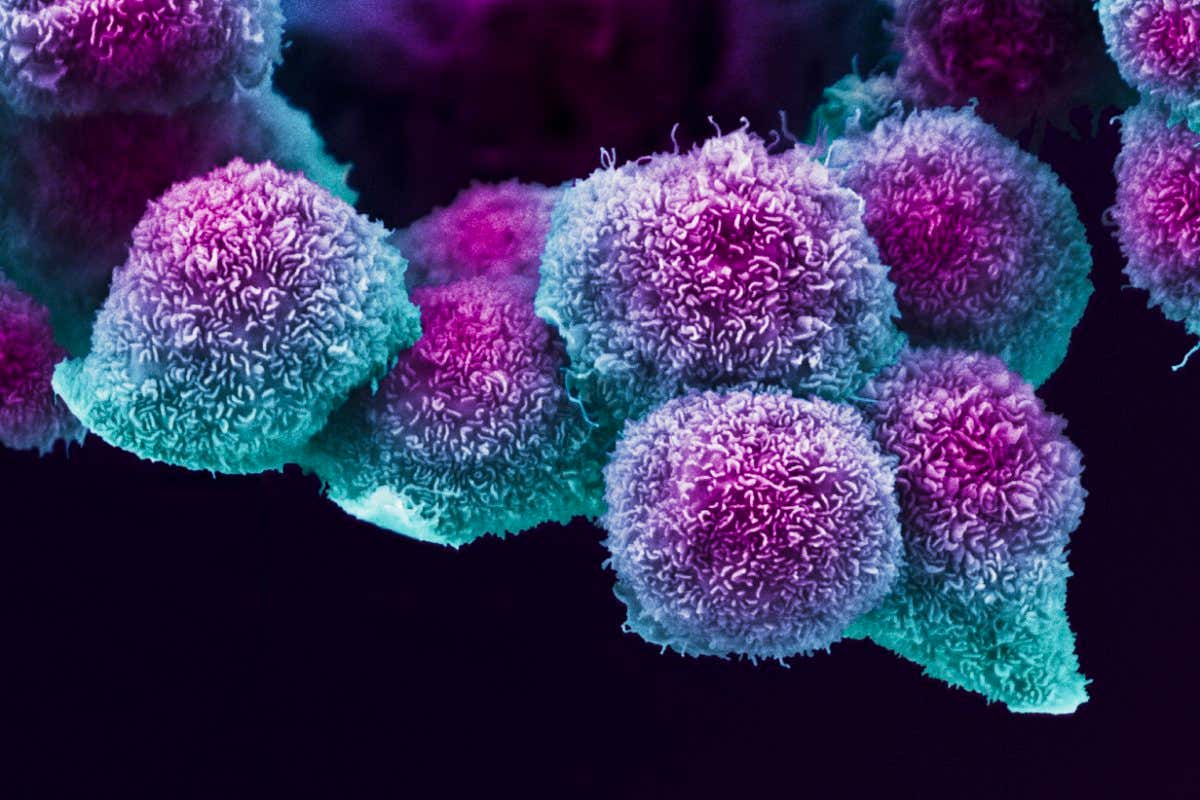
Circadian clock genes in almost all our cells follow regular 24-hour patterns, but can be disrupted by irregular sleep patterns and prolonged light exposure. Now these same disruptions have been found in the cells of cancerous pancreatic tissue
15 December 2022
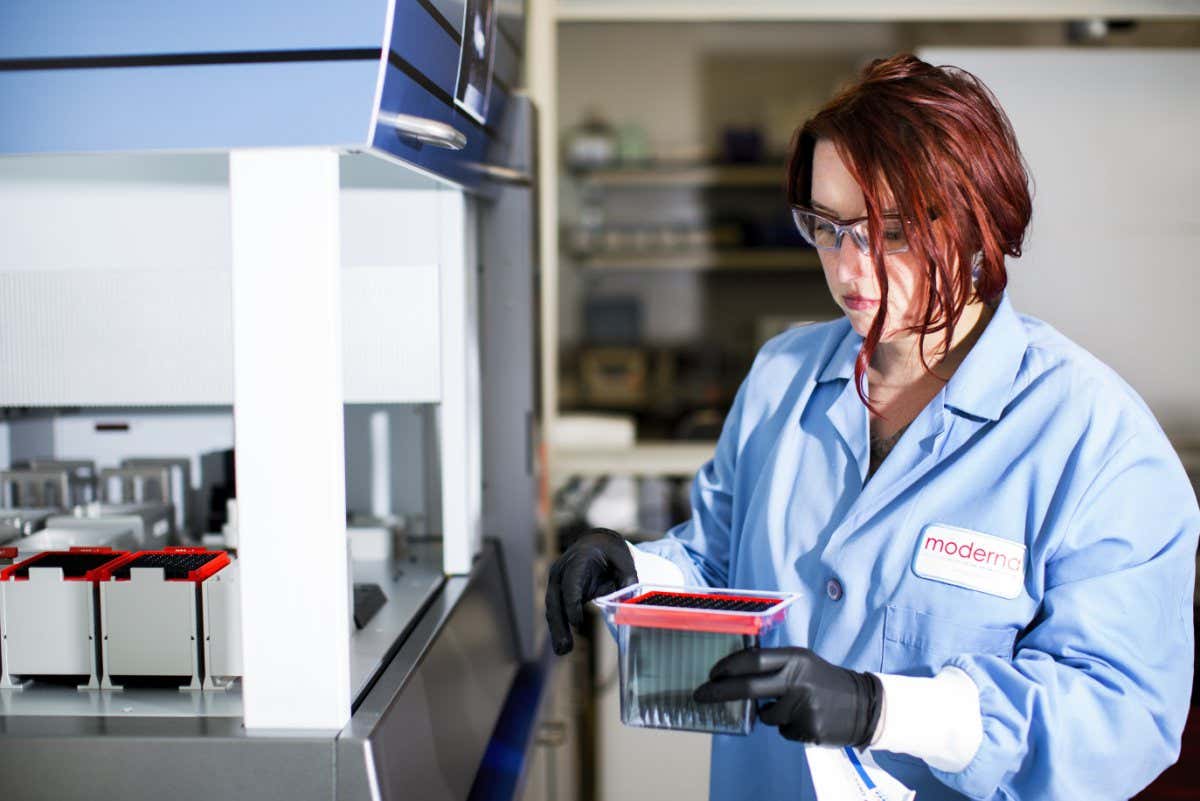
People who received a personalised melanoma skin cancer vaccine on top of a standard treatment were less likely to die over the study period than those who had the standard treatment alone
11 December 2022
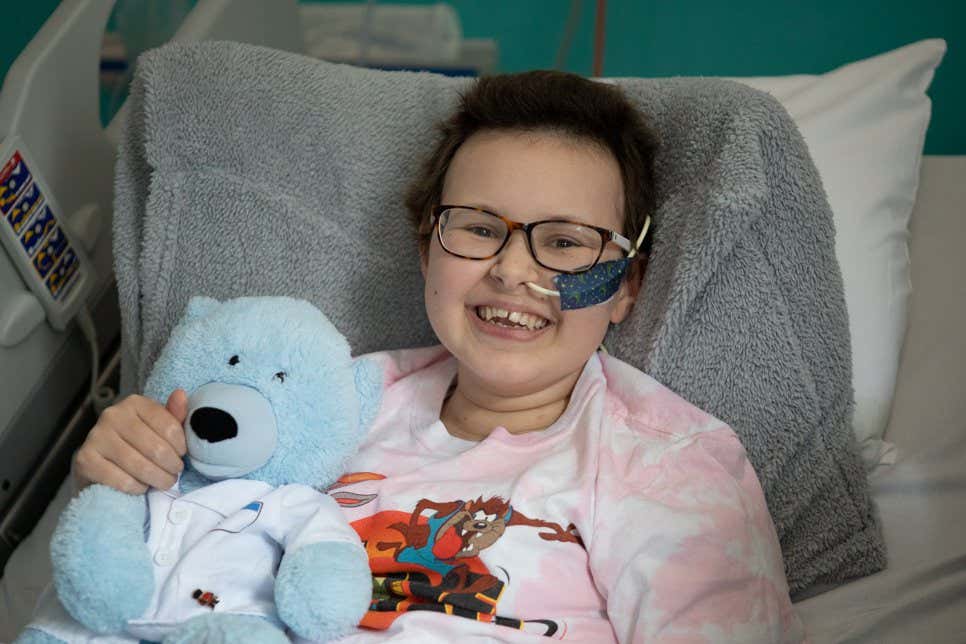
A 13-year-old girl whose leukaemia had not responded to other treatments now has no detectable cancer cells after receiving a dose of immune cells that were genetically edited to attack the cancer

29 September 2022
A study of genetic test results used to guide cancer treatment found that Black people had their tumours misclassified twice as often as white people
15 September 2022
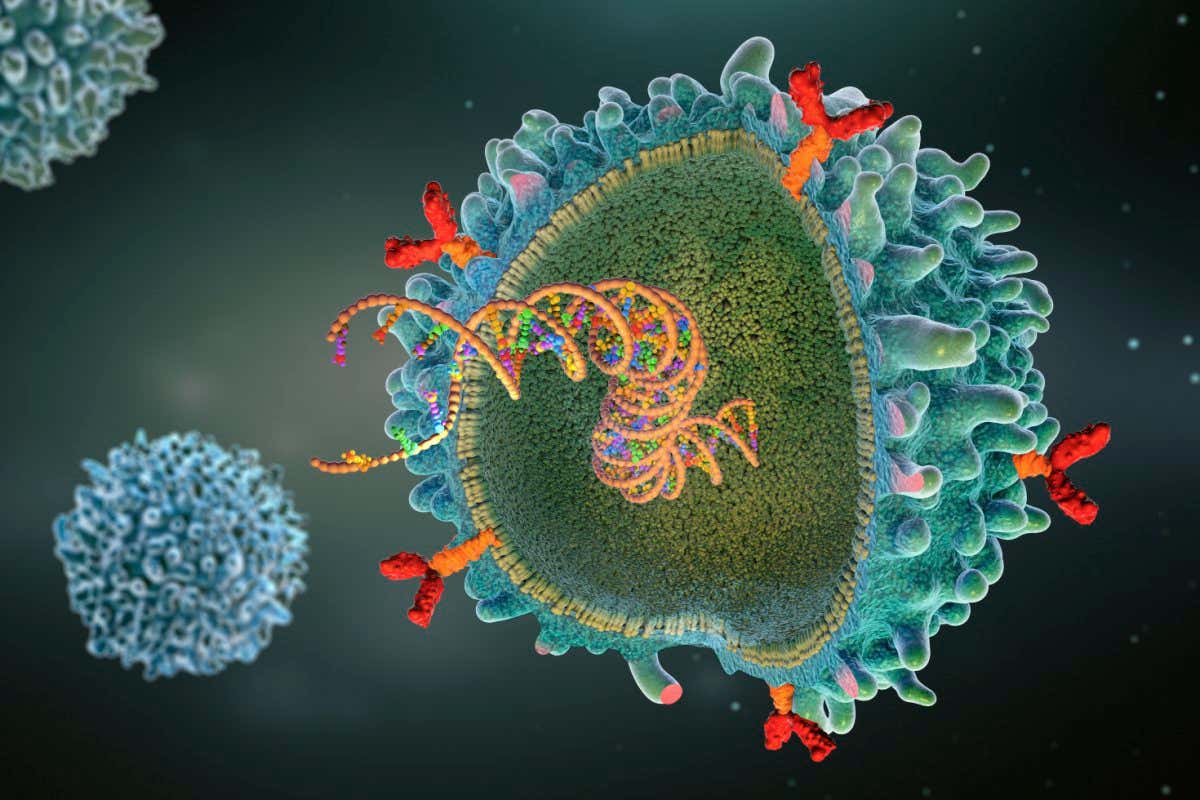
Five people with the autoimmune condition lupus are now in remission after receiving a version of CAR-T therapy, which was originally developed for cancer
4 August 2022
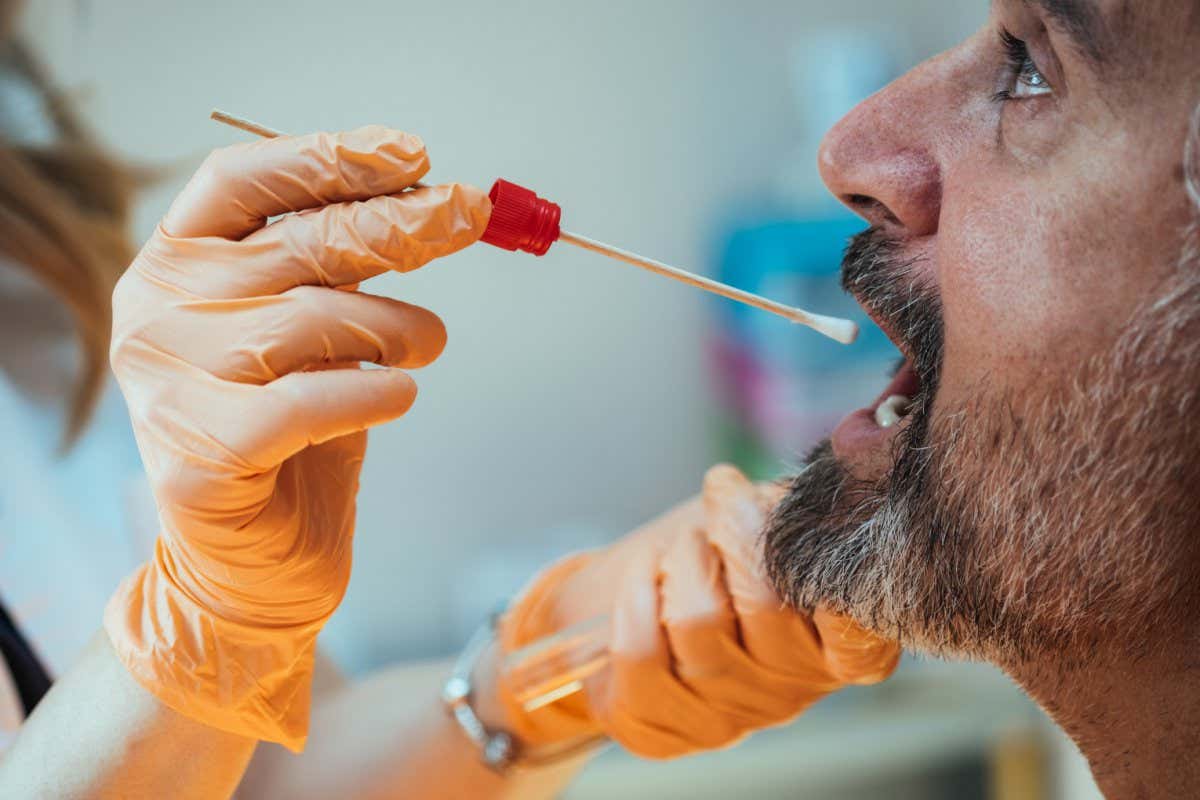
To identify oral and throat cancer, lesions have to be big enough for doctors to see. A saliva test available in the US could enable much earlier diagnosis

25 July 2022
Taking a supplement of 30 grams of "resistant starch" a day – about the amount in two slightly unripe bananas – reduced the risk of multiple forms of cancer in people with a rare genetic condition
20 July 2022
Hormone replacement therapy was thought to increase risk of cancer recurrence after breast cancer treatment, but that may not be the case
