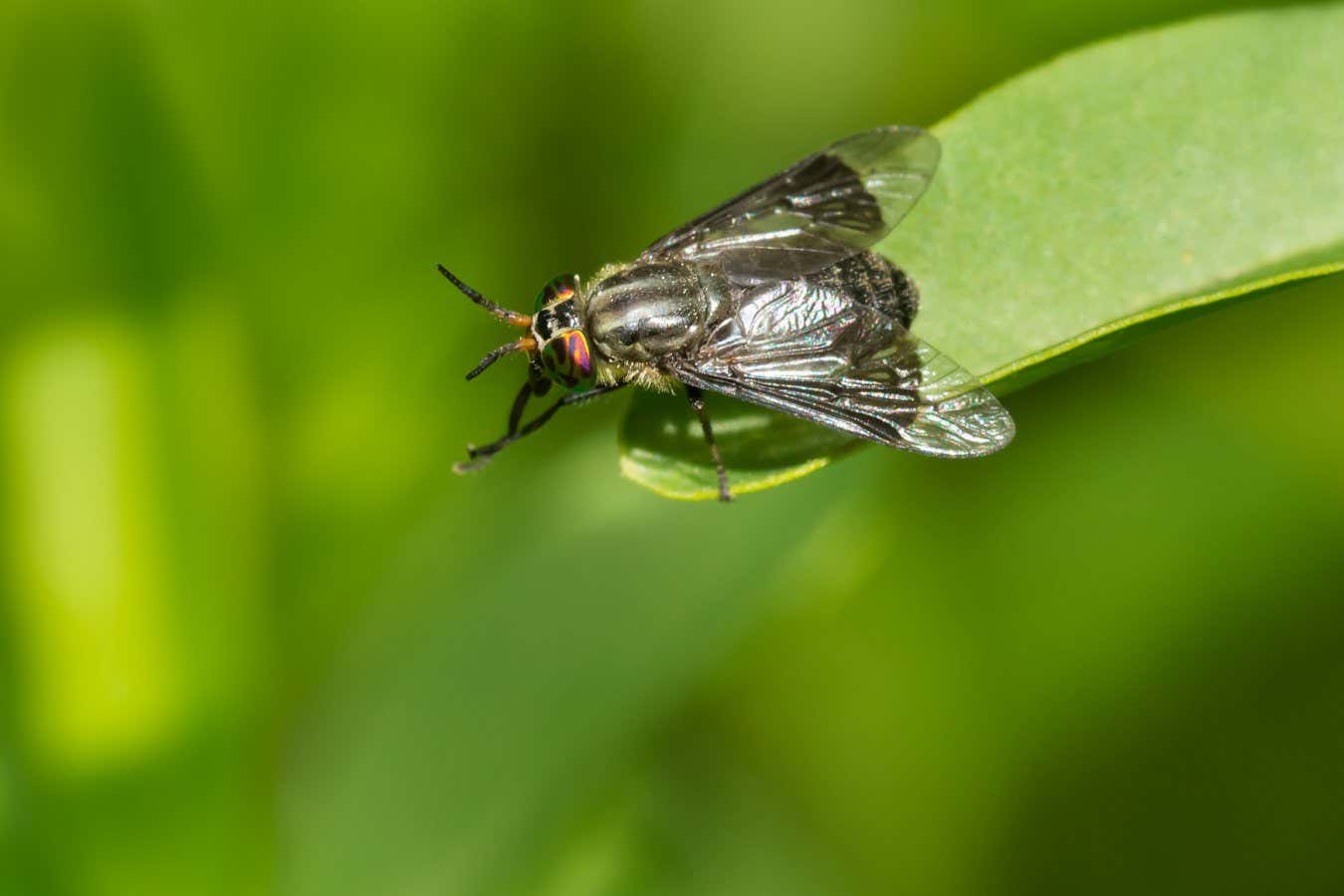
How to avoid deer fly bites, according to science
27 May 2023
An experiment with a sticky fly trap in a Canadian forest suggests you will get more deer fly bites if you walk around than if you sit still
27 May 2023
An experiment with a sticky fly trap in a Canadian forest suggests you will get more deer fly bites if you walk around than if you sit still
21 May 2023
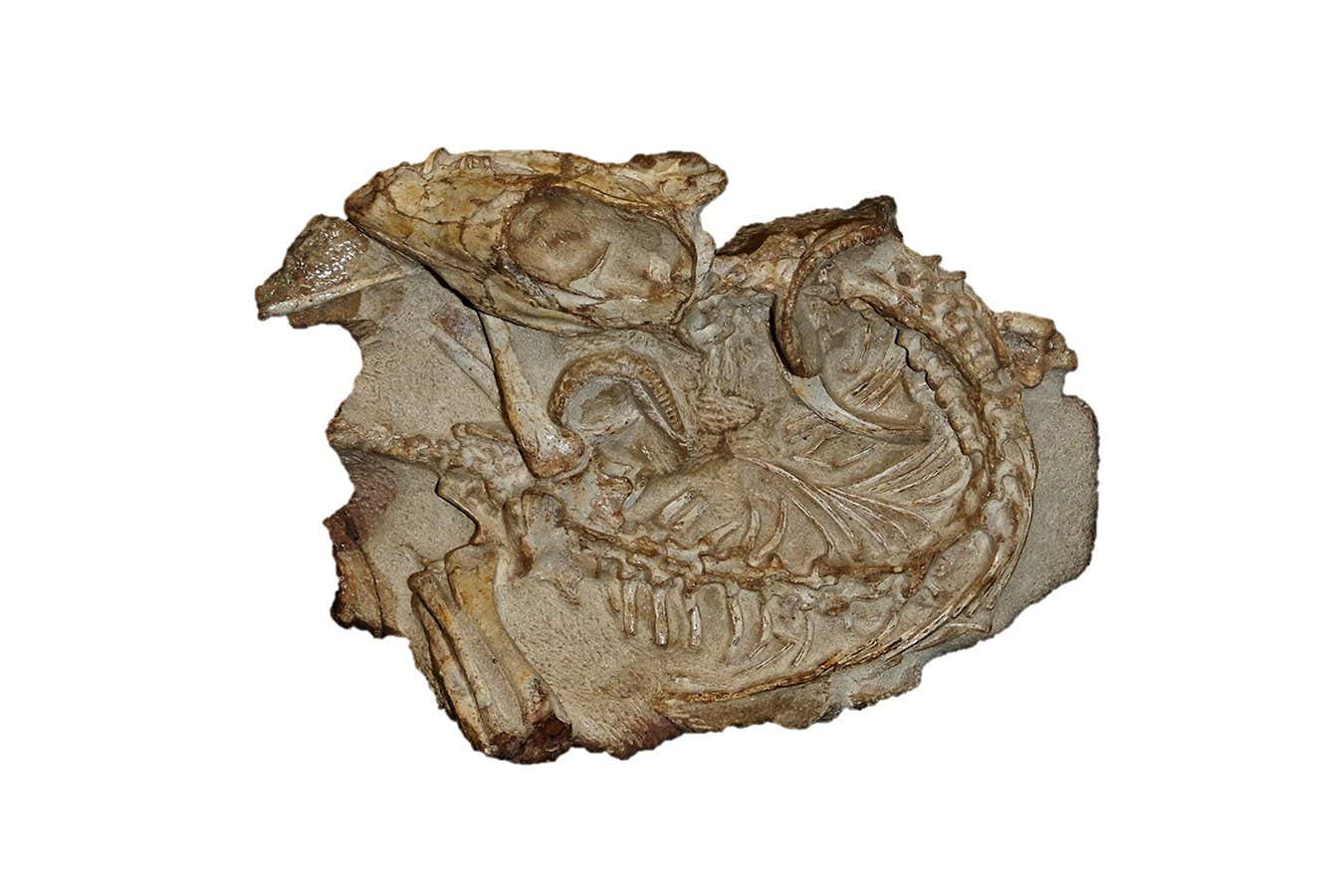
The mass extinction at the end of the Permian Period wiped out many plants. Fossils of millipedes from that era have been found alongside carcasses of mammal ancestors, suggesting that mass plant die-off may have driven them to be carnivorous
19 May 2023
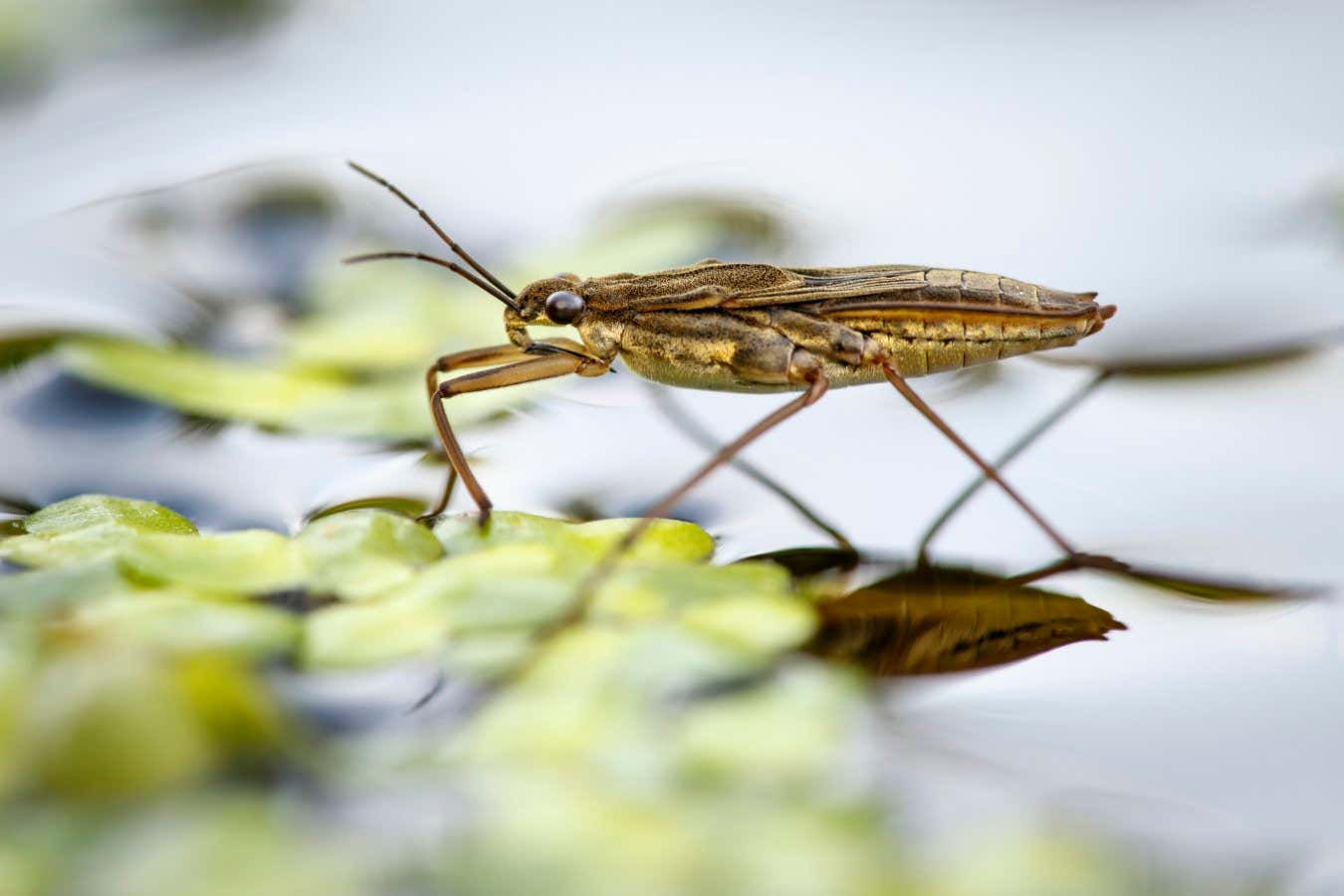
An analysis of 30 years of monitoring data shows an upward trend in the population of insects and other invertebrates in English rivers, which may be linked to lower levels of zinc and copper
15 May 2023
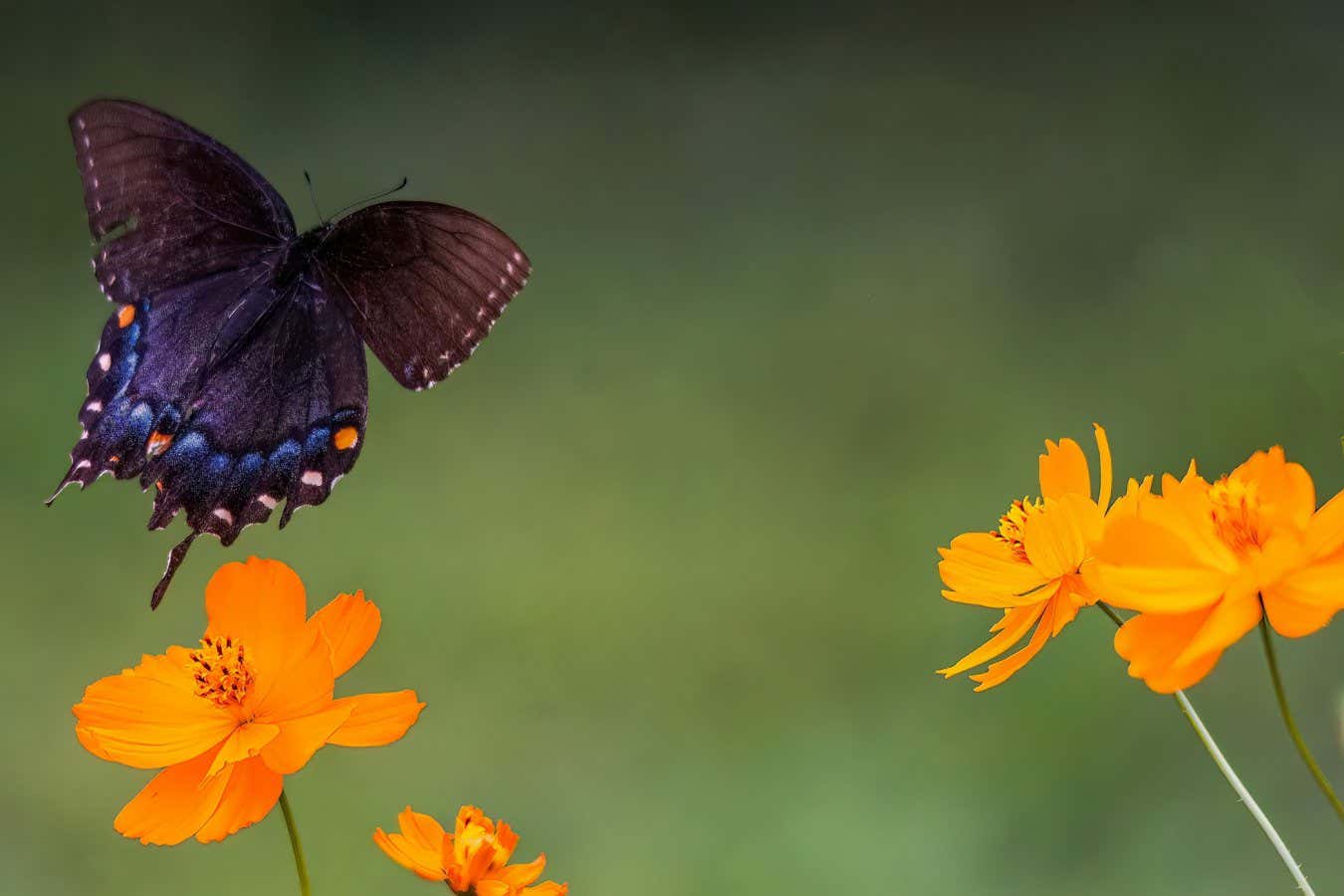
Many researchers thought butterflies first evolved in Asia, but a global genetic analysis suggests they arose in North America, well before the non-avian dinosaurs went extinct
12 May 2023
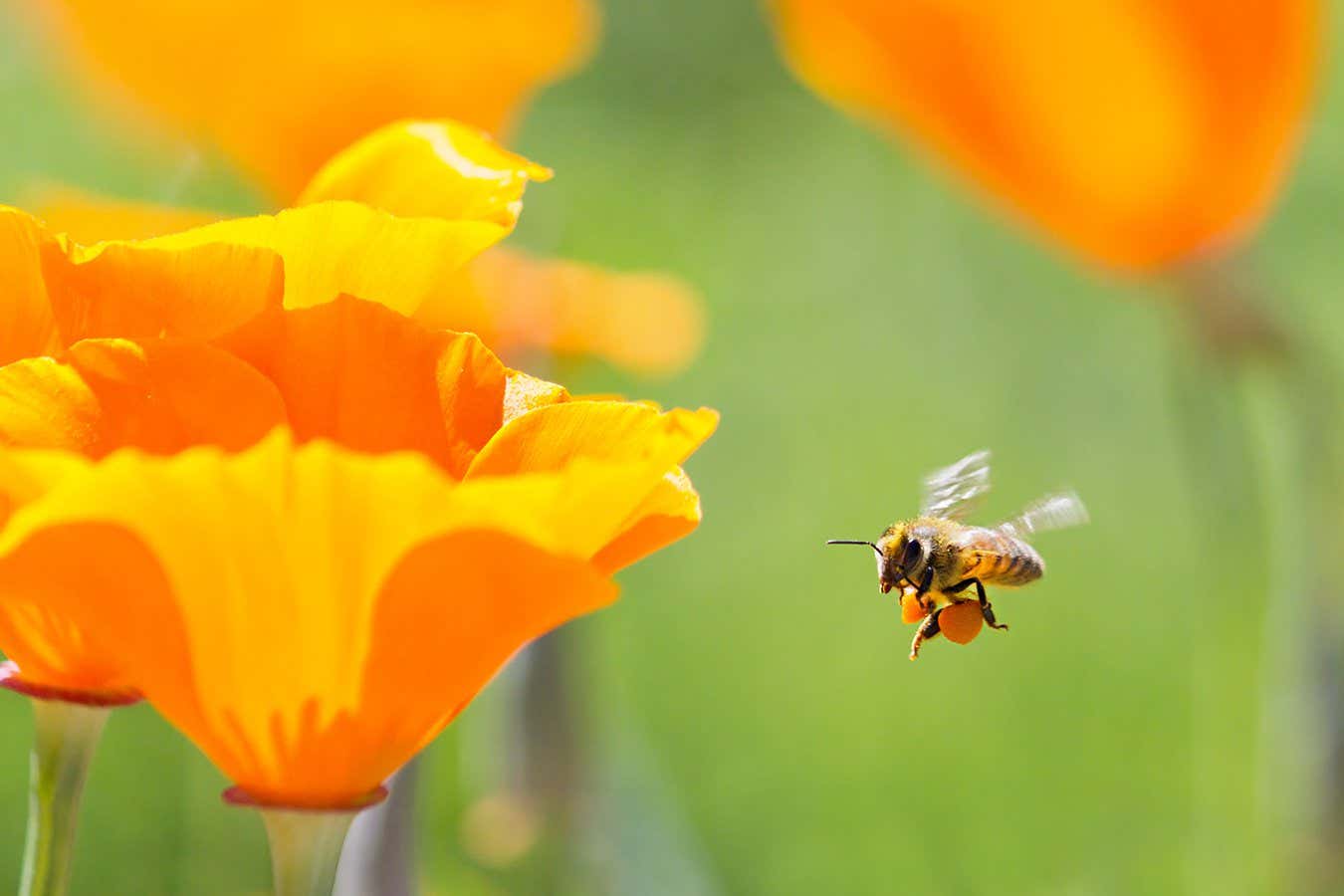
Transmission towers emit electromagnetic fields that can disrupt honeybees’ ability to pollinate nearby plants, which could reduce biodiversity in these areas
11 May 2023
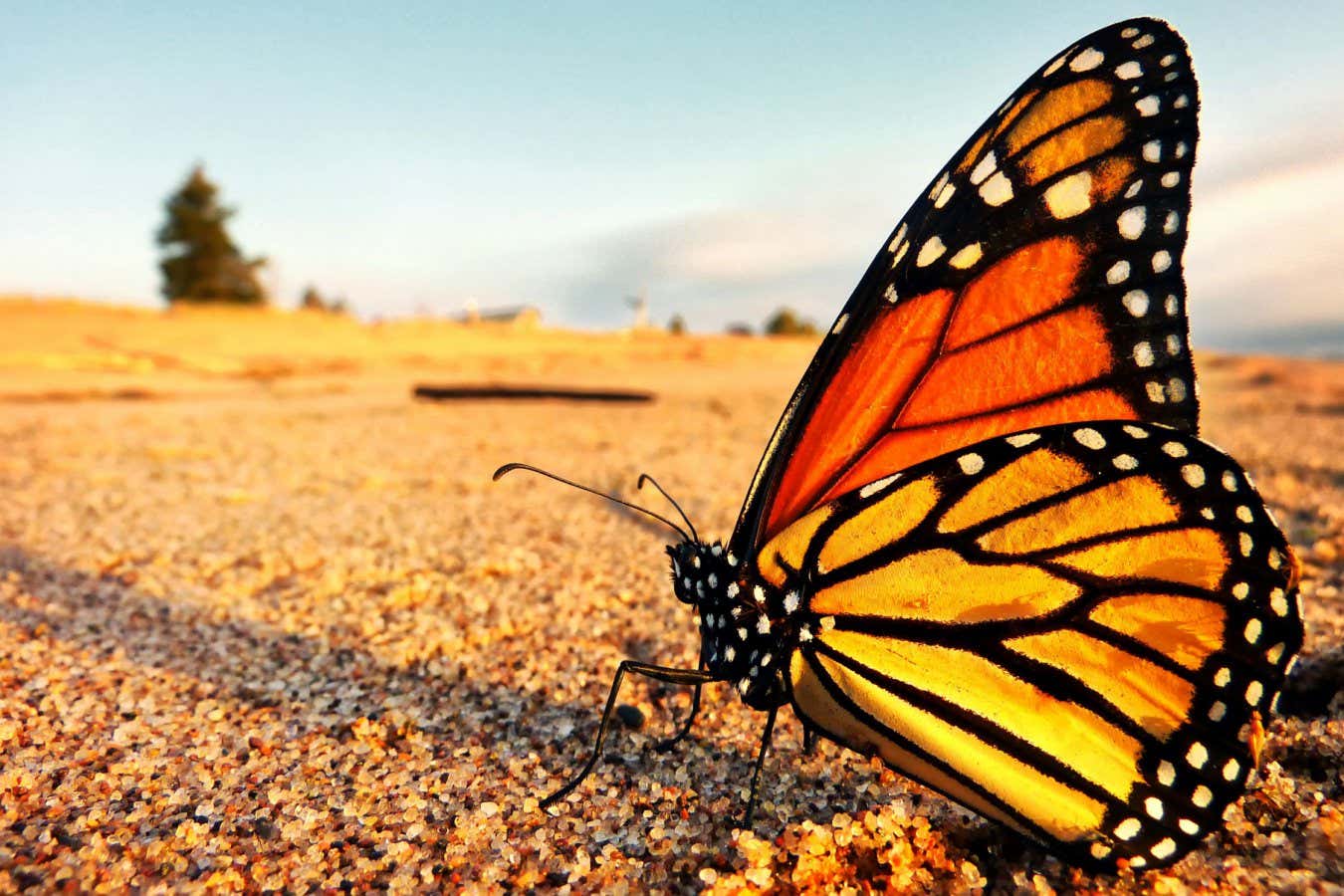
Butterflies with larger wingspans may be more likely to expand their range at high latitudes because they can fly to new habitats as temperatures rise
10 May 2023
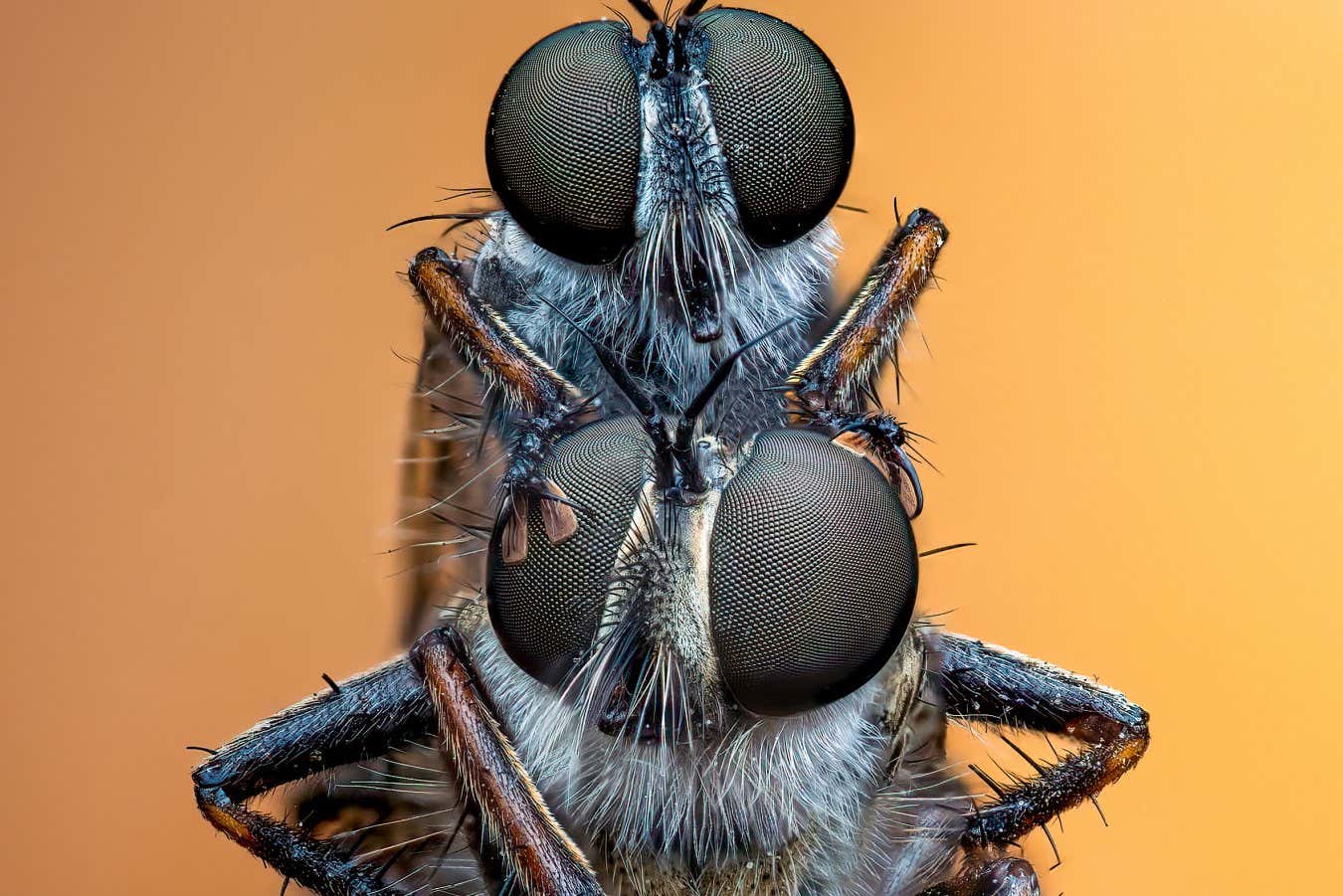
Pete Burford, who only took up macro photography two years ago, has won the Insect Week Photography Competition 2022 for this stunning close-up shot
4 May 2023
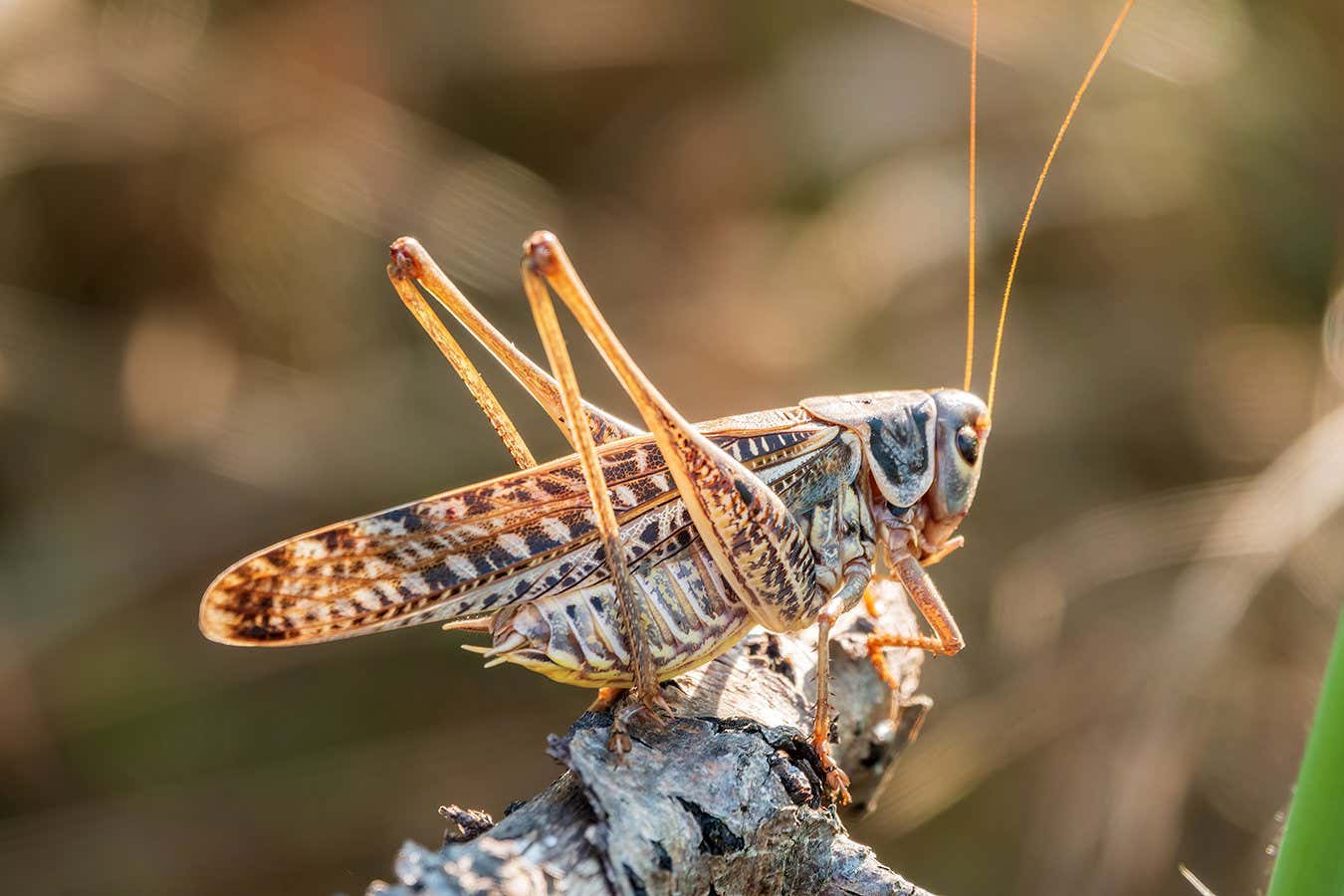
The crop-devastating swarms that locusts form are driven in part by the insects' tricks to avoid being cannibalised – they move around and produce a pheromone to deter other locusts from eating them
25 April 2023
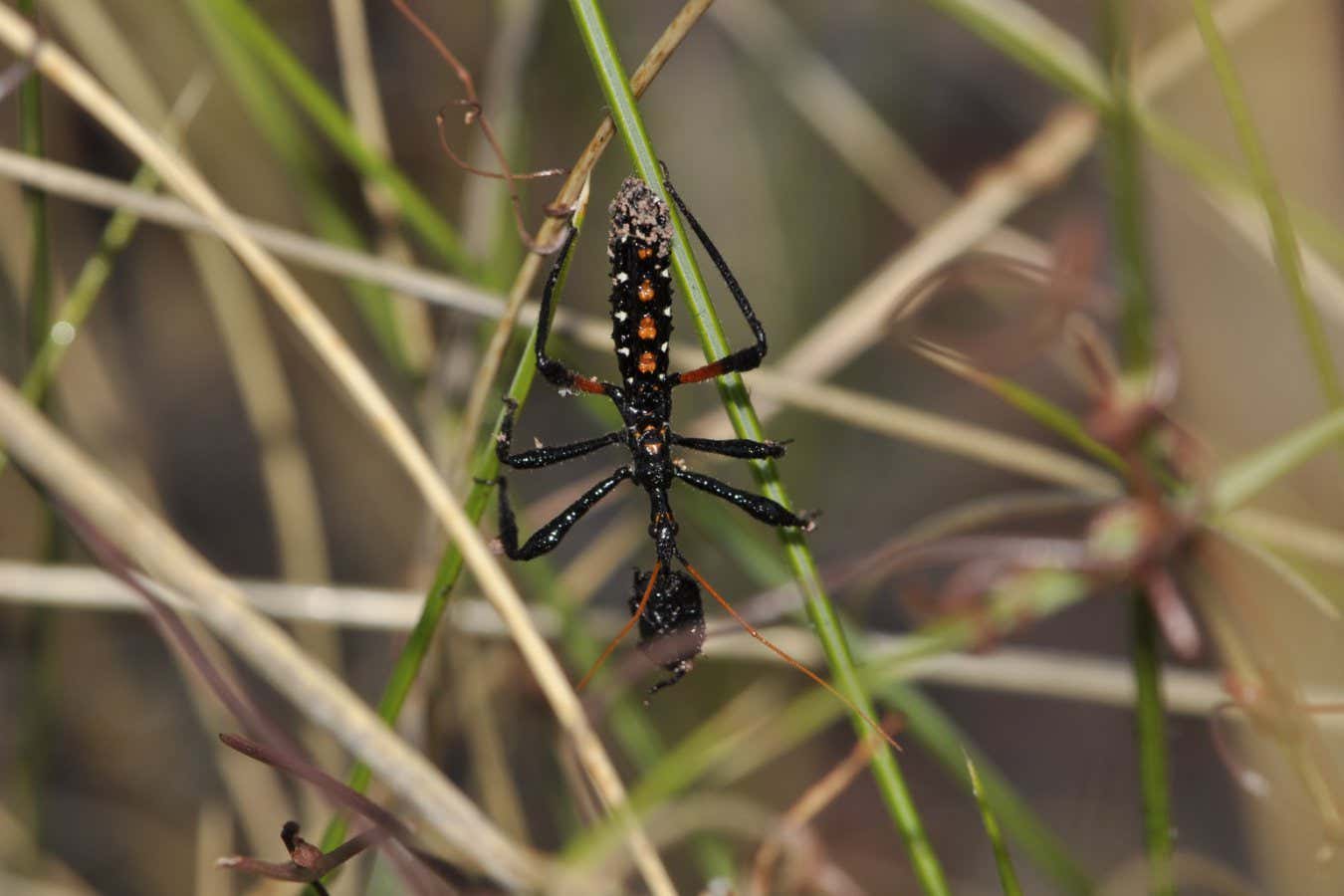
By covering themselves in resin from spinifex grass, Australian assassin bugs improve their chances of catching flies and ants, in a rare case of tool use in insects
24 April 2023
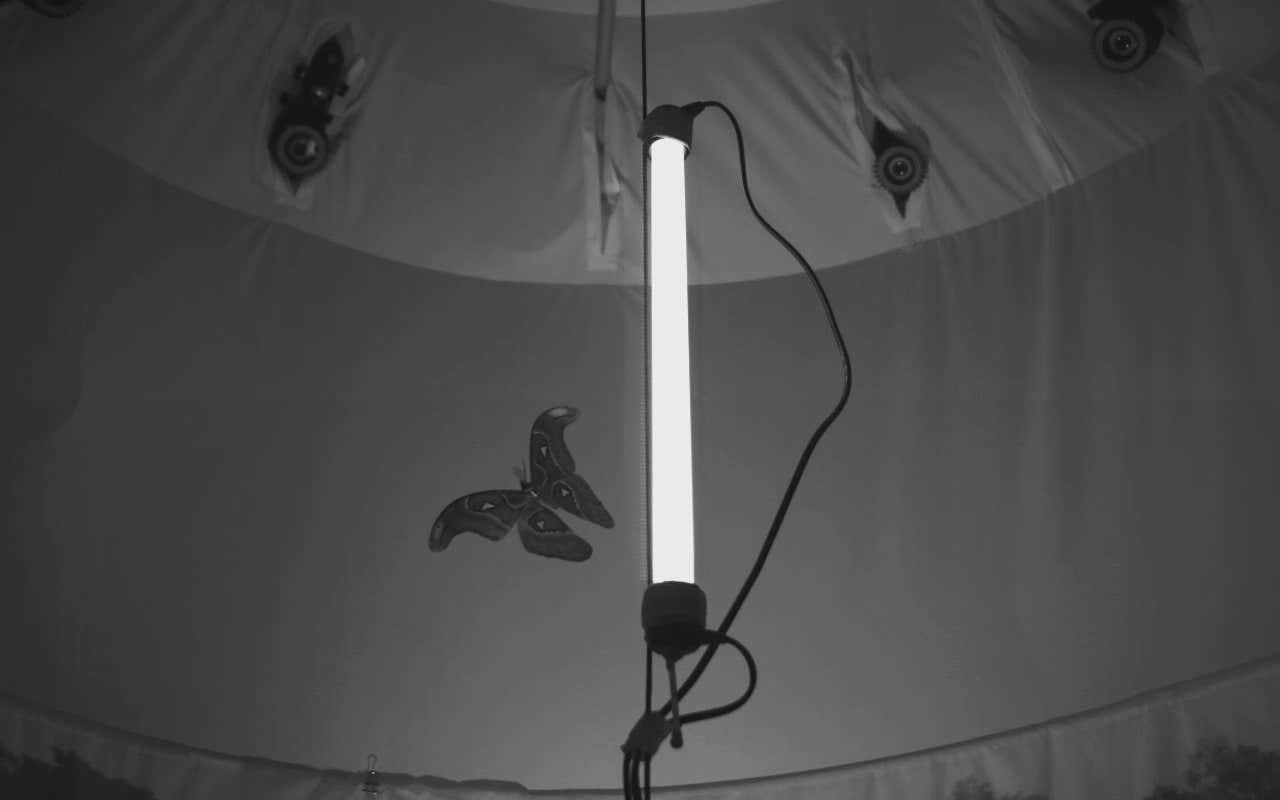
To find out why insects gather around artificial lights, researchers filmed insects with a high-speed camera and used motion capture in an enclosure to trace their precise movements
