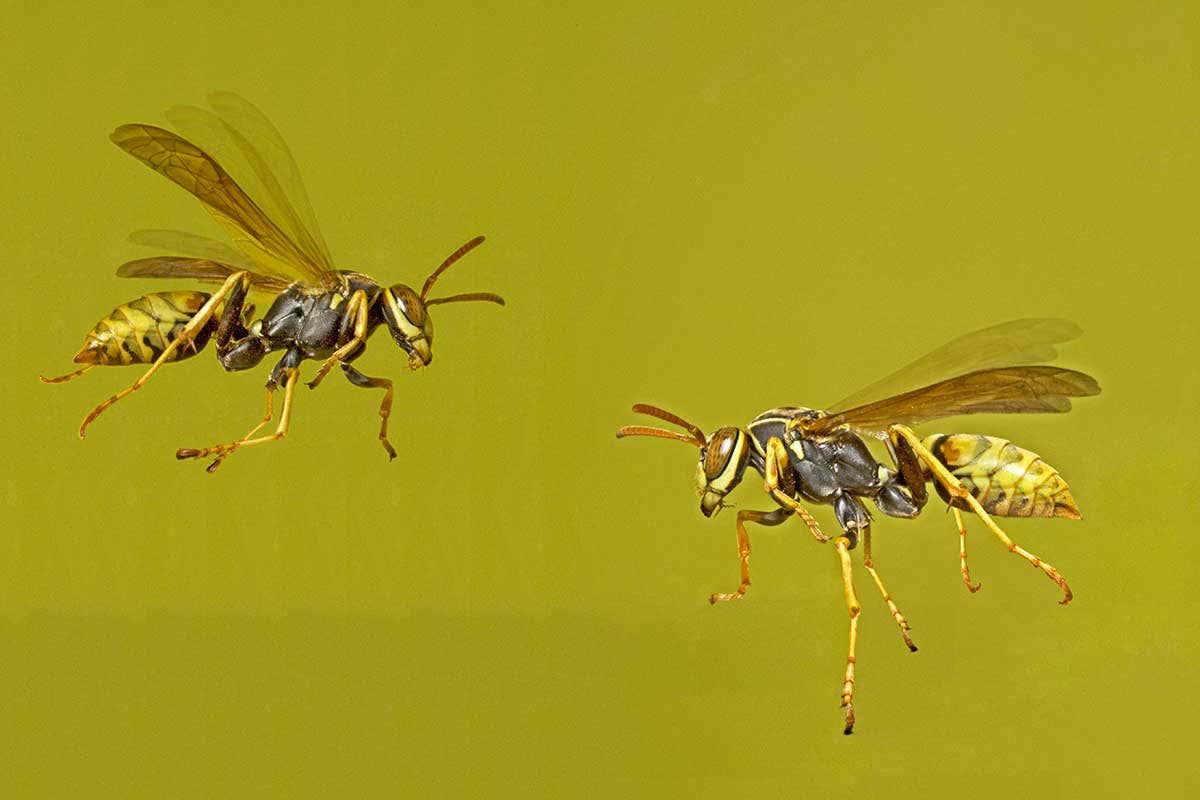
Wasps are the first invertebrates seen to use a type of logic
7 May 2019
Wasps may be able use a type of logical reasoning called transitive inference to avoid an electric shock and are the first invertebrates we've seen doing so
7 May 2019
Wasps may be able use a type of logical reasoning called transitive inference to avoid an electric shock and are the first invertebrates we've seen doing so
10 April 2019
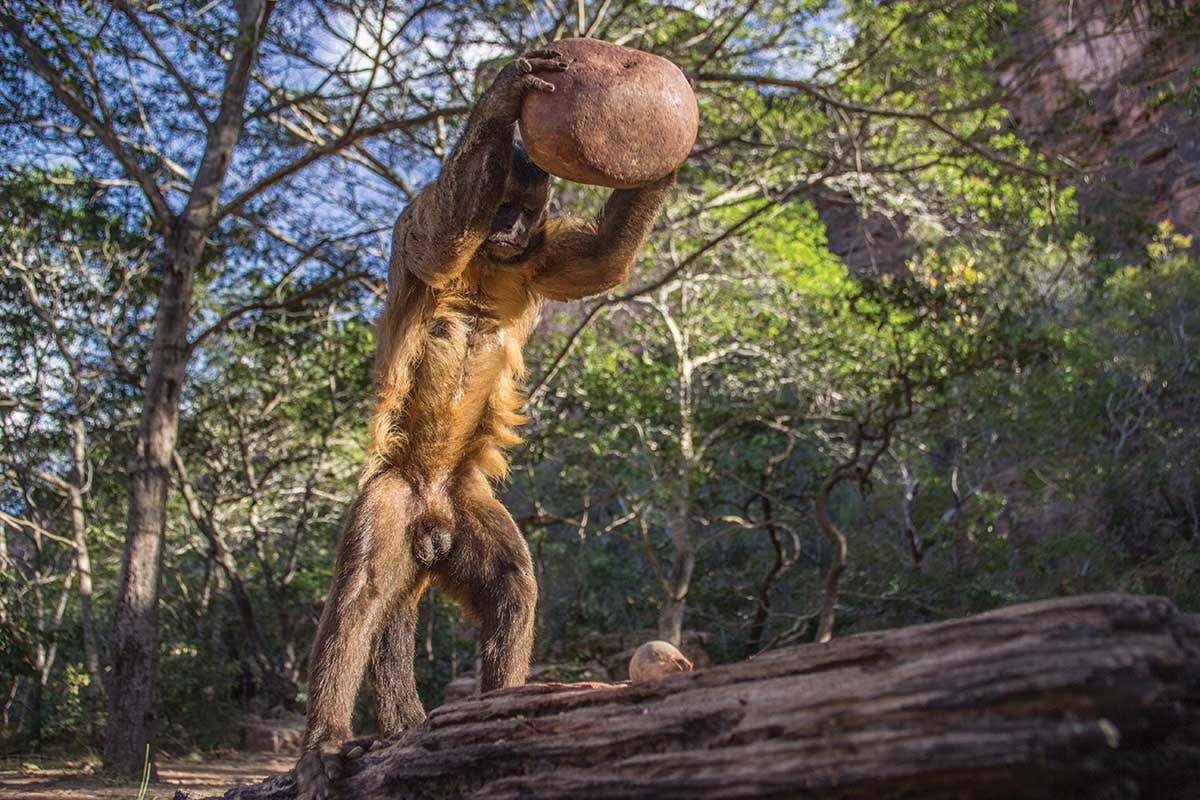
Our information-heavy modern world makes us more likely to follow the herd than find an expert opinion and make the right decision, argues a new book

27 March 2019
To learn language, we store information about word sounds, syntax and more. It turns out that all this amounts to about 1.5 megabytes of data – just over the size of a floppy disc

12 December 2018
Since Seattle high schools decided to start an hour later, students have been getting more sleep – and school attendance and grades have improved
21 November 2018
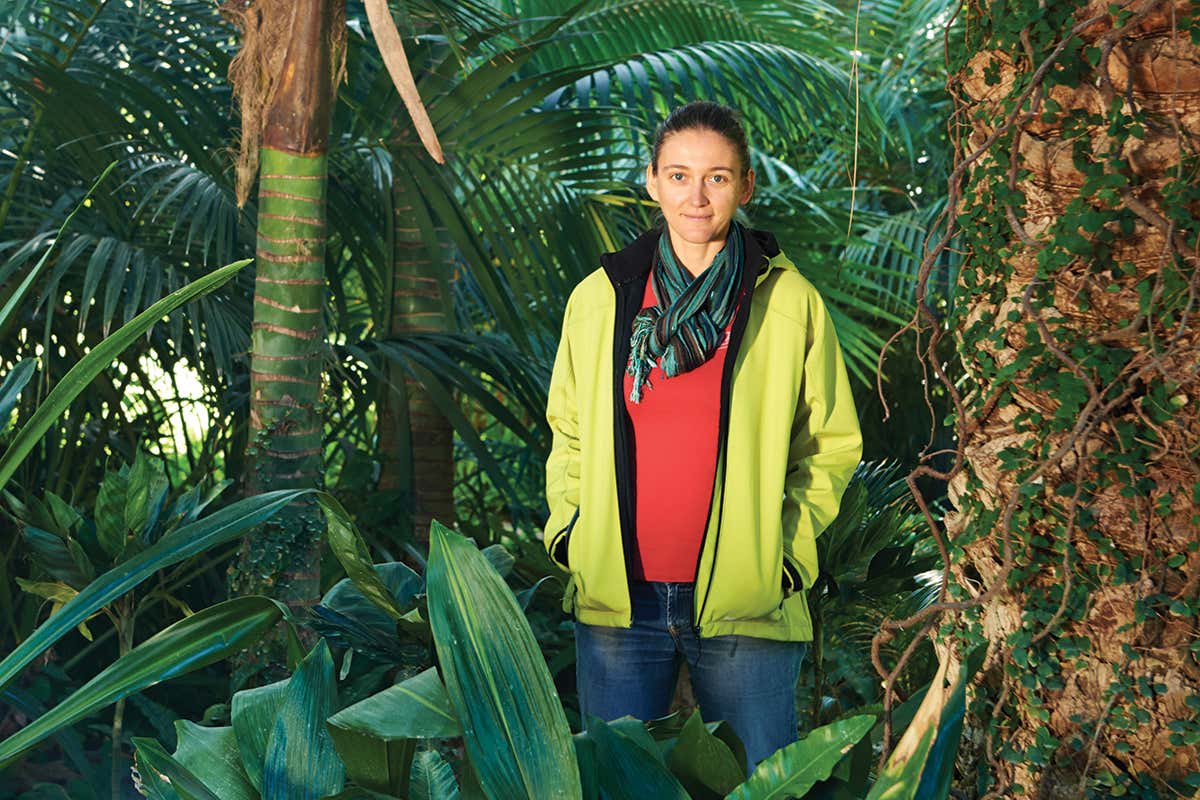
We’re barking up the wrong tree if we think plants have no higher sentience, says researcher Monica Gagliano – they just don’t show it like we do
31 October 2018
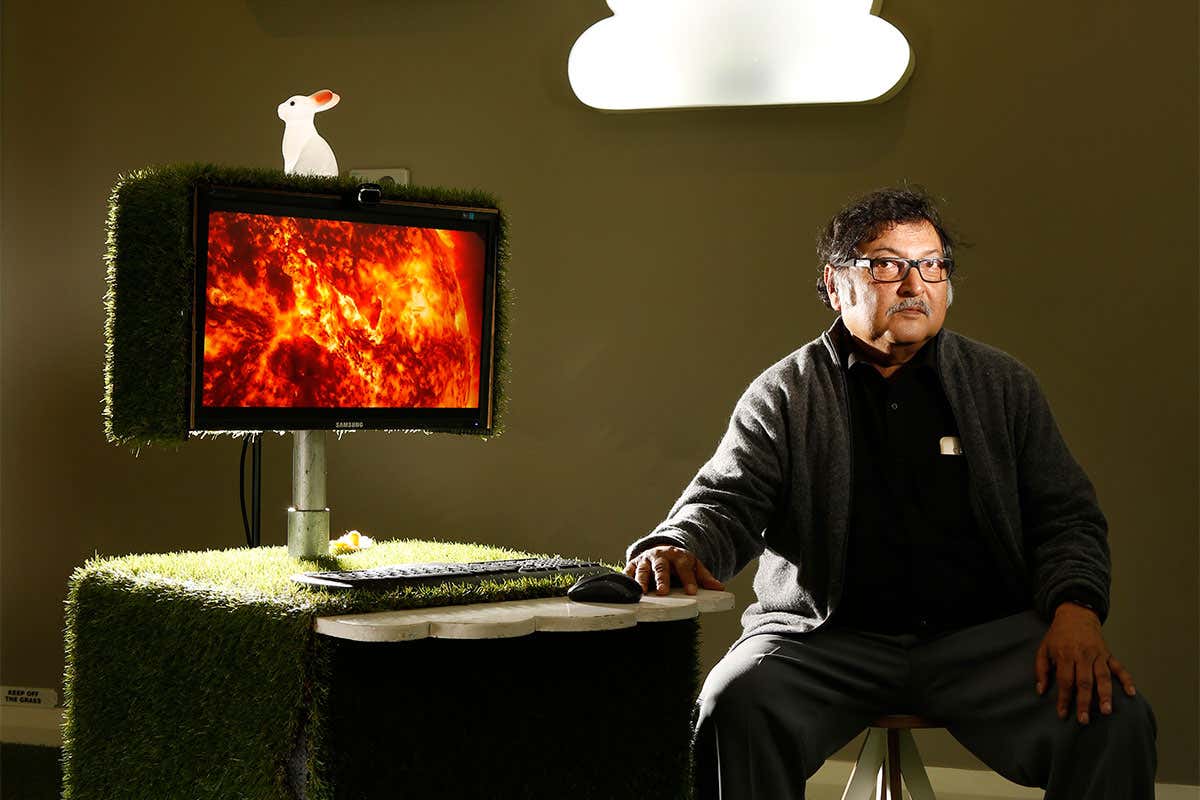
Educationalist Sugata Mitra's pioneering experiments suggest teaching facts doesn't work in the internet age – fostering creativity and collaboration is the key

25 July 2018
It seems like hard conscious work, but much of the learning process goes on deep in the mind. Here are the top tips to improve how you recall facts
7 June 2018
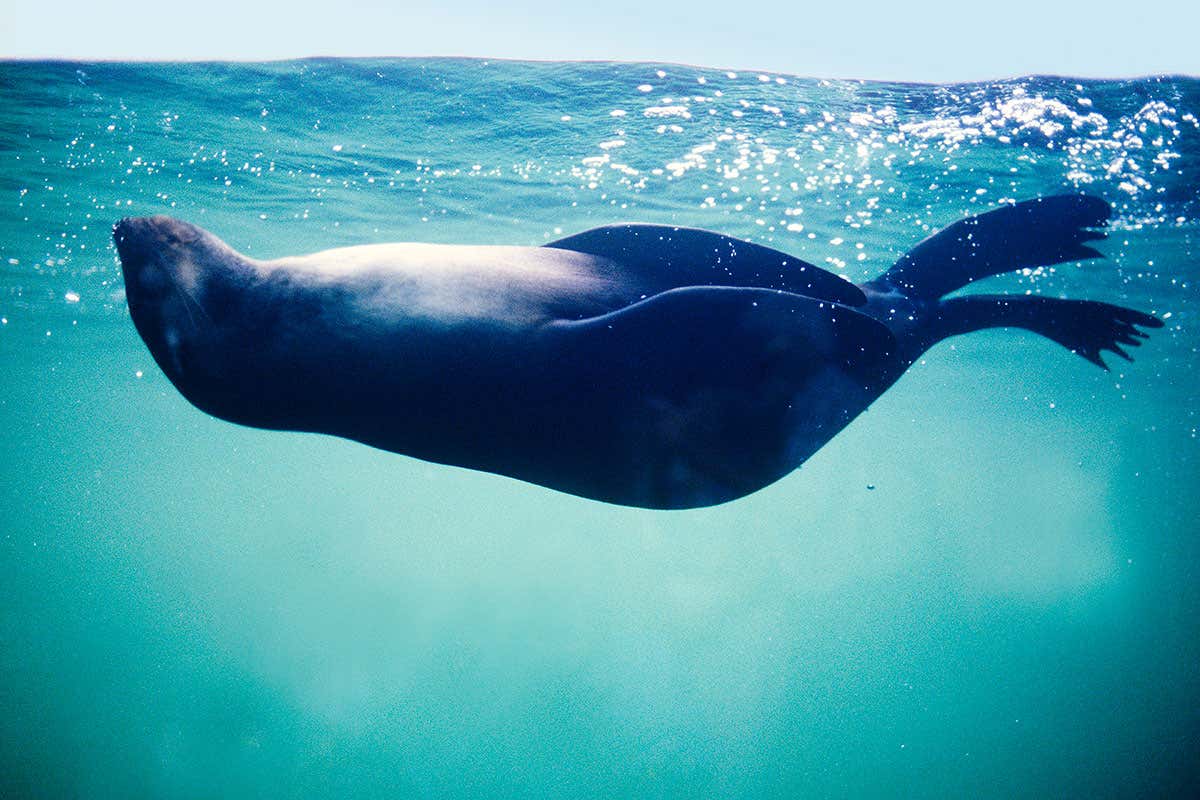
Northern fur seals mostly sleep with half their brain while they’re at sea, but sleep with all their brain while on land – unlike any other animal studied

1 June 2018
Dreams help us store memories, enabling us to learn. Now a study has revealed that it’s the boring dreams we have during deep sleep that are the most important

27 April 2018
Northern quolls are an endangered species thanks to an epidemic of poisonous cane toads in Australia, but now some of them have been trained to steer clear
