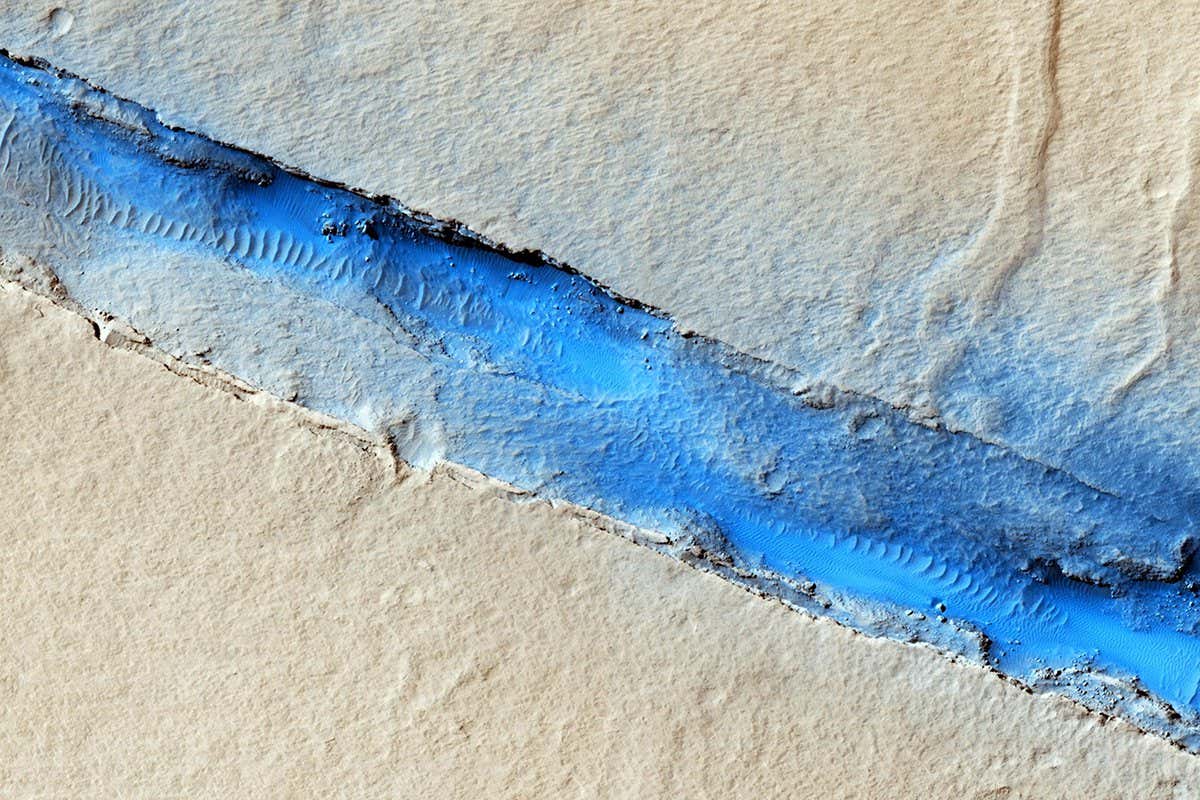
Mars may have a huge plume of hot rocks rising towards its surface
5 December 2022
Mars has been viewed as a mostly geologically static world, but the planet may have an enormous underground plume of hot rocks slowly rising towards the surface
5 December 2022
Mars has been viewed as a mostly geologically static world, but the planet may have an enormous underground plume of hot rocks slowly rising towards the surface
27 October 2022
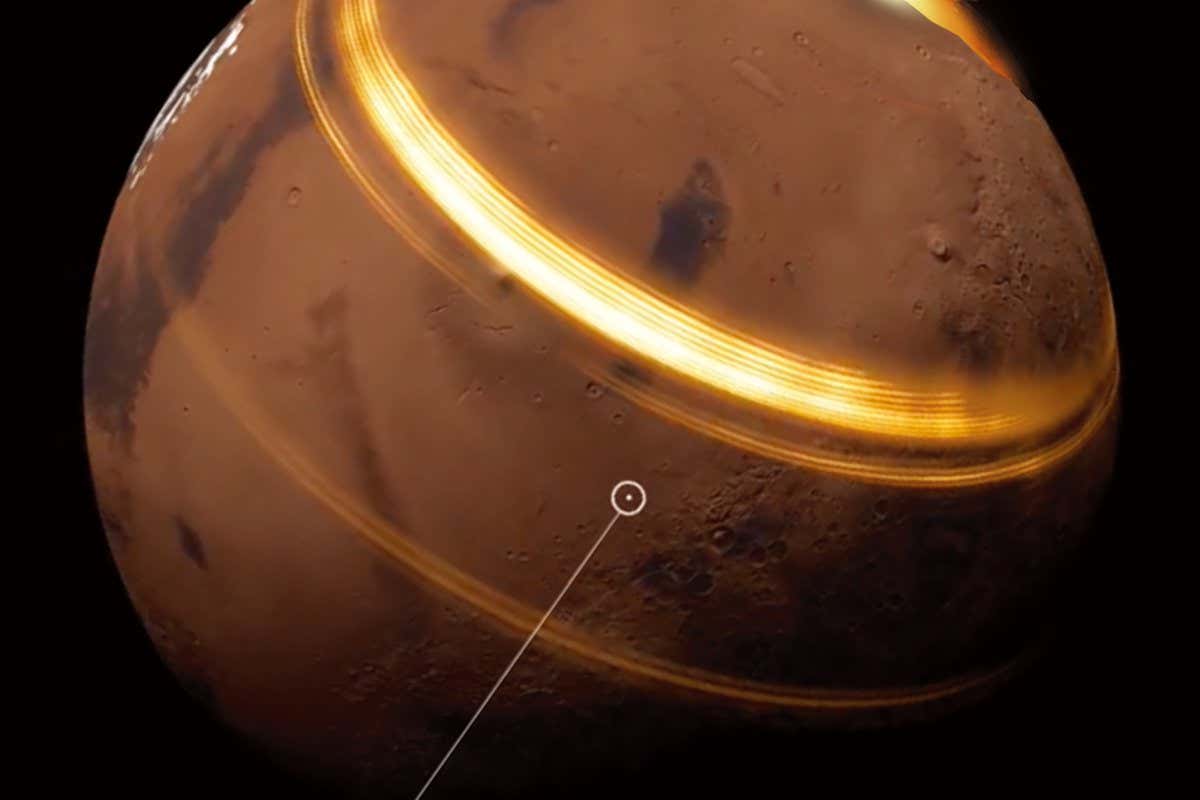
Shock waves from two meteorites hitting Mars moved faster than expected, hinting they came through dense material, perhaps because of the presence of a water table
27 October 2022
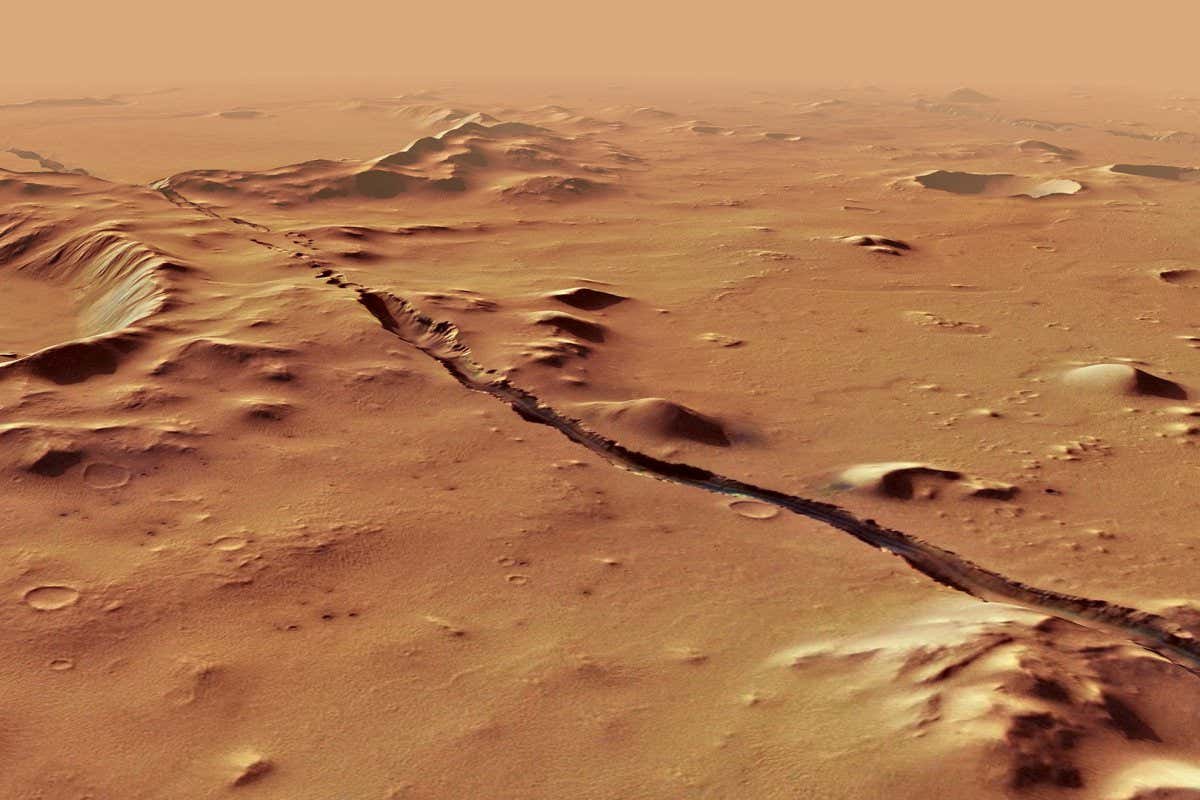
The Red Planet may be more geologically active than we thought – seismic data hints there is magma underground

26 October 2022
From being the celestial embodiment of warrior gods to housing canal-digging aliens, Mars has uniquely endured in the public consciousness. Even today, the Red Planet still spells adventure, says Stuart Clark
7 September 2022
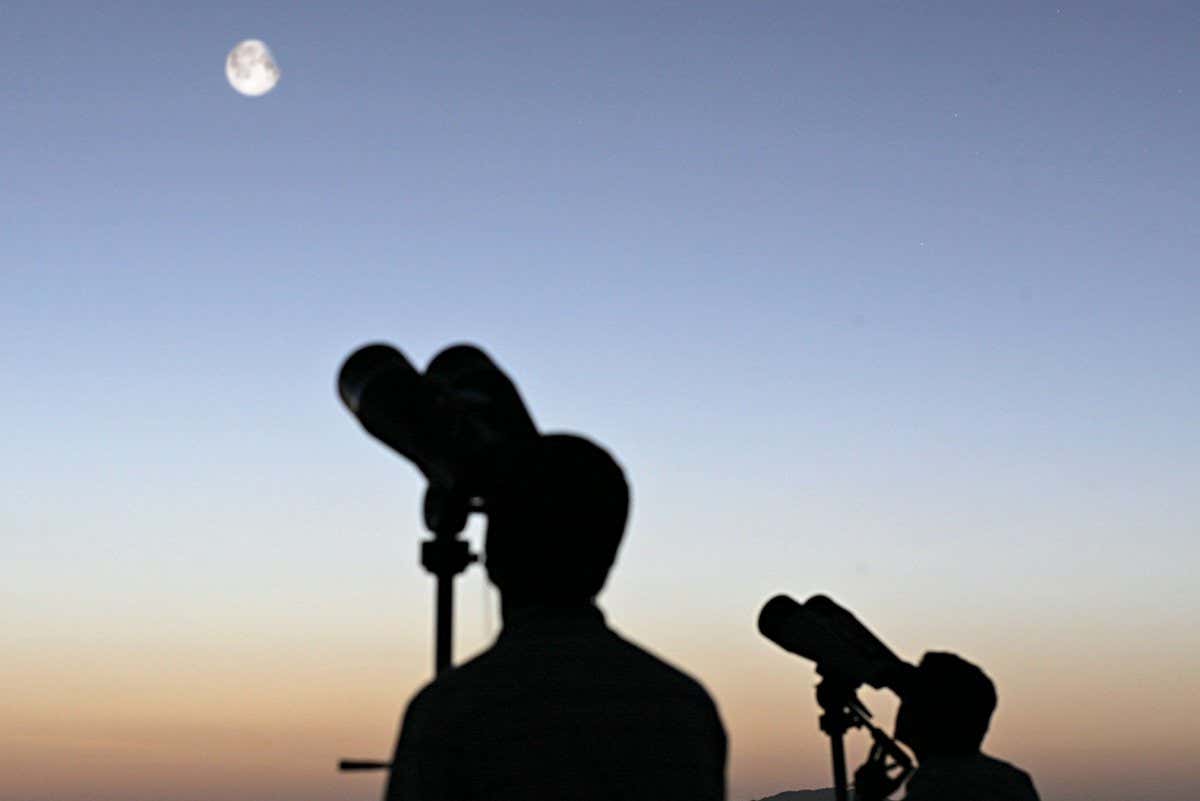
If you live in Europe, north Africa or north-west Asia, you can watch Uranus pass behind the moon and emerge on the other side in a rare lunar occultation this month

2 September 2022
Simple plastics can be turned into tiny diamonds with a pulse of laser light, and a similar process may occur inside giant planets, which could explain some of their mysteries

31 August 2022
Studying the atmospheres of Venus and Mars can help us learn how Earth's climate will look in the future, says David Grinspoon
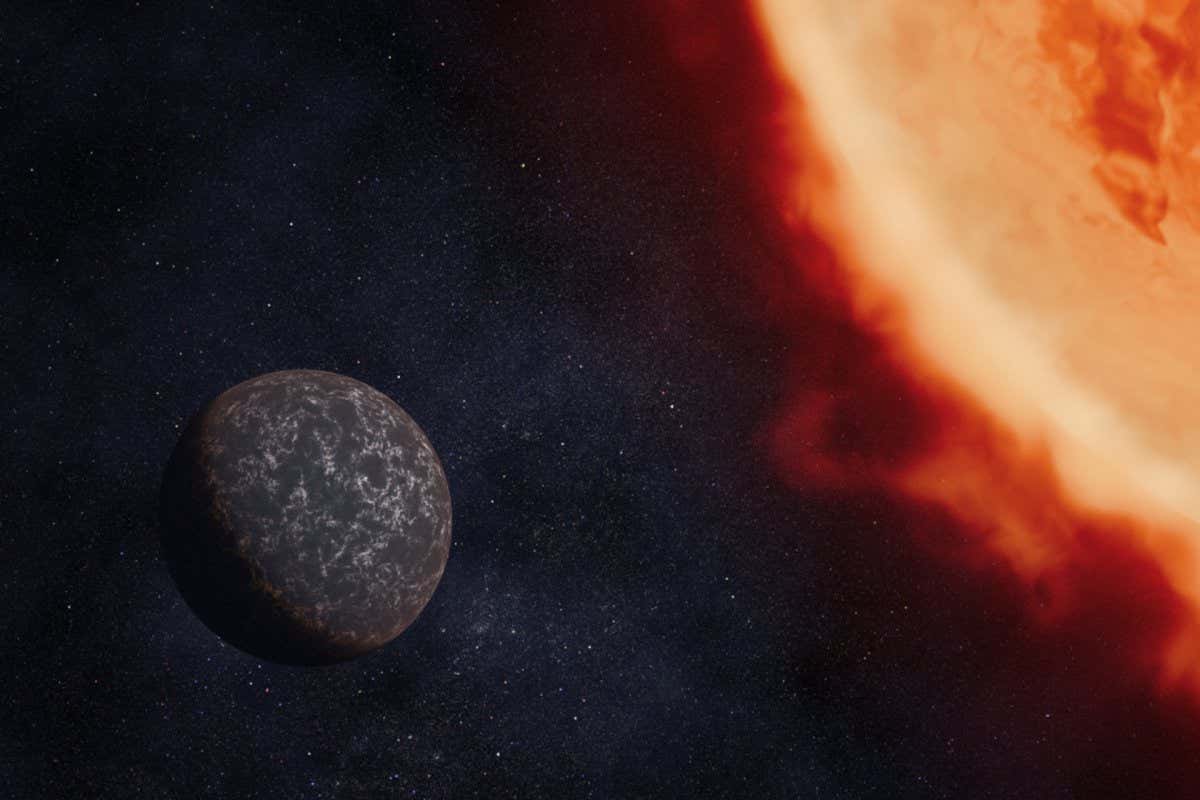
29 July 2022
Observing the surface of an exoplanet is tricky, but a study analysing data from the Spitzer space telescope suggests it should be feasible with the more powerful James Webb telescope
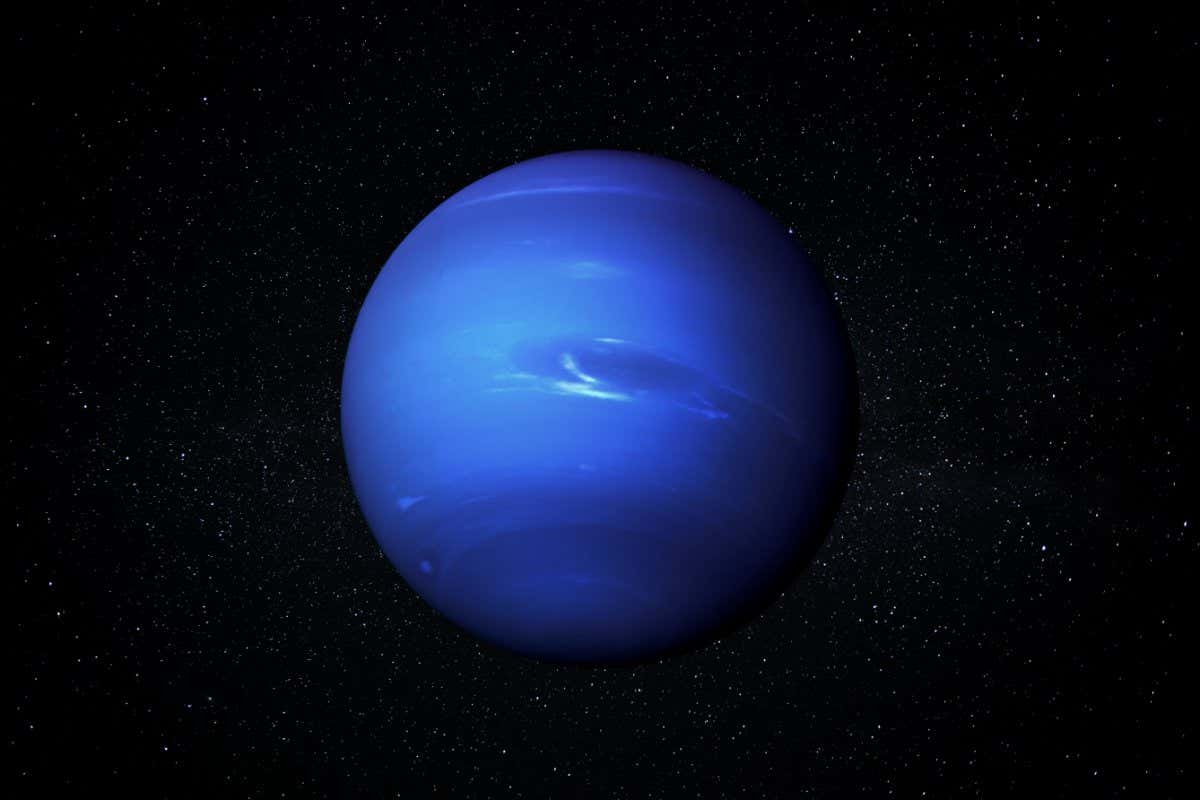
6 July 2022
If a star flying past our solar system moved Neptune's orbit by just 0.1 per cent, it could eventually cause the other planets to smash into one another or get thrown out of the solar system entirely
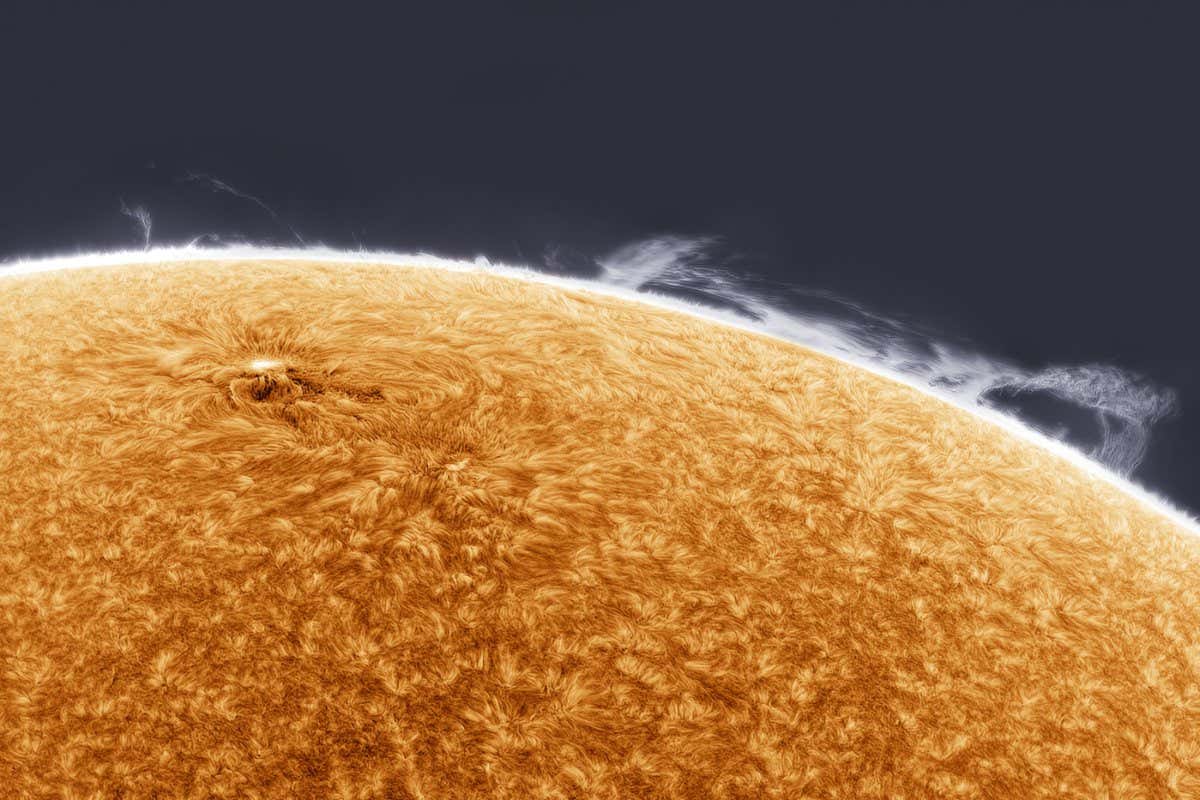
5 July 2022
This photograph of solar features called prominences is one of the dazzling cosmic images shortlisted for the Astronomy Photographer of the Year competition, run by the Royal Observatory Greenwich in the UK
