
Subscribe now
Episode 2. Meryl Streep in

Don’t Miss: Extrapolations, a star-studded new climate change drama

15 March 2023

New Scientist's weekly round-up of the best books, films, TV series, games and more that you shouldn’t miss
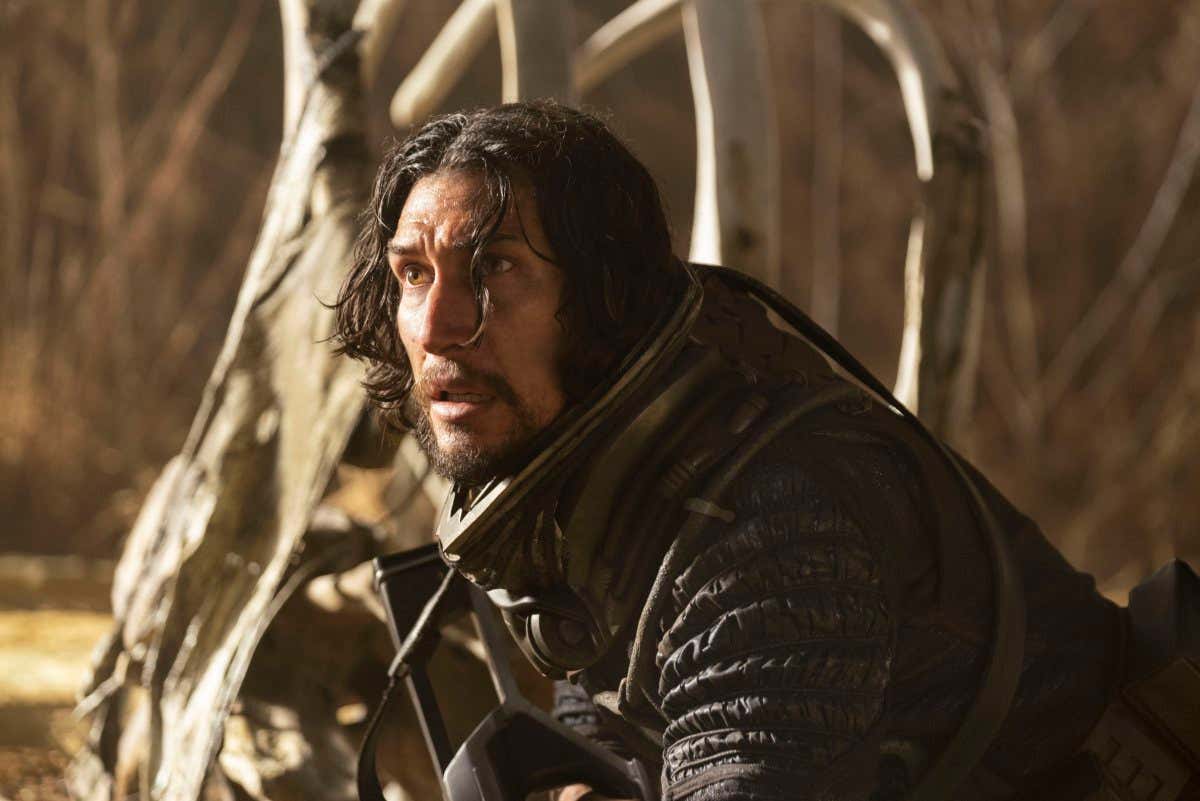

Adam Driver stars in 65.

Don't Miss: 65, a sci-fi dinosaur thriller by writers of A Quiet Place

8 March 2023

New Scientist's weekly round-up of the best books, films, TV series, games and more that you shouldn't miss
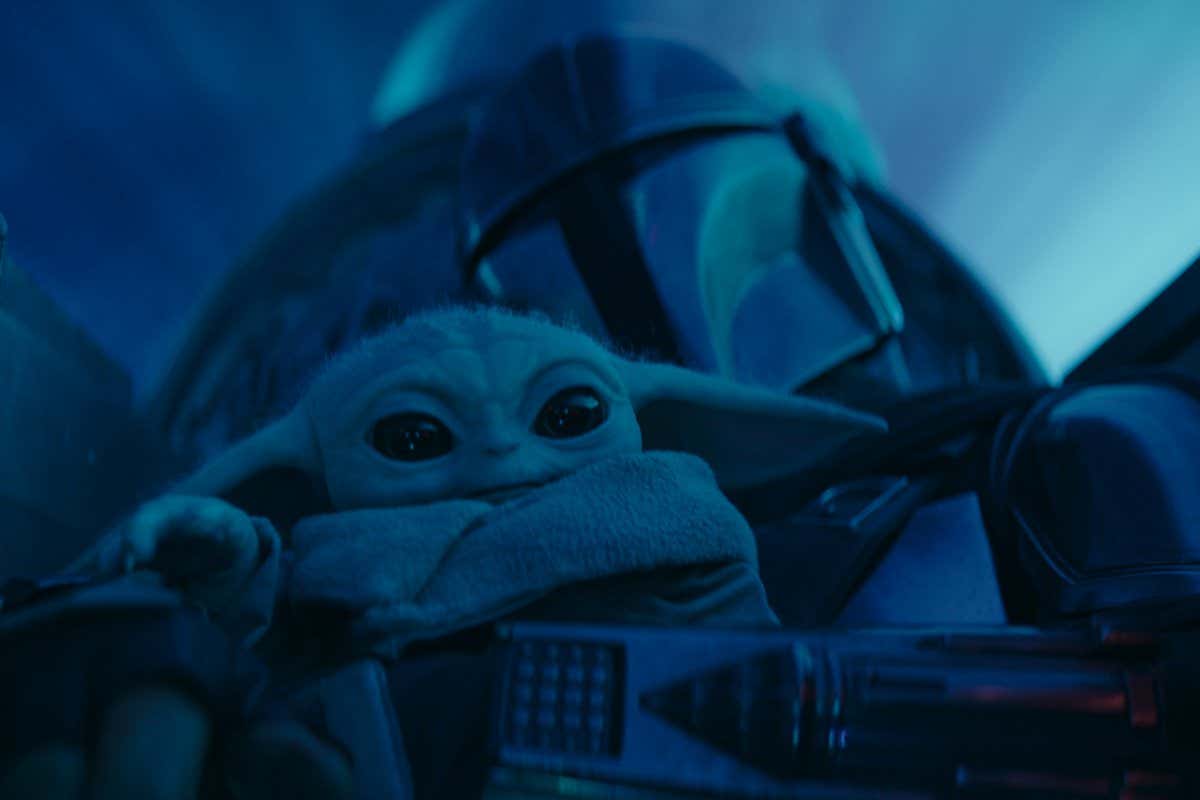

The Mandalorian Season 3

Don't Miss: The Mandalorian's third season, streaming on Disney+

1 March 2023

New Scientist's weekly round-up of the best books, films, TV series, games and more that you shouldn't miss
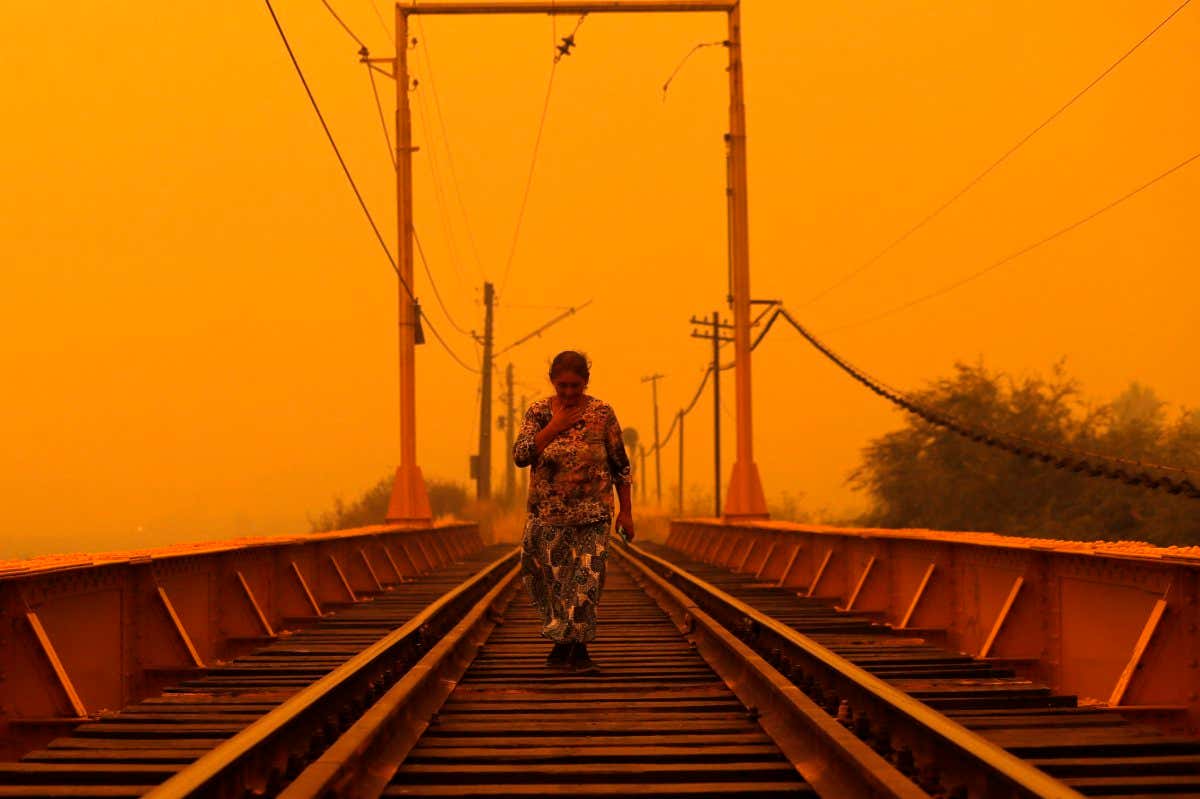

TOPSHOT - A woman walks on a bridge during the fires in Renaico, Araucania region, Chile on February 4, 2023. - At least 23 people have died in hundreds of forest fires whipped up amid a blistering heat wave in south central Chile, a senior government official said Saturday night. (Photo by JAVIER TORRES / AFP) (Photo by JAVIER TORRES/AFP via Getty Images)

Don't Miss: Explore wildfire's power at Science Gallery London

22 February 2023

New Scientist's weekly round-up of the best books, films, TV series, games and more that you shouldn’t miss
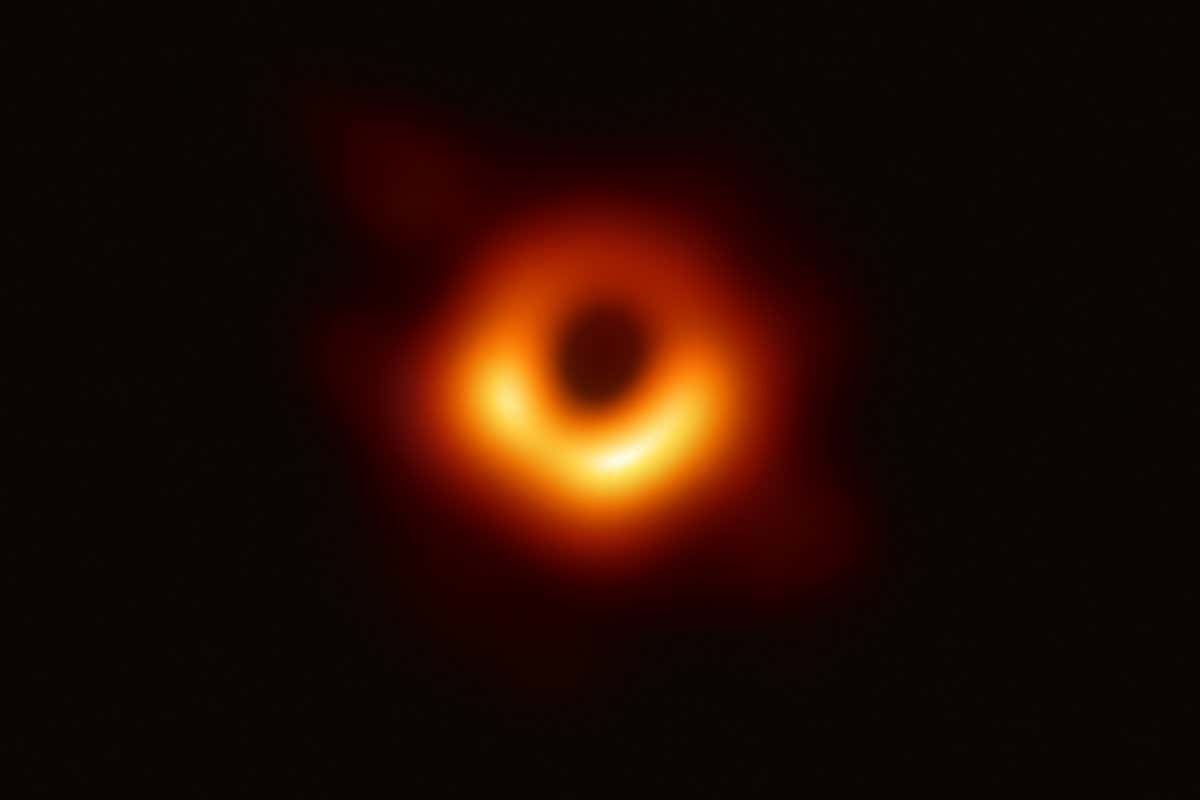

The Event Horizon Telescope (EHT) ??? a planet-scale array of eight ground-based radio telescopes forged through international collaboration ??? was designed to capture images of a black hole. In coordinated press conferences across the globe, EHT researchers revealed that they succeeded, unveiling the first direct visual evidence of the supermassive black hole in the centre of Messier 87 and its shadow. The shadow of a black hole seen here is the closest we can come to an image of the black hole itself, a completely dark object from which light cannot escape. The black hole???s boundary ??? the event horizon from which the EHT takes its name ??? is around 2.5 times smaller than the shadow it casts and measures just under 40 billion km across. While this may sound large, this ring is only about 40 microarcseconds across ??? equivalent to measuring the length of a credit card on the surface of the Moon. Although the telescopes making up the EHT are not physically connected, they are able to synchronize their recorded data with atomic clocks ??? hydrogen masers ??? which precisely time their observations. These observations were collected at a wavelength of 1.3 mm during a 2017 global campaign. Each telescope of the EHT produced enormous amounts of data ??? roughly 350 terabytes per day ??? which was stored on high-performance helium-filled hard drives. These data were flown to highly specialised supercomputers ??? known as correlators ??? at the Max Planck Institute for Radio Astronomy and MIT Haystack Observatory to be combined. They were then painstakingly converted into an image using novel computational tools developed by the collaboration.

Don’t Miss: Learning about how the first black hole image was taken

15 February 2023

New Scientist's weekly round-up of the best books, films, TV series, games and more that you shouldn’t miss
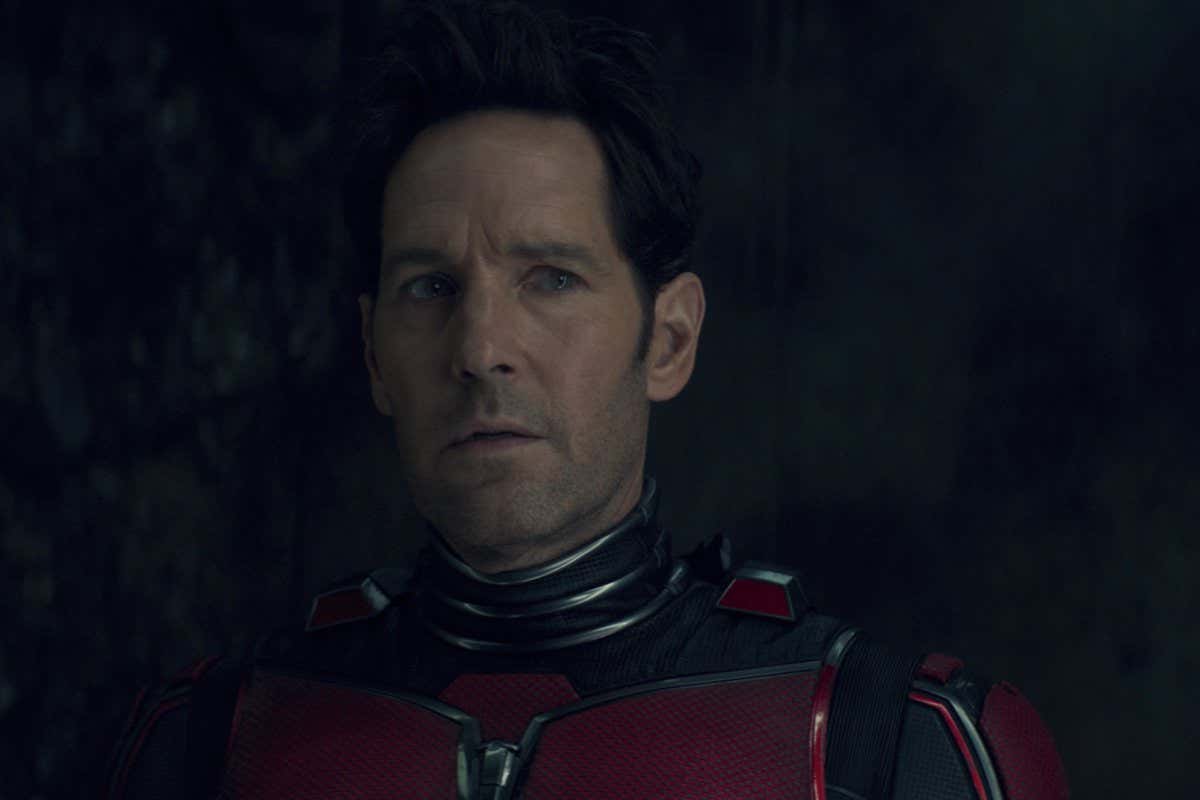

Ant-Man and the Wasp: Quantumania

Don't Miss: Marvel's Ant Man and the Wasp: Quantumania

8 February 2023

New Scientist's weekly round-up of the best books, films, TV series, games and more that you shouldn’t miss
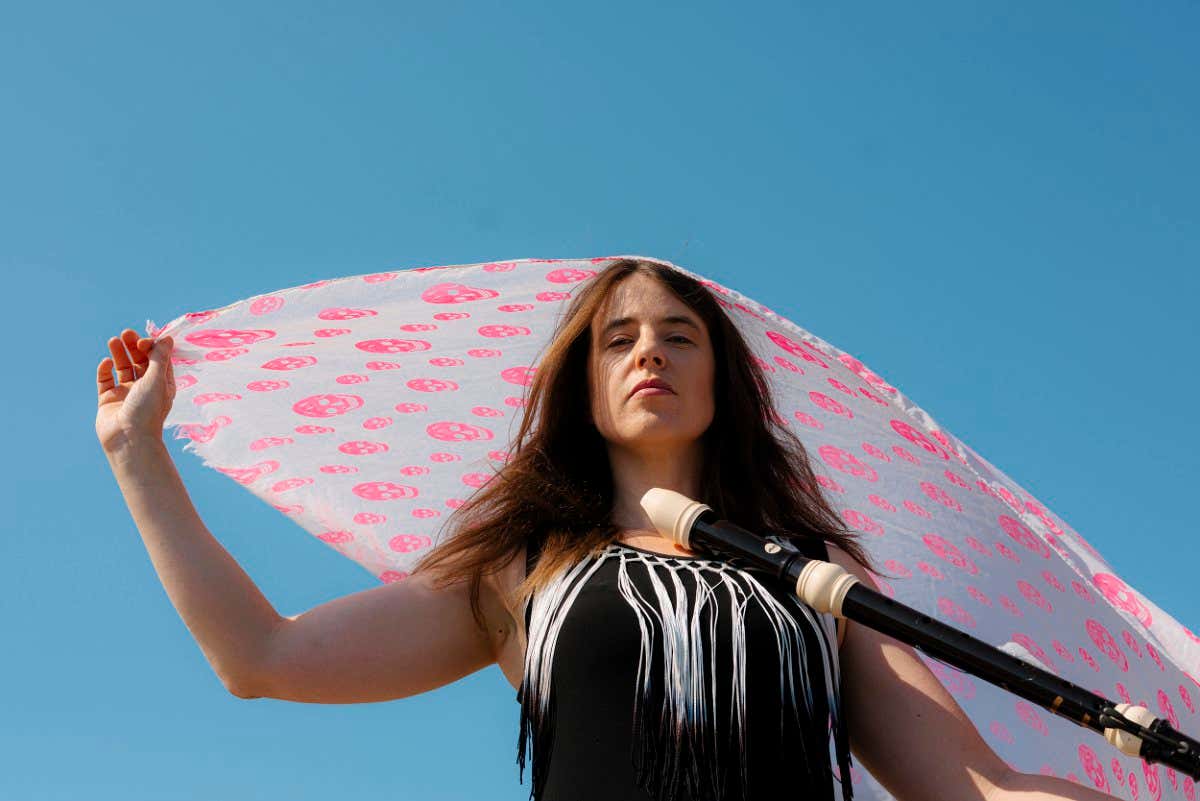

Don’t Miss: Innervate, an EP reflecting on epilepsy by Liza Bec

Don’t Miss: Innervate, an EP reflecting on epilepsy by Liza Bec

1 February 2023

New Scientist's weekly round-up of the best books, films, TV series, games and more that you shouldn’t miss


(from left) M3GAN and Cady (Violet McGraw) in M3GAN, directed by Gerard Johnstone.

M3gan review: A chilling sci-fi film about the dangers of AI care

25 January 2023

It pays to know what you really need from a sophisticated learning machine, particularly if you don't want a killer robot on your hands, says Simon Ings


Star Wars: The Bad Batch

Don’t Miss: Star Wars animation The Bad Batch is back with a vengeance

25 January 2023

New Scientist's weekly round-up of the best books, films, TV series, games and more that you shouldn’t miss
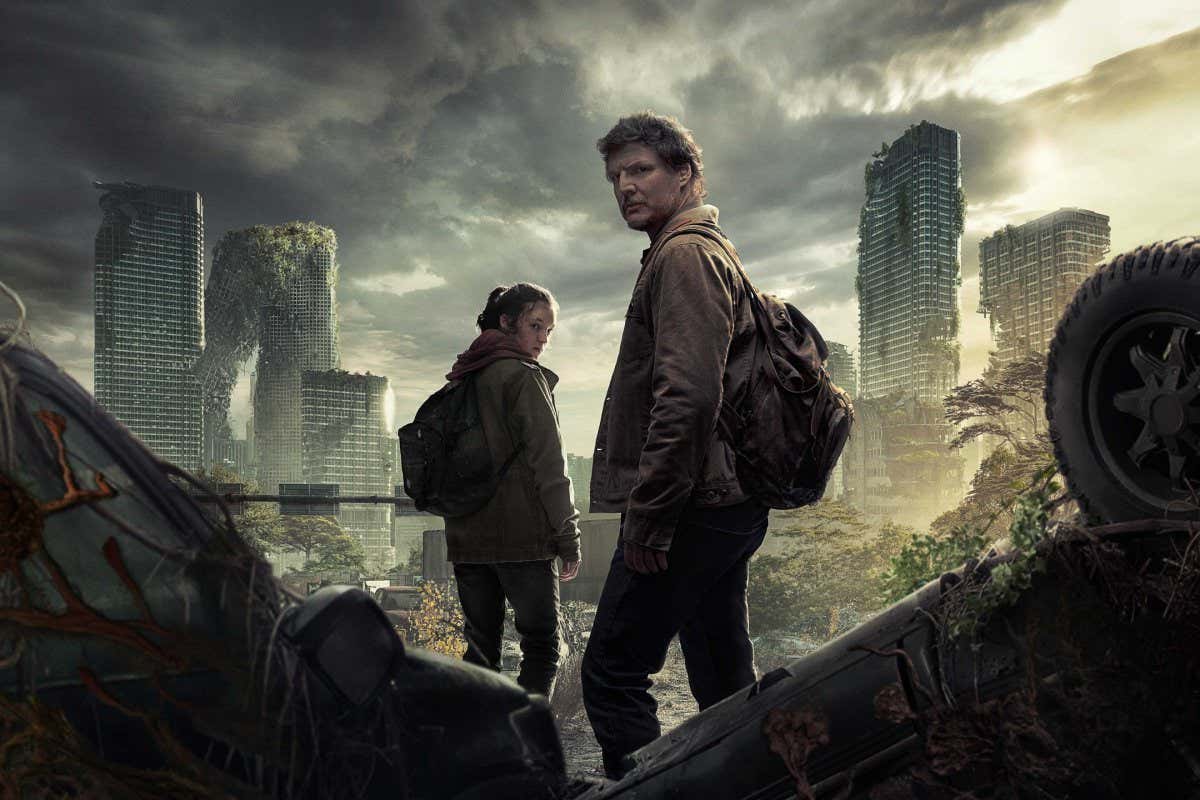

THE LAST OF US takes place 20 years after modern civilization has been destroyed. Joel, a hardened survivor, is hired to smuggle Ellie, a 14-year-old girl, out of an oppressive quarantine zone. What starts as a small job soon becomes a brutal and heartbreaking journey as they both must traverse the U.S. and depend on each other for survival.

The Last of Us review: An excellent example of fungal horror

18 January 2023

From Hannibal to Whitechapel and now this fine adaptation of a bestselling video game, why do fungi so often steal the show in TV thrillers, wonders Bethan Ackerley


Sign up to our weekly newsletter

Receive a weekly dose of discovery in your inbox. We'll also keep you up to date with New Scientist events and special offers.

Sign up
Piano Exit Overlay Banner Mobile Piano Exit Overlay Banner Desktop