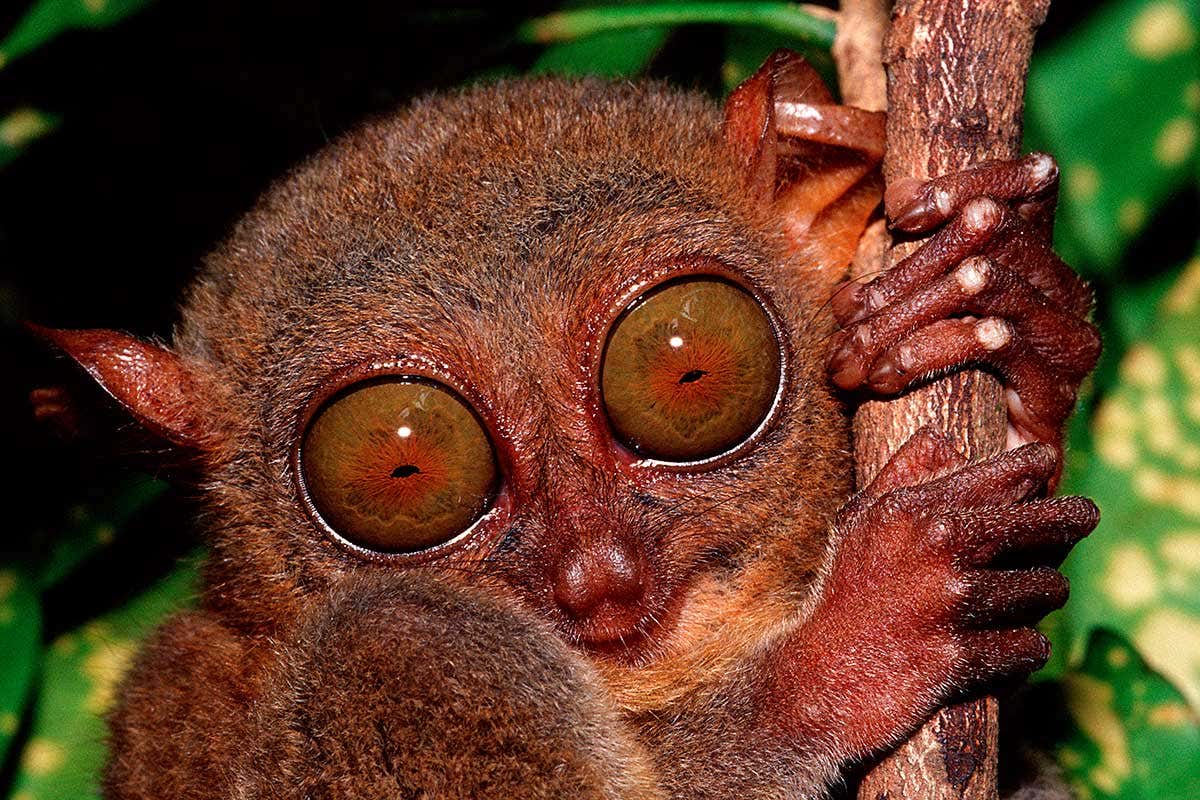
Surprise! Having a big brain really does mean having less muscle
28 February 2018
It’s an evolutionary mystery how humans and other primates found the energy to support their large brains, but now it seems sacrificing some muscle might have helped
28 February 2018
It’s an evolutionary mystery how humans and other primates found the energy to support their large brains, but now it seems sacrificing some muscle might have helped
9 February 2018
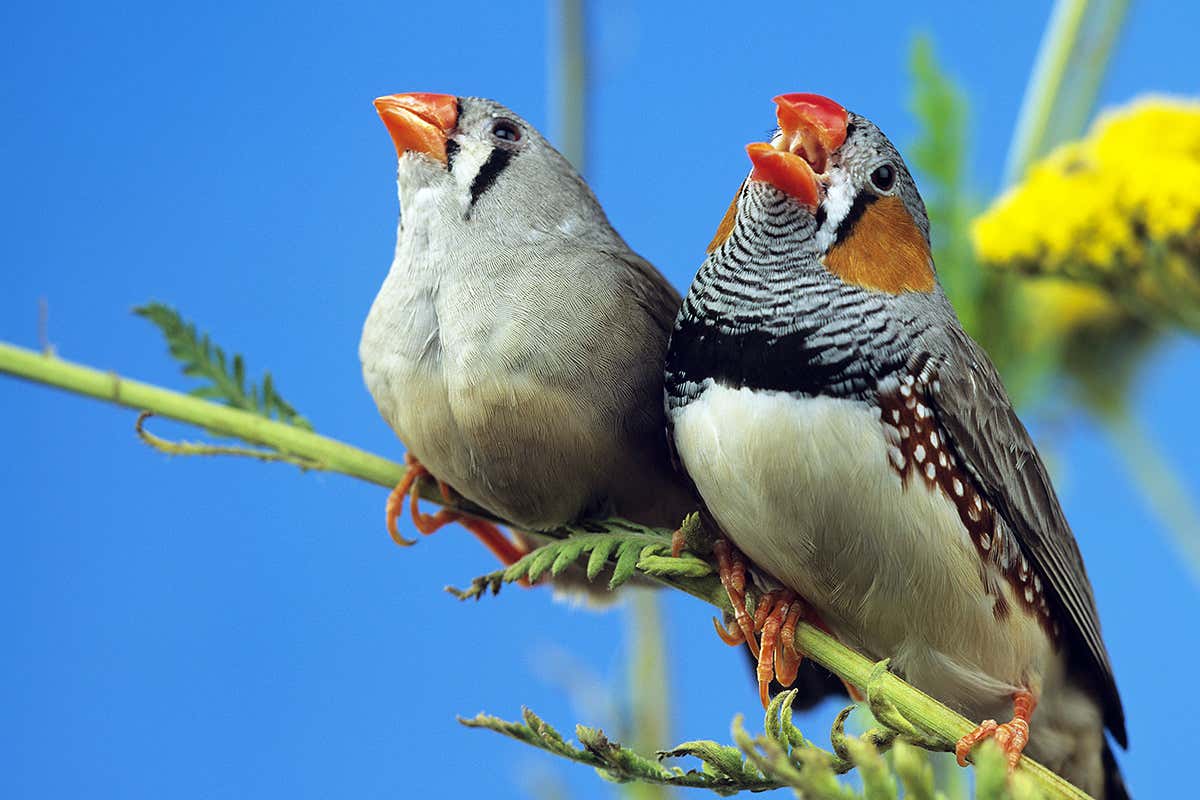
Zebra finches sing during the day, and at night while they sleep their vocal organs act out the motions of singing, a bit like a sleepwalking person

8 November 2017
The animals were as good as humans at recognising mugshots of the same celebs from different angles, showing sophisticated brain processing of imagery
10 October 2017
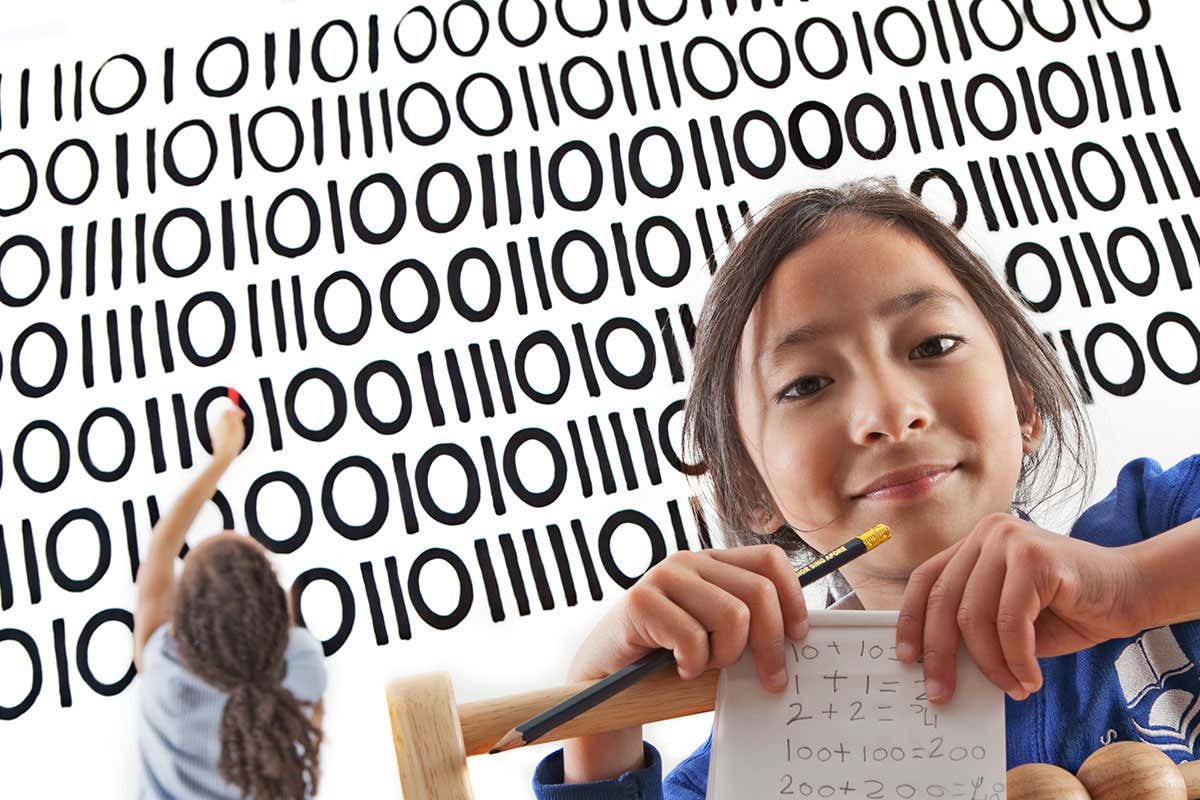
Arguments over the causes of the gender gap in STEM jobs rage on. It's not due to hormones or innate brain differences, says Lise Eliot
30 August 2017
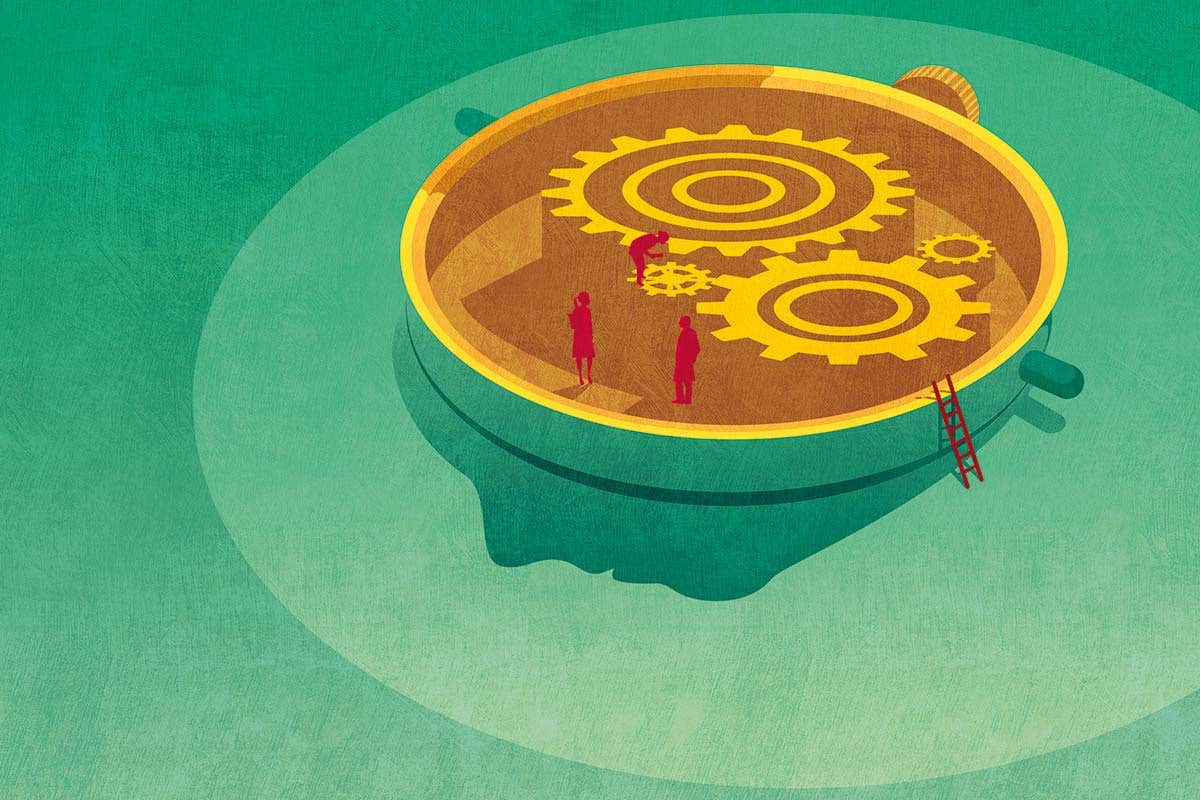
Brain changes during menopause that resemble Alzheimer's hint at how the disease starts and could help us stop it in its tracks
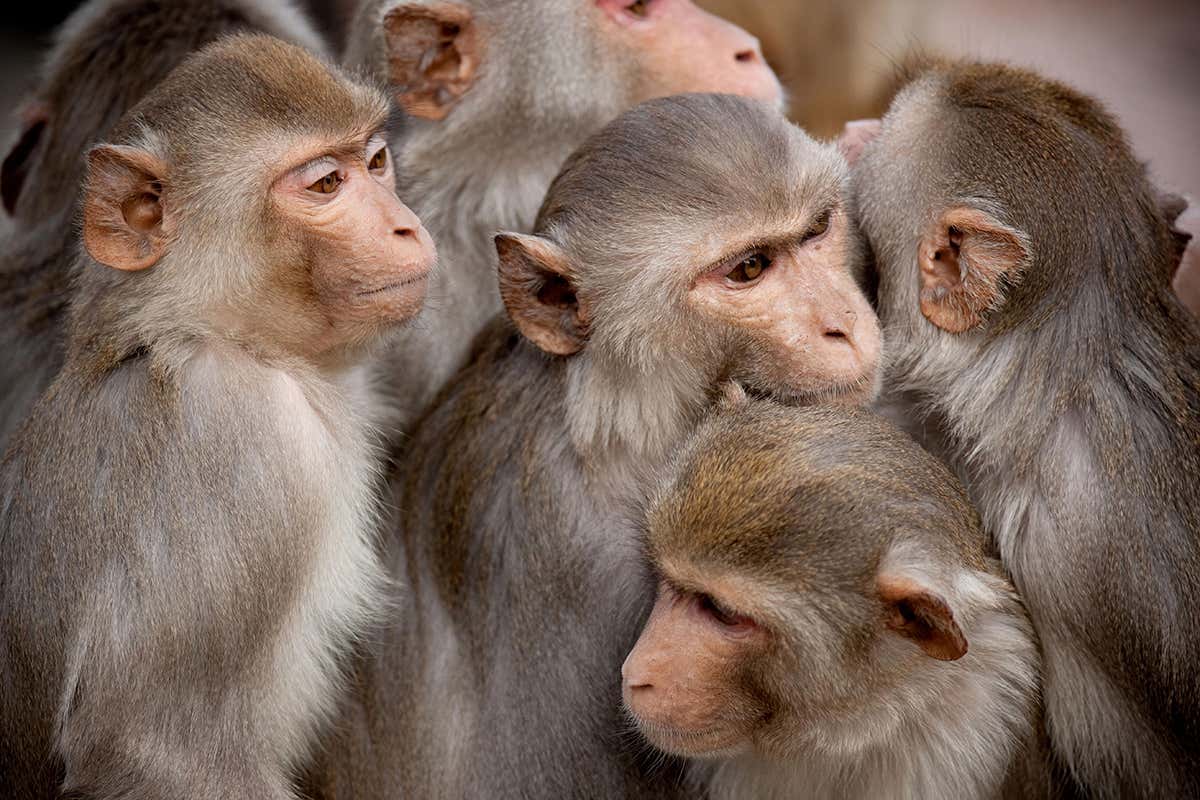
10 August 2017
Two newly identified brain areas reveal how rhesus macaques recognise the difference between intimately familiar faces and faces that the monkeys know less well
9 August 2017
Does testosterone make men bald? Is there a love hormone? Do pregnancy hormones turn your brain to mush? New Scientist sifts the facts from the fiction
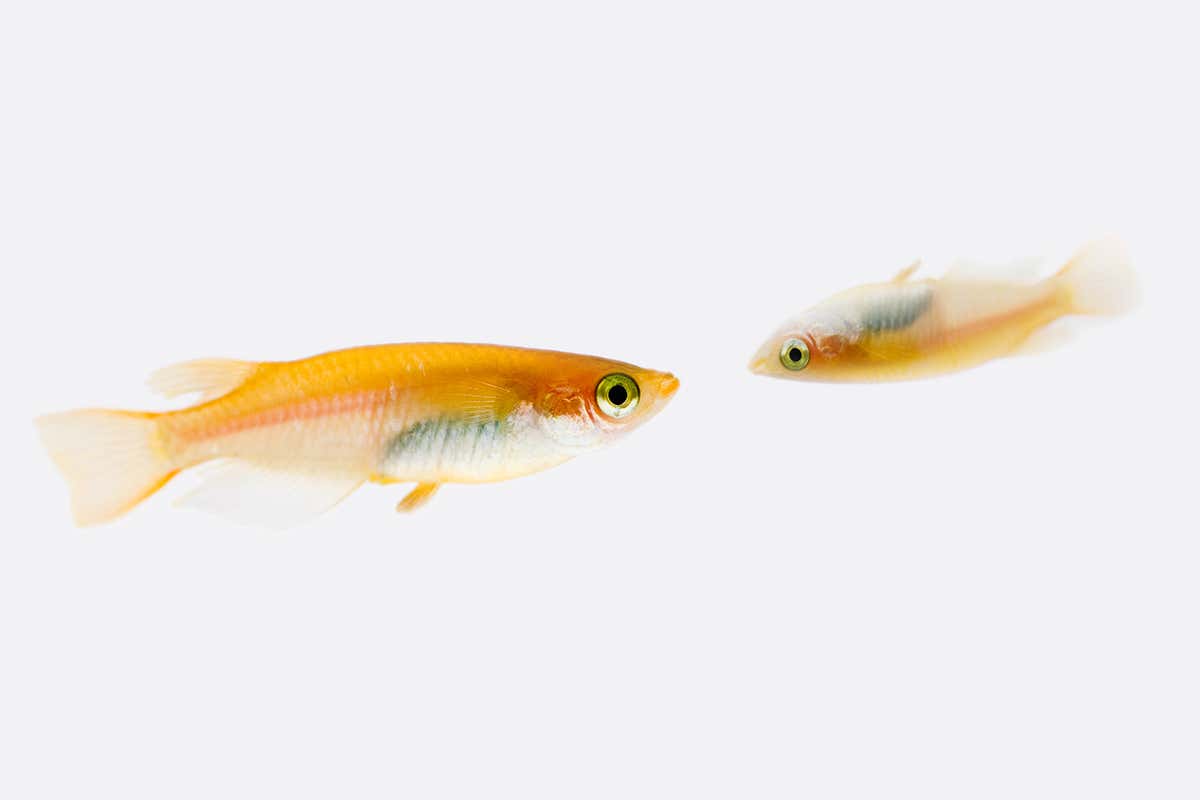
26 July 2017
Just like humans, the medaka fish that lives in rice paddies is good at identifying faces – but, again like us, it struggles when faces are the wrong way up
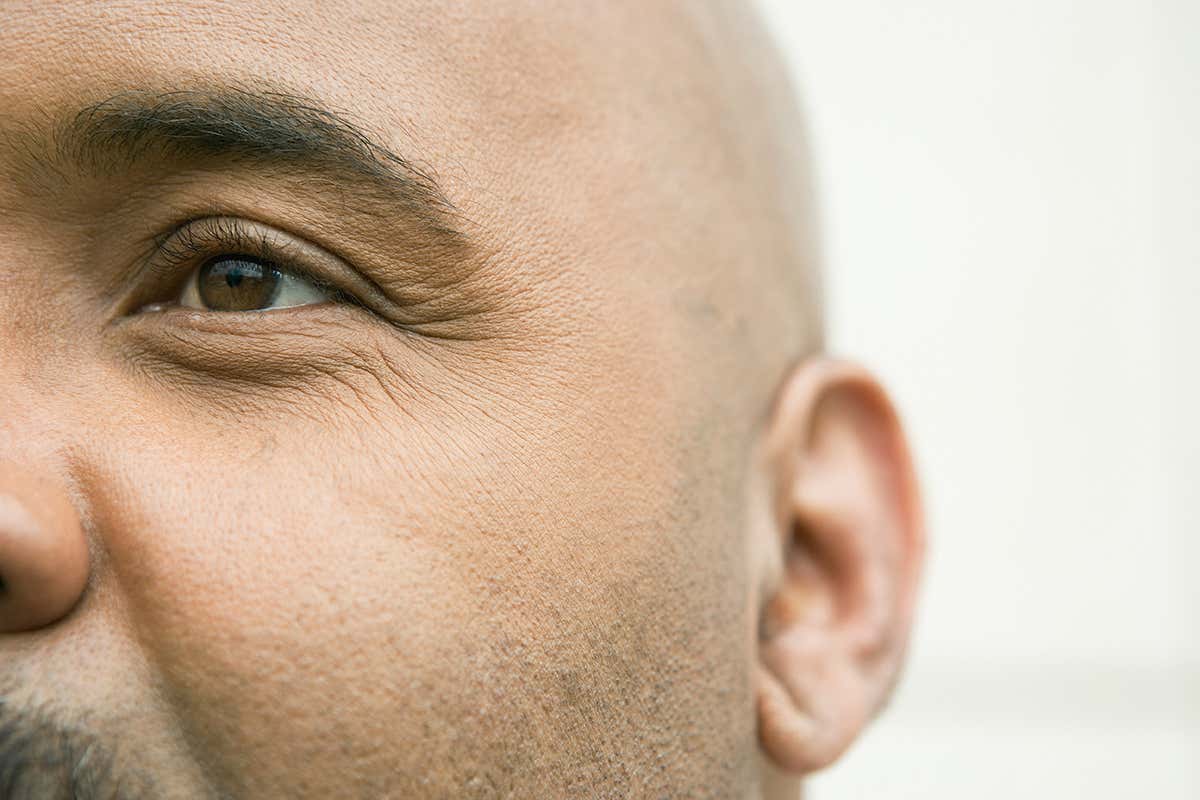
21 July 2017
It turns out our eardrums seem to change position in coordination with our eye movements. This may help our brains link what we see and hear
12 July 2017
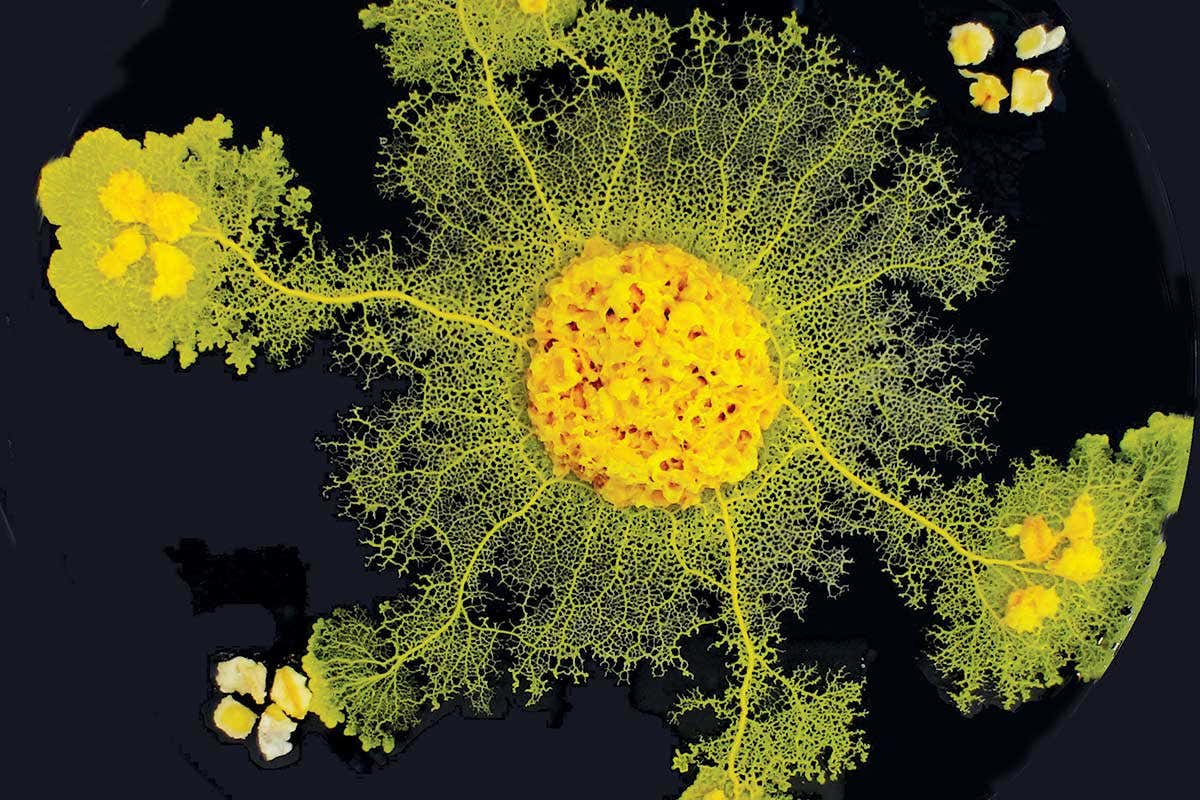
Understanding how things like slime moulds and plants can learn without a brain or even any neurons could help us fight diseases and make smarter machines
