Subscribe now
Found 145 results for dwarf planet
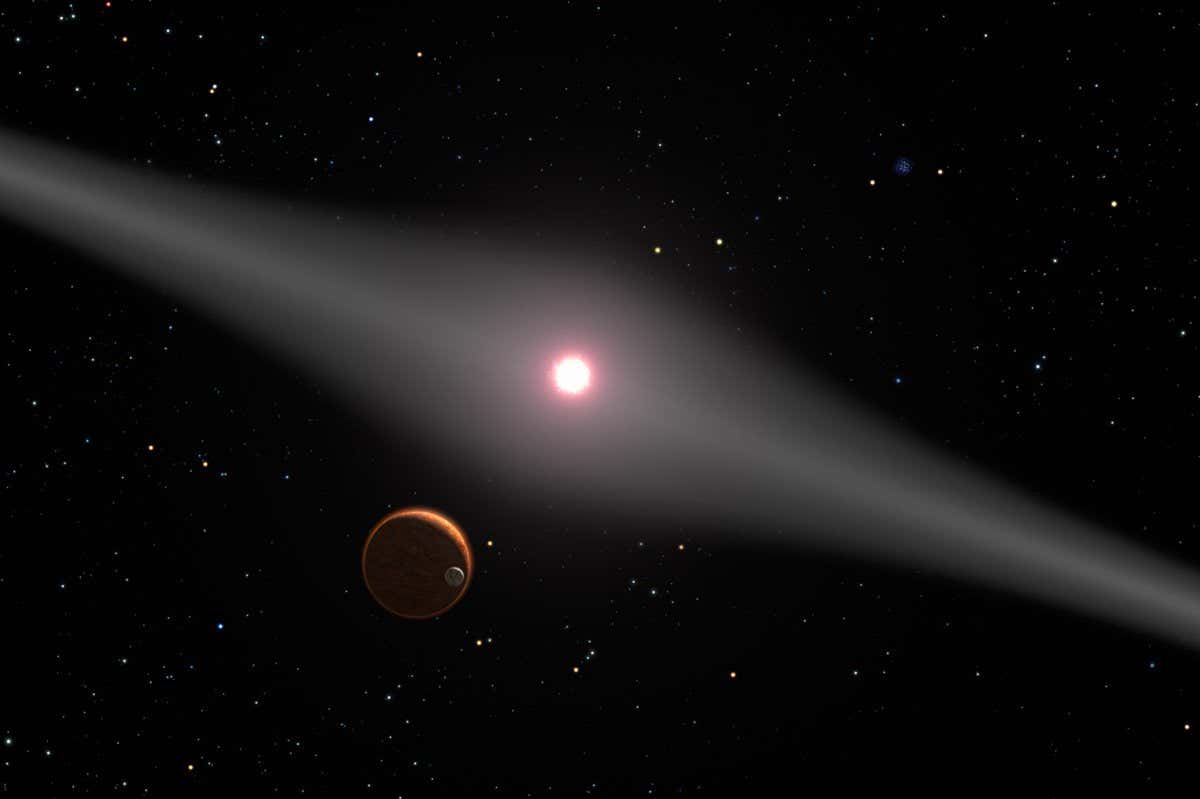
KRB4DP This is an artist's impression of the view from the vicinity of a hypothetical terrestrial planet and moon orbiting the red dwarf star AU Microscopii. The relatively newborn 12 million year-old star is surrounded by a very dusty disk of debris from the collision of comets, asteroids, and planetissimals swirling around the young star. Though no planets have been discovered around the star, the disk is strong circumstantial evidence for planets. Not only is it dusty, but also it is warped, possibly by the pull of one or more planets. In this view the glow of starlight reflecting off the disk cre

Mysterious cold blobs may be hiding inside a distant star

10 June 2022

A small star called AU Microscopii seems to contain strange pockets of hydrogen that are more than 1500°C cooler than the rest of the star, and astronomers aren’t sure why
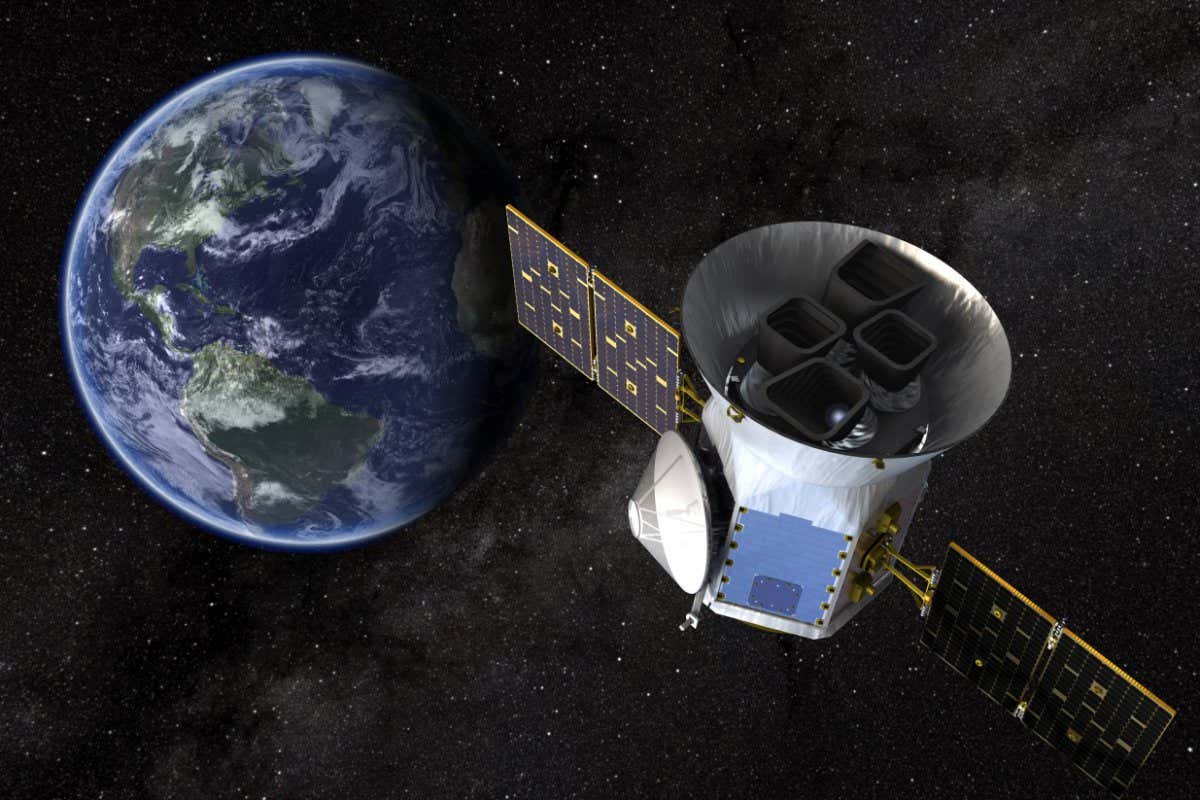

TESS spacecraft in front of Earth and the moon TESS will look at the nearest, brightest stars to find planetary candidates that scientists will observe for years to come. Credits: NASA's Goddard Space Flight Center As the search for life on distant planets heats up, NASA?s Transiting Exoplanet Survey Satellite (TESS) is bringing this hunt closer to home. Launching in 2017-2018, TESS will identify planets orbiting the brightest stars just outside our solar system using what?s known as the transit method. When a planet passes in front of, or transits, its parent star, it blocks some of the star's light. TESS searches for these telltale dips in brightness, which can reveal the planet's presence and provide additional information about it.

Search starlight to help astronomers discover new exoplanets

4 May 2022

Comb through observations from NASA's Transiting Exoplanet Survey Satellite to help find new planets, says Layal Liverpool


New Scientist Default Image

Trying to pin down a planet is pointless

27 April 2022


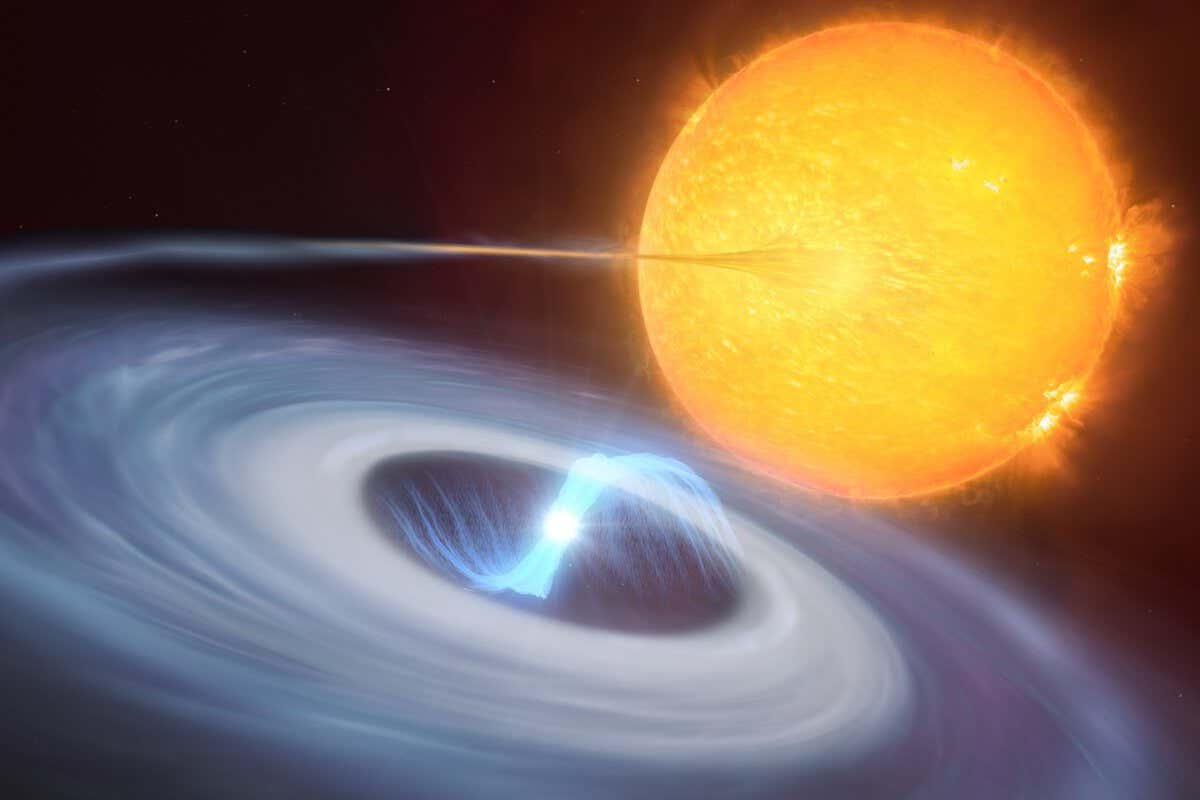
This artist???s impression shows a two-star system where micronovae may occur. The blue disc swirling around the bright white dwarf in the centre of the image is made up of material, mostly hydrogen, stolen from its companion star. Towards the centre of the disc, the white dwarf uses its strong magnetic fields to funnel the hydrogen towards its poles. As the material falls on the hot surface of the star, it triggers a micronova explosion, contained by the magnetic fields at one of the white dwarf???s poles.

Small explosions called micronovae discovered on dead stars

20 April 2022

Micronovae are about 1 million times less bright than a classical nova and last just half a day, but they release as much energy as the sun would in a day

Exoplanet

Astronomers still can't agree on what counts as a planet

25 March 2022

In 2006, the International Astronomical Union came up with a new way to classify planets that famously saw Pluto downgraded. Now a new row has started as astronomers try to define exoplanets
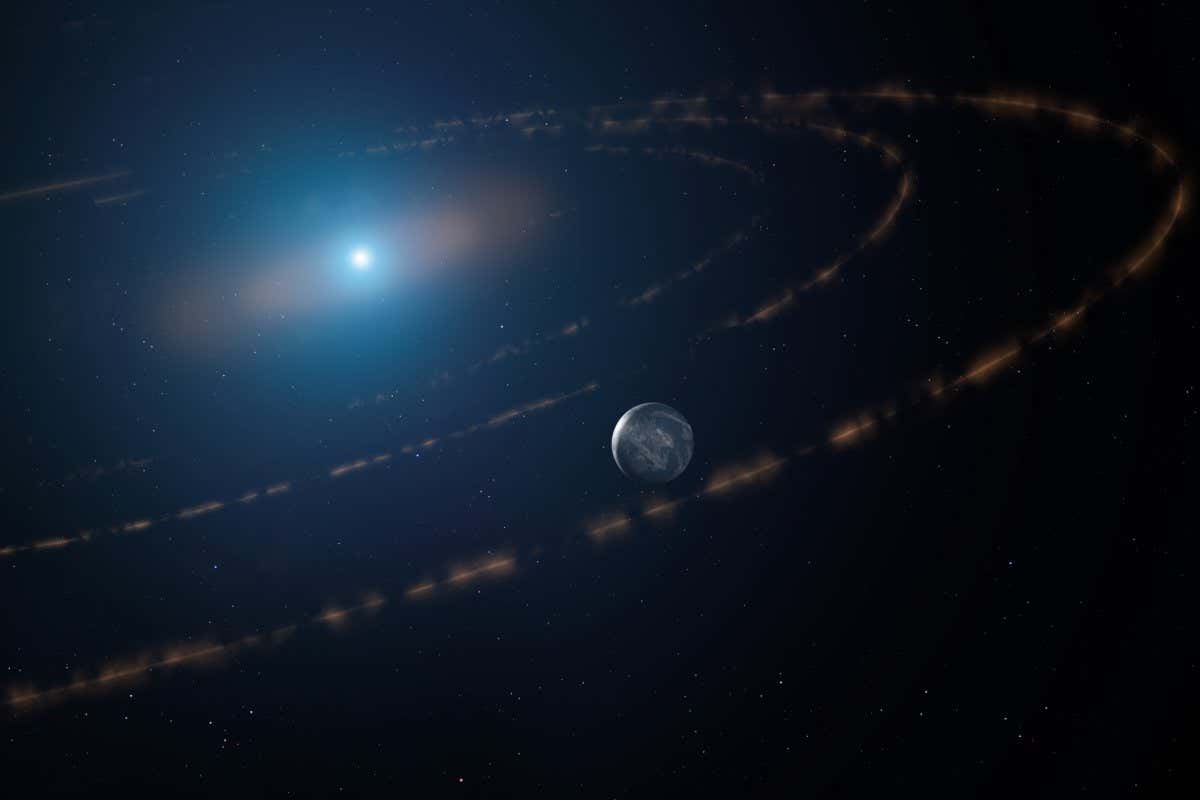

An artist?s impression of the white dwarf star WD1054?226 orbited by clouds of planetary debris and a major planet in the habitable zone.

First hints of a planet orbiting in a white dwarf’s habitable zone

11 February 2022

Astronomers have found 65 evenly spaced rocks orbiting a white dwarf star in its habitable zone, hinting that a planet’s gravity may be holding them there
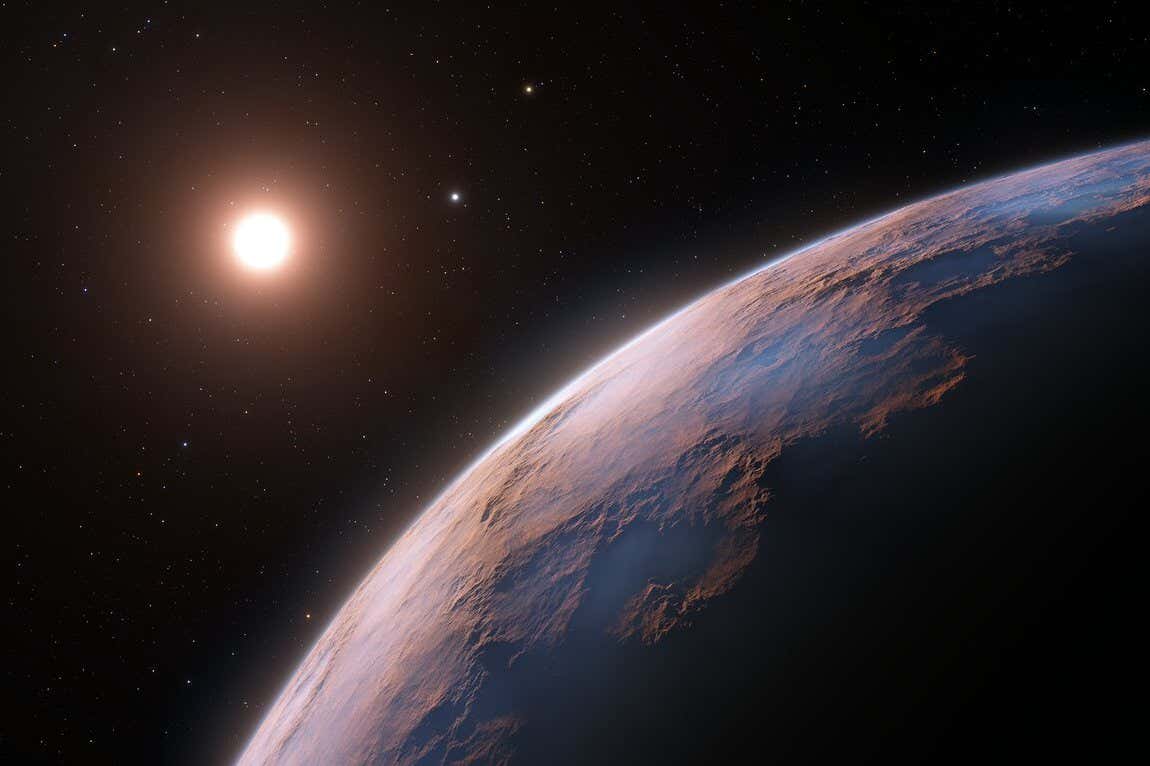

Proxima d

Tiny exoplanet Proxima d is third spotted in nearest star system to us

10 February 2022

A star system just 4.2 light years away called Proxima Centauri is already known to contain two exoplanets, and now astronomers have spotted a third
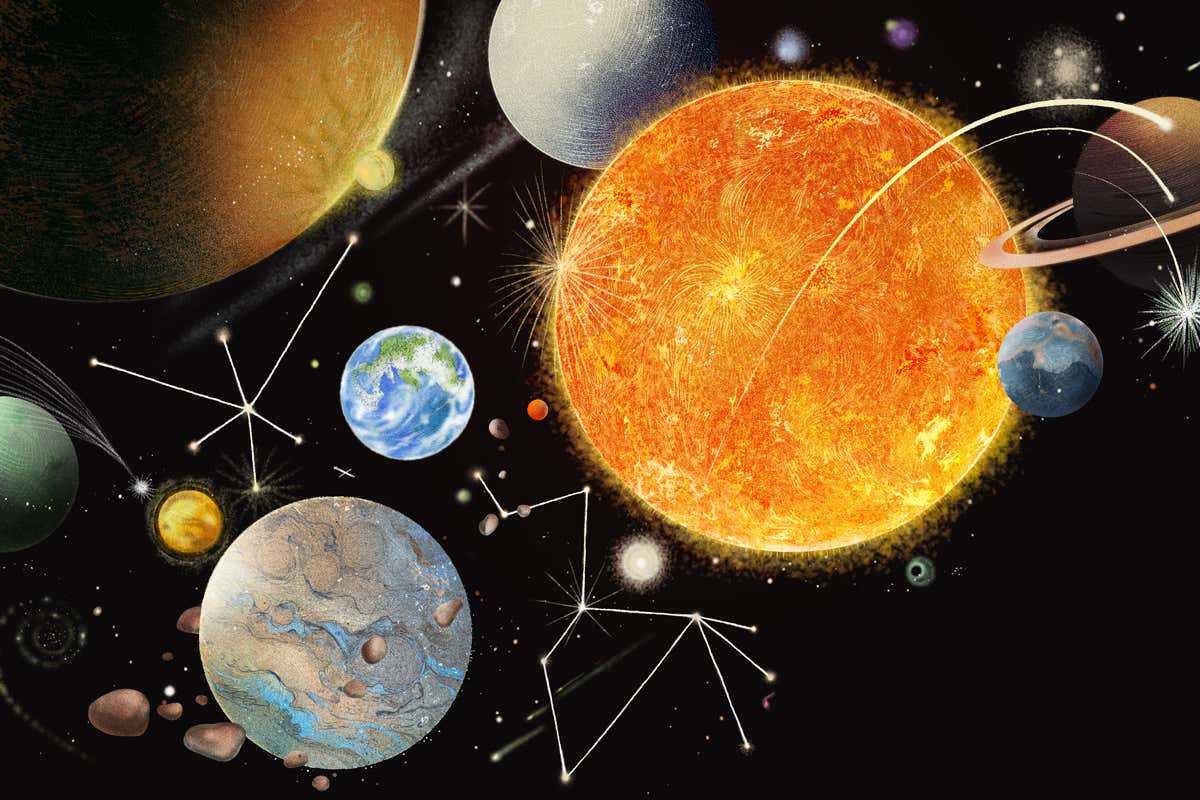

Is our solar system a cosmic oddity? Evidence from exoplanets says yes

Is our solar system a cosmic oddity? Evidence from exoplanets says yes

1 December 2021

When we started finding planetary systems around other stars we thought many of them would be like ours. We’ve now found hundreds – and it’s so far, so wrong
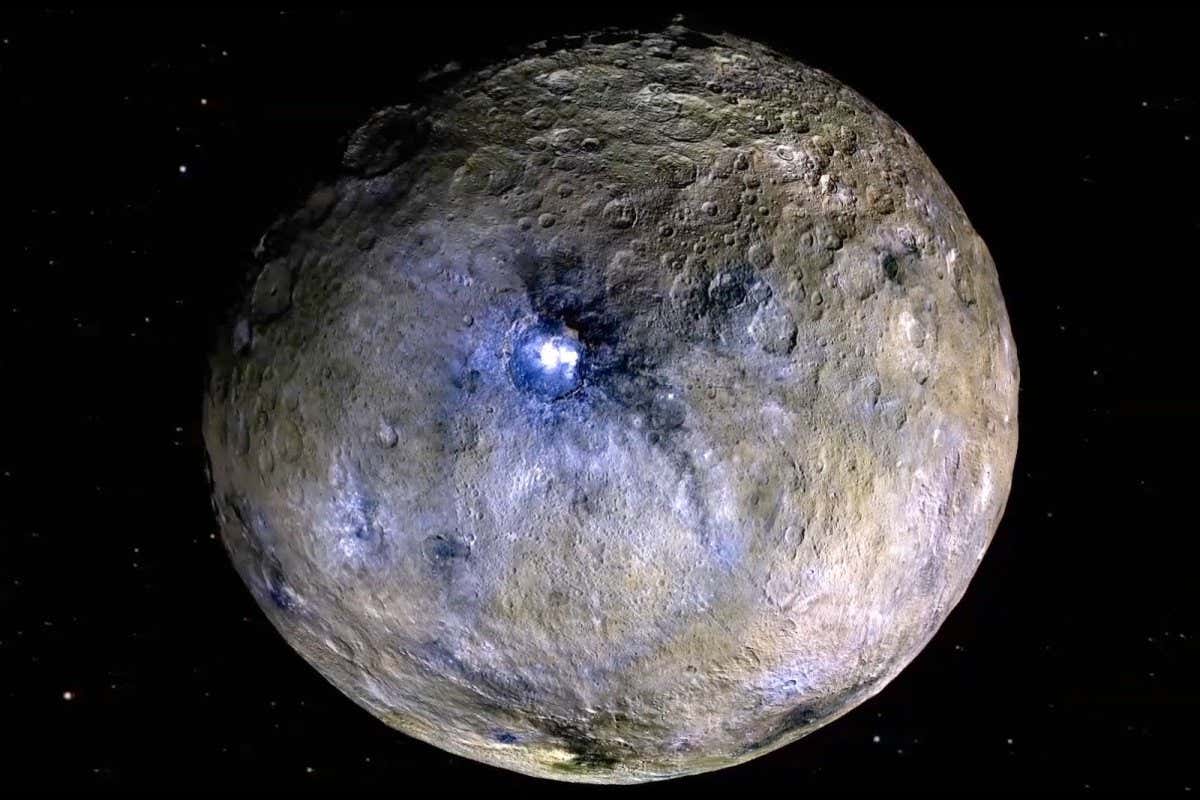

Dwarf planet Ceres is shown in these false-color renderings, which highlight differences in surface materials.

Now is the perfect time to see dwarf planet Ceres for yourself

24 November 2021

The only dwarf planet in the inner solar system, Ceres will be at its closest to Earth for a week from the end of November. Catch it while you can, says Abigail Beall
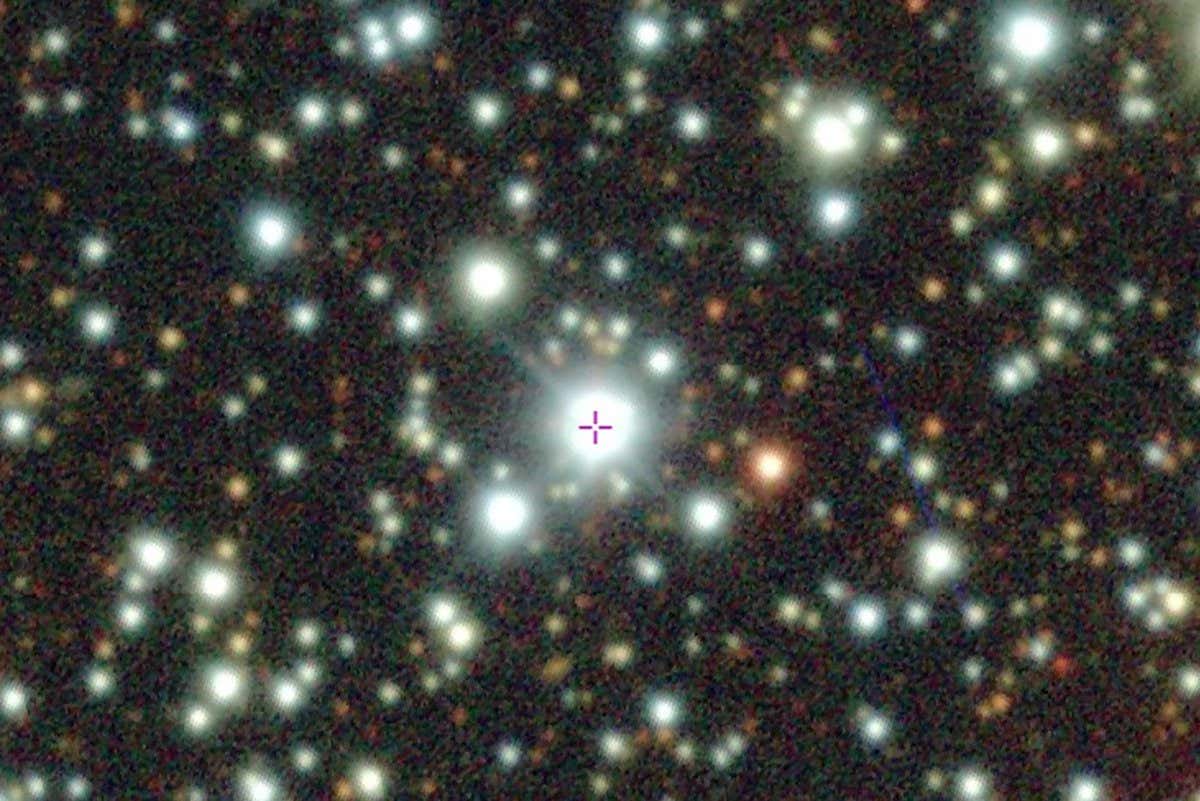

Stars imaged by the DECam Plane Survey TIC 400799224 is identified in the crosshairs.

Weird shape-shifting clouds of dust seem to be orbiting a distant star

14 October 2021

The light from a distant star appears to be orbited by something that is continually changing shape and size, possibly clouds of dust from repeated collisions


Sign up to our weekly newsletter

Receive a weekly dose of discovery in your inbox. We'll also keep you up to date with New Scientist events and special offers.

Sign up
Piano Exit Overlay Banner Mobile Piano Exit Overlay Banner Desktop