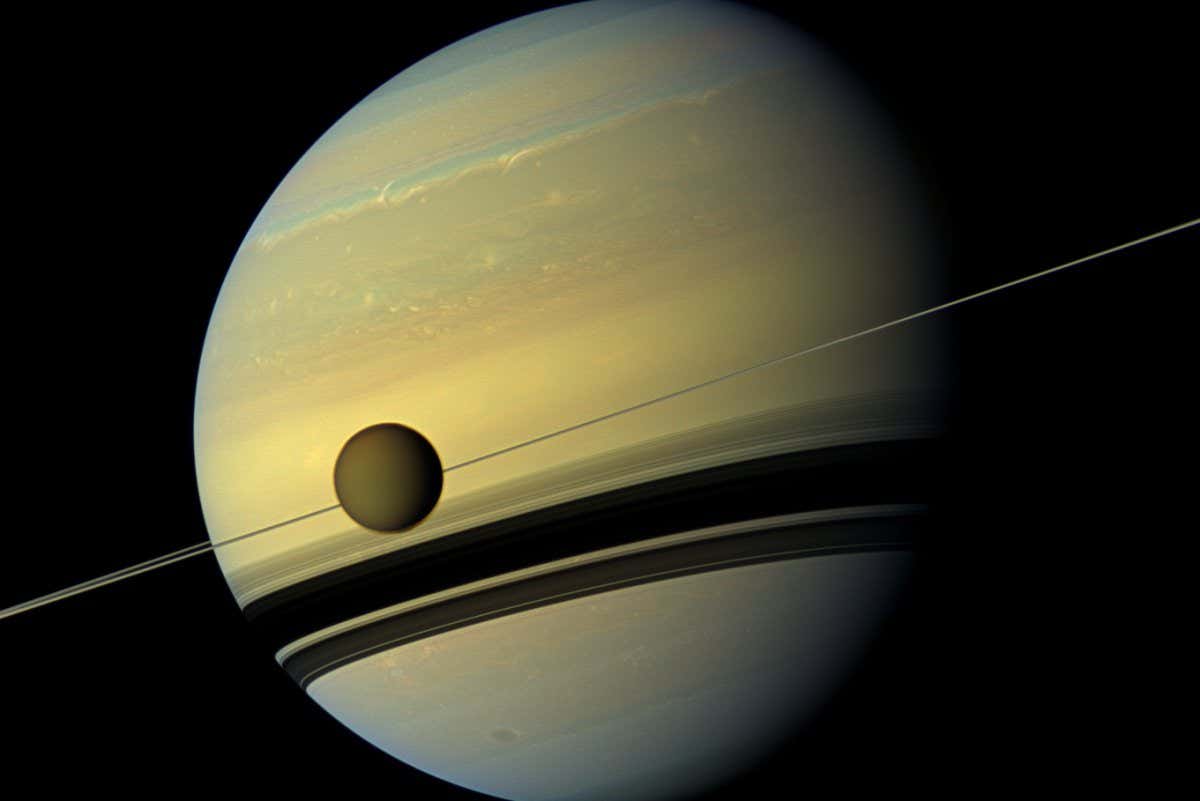
Saturn’s moon Titan may be doomed to fly away or smash into the planet
22 October 2021
Titan, Saturn’s largest moon, is slowly migrating away from the planet, which is tilting Saturn onto its side and may eventually doom the moon to orbital chaos
22 October 2021
Titan, Saturn’s largest moon, is slowly migrating away from the planet, which is tilting Saturn onto its side and may eventually doom the moon to orbital chaos
29 September 2021
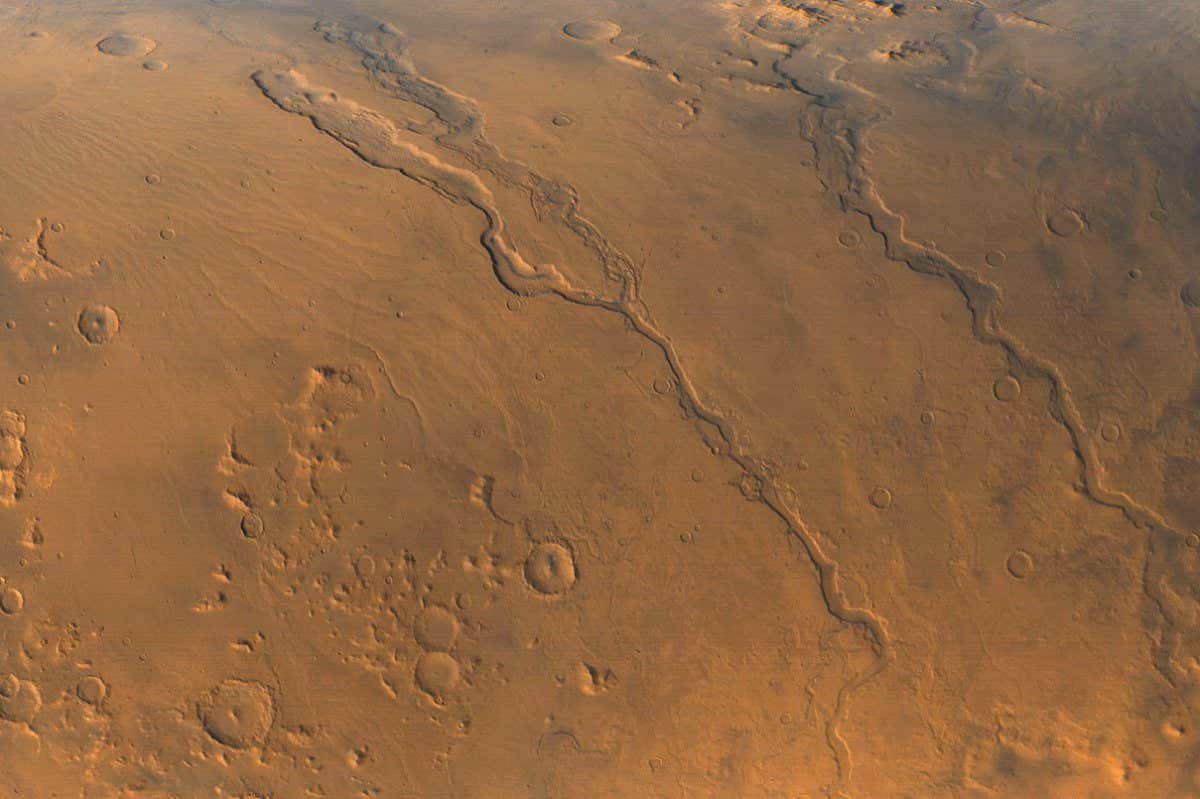
While most riverbeds on Earth are formed via slow erosion by running water, many of Mars’s deepest canyons appear to have been carved by sudden, catastrophic floods
28 September 2021
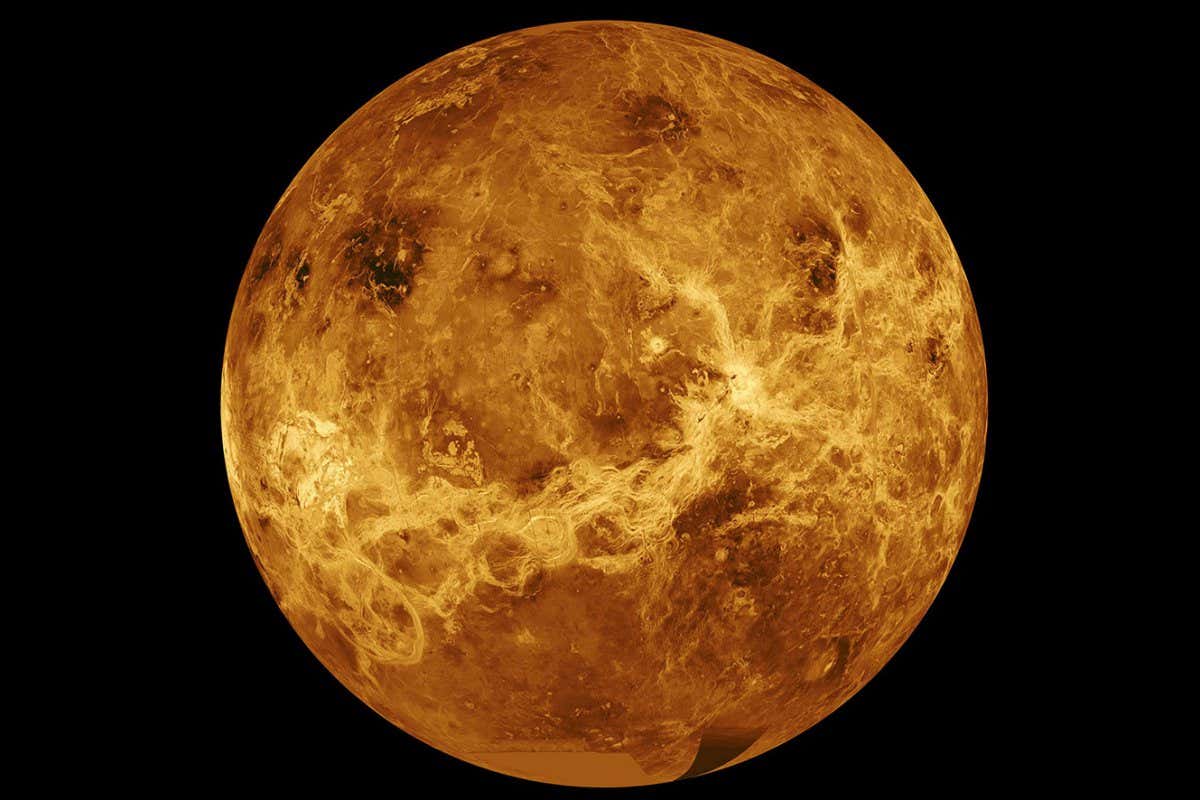
Previous research suggested Venus may have been habitable for 2 to 3 billion years, but that didn’t take into account the lack of plate tectonics, which affects CO2 levels and narrows the window for life on Venus
17 September 2021
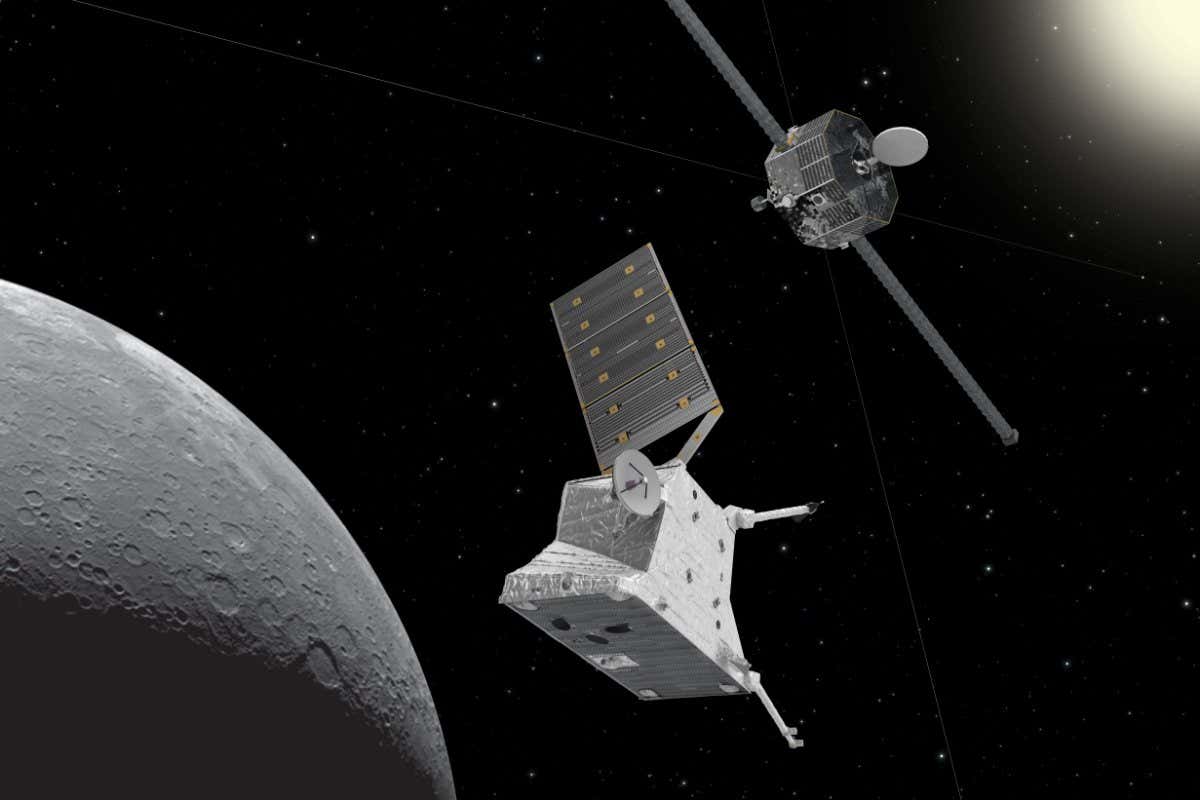
The BepiColombo mission will pass within about 200 kilometres of the surface of Mercury in October, where it will measure the planet’s magnetic field and exosphere
17 September 2021
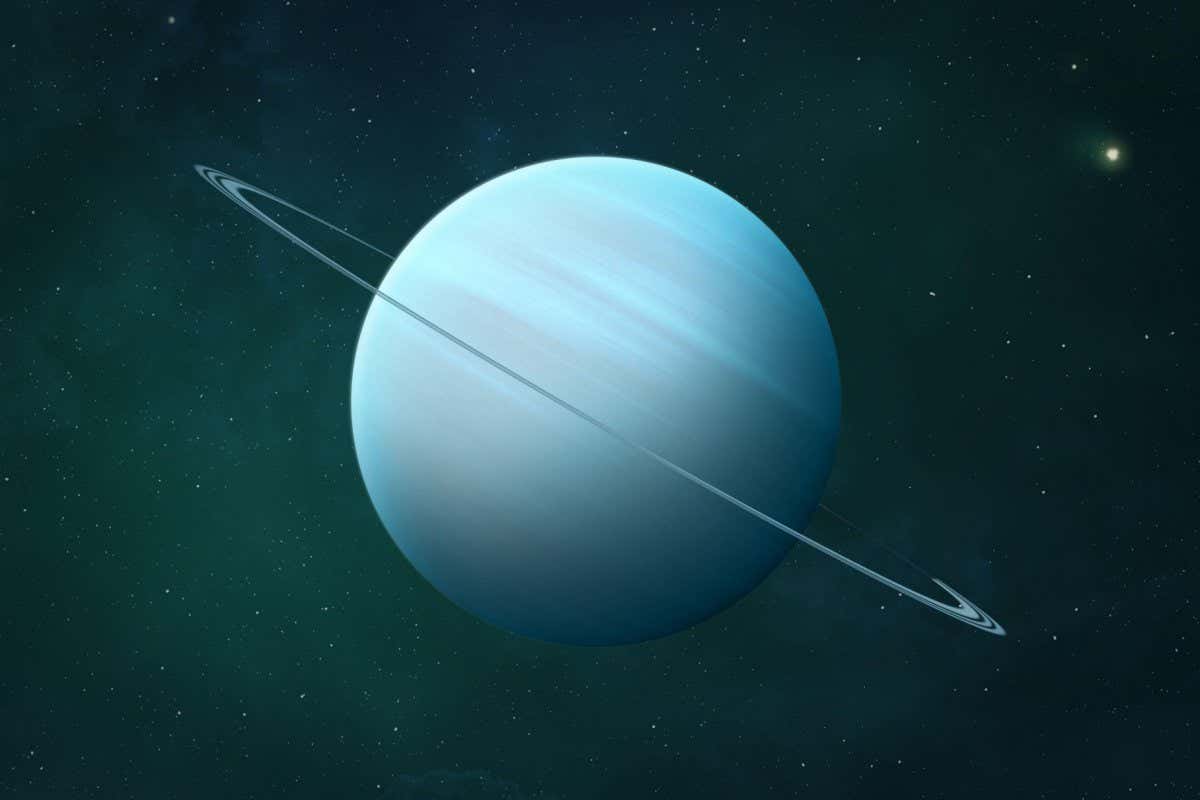
Uranus and Neptune appear to have less ammonia than expected, but it might have been hidden by slushy balls of ammonia and water that hail down deep into the planets’ atmospheres
12 August 2021
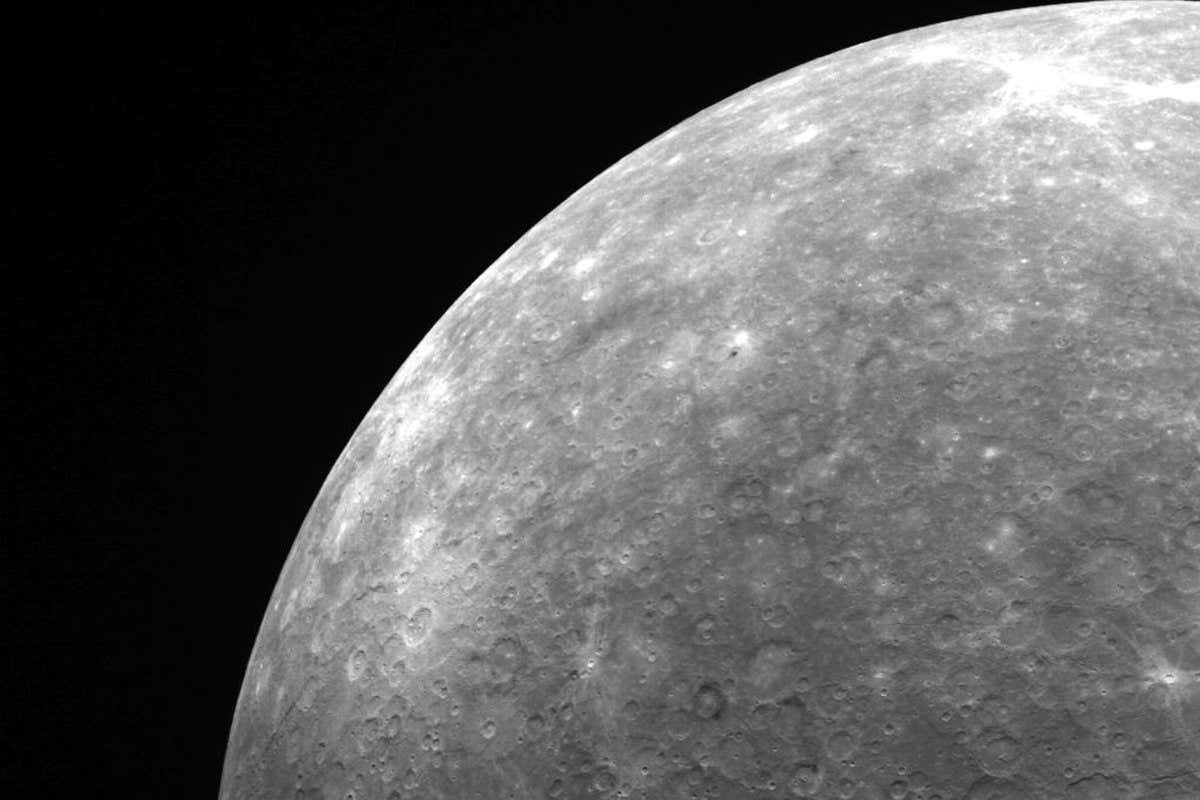
Researchers examined about 3000 of the best images we have of the planet Mercury, and only 14 of them contained boulders – far fewer big rocks than expected
6 August 2021
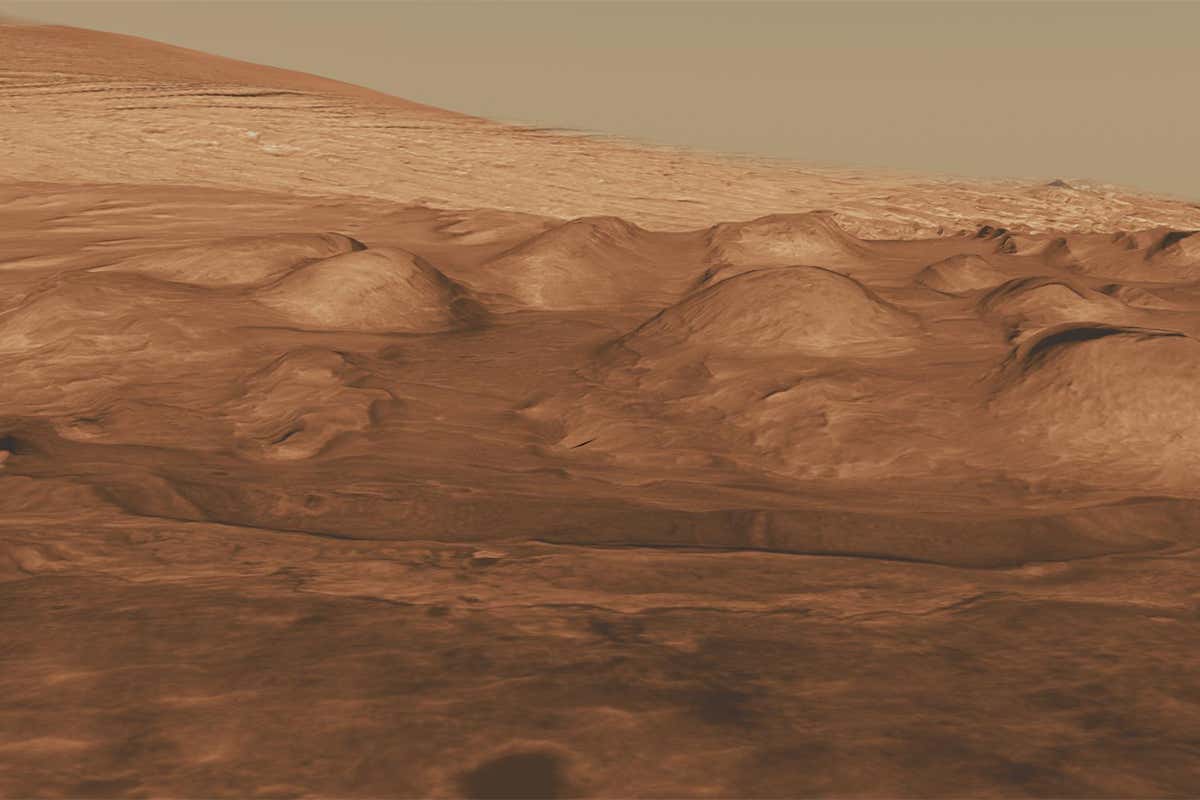
Gale crater, which NASA’s Curiosity rover has been exploring for the past eight years, was thought to have once held a huge lake – but it may have been more like a puddle
12 July 2021
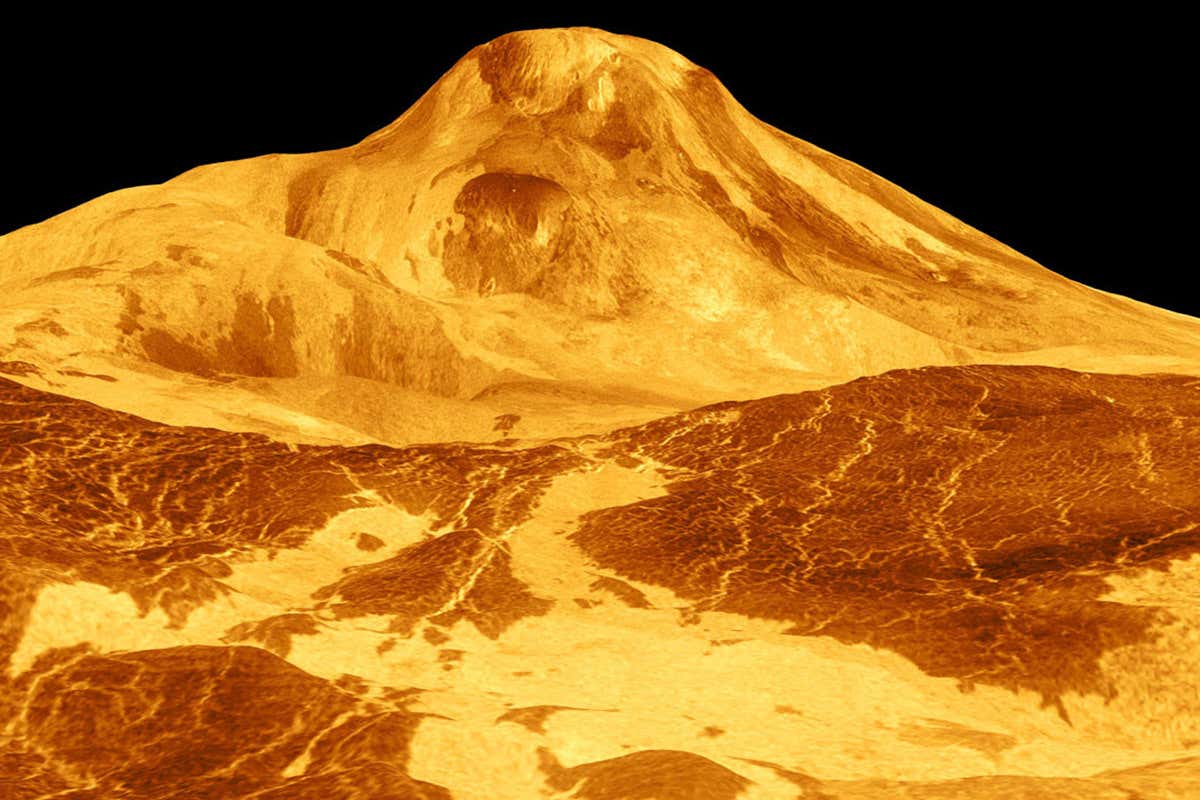
Phosphine gas in the atmosphere of Venus was considered a possible sign of life, but it could come from volcanic eruptions sending enormous plumes of lava into the air
9 July 2021
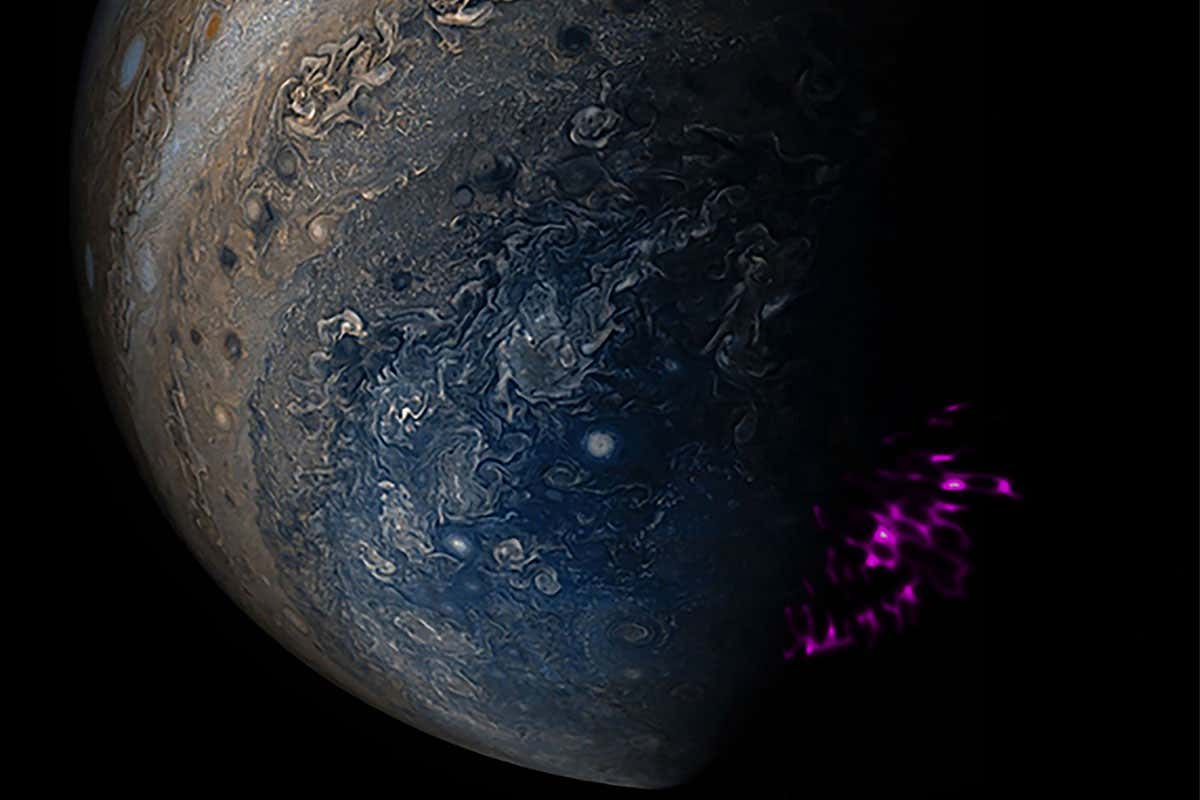
Jupiter blasts out strange X-ray flares that have gone unexplained for decades, and the mystery has now been solved by vibrations in the planet’s magnetic field
28 June 2021
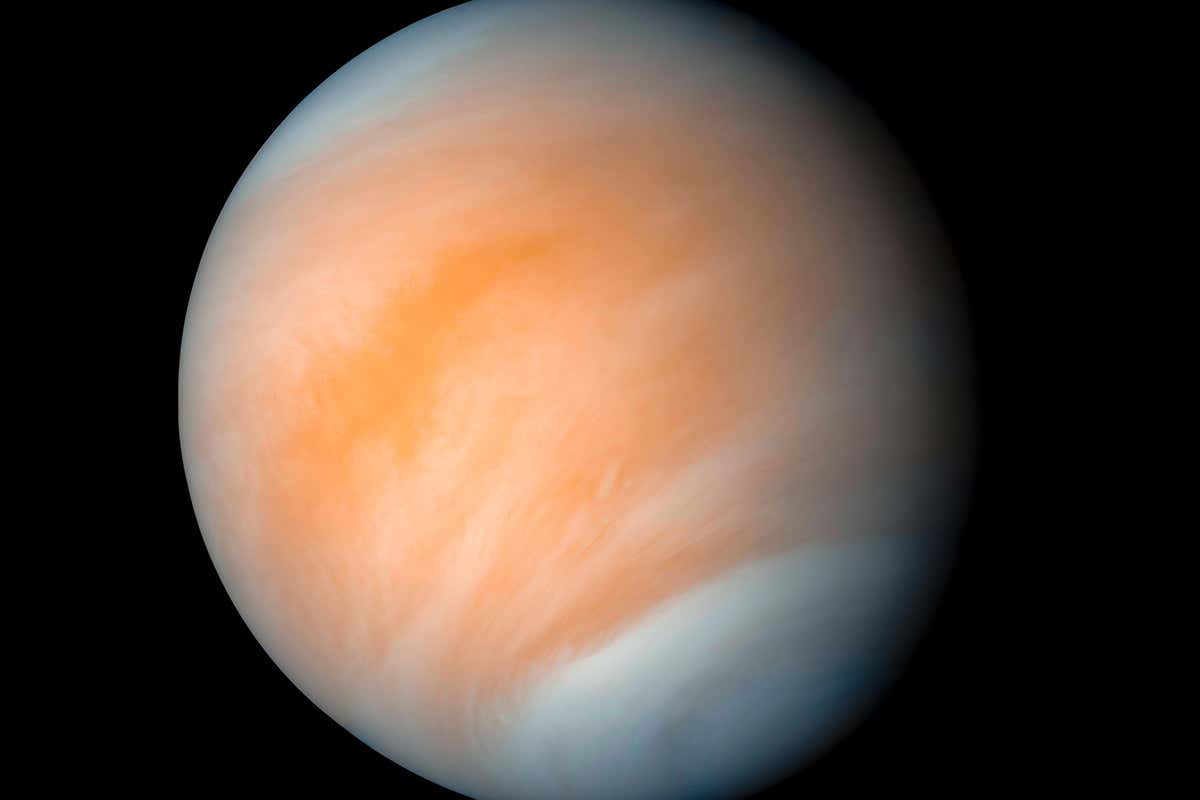
An analysis of Venus's toxic clouds found that the amount of water there is more than 100 times too low for life as we know it to survive, putting a damper on recent signs that organisms could potentially exist there
