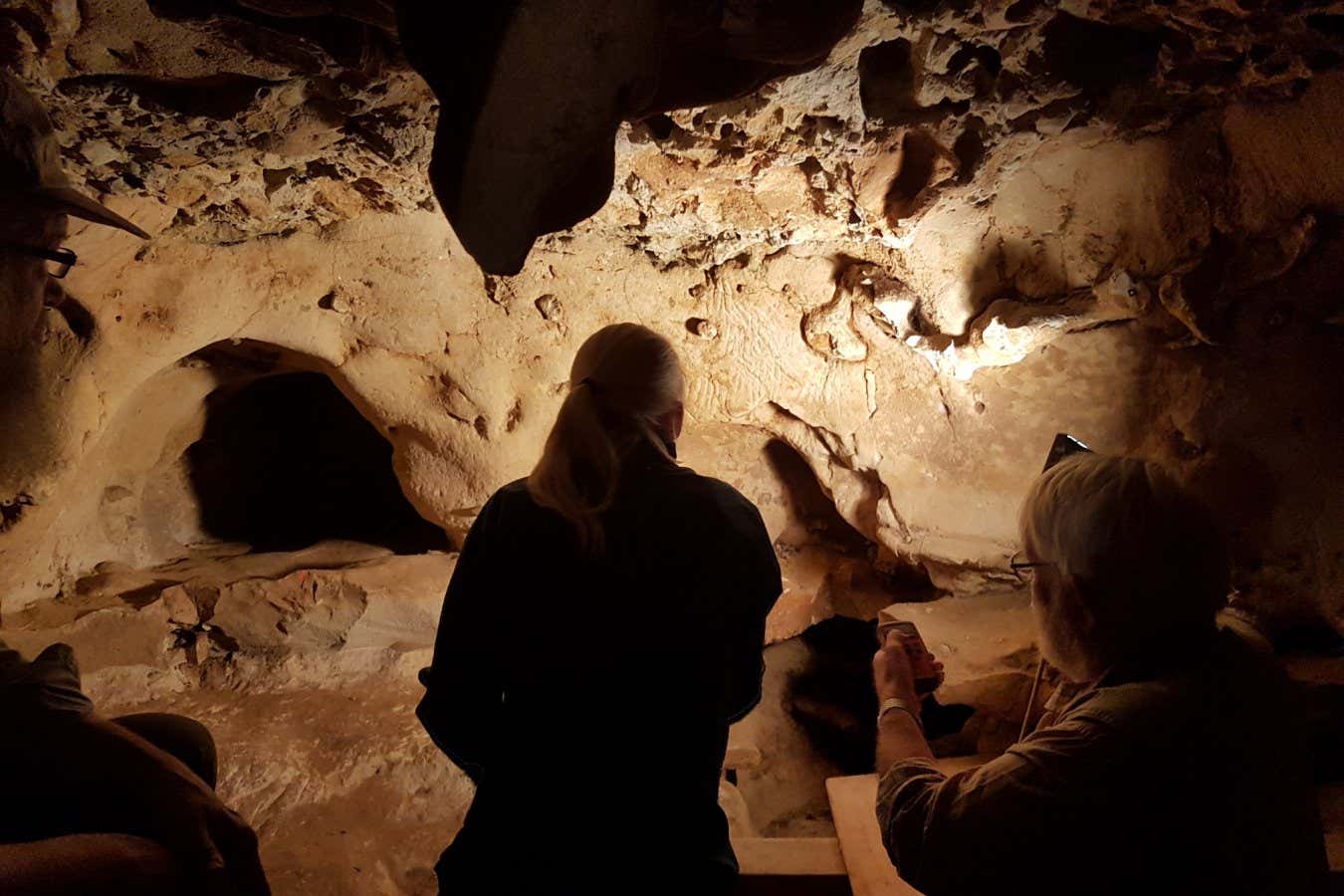
Finger marks on cave walls are among the earliest Neanderthal art
21 June 2023
Symbols have been found carved on the walls of a cave in France that was inhabited by Neanderthals before being sealed off at least 57,000 years ago
21 June 2023
Symbols have been found carved on the walls of a cave in France that was inhabited by Neanderthals before being sealed off at least 57,000 years ago
4 May 2023
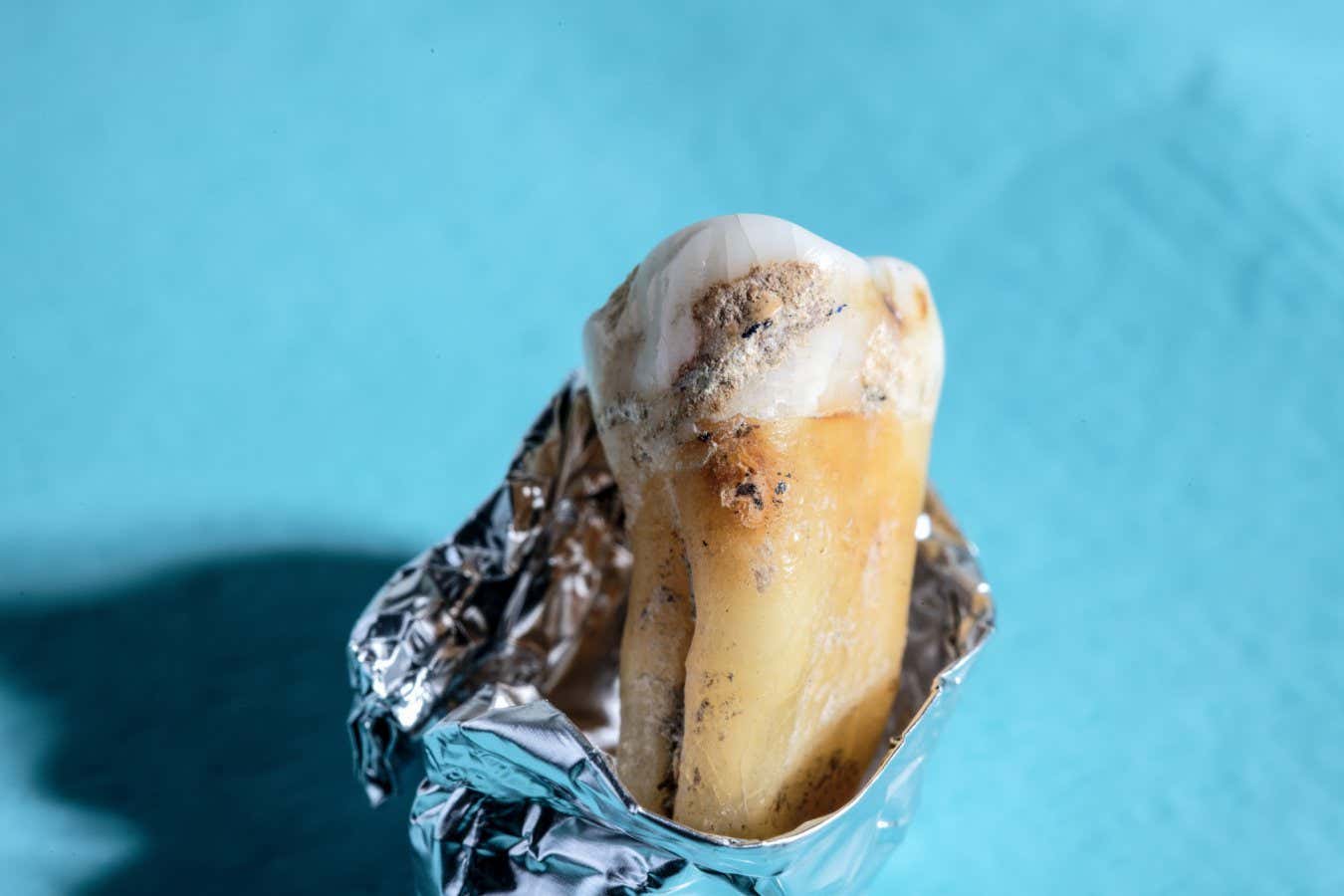
Researchers pieced together the genomes of two unknown species of green sulphur bacteria from DNA fragments found in ancient calcified tooth plaque
1 February 2023
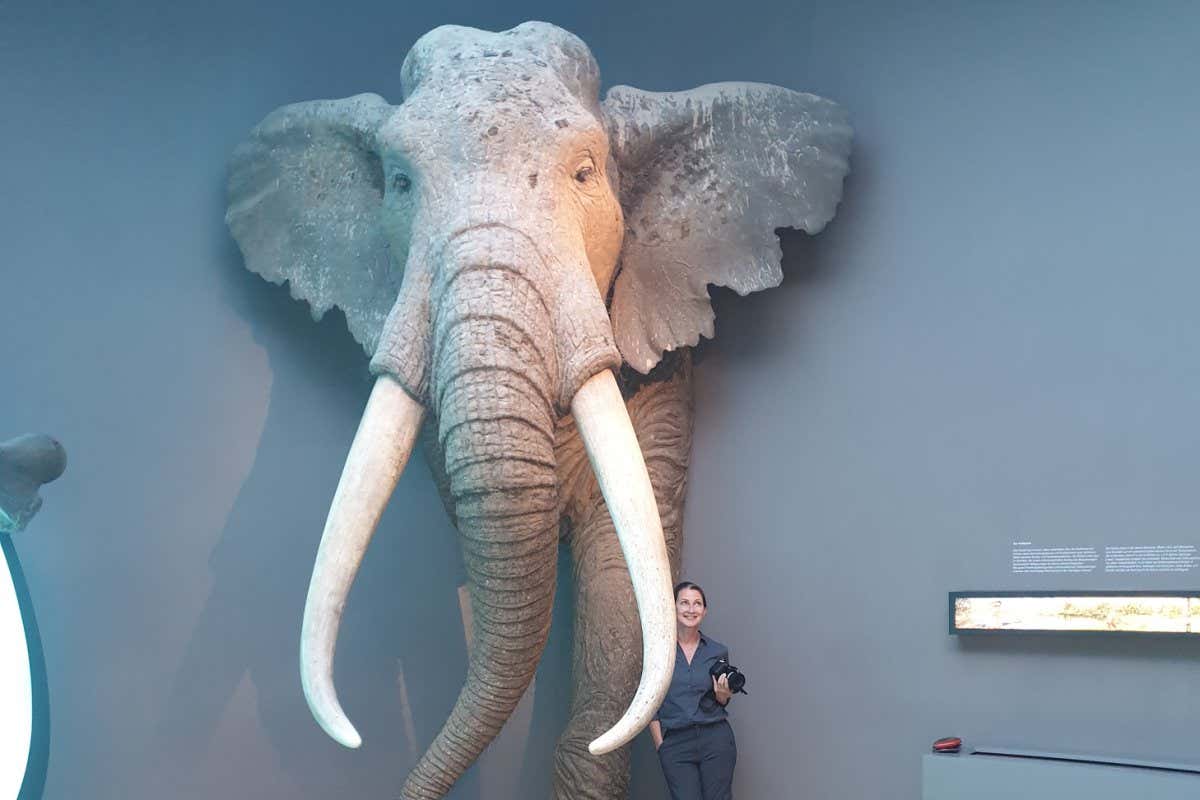
The extinct straight-tusked elephant was even larger than modern African elephants, making it unclear if Neanderthal hunters could take one down, but a newly analysed trove of bones suggests it was possible
19 October 2022
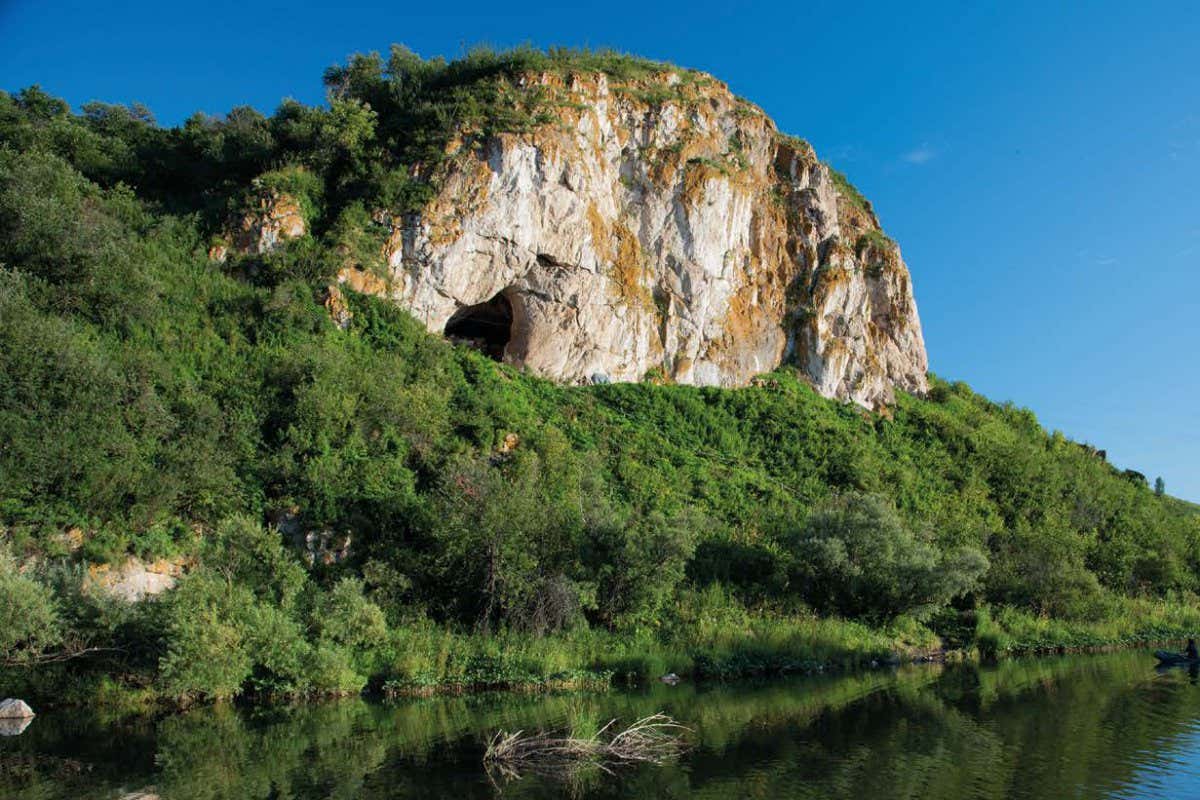
DNA from 11 individuals who lived in Chagyrskaya cave around 51,000 years ago suggests women moved between groups and also shows a high level of inbreeding
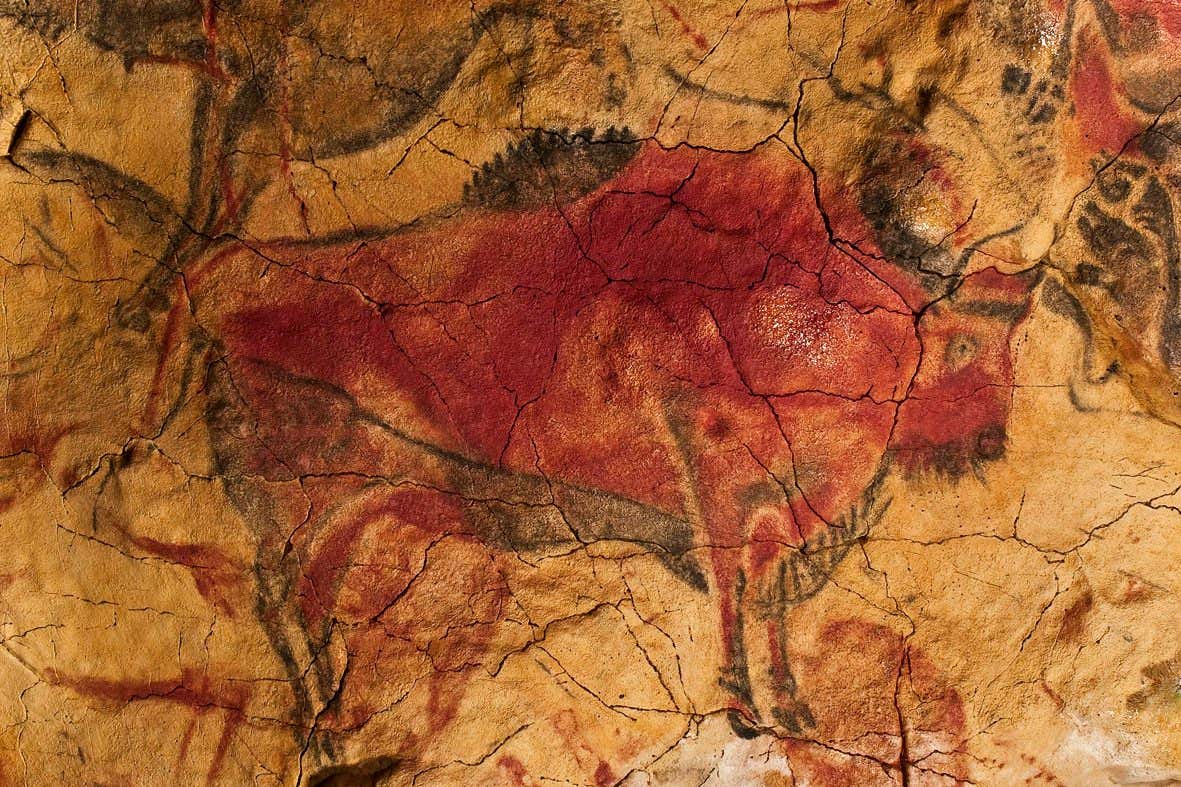
15 July 2022
On a visit to see ancient cave art in Spain, Michael Marshall explores why it's so hard to calculate the age of early human artworks and whether other hominins might also have created art.
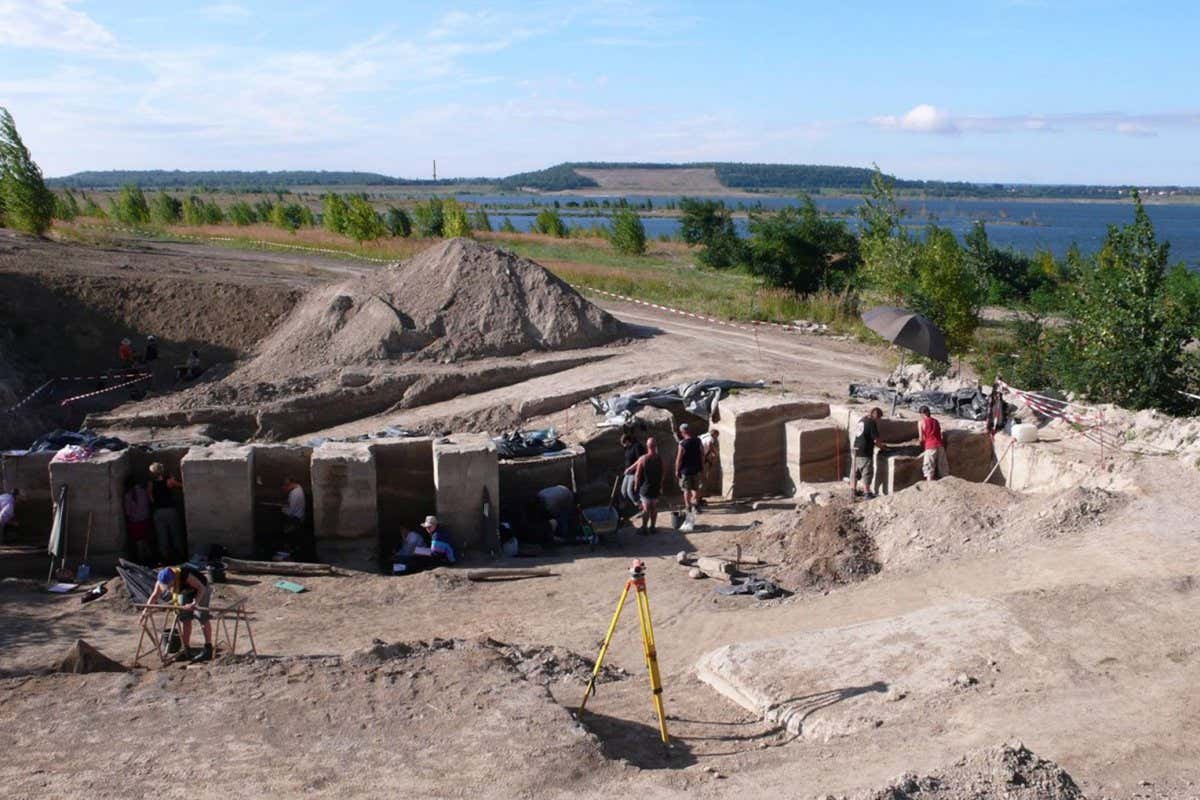
15 December 2021
When Neanderthals lived at a site called Neumark-Nord in Germany, the region had far fewer trees than surrounding areas, suggesting they may have cleared the forest on purpose
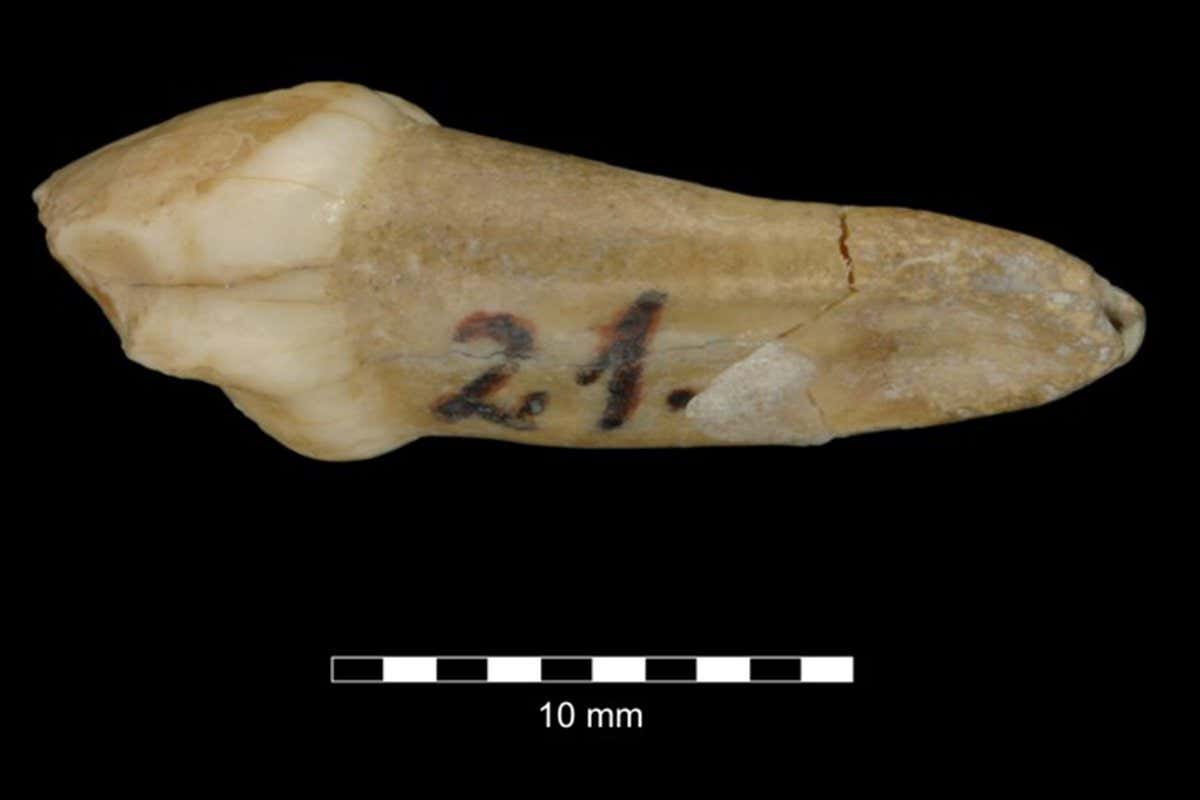
24 November 2021
A tooth from a Neanderthal child who lived 120,000 years ago suggests that our cousin species began cutting their baby teeth at 4 months – earlier than for the average modern human
16 July 2021
Just 1.5 to 7 per cent of the modern human genome is uniquely ours – meaning it emerged after we split from other ancient human groups including the Neanderthals and Denisovans
24 March 2021
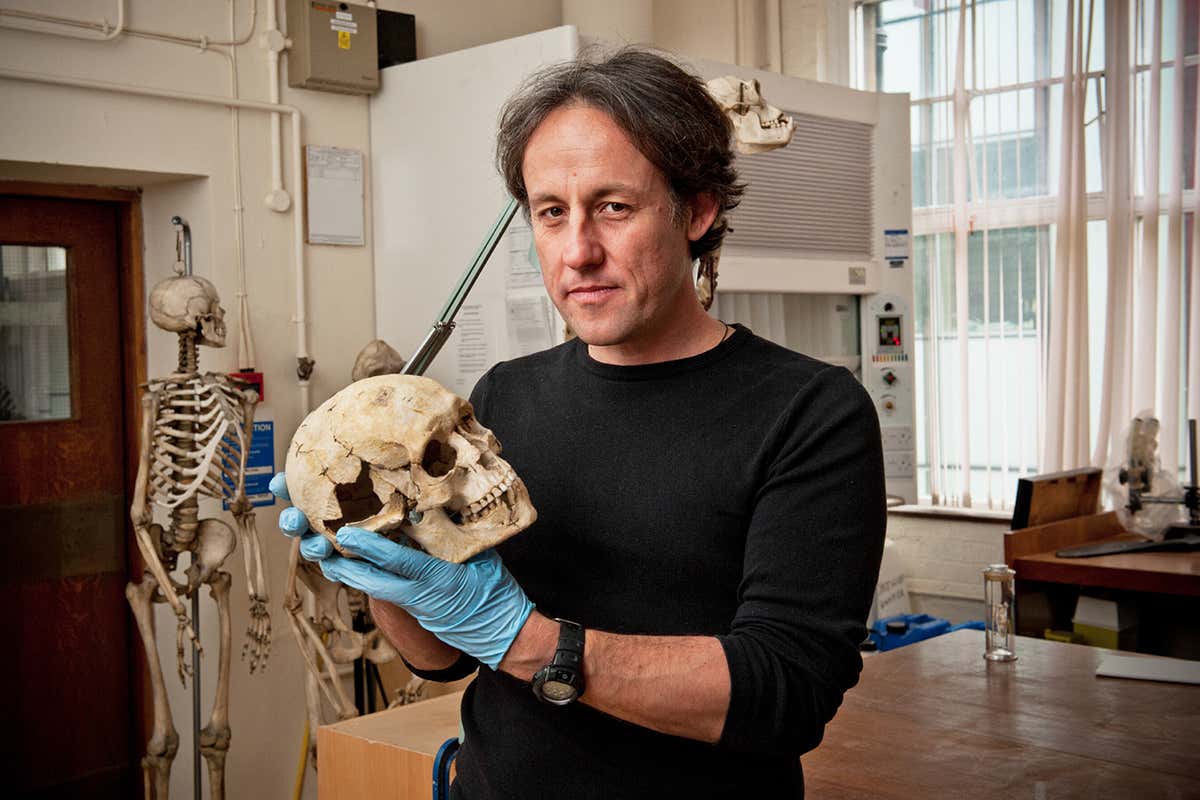
The Neanderthals, Denisovans and many others once shared Earth with us. What happened – and where are they now? Archaeologist Tom Higham has written a great insider account
1 March 2021
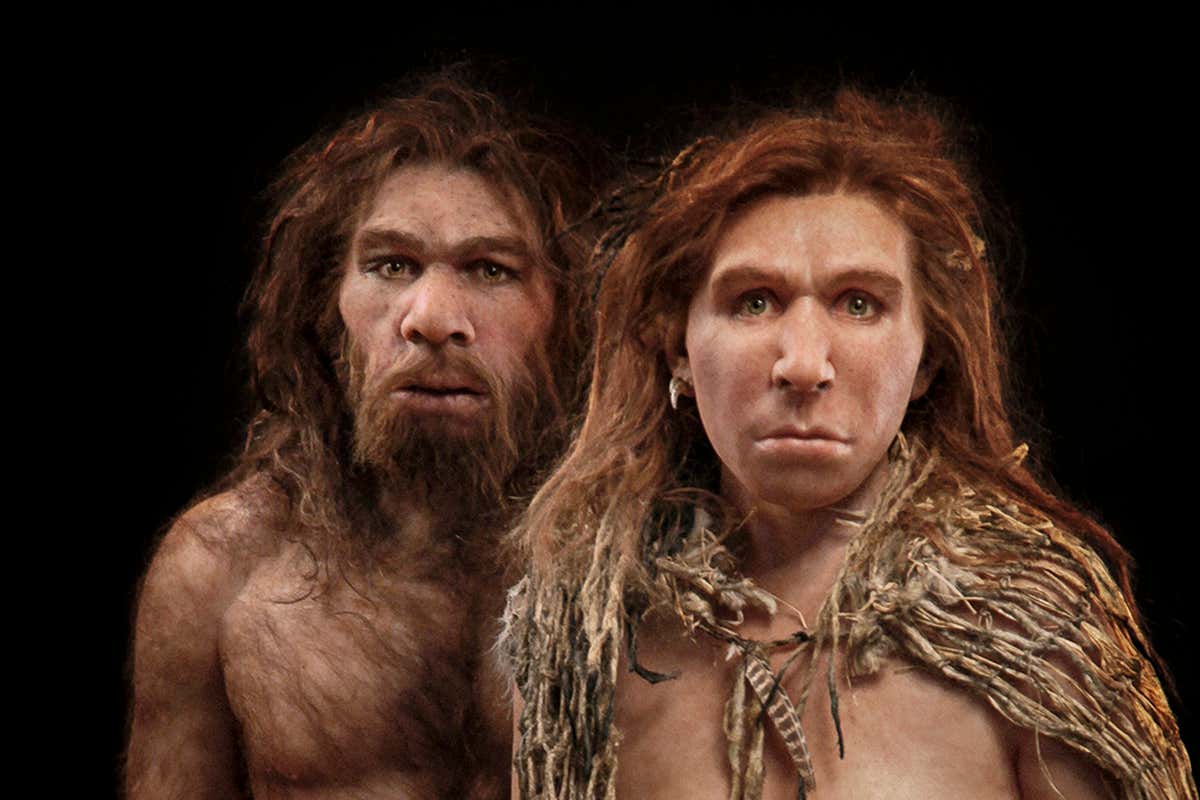
Virtual reconstructions of Neanderthal ears show that our extinct cousins had the same physical capacity for hearing as modern humans, and so could probably also make the same sounds we can – although whether they actually spoke a language is still unknown
